Palacio del Marqués de Mirabel: A Renaissance Palace in Plasencia
Site at a Glance
- Rating
- 4
- Popularity
- Medium
- Country
- Spain
- Primary era
- Medieval
- Eras represented
- Medieval
- Civilizations
- Crown of Castile
- Site type
- Domestic
- Remains
- Elite Residence
On this page8 sections
History
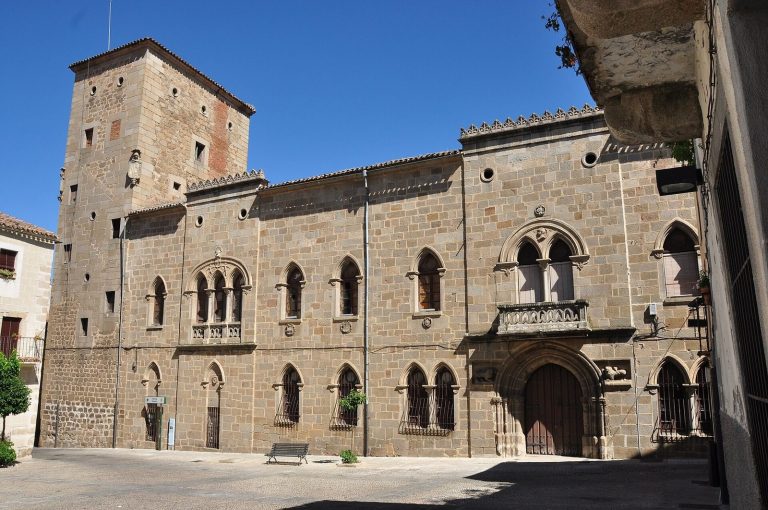
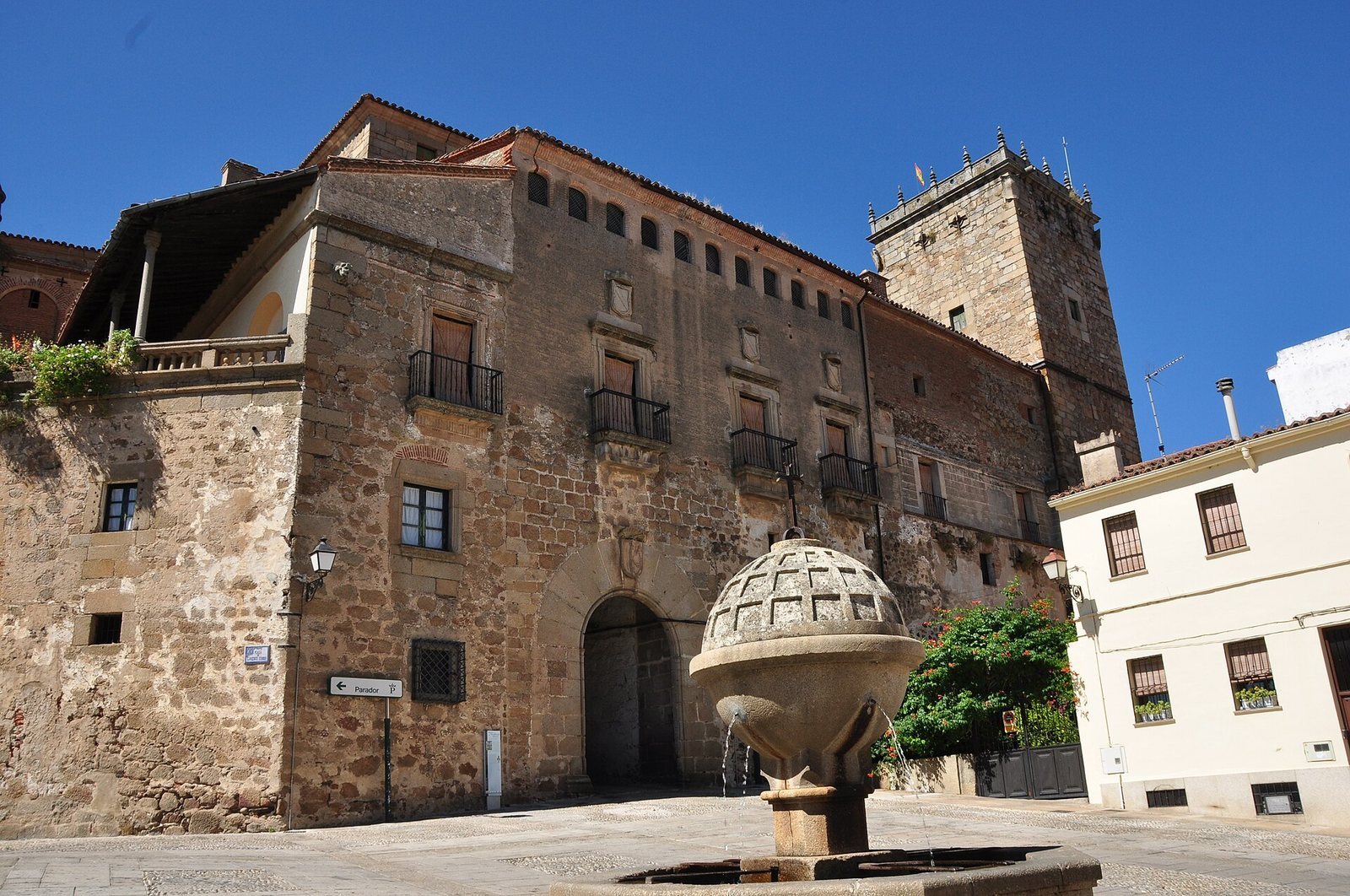
The Palacio del Marqués de Mirabel is a Renaissance palace in Plasencia, Spain, built in the fifteenth century at the initiative of Álvaro de Zúñiga y Guzmán and his second wife, Leonor Pimentel y Zúñiga. The Spanish noble couple were the first duke and duchess of Plasencia. The palace is described as the city’s most important civil building.
Spain declared the palace an Asset of Cultural Interest in 1977.
Remains
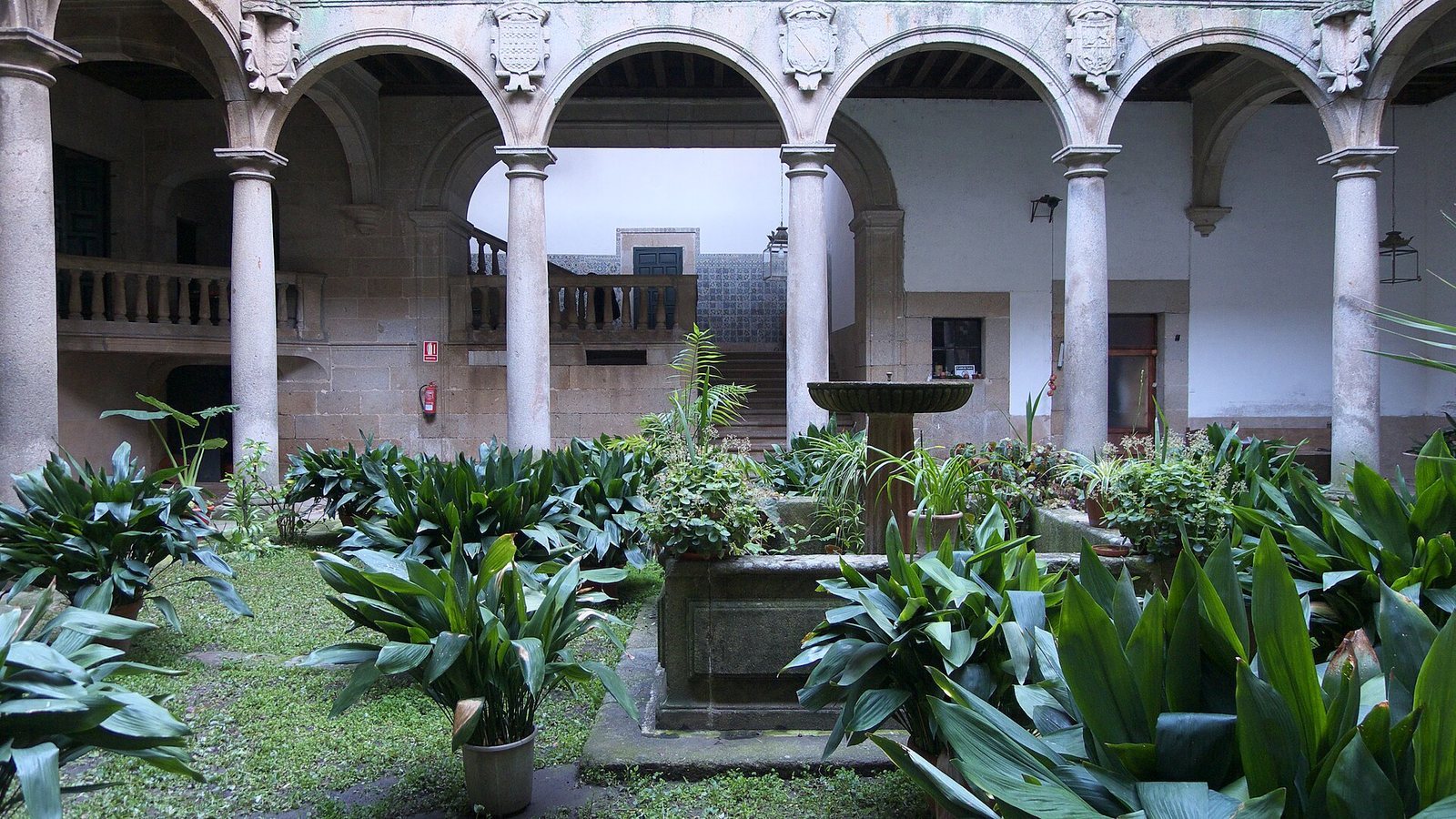
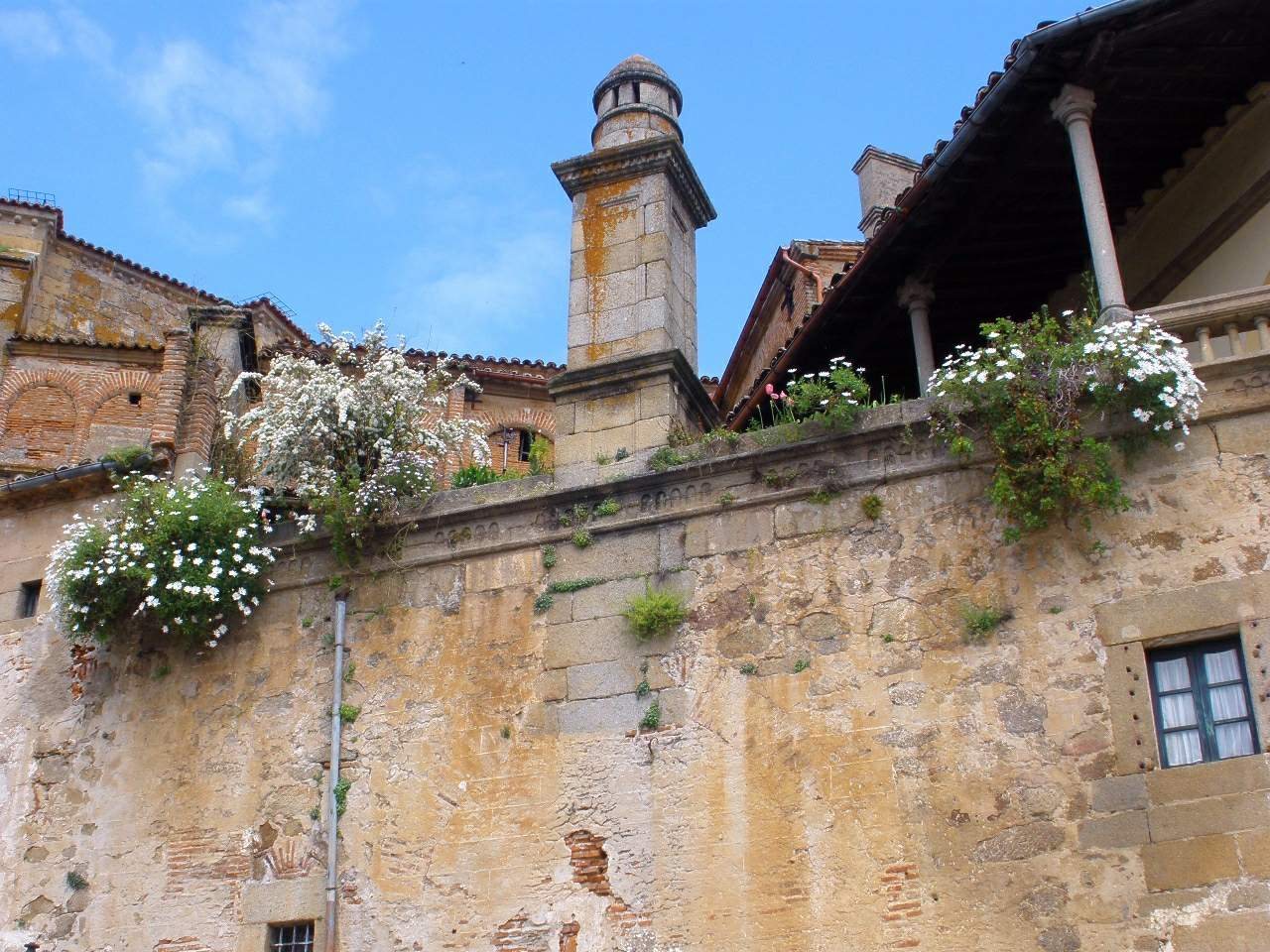
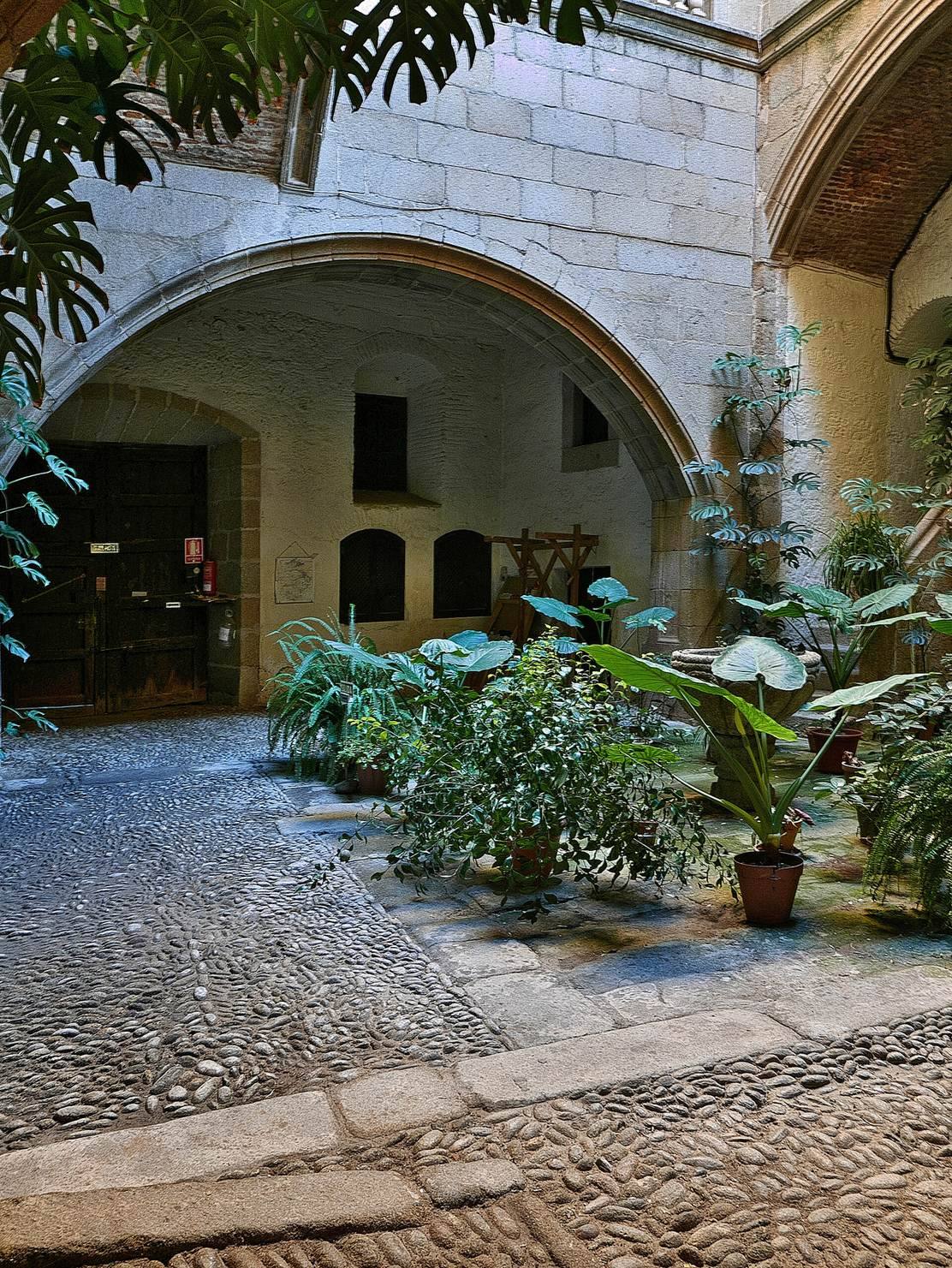
The palace’s layout includes a spacious, two-level courtyard and a hanging garden that connects the building with the church and convent of Santo Domingo. Its features also include an ornate balcony, a hall associated with Charles V, and collections of archaeological pieces and tiles.
Palace and grounds
Courtyard
The spacious courtyard rises across two levels and has semicircular arches. The coats of arms of the Zúñiga-Mirabel noble house appear on the building.
Hall of Charles V
The Hall of Charles V contains a bust of the emperor, made by the Italian Renaissance sculptor Pompeo Leoni.
Hanging garden
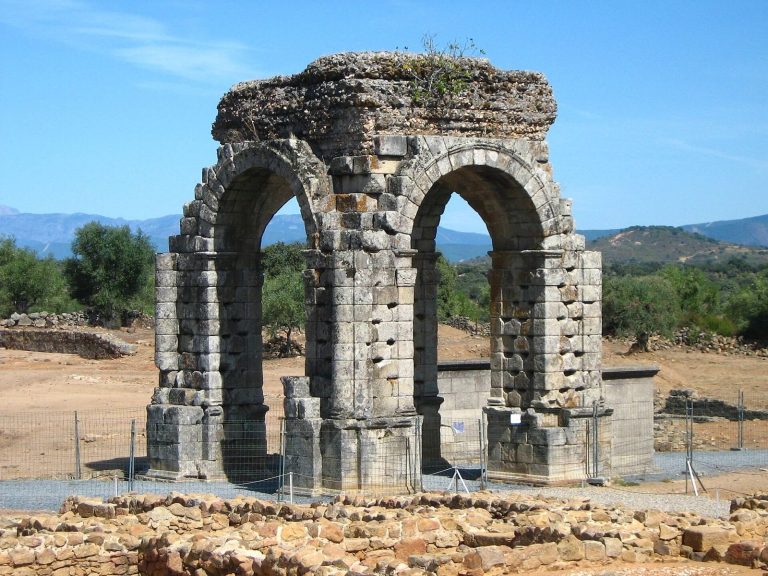
A hanging garden links the palace to the church and convent of Santo Domingo, now a state-run hotel. Opening onto Plaza de San Nicolás, the garden is decorated with columns and Roman sculptures from Cáparra and Mérida.
Rear balcony
A prominent balcony projects from the rear of the palace. Its richly ornamented Plateresque design belongs to a Spanish Renaissance style and is described as unique in Plasencia.
Collections
The palace holds Italian archaeological pieces from the Roman period and tiles from the Monastery of Yuste.