Palace of Theodoric in Ravenna: A Misidentified Church Façade
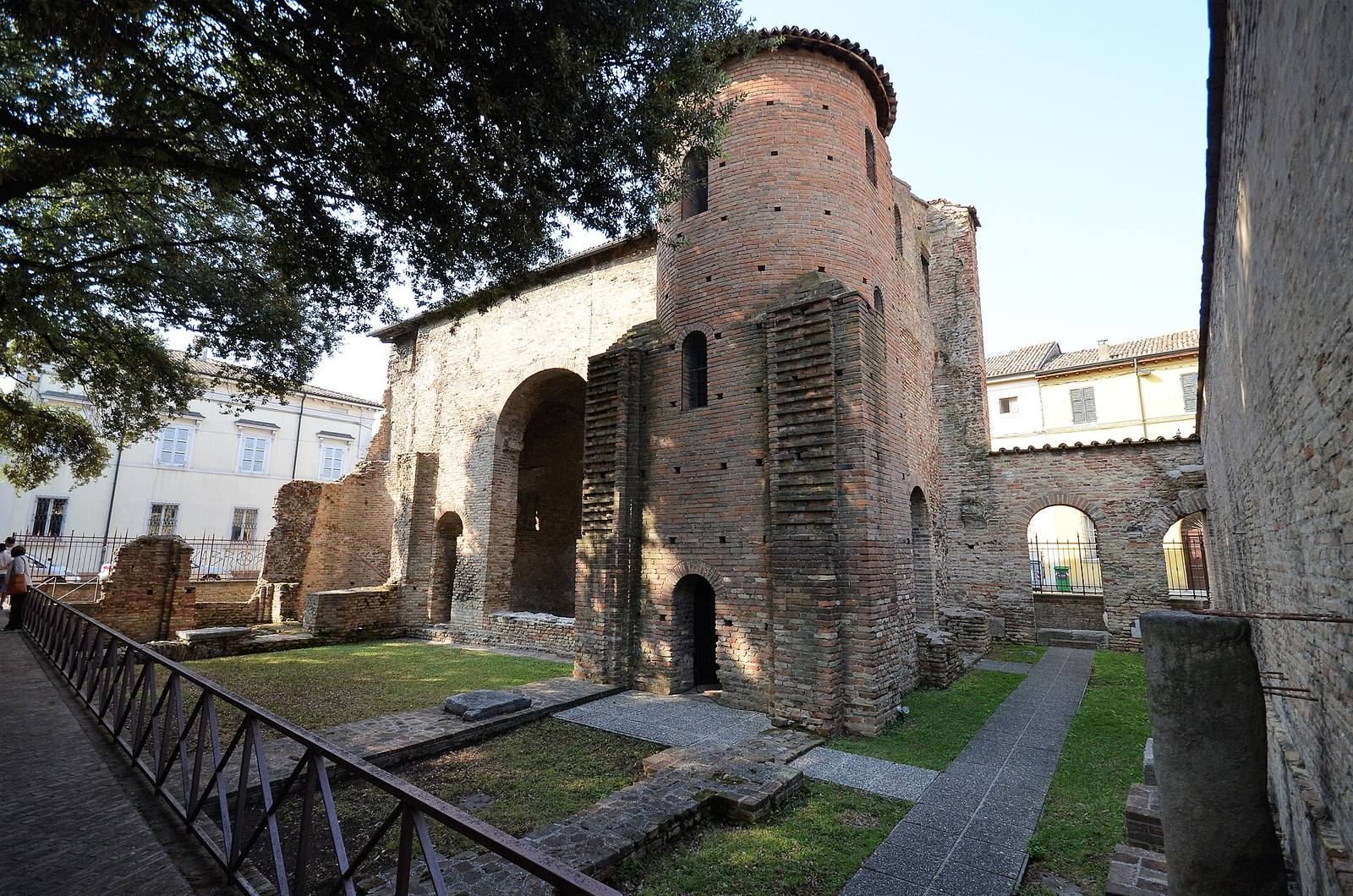
Site at a Glance
- Rating
- 4.3
- Popularity
- Low
- Country
- Italy
- Primary era
- Medieval
- External website
- Open
- Eras represented
- Medieval, Modern
- Civilizations
- Byzantine, Italian
- Site type
- Religious
- Remains
- Church
On this page7 sections
History
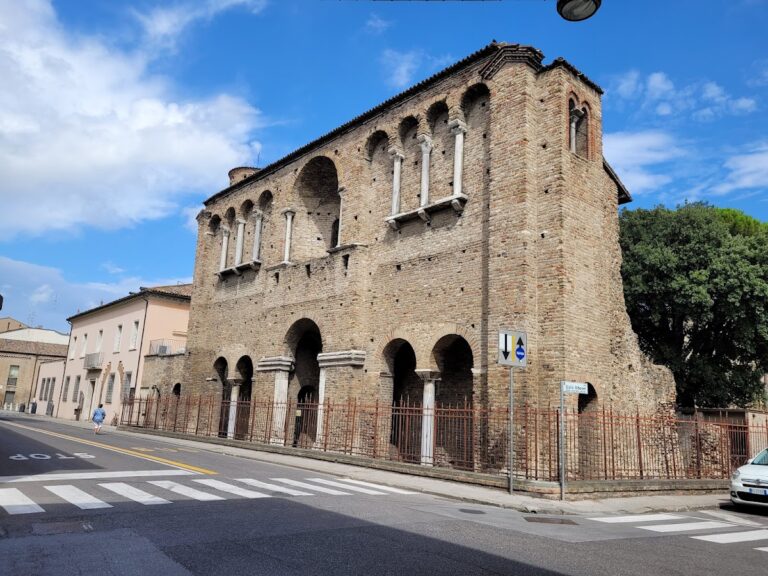
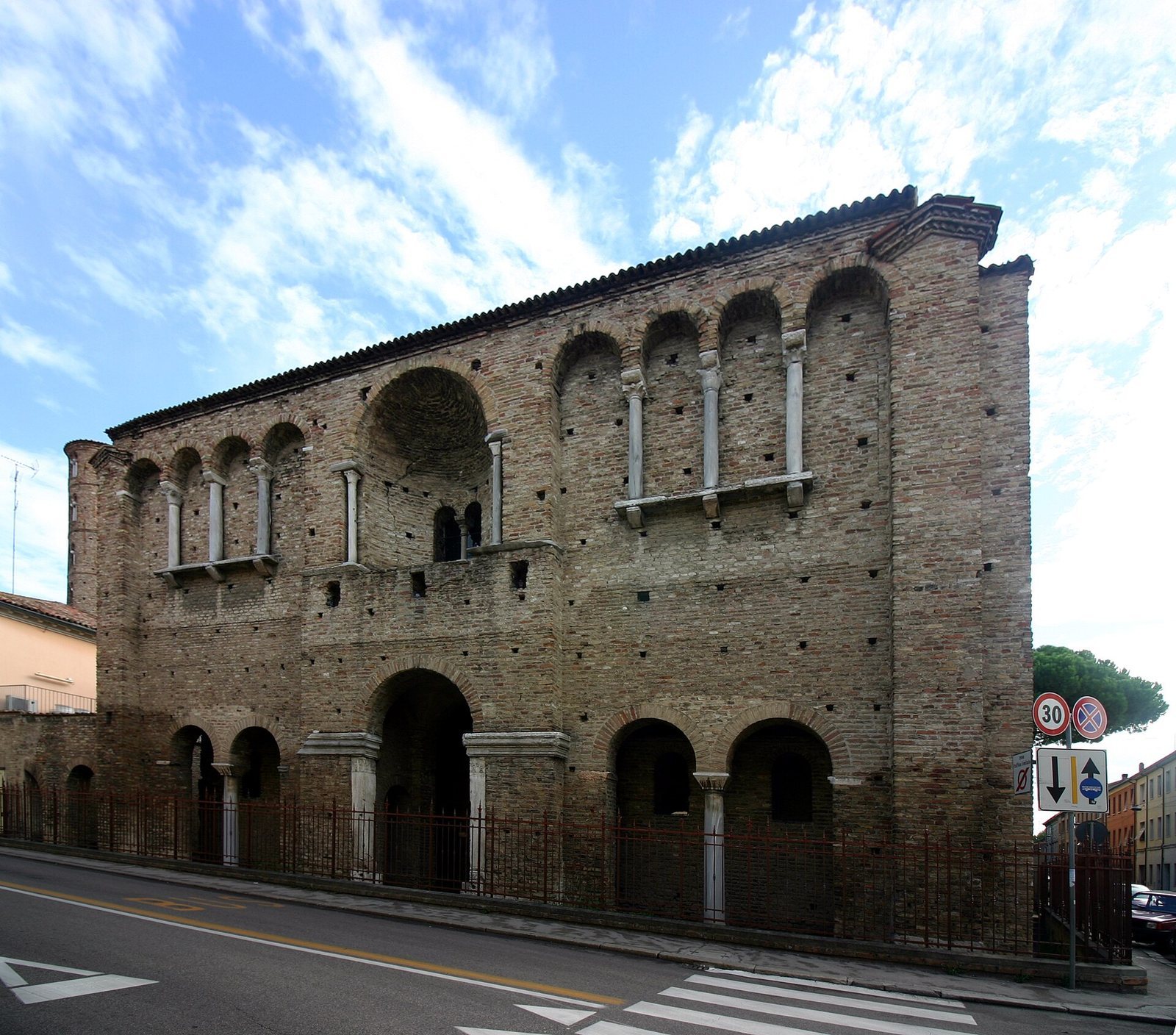
The Palace of Theodoric in Ravenna is a surviving fragment of a religious building in Italy, long mistaken for part of the palace of Theodoric the Great, an Ostrogothic king who ruled Italy in the late fifth and early sixth centuries. The surviving structure probably dates to the mid-eighth century, several centuries after Theodoric’s reign.
Dating and identification
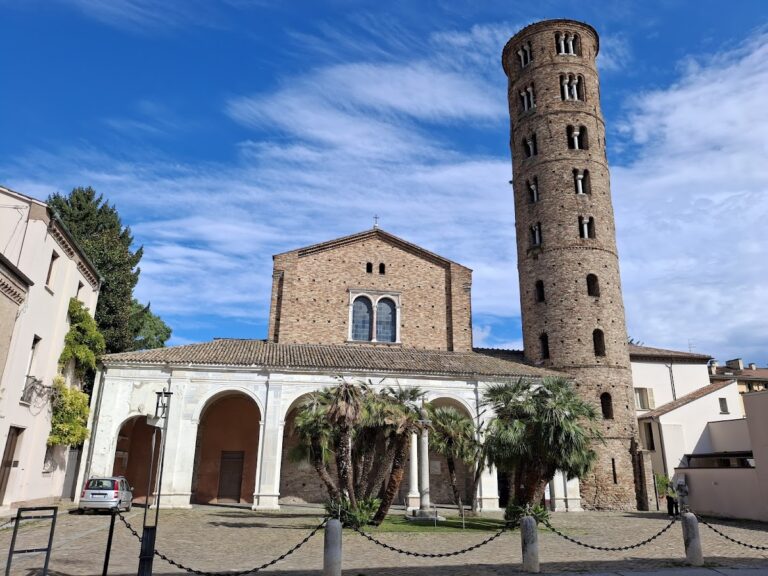
The mistaken identification grew from the building’s proximity to San Apollinare Nuovo, Theodoric’s court church, and a resemblance between its façade and a mosaic there depicting the king’s palace. Some scholars in the early twentieth century instead placed the structure in the seventh or eighth century and proposed that it belonged to a palace planned for Ravenna’s exarchs, Byzantine governors who exercised the emperor’s authority in the territory. The building’s original purpose remains uncertain, although crosses on its façade capitals have been taken to indicate a religious function.
In 1921, Ravenna superintendent Giuseppe Gerola proposed that the remains were part of San Salvatore ad Calchi, a church destroyed in the early sixteenth century. Architectural historian Paolo Verzone developed this interpretation, which remains the prevailing explanation.
Excavations and later use
Floor mosaics discovered in the nineteenth century prompted further study. From 1897 to 1907, the structure stopped being used as a residence and underwent restoration led by art historian and archaeologist Corrado Ricci.
Between 1907 and 1911, excavations led by Ricci uncovered foundations and wall remains of Theodoric’s actual palace behind the fragment, including in the Monghini family gardens and other locations between Viale Farini and Via Alberoni. These finds established the palace’s location and ground plan. In 1923, mosaic remains were transferred to the fragment’s attic, which was arranged as an exhibition room. Further investigations in the 1950s, led by archaeologist Mario Mazzotti, did not resolve the building’s history. The fragment is now used as a museum.
Remains
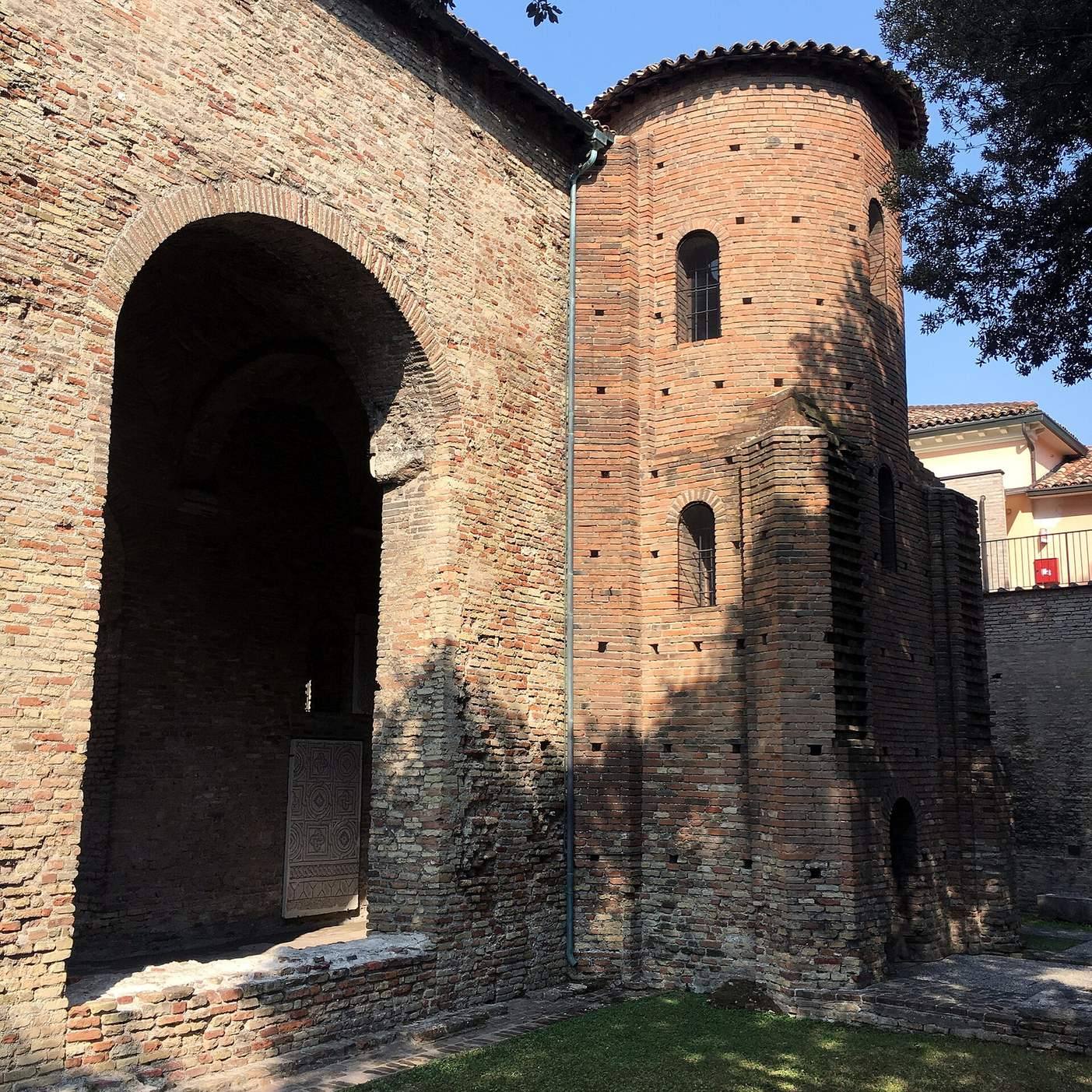
The surviving structure is chiefly a façade about 20 metres long, associated with buildings from different periods. It forms a substantial part of the front of a religious building. Walls belonging to the main body survive only to street level, and modern structures obscure the rear apse. The fragment stands near San Apollinare Nuovo, at the edge of Ravenna’s former imperial precinct, which also contained the palace of Galla Placidia and, later, Theodoric’s actual palace.
Façade and upper gallery
Two street-facing windows are each divided into two openings, with a column inserted into each during the late nineteenth- and early twentieth-century restoration. Several plain, square capitals on columns incorporated into the façade bear crosses. Two circular staircases once gave access to an upper gallery within the church. One staircase was reconstructed during the restoration of 1897–1907; the spiral staircase leading to the upper floor was restored in 1923.
Mosaics and palace plan
The attic exhibition room holds the recovered floor-mosaic remains and a plan showing the foundations of Theodoric’s excavated palace.
Porphyry basin
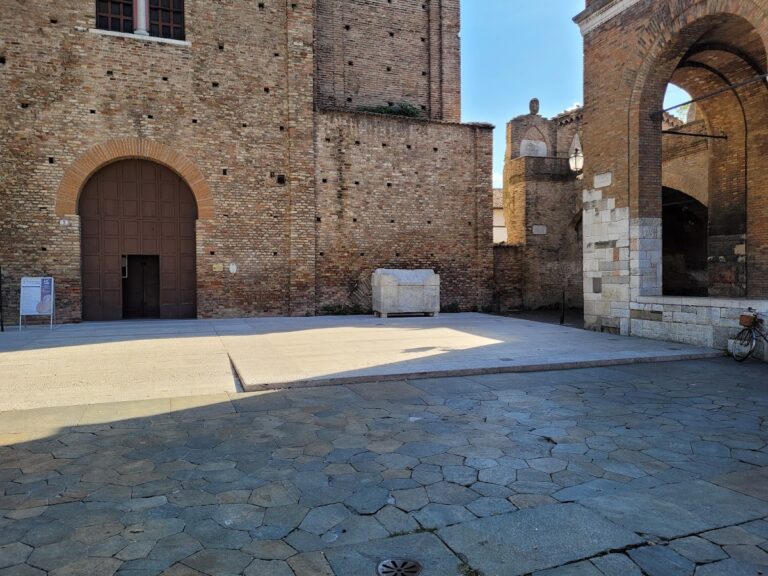
A basin made of porphyry, a hard stone with visible crystals, was once built into the lower right-hand part of the structure. It was later displayed at Ravenna’s National Museum and is now in the upper-floor chapel chamber of Theodoric’s Mausoleum. The damaged basin has lost part of one end and bears cannonball impacts on every side. It was about three metres long, 1.5 metres wide and one metre high, with a depth of approximately 65 centimetres. A low-relief lion’s head decorates one long side, while both long sides carry reliefs of a large suspended ring. The basin appears to be a late Roman bathtub; it has no royal insignia or inscriptions.