Palace of Parcent: An Eighteenth-Century Palace in Madrid
Site at a Glance
- Popularity
- Medium
- Country
- Spain
- Primary era
- Early Modern
- Eras represented
- Early Modern, Modern
- Civilizations
- Spanish
- Site type
- Domestic
- Remains
- Elite Residence
History
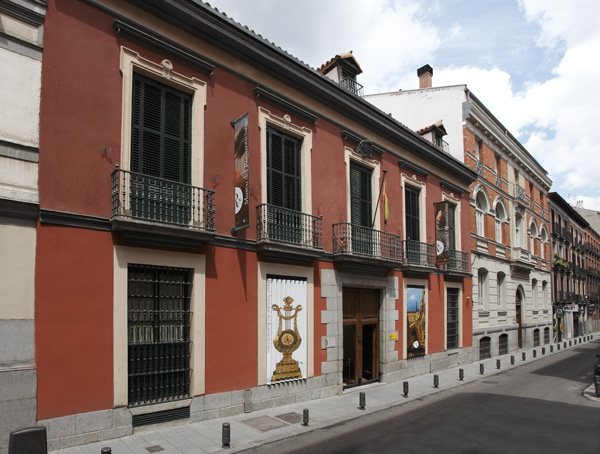
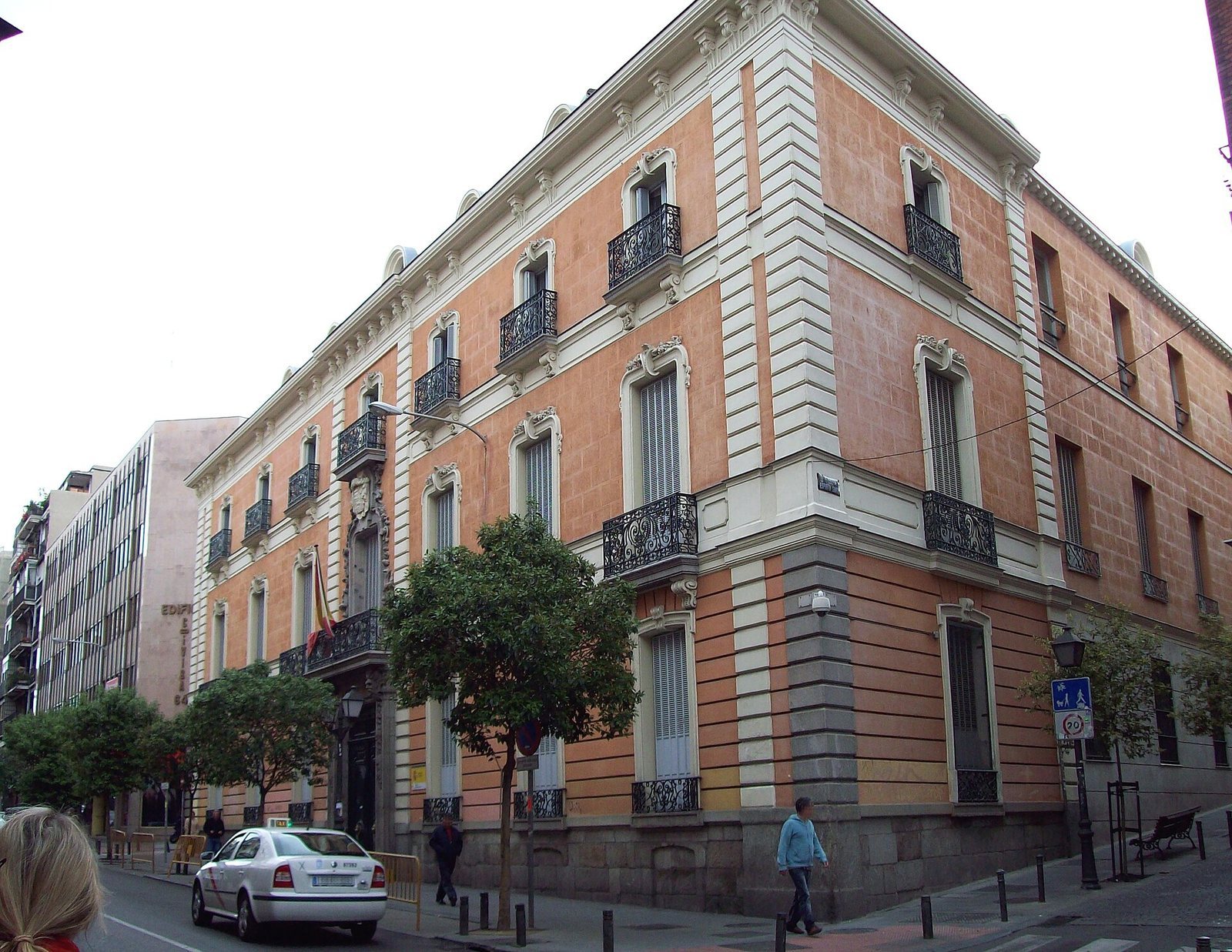
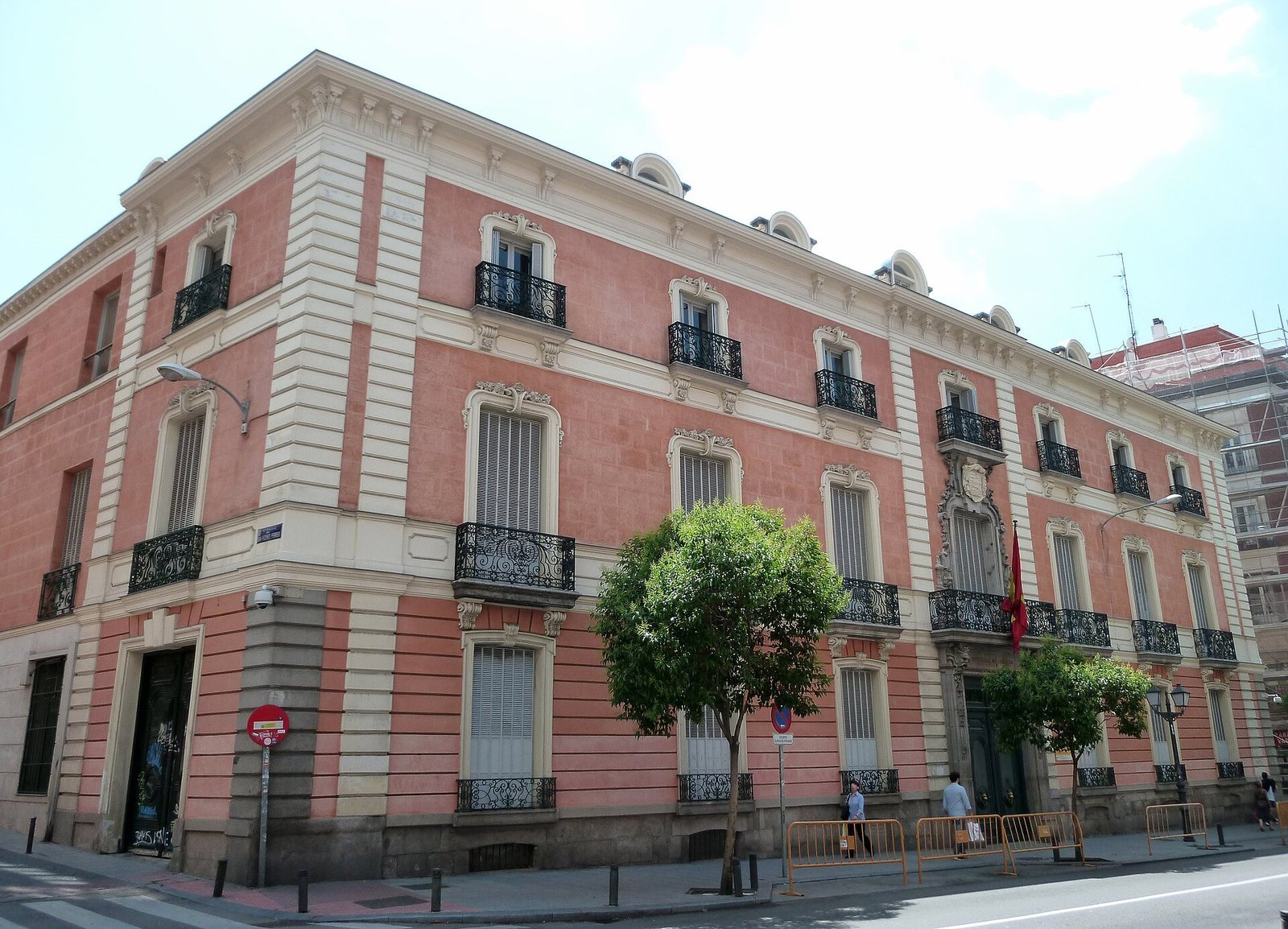
The Palace of Parcent is an eighteenth-century palace in Madrid’s Universidad district, Spain. Gabriel Valenciano designed it in the late 1720s, and construction began in 1729.
Construction and changing ownership
The palace was renovated in 1865. It was later acquired by Manuel de Yturbe y del Villar, Mexico’s minister plenipotentiary in Spain, a senior diplomat empowered to act for his government. In 1900, Yturbe commissioned architect José Monasterio Arrillaga to remodel the building in the Neo-Baroque style, a revival drawing on Baroque architecture and ornament.
Yturbe’s daughter, María de la Piedad de Yturbe, who held the noble title Marquise of Belvís de las Navas, later inherited the palace. During a period when it belonged to her mother, who held the title Duchess of Parcent, architect Luis de Landecho carried out further renovations. The building also went by several other names, including the House of the Seven Gardens, the Palace of the Marquess of Mejorada and La Breña, and the Palace of the Marquises of Gualdalcázar. While it served as the Mexican embassy, it was known as the Palace of Yturbe.
Government use and heritage status
After the state acquired the palace, it became the Ministry of Labour’s headquarters in the 1940s. The ministry later moved to Nuevos Ministerios, a government-building complex in Madrid. Restoration work in the 1980s adapted the palace for offices of the Ministry of Justice, which continues to use part of the building.
In July 1995, Spain designated the palace a Bien de Interés Cultural, the country’s formal heritage classification for culturally important property. It received the designation in the monument category, which covers protected buildings and other fixed structures.