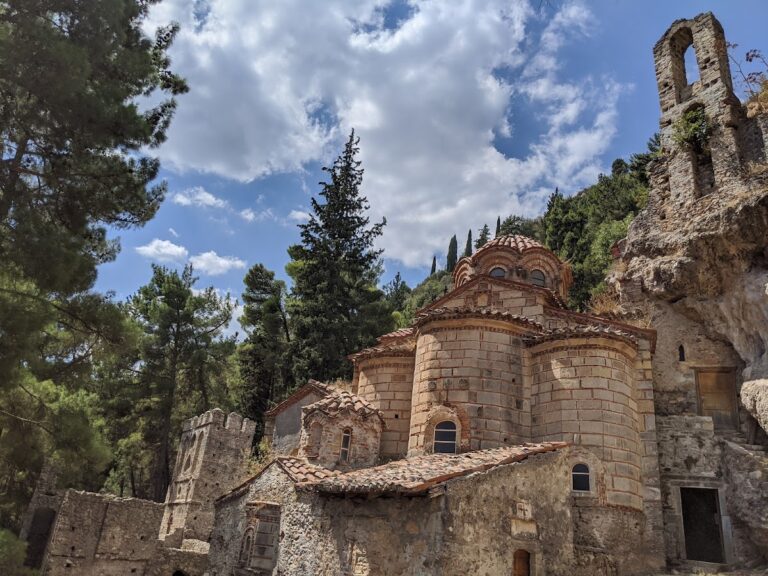
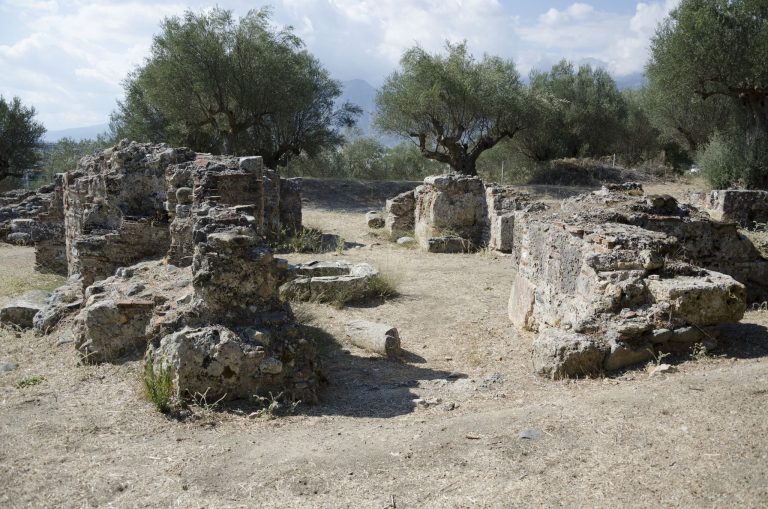
Palace of Despots of Mystra: A Byzantine Rulers’ Residence
Site at a Glance
- Popularity
- Medium
- Country
- Greece
- Primary era
- Medieval
- Eras represented
- Medieval
- Civilizations
- Byzantine, Crusader, Principality of Achaea
- Site type
- Civic
- Remains
- Palace
On this page9 sections
History
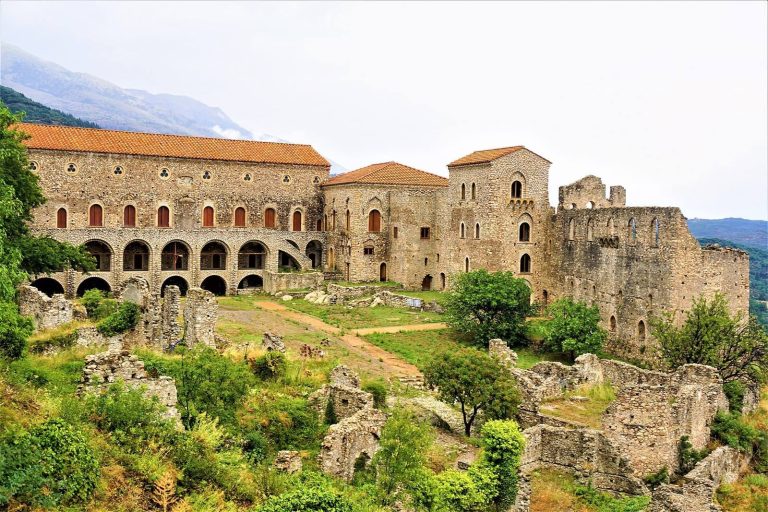
The Palace of Despots of Mystra is a palace complex in Mystras, Greece, begun in the 13th century under Frankish rule; its present form dates to the 15th century. It later connected the city with Frankish and Byzantine government in the Peloponnese.
Frankish foundation
Construction began soon after Mystras was founded, under William II Villehardouin, ruler of the Principality of Achaea, a Crusader state in the Peloponnese. The palace first served as the local Frankish ruler’s residence. Byzantine forces later took control of it.
Byzantine residence
During Byzantine rule, the palace housed the Despot of Mystras and Morea. A despot was a high-ranking ruler, often a member of the imperial family; the Despotate of Morea was a Byzantine-ruled territory in the Peloponnese. The despot, usually a son or brother of the emperor, governed the wider region and lived at the palace with family members. The emperor also stayed there during visits within the city walls.
Raid and restoration
The palace was probably destroyed in 1464, when the Italian military leader Sigismondo Malatesta raided the fortified town. Restoration began in 1984, followed by extensive further work from 1995 into the 2010s. The palace forms part of the archaeological site of Mystras, a UNESCO World Heritage site recognized for its outstanding universal value.
Remains
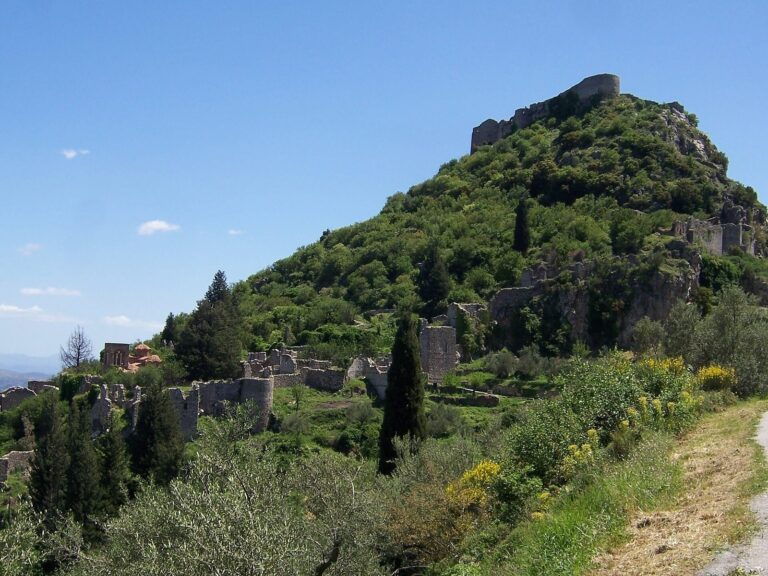
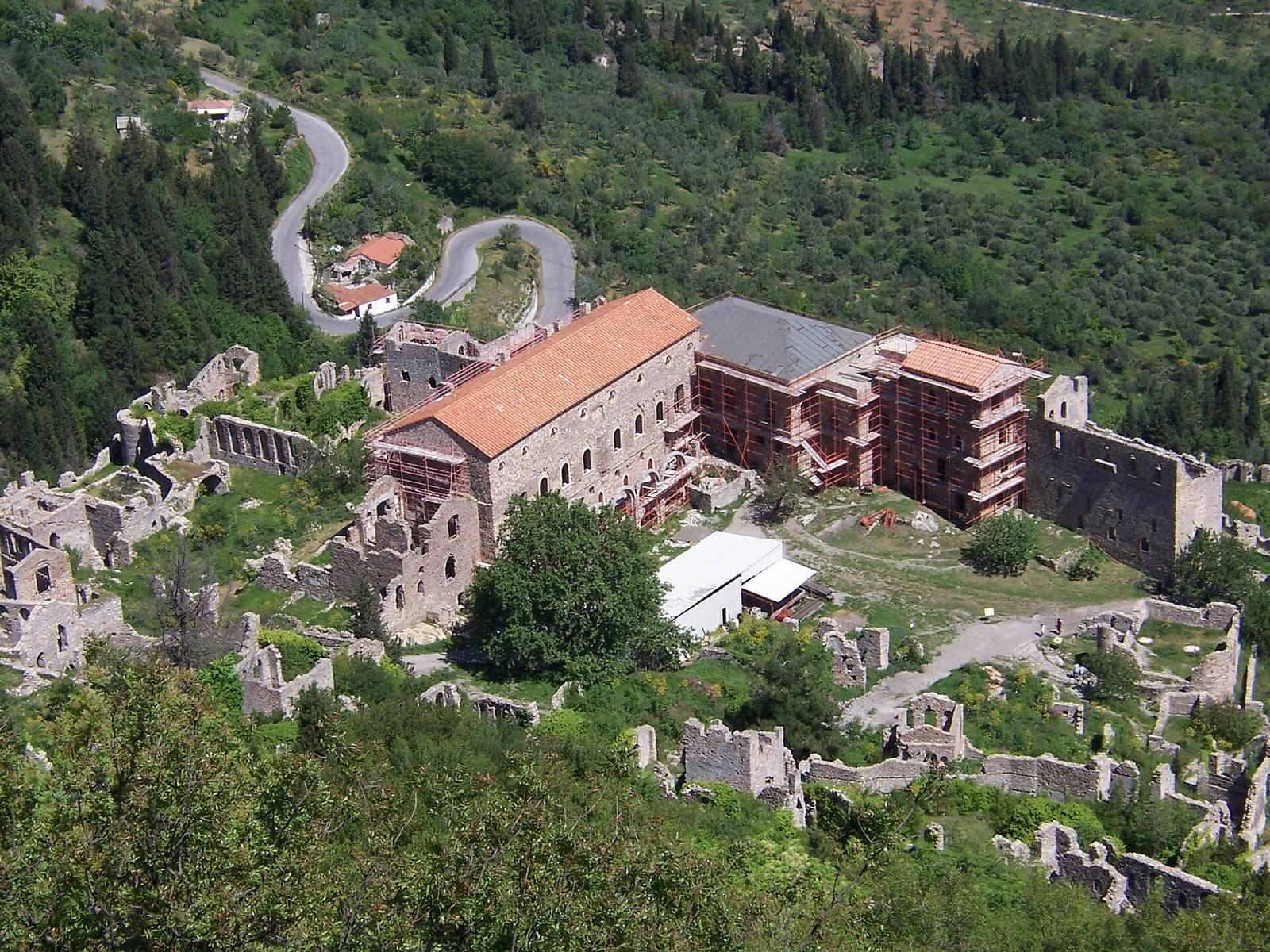
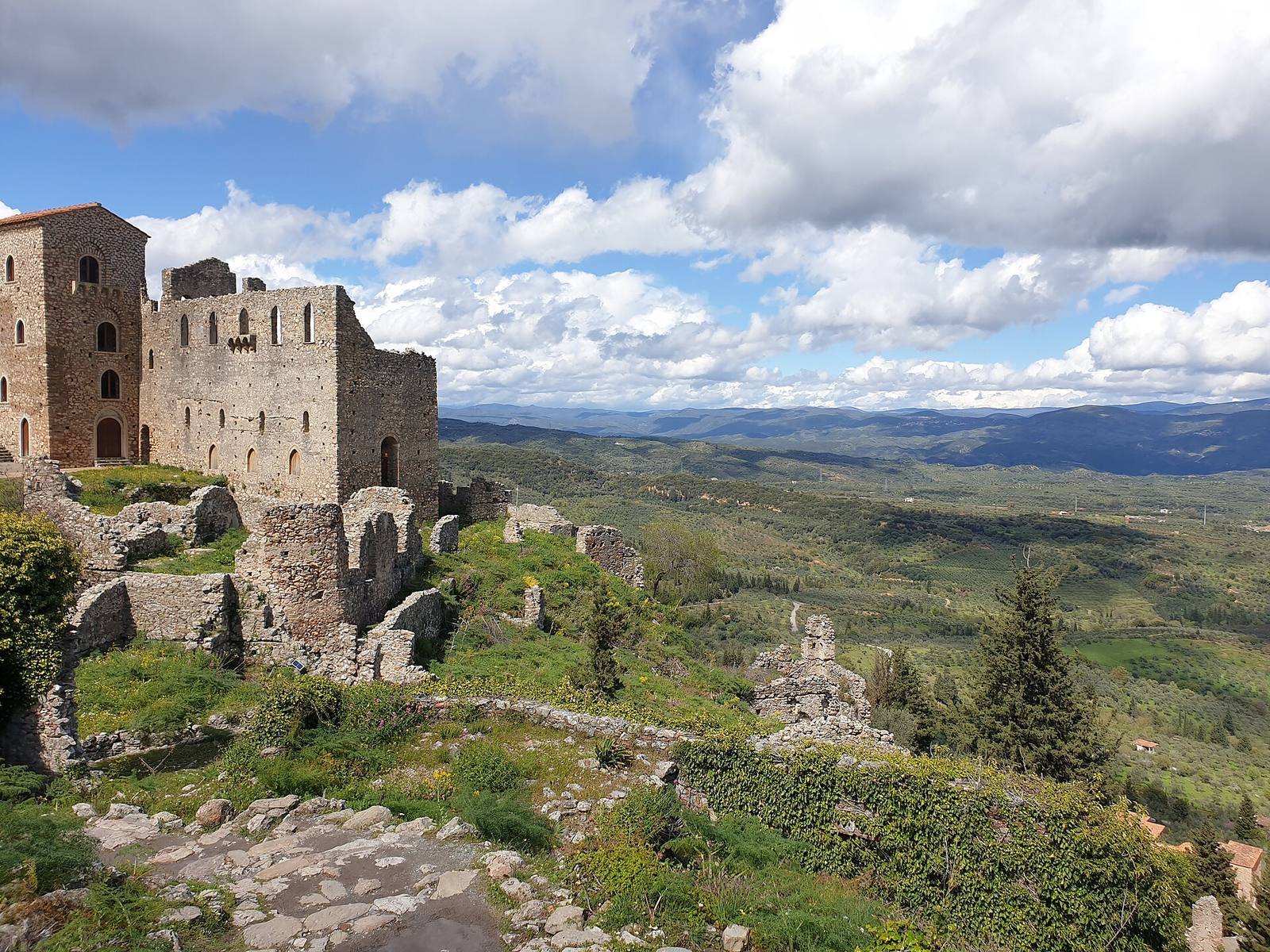
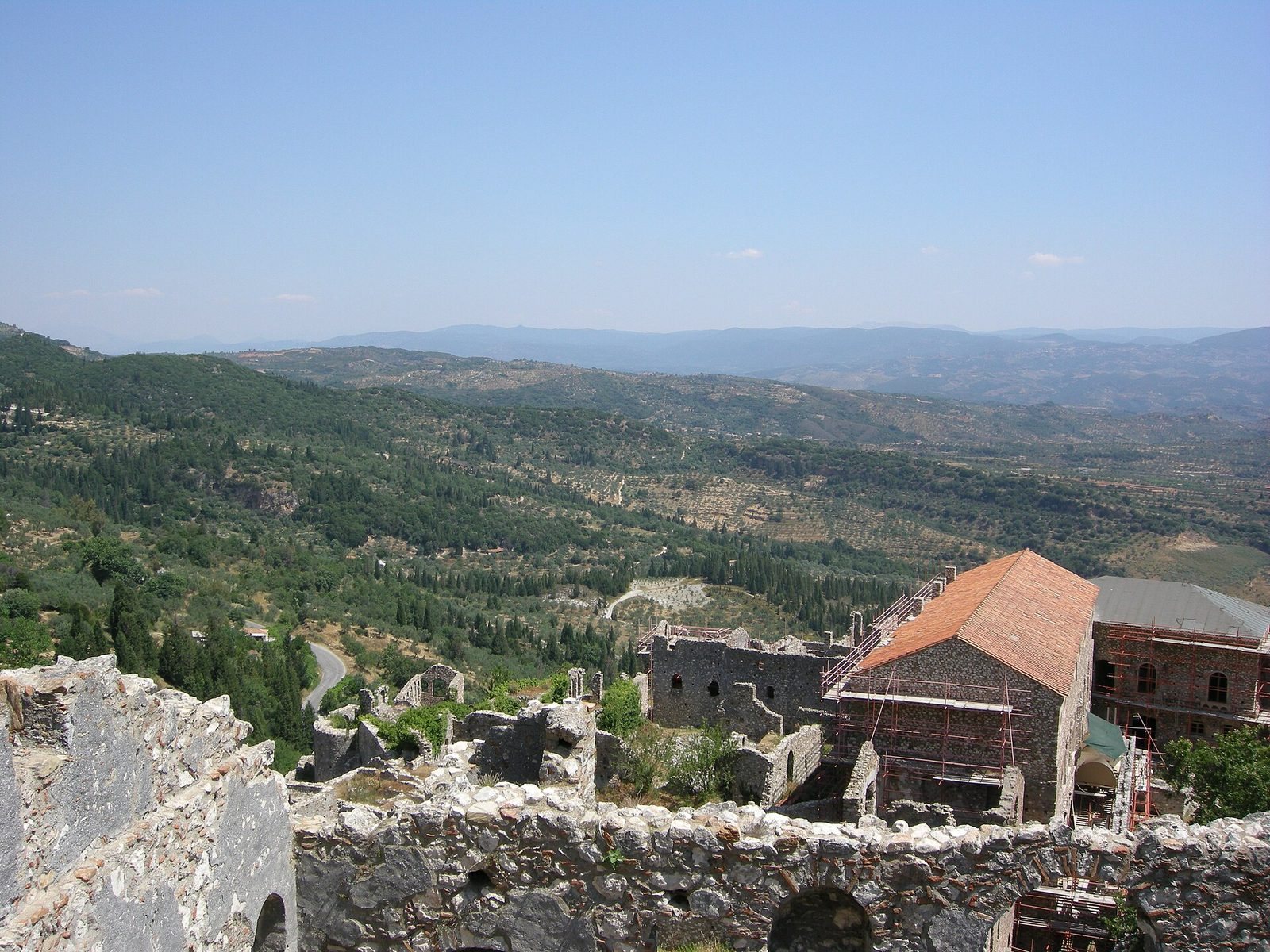
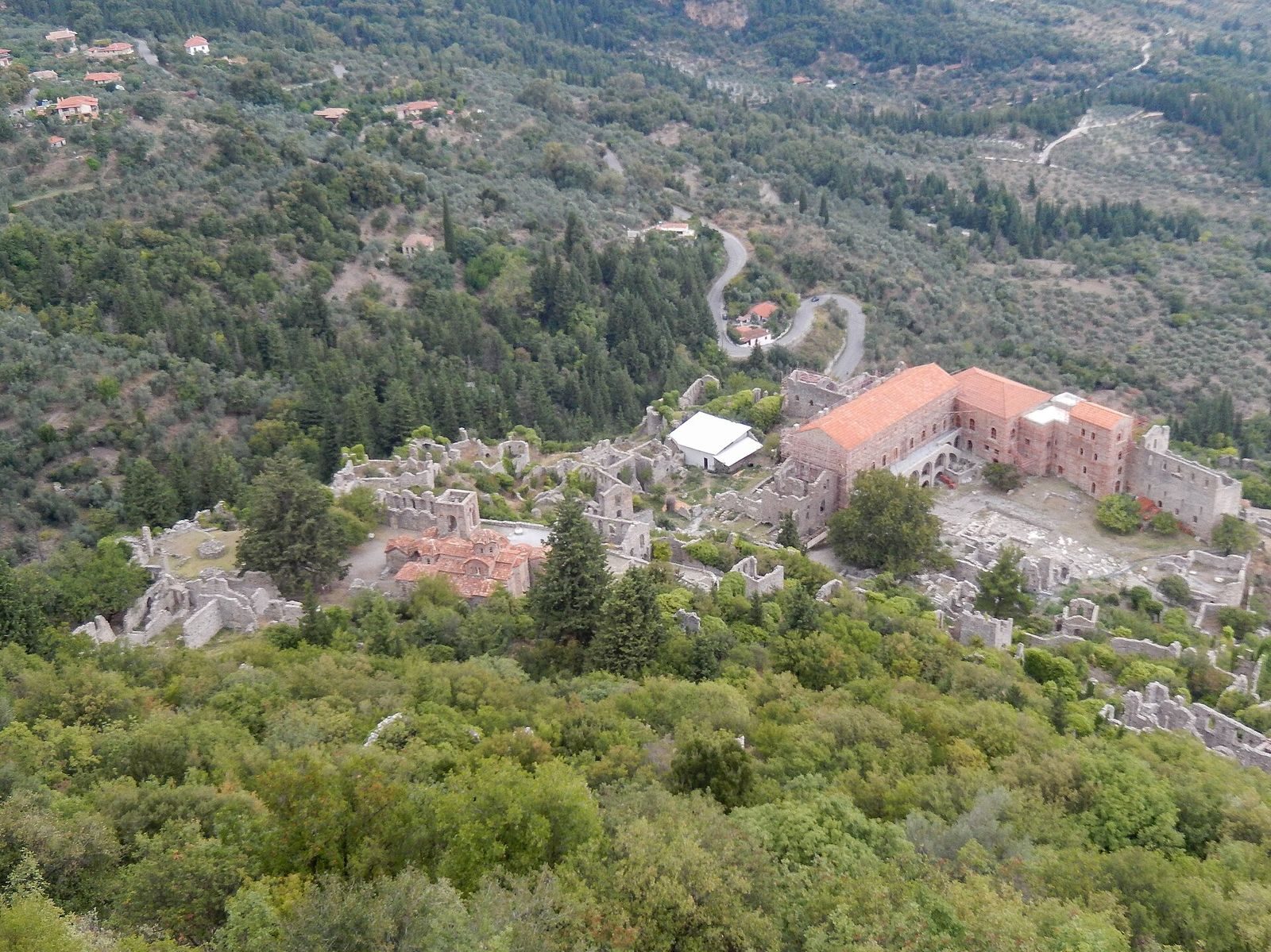
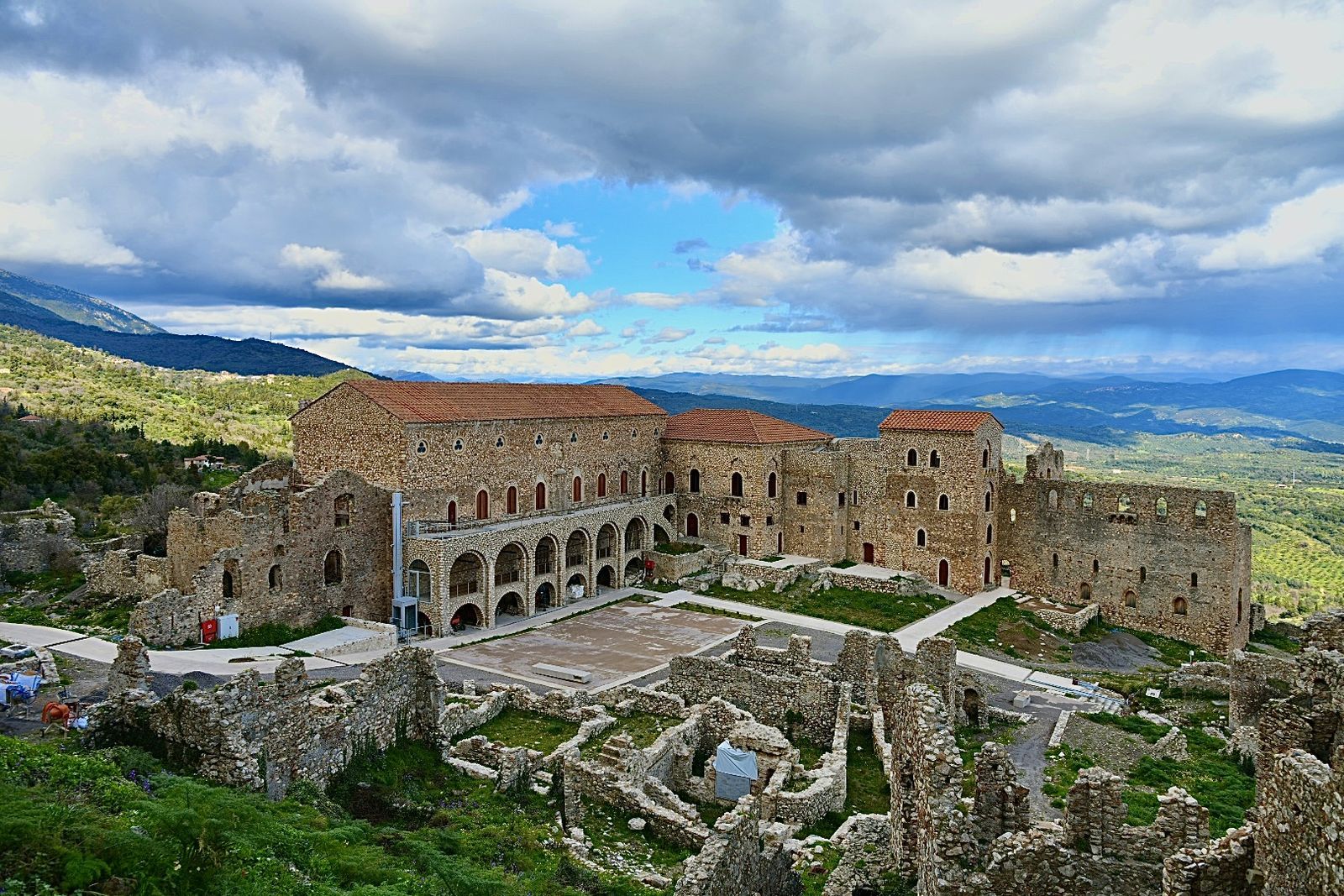
The palace occupies the northern slope of Castle Hill in Mystras’s upper city. It consists of separate buildings, with two principal wings associated with the Kantakouzenos and Palaiologos families. Similarities to Frankish buildings, including Chlemoutsi, a Frankish castle in the Peloponnese, support the palace’s early association with the local Frankish ruler. The complex is a unique example of a Byzantine palace preserved in its entirety.
Principal wings and surrounding buildings
Kantakouzenos Wing
The wing associated with the Kantakouzenos family was built in the early 14th century.
Palaiologos Wing
The Palaiologos wing dates to the 15th century and was arranged across three levels. Storage rooms occupied the lowest level, while the middle level contained eight living rooms. The upper level held the throne hall, called the Chrysotriklinos, a ceremonial reception space. The hall measures 36.30 metres long and 10.50 metres wide.
Other noble residences
Separate buildings around the palace housed other nobles of Mystras, including officials. These residences ranged from two to four levels.