Mystras Castle: A Medieval Fortress in Greece


Site at a Glance
- Rating
- 4.7
- Popularity
- Medium
- Country
- Greece
- Primary era
- Medieval
- Eras represented
- Medieval, Early Modern
- Civilizations
- Byzantine, Crusader, Ottoman, Principality of Achaea
- Site type
- Military
- Remains
- Castle
On this page4 sections
History
Mystras Castle is a medieval fortress in Greece, built in 1249 during Frankish rule by William II Villehardouin, Prince of Achaea. Villehardouin was a thirteenth-century Frankish ruler of the Latin principality established in the Peloponnese after the Fourth Crusade. Known also as Villehardouin Castle, the fortress was established during the period of Frankish rule and became the stronghold of the medieval city of Mystras.
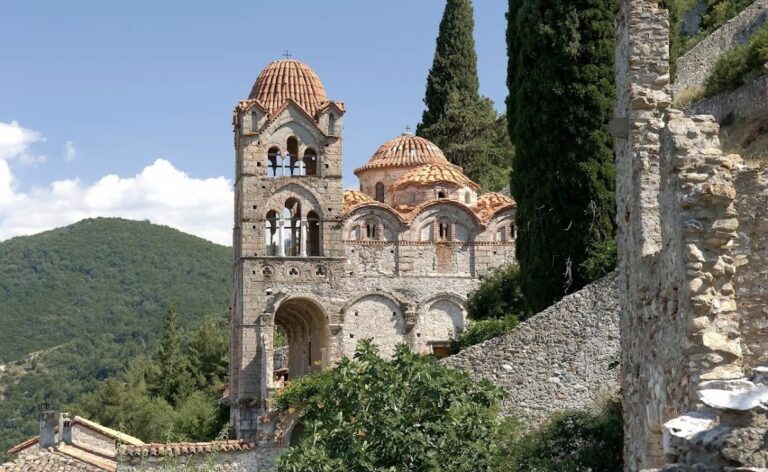
The castle later passed to the Byzantine Despotate of Morea, a Byzantine-ruled principality centered in the Peloponnese during the late medieval period. The Byzantine despots of Mystras successively modified the fortress. Under Ottoman rule, it continued in use and was modernized with additions including gun emplacements. The castle now forms part of the wider archaeological site of Mystras, which is designated a UNESCO World Heritage site.
Remains
Hilltop Fortress and Enclosures
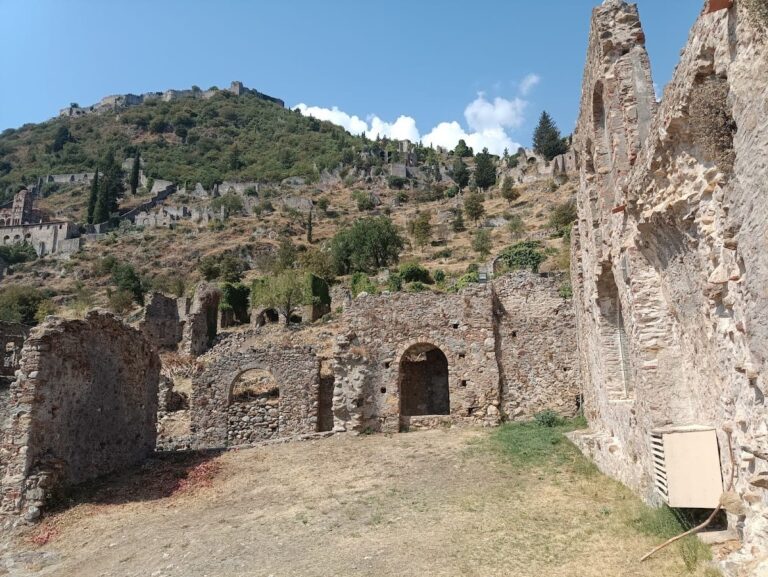
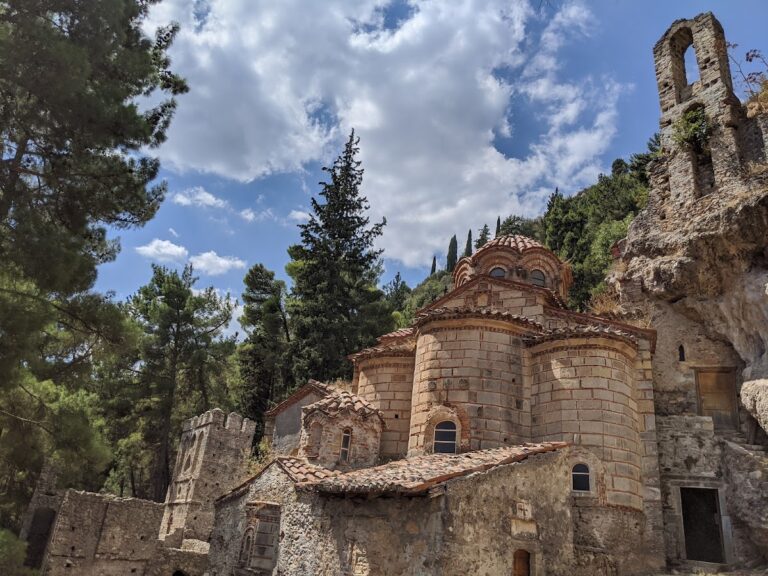
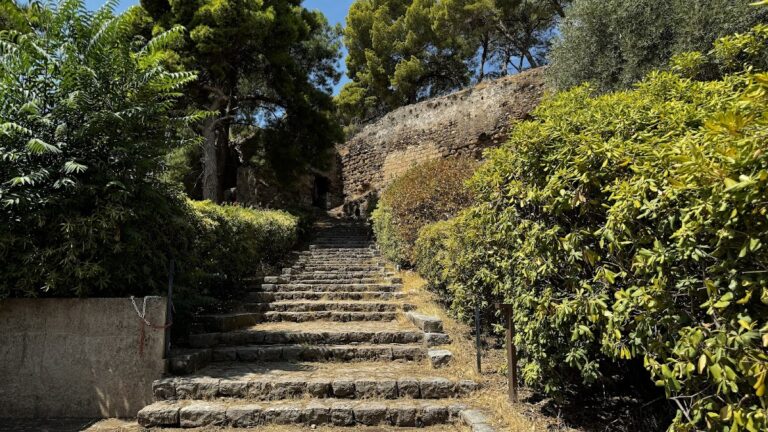
The fortress stands at the summit of the castle hill, south of the medieval city, at an elevation of 621 metres above sea level. Two levels of enclosure walls surround the stronghold, with square and round towers reinforcing the defenses. A steep escarpment on the southern and southeastern sides made attack from those directions difficult, while additional walls and fortifications strengthened the remaining sides. The upper wall begins on the western side, encloses the area of the Palace of Mystras along the northern side of the hill, and continues around the Pantanassa Monastery to the east. The lower wall begins in the northwestern part of the city, extends around the Vrontochion Monastery, and follows the hillside toward the Peribleptos Monastery.
Gates, Interior, and Water Supply
The outer enclosure protects the fortress, while the gate of the inner enclosure is guarded by a tall, large rectangular tower of Byzantine origin. Inside the walls are a courtyard, soldiers’ quarters, a large water cistern, and a chapel. A further cistern and a watchtower stand at the southern end of the plateau. From this elevated position, the castle has extensive views eastward across the Eurotas River valley and westward toward the Taygetus Mountains.
Nearby sites