Palace in Większyce: A Nineteenth-Century Estate Palace
Site at a Glance
- Popularity
- Medium
- Country
- Poland
- Primary era
- Modern
- Eras represented
- Modern
- Civilizations
- Unclassified
- Site type
- Domestic
- Remains
- Elite Residence
On this page4 sections
History
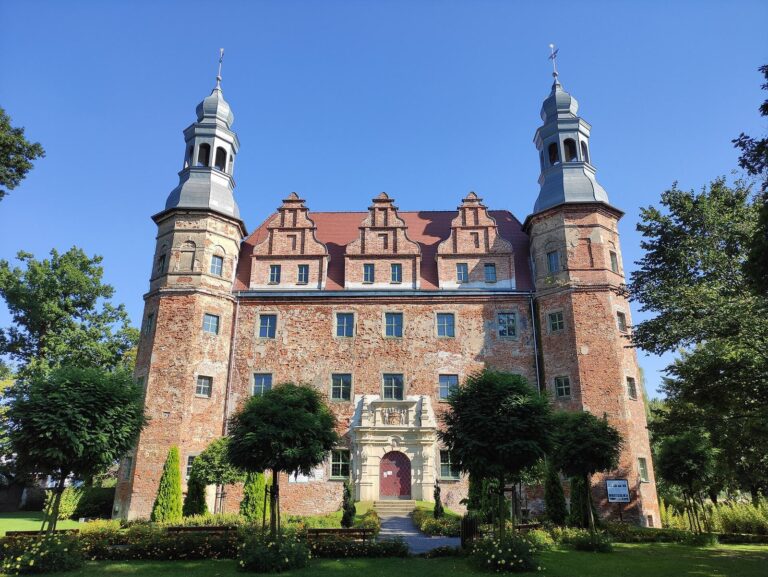
The Palace in Większyce, Poland, was completed in 1871 with Neo-Gothic and Neo-Renaissance elements, nineteenth-century revivals of Gothic and Renaissance architecture. Its style is also associated with the later nineteenth-century period of rapid economic and building growth in German-speaking Central Europe.
Heimann estate and palace
Max Heimann owned the estate from 1852 and established its landscape park. The palace was completed in 1871, during his ownership.
Later ownership and changing uses
The estate passed to Emil Pyrkosch in the early 1910s. In 1932, before the Second World War, he sold it to a North Rhine-Westphalian settlement community for social purposes. During the war, the palace housed a military hospital; it later served as a people’s university, an adult-education institution.
The palace has been privately owned since 2003 and houses a restaurant.
Remains
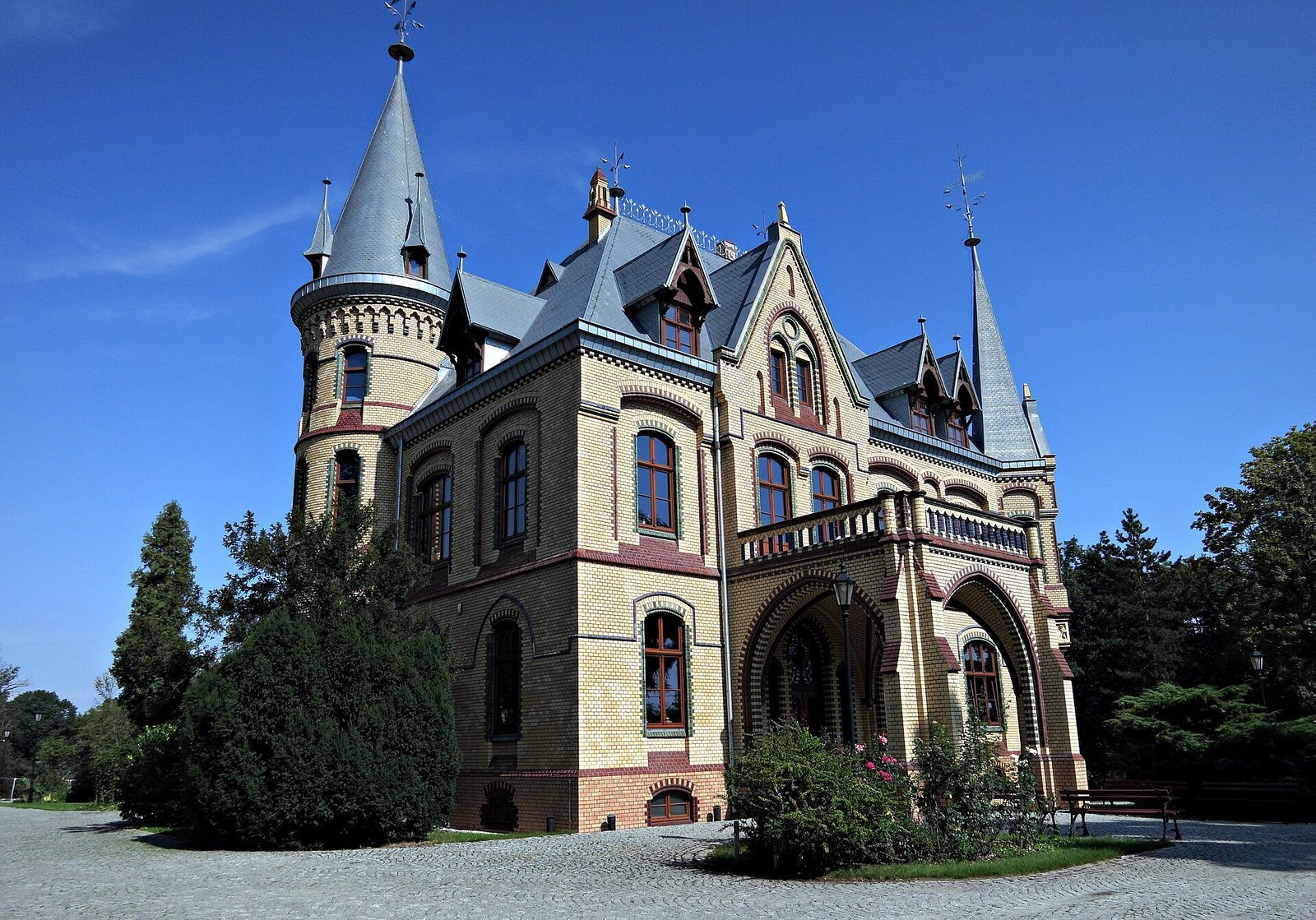
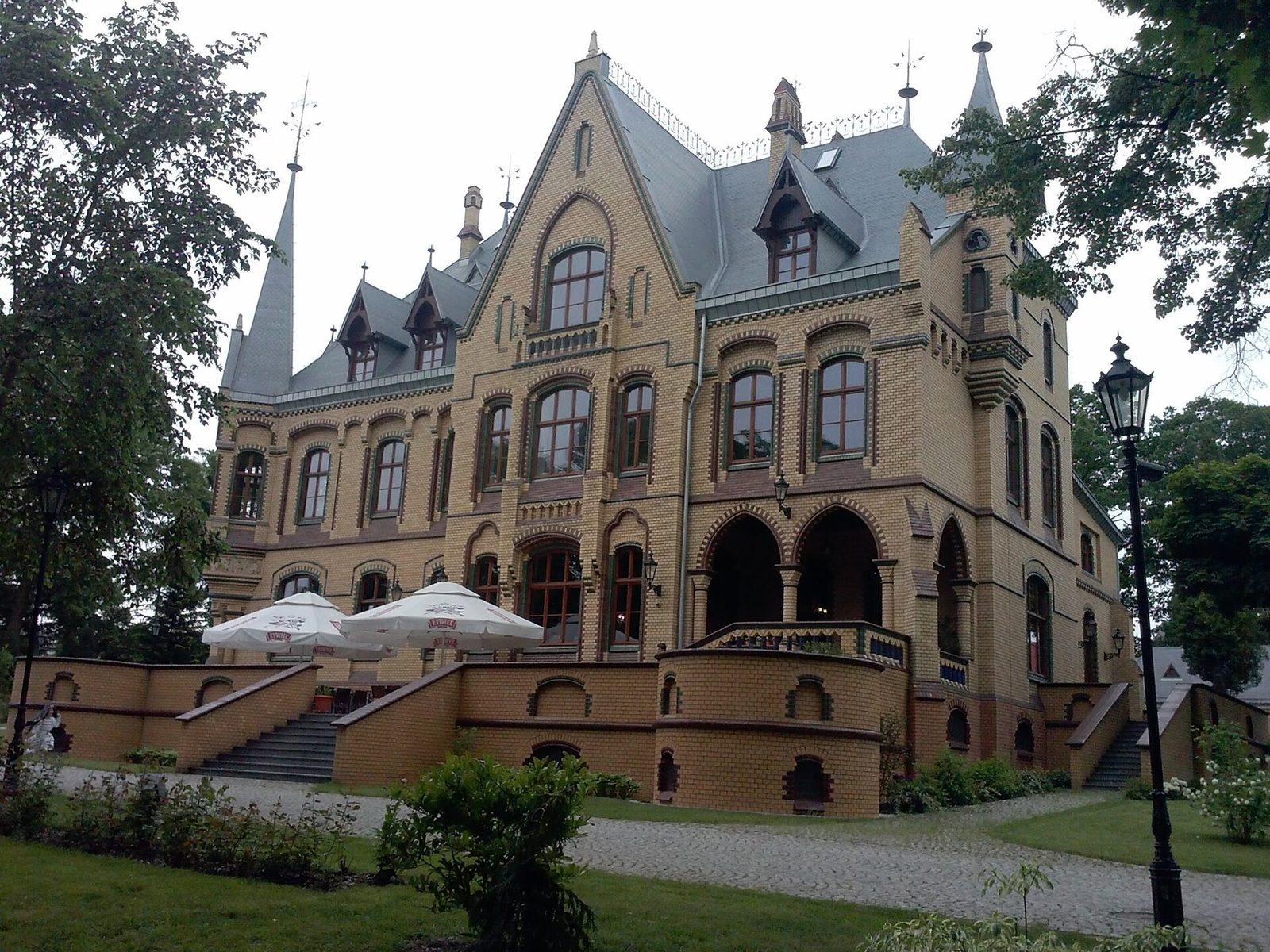
The estate comprises a four-storey palace on an almost rectangular plan, together with a landscape park and an outbuilding. Projecting sections of the façade, a bay window and a round tower shape the building’s exterior.
The palace’s façades are clad in yellow clinker brick. Glazed tiles form a decorative frieze on the corner bay window at the front of the building.