Painscastle Castle: A Medieval Welsh Border Fortress
Site at a Glance
- Popularity
- Medium
- Country
- United Kingdom
- Primary era
- Medieval
- Eras represented
- Medieval
- Civilizations
- English, Norman
- Site type
- Military
- Remains
- Castle
On this page5 sections
History
Early Welsh and Anglo-Norman Control
Painscastle Castle is a medieval stronghold in the village of Painscastle, Powys, Wales, United Kingdom. It was probably first built by the Anglo-Norman lord Pain fitzJohn. After his death in 1137, when a Welsh raiding party killed him, Madog ab Idnerth took control of Elfael, the territory where the castle stands.
The castle remained under Welsh control until about 1195, when William de Braose, 4th Lord of Bramber, captured and refortified it. His wife, Maud de Braose, defended the castle against Welsh forces for several months. In 1196, Rhys ap Gruffudd of Deheubarth defeated the Anglo-Norman border lords known as the Marcher lords at Radnor, about eight miles north, then besieged Painscastle. He did not take it, and the sides agreed to terms. Two years later, Gwenwynwyn ab Owain of Powys besieged the castle with a large army. A force led by Geoffrey fitz Peter, a senior royal officer with judicial and administrative duties, defeated him heavily. The English force had gathered at nearby Hay-on-Wye.
Royal Rebuilding and Later Medieval Control
After William de Braose fell out with King John and fled England in 1208, the king took possession of his lands and castles. Iorwerth Clud, a Welsh ally of the de Braose family, apparently occupied Painscastle in 1215. He submitted to John the following year and received the lordship of Elfael, which he held until his death in 1222. The Welsh then renewed their allegiance to Llywelyn ap Iorwerth, and the castle was attacked and destroyed.
In 1231, King Henry III and Hubert de Burgh rebuilt the castle in stone as part of a campaign against Llywelyn the Great. Ralph Tosny claimed it in 1233, and the Tosny family held it until Llywelyn ap Gruffudd took it from Roger Tosny in 1265. Another Ralph Tosny recovered and rebuilt the castle in 1276.
The castle later passed to the Beauchamp family, Earls of Warwick. In 1401, while the Beauchamps held it for King Henry IV, they refortified it during the major Welsh rebellion led by Owain Glyndŵr.
Remains
Castle Site and Earthworks
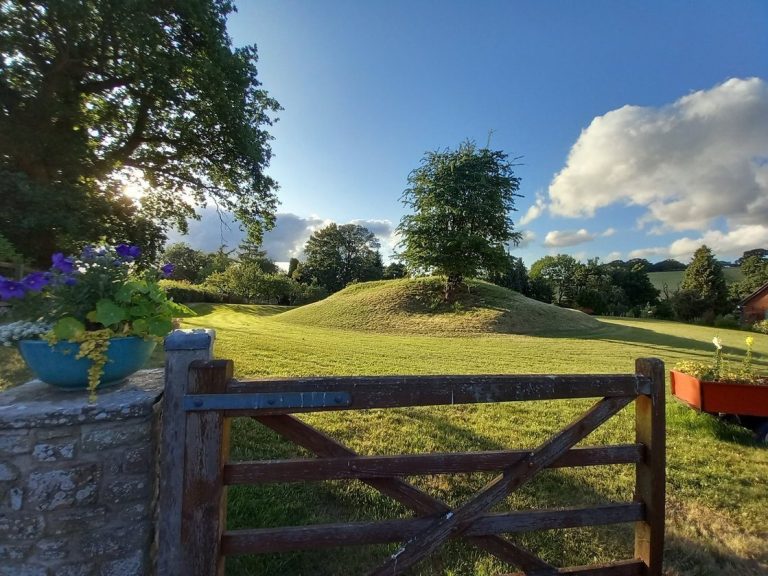
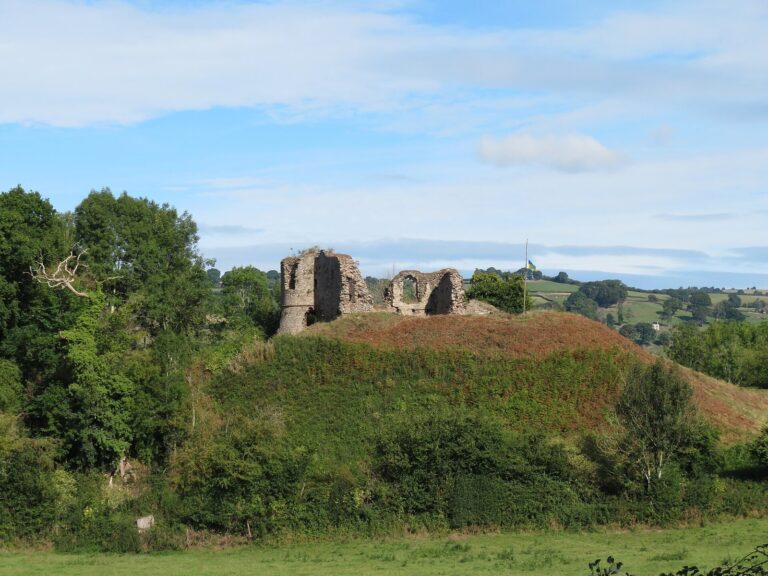
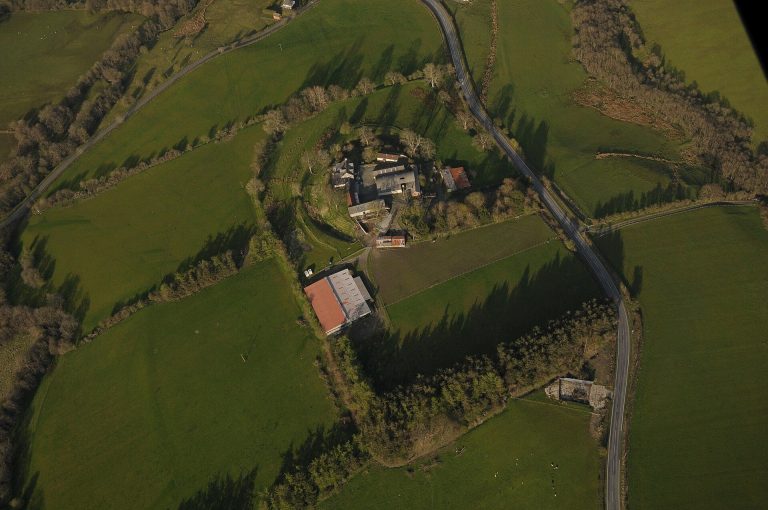
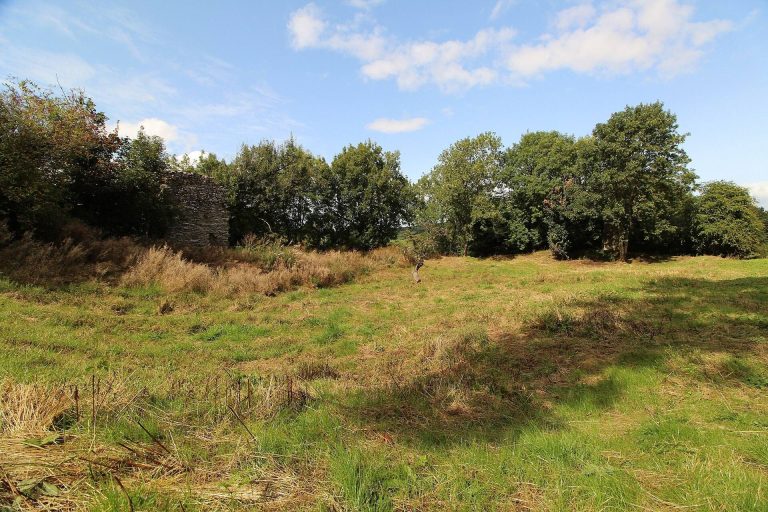
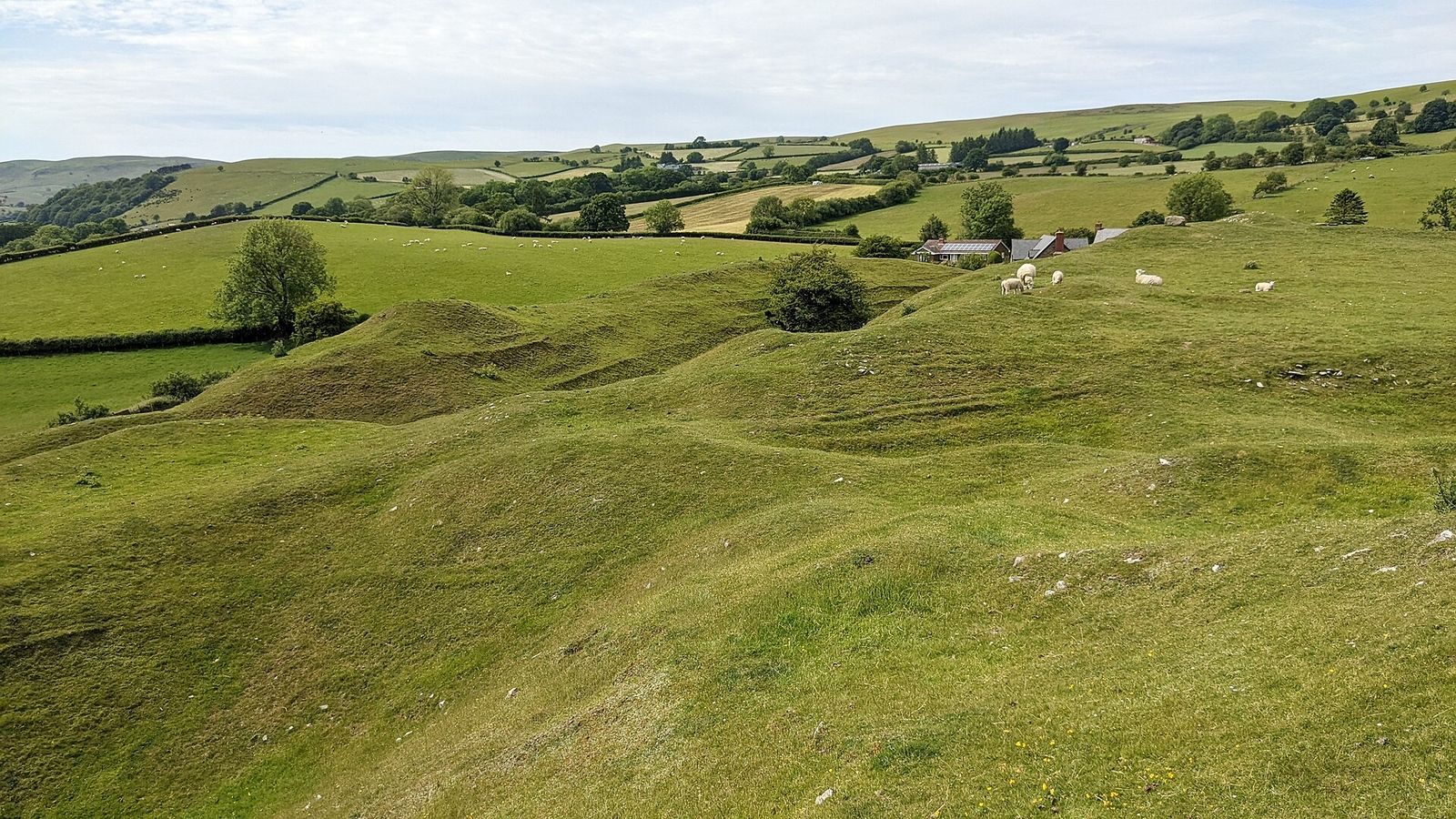
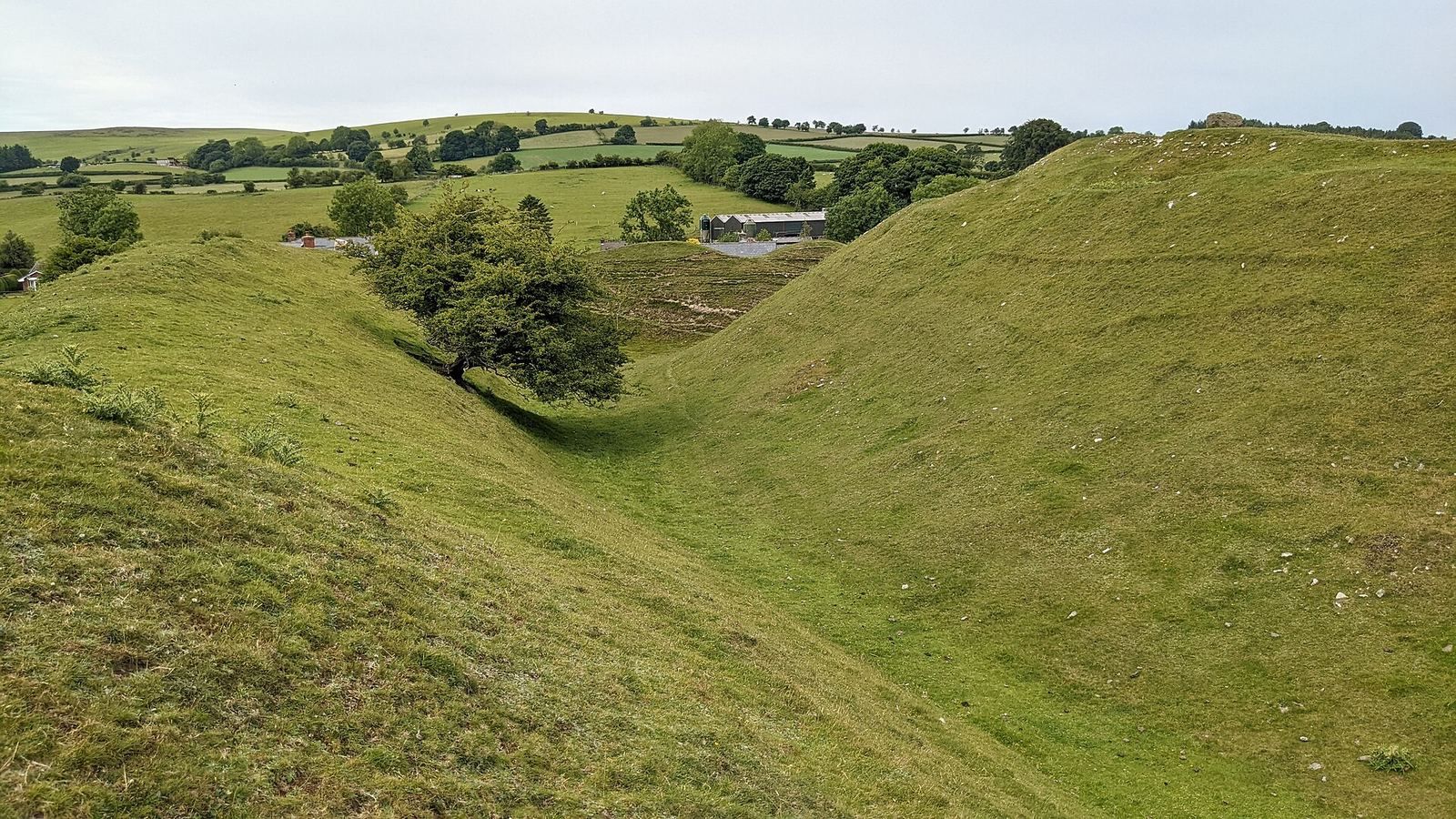
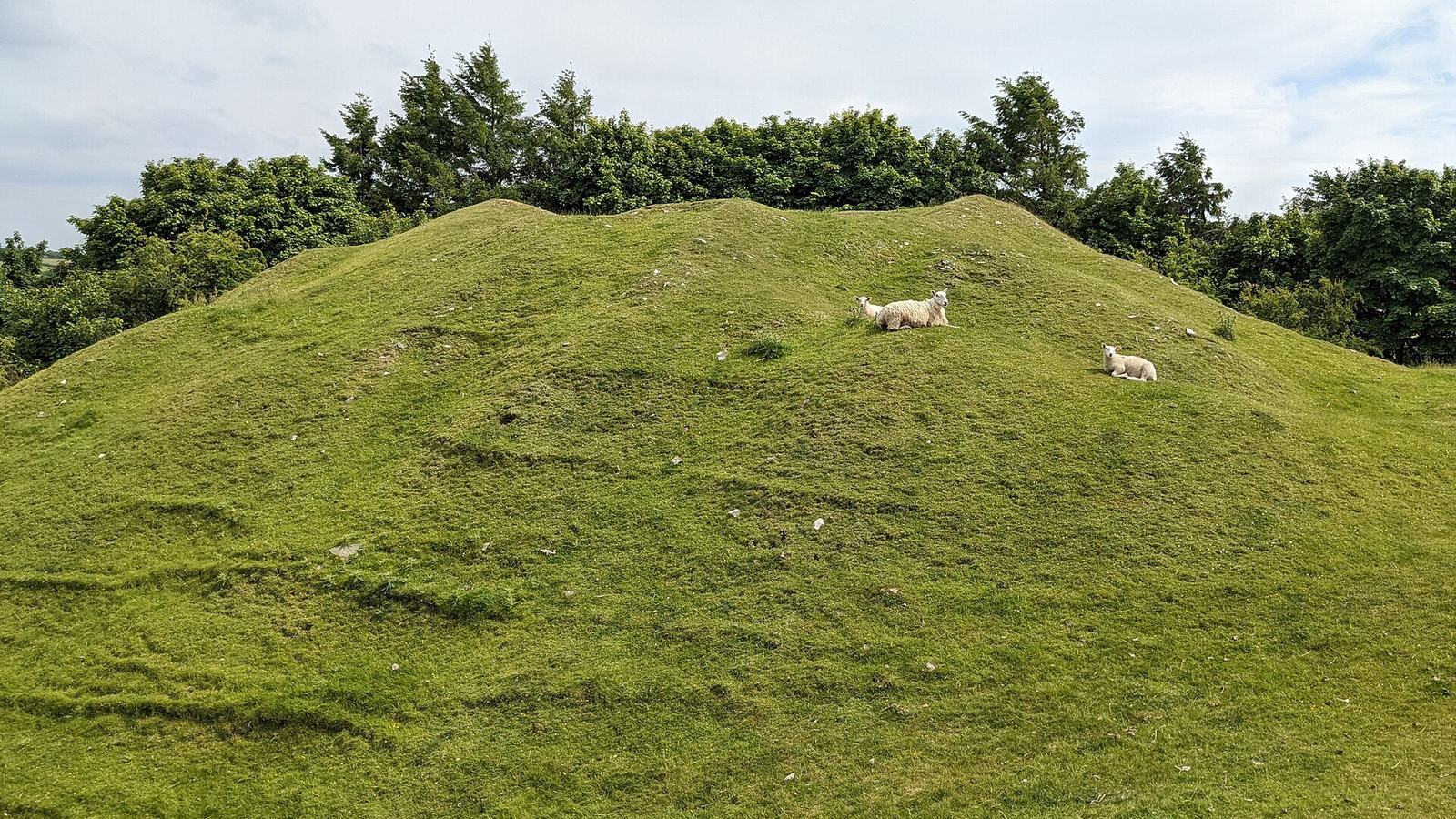
The castle occupies a naturally defensible site and has a rectangular ground plan. Its surviving remains are dominated by massive earthworks, defensive features formed by shaping or piling earth. The site may also preserve remains of a much earlier Roman fort, and Roman artifacts have been found there.