Ōyasuba Historic Park: A Burial-Mound Archaeological Park in Japan
Site at a Glance
- Popularity
- Low
- Country
- Japan
- Primary era
- Classical
- Eras represented
- Classical, Medieval, Modern
- Civilizations
- Japanese, Yamato
- Site type
- Burial
- Remains
- Burial Mound
On this page7 sections
History
Discovery and historical importance
Ōyasuba Historic Park is an archaeological park in Koriyama, Fukushima Prefecture, Japan, centered on burial mounds associated with the Kofun period, an era of early Japanese history conventionally dated from the third through seventh centuries.
The group’s No. 1 mound was discovered in 1991. Its investigation established the site’s importance for understanding the political and social history of southern Tōhoku during the Kofun period.
Protection and park development
Ōyasuba was designated a national historic site on 6 September 2000. The designation prompted protective measures for its mounds and plans to develop them together with nearby burial mounds. Ōyasuba Historic Park opened on 4 April 2009.
Remains
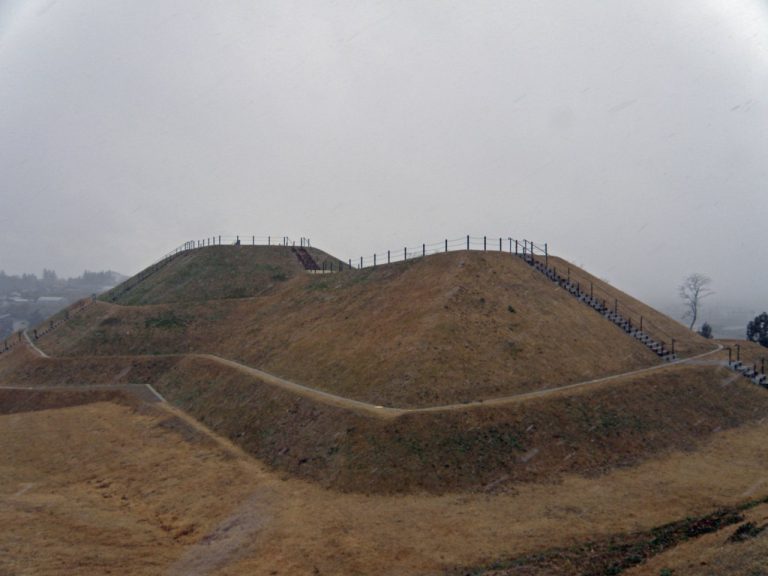
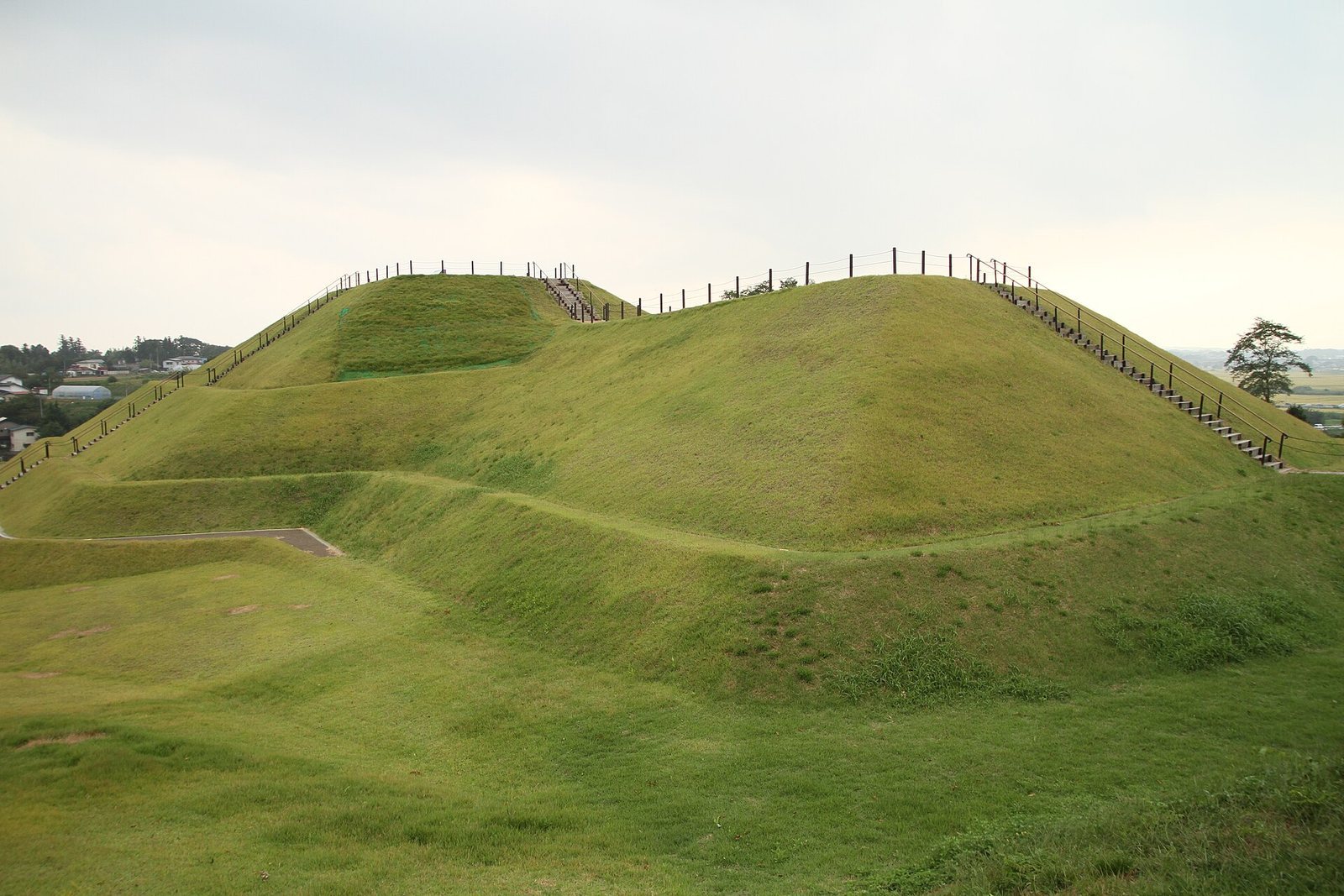
The 6.5-hectare park includes two burial mounds alongside interpretive and activity facilities. The No. 1 mound has square sections at both ends, a form known as square-front, square-rear. It is one of the largest burial mounds in the Abukuma River basin and the largest of this type in Tōhoku. Both the No. 1 and No. 2 mounds have been developed to allow people to climb to their summits.
Learning and activity facilities
Interpretive center
The interpretive center contains an exhibition room, a video room, a hands-on learning room, an entrance hall, and a lecture room. Finds from the burial mounds are displayed there.
Outdoor activity and play areas
Outdoor areas include Adventure Plaza, Experience Plaza, Discovery Hill, and an Ancient Stage. The park also has facilities for pottery firing and cooking outdoors. Playground installations added in 2017 include a roofed sandbox, a cushion mound shaped like pottery, and a jungle gym designed to resemble a pit dwelling.