Ovdan: A Fourteenth-Century Underground Water Reservoir in Baku
Site at a Glance
- Rating
- 4.4
- Popularity
- Very Low
- Country
- Azerbaijan
- Primary era
- Medieval
- Eras represented
- Medieval
- Civilizations
- Shirvanshah
- Site type
- Infrastructure
- Remains
- Cistern
On this page5 sections
History
Construction and Water Supply
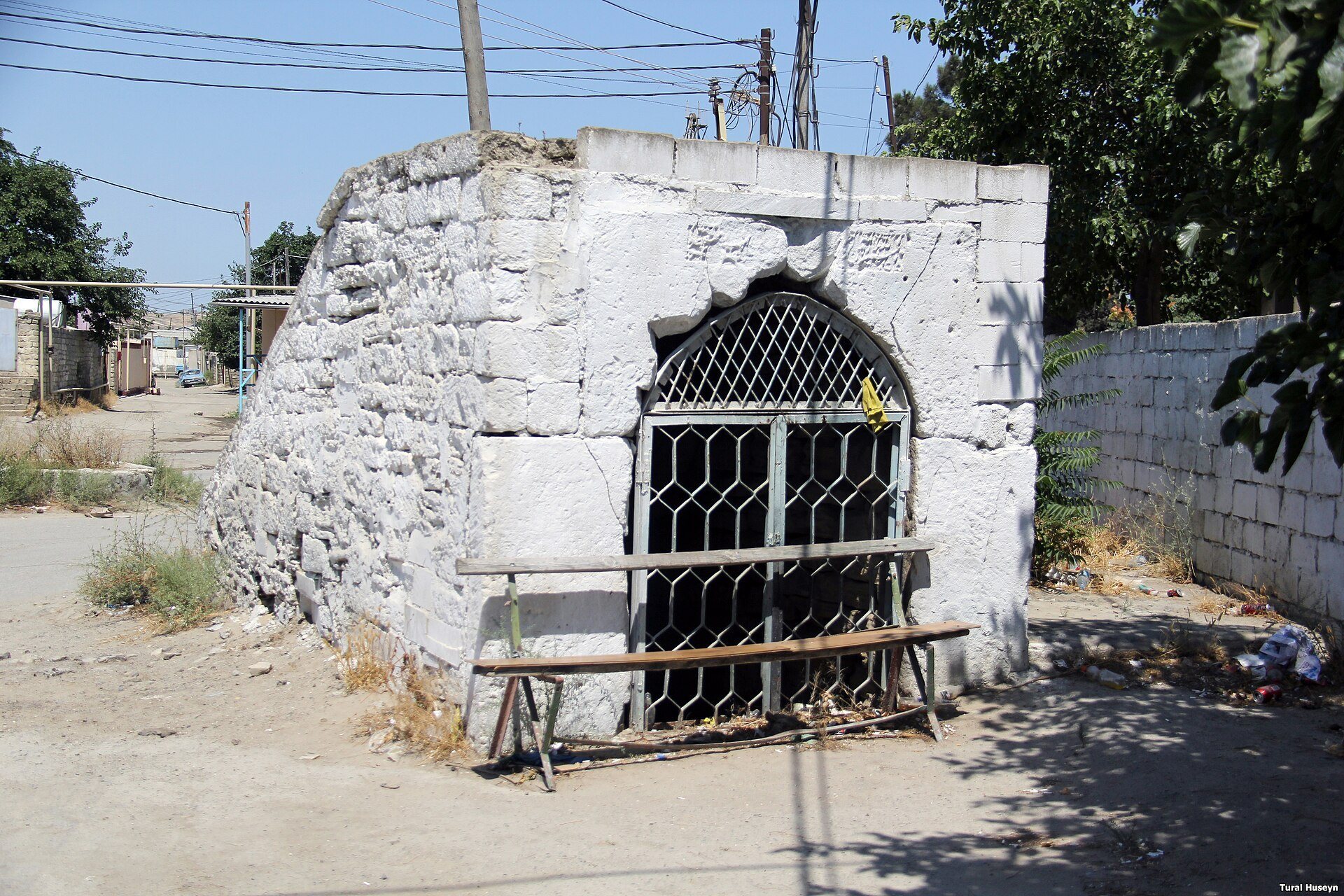
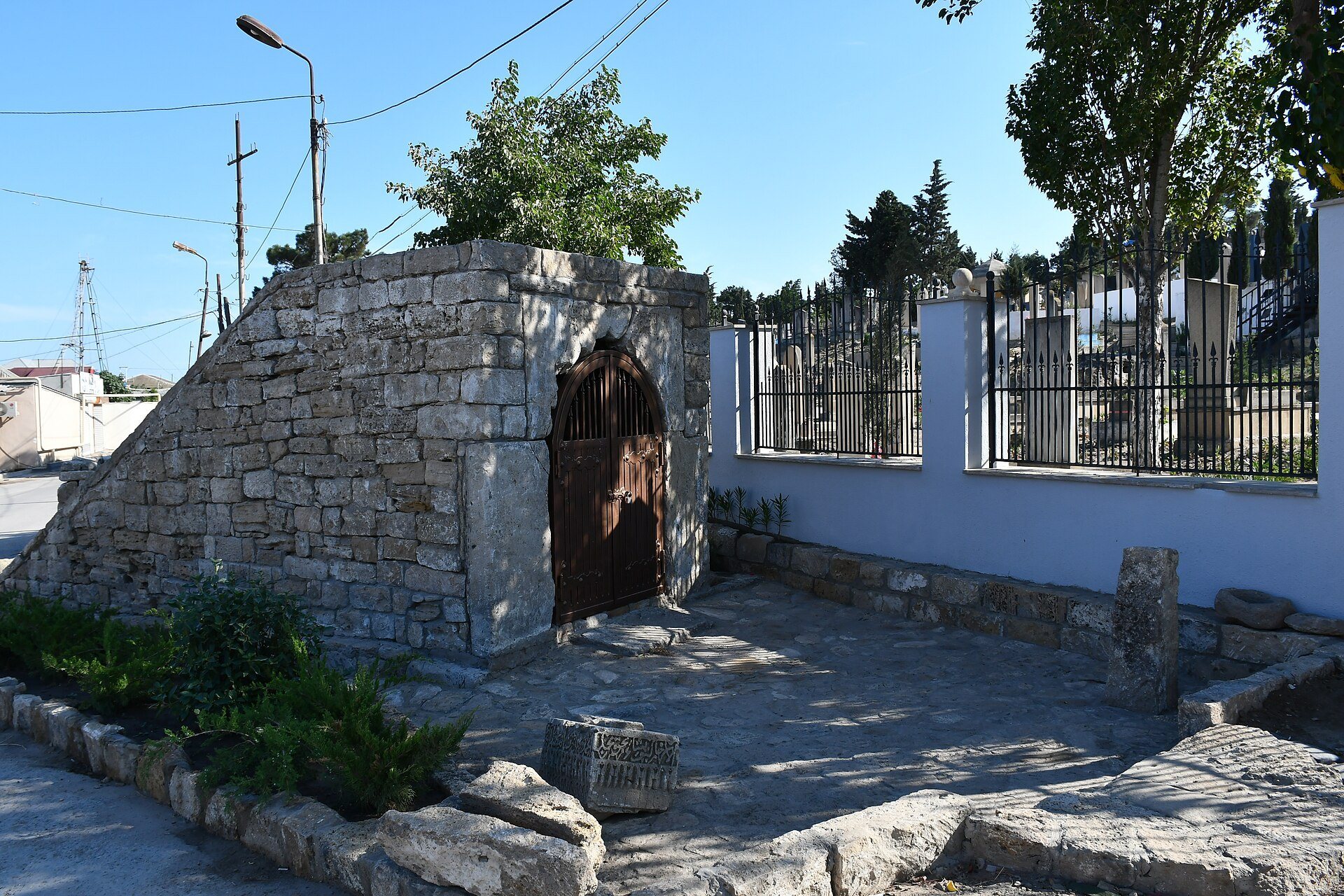
Ovdan is an underground water reservoir in the Balakhany settlement of Baku, Azerbaijan. It was built in the fourteenth century by order of Khaja Zeynaddin, an emir of the Shirvanshahs, the ruling dynasty of Shirvan in the eastern Caucasus. The reservoir supplied Balakhany with drinking water and is believed to have served the Sand Bath during the earliest period after its construction.
Later Use and Conservation
Ovdan remained in use by the local population until the occupation of Baku in April 1920. It was then neglected for many years. Restoration began in 2019, and the reservoir had already received legal recognition as a locally significant immovable historical and cultural monument under Resolution No. 132 of the Cabinet of Ministers of the Republic of Azerbaijan, dated 2 August 2001.
Remains
Subterranean Reservoir
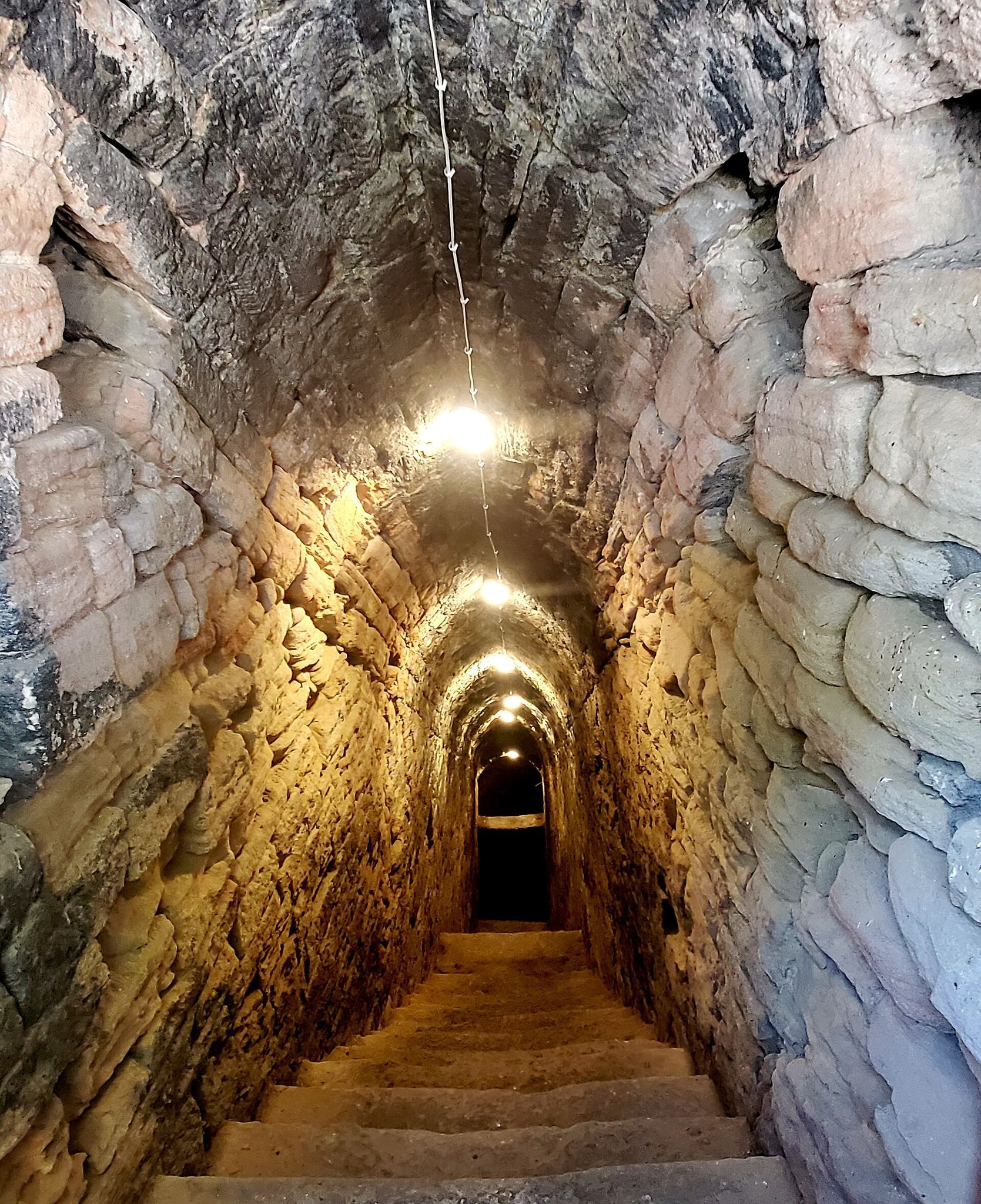
Ovdan is a relatively shallow water-storage structure, with most of its form concealed below ground and only a small portion projecting above the surface. Access is through a sloping passage rather than a vertical well. Forty steps descend from the entrance to the water source, and the staircase is cut directly into the bedrock. The distance from the entrance to the source is 15 metres.
The underground passage forms an arched corridor. Its shape helps reduce the risk of collapse from the pressure of the soil above. The staircase is comparatively high and resembles the staircase structure associated with the Palace of the Shirvanshahs, linking the reservoir’s construction with architectural forms used in the period.