Oude Lutherse Kerk: A Lutheran Church in Amsterdam
Site at a Glance
- Rating
- 4.5
- Popularity
- Medium
- Country
- Netherlands
- Primary era
- Early Modern
- Eras represented
- Early Modern, Modern
- Civilizations
- Dutch
- Site type
- Religious
- Remains
- Basilica
On this page8 sections
History
Founding and early use
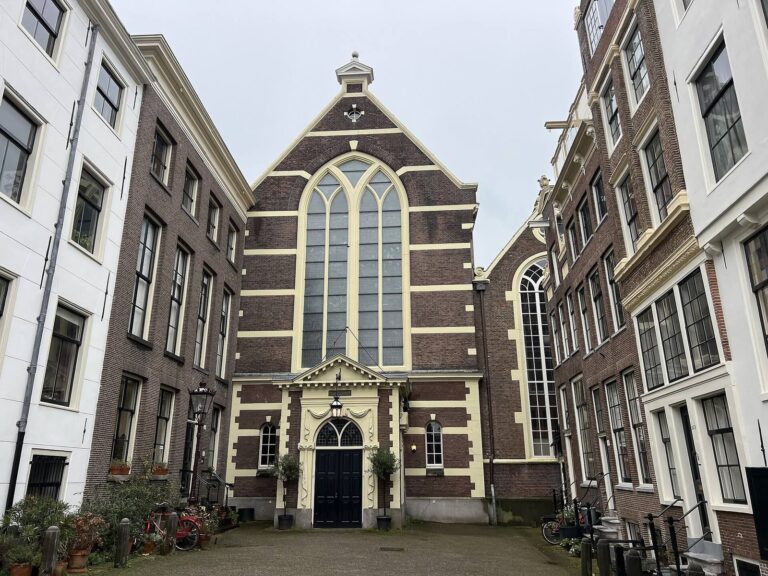
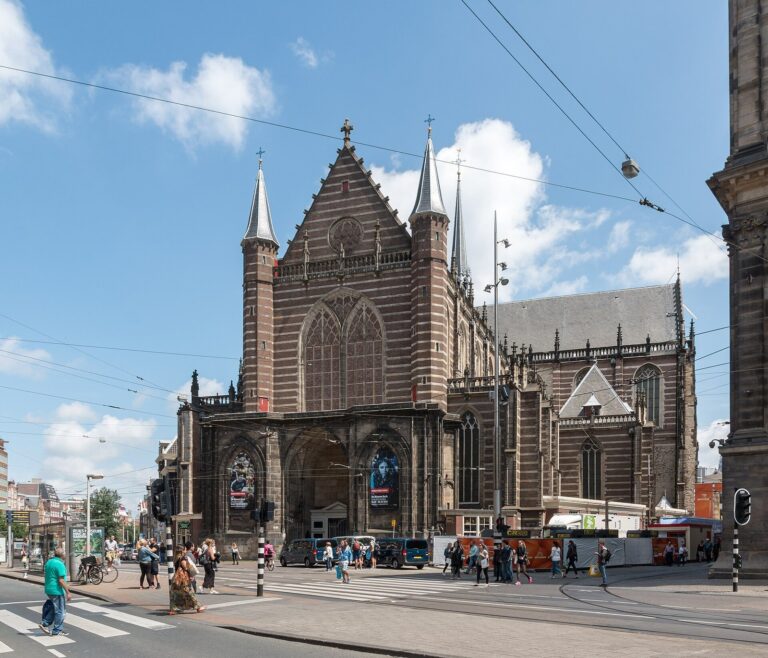
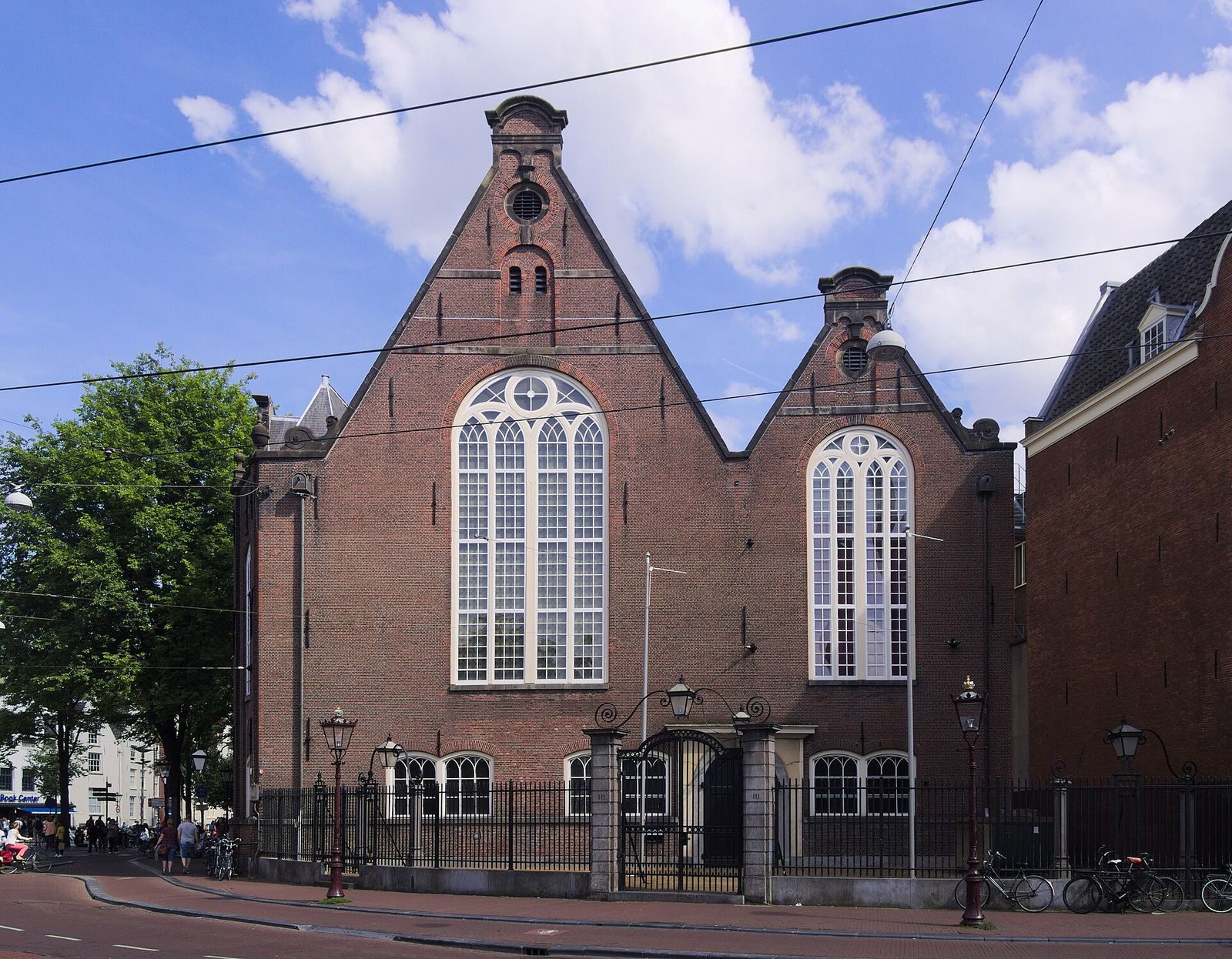
The Oude Lutherse Kerk is a Lutheran church in Amsterdam, Netherlands, built in 1632–1633 in a Classicist style with Baroque elements. Lutheran worship, part of a Protestant tradition associated with Martin Luther, began on the site in 1600 in a warehouse called De Vergulden Pot. The congregation gradually enlarged its premises by acquiring neighboring buildings.
In 1631, Amsterdam’s authorities approved the construction of a church in place of seven buildings. Wessel Becker and Willem van Daelen directed the work, and the church was consecrated and opened for use in 1633. It acquired the name Oude Lutherse Kerk, or “Old Lutheran Church,” in 1671, after a new Lutheran church was built in Amsterdam.
Later uses and restoration
In 1790, the Society for the Public Good, a Dutch association devoted to public benefit, held its first general meeting in the church. Foundation subsidence led to a major restoration in 1925 under architect Abel Antoon Kok.
As regular attendance declined, the church council decided in 1961 to lease the church and adjoining buildings to the University of Amsterdam. Religious services continued alongside other uses. On weekdays, the university uses several rooms, including the church as an auditorium. A restoration from 1984 to 1986 substantially returned the interior to its earlier appearance. The church is protected as a Dutch national monument.
Remains
The church complex
At Singel 411, on the corner of the Singel canal and Spui, the church has an irregular ground plan and a rectangular interior. It is a basilica, a type of church building, with Classicist design and Baroque elements.
Main church building
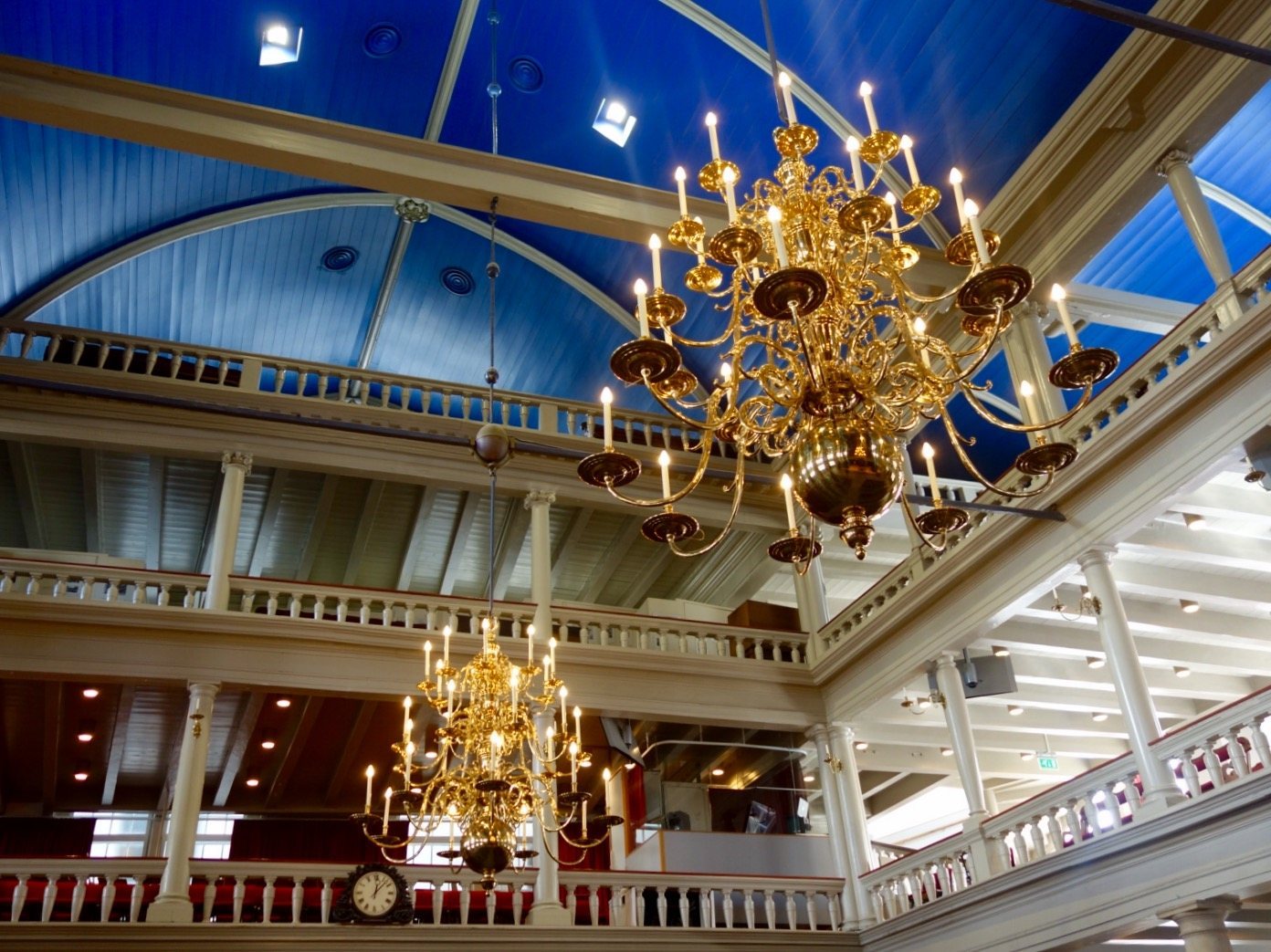
Galleries encircle the interior and rest on Ionic and Tuscan columns, two classical column styles. Doric columns support the roof structure. The pulpit dates to 1640, while the original leaded-glass windows were replaced in 1774. During restoration, grave slabs were lifted, graves cleared, and unnecessary wood panelling removed.
Organ
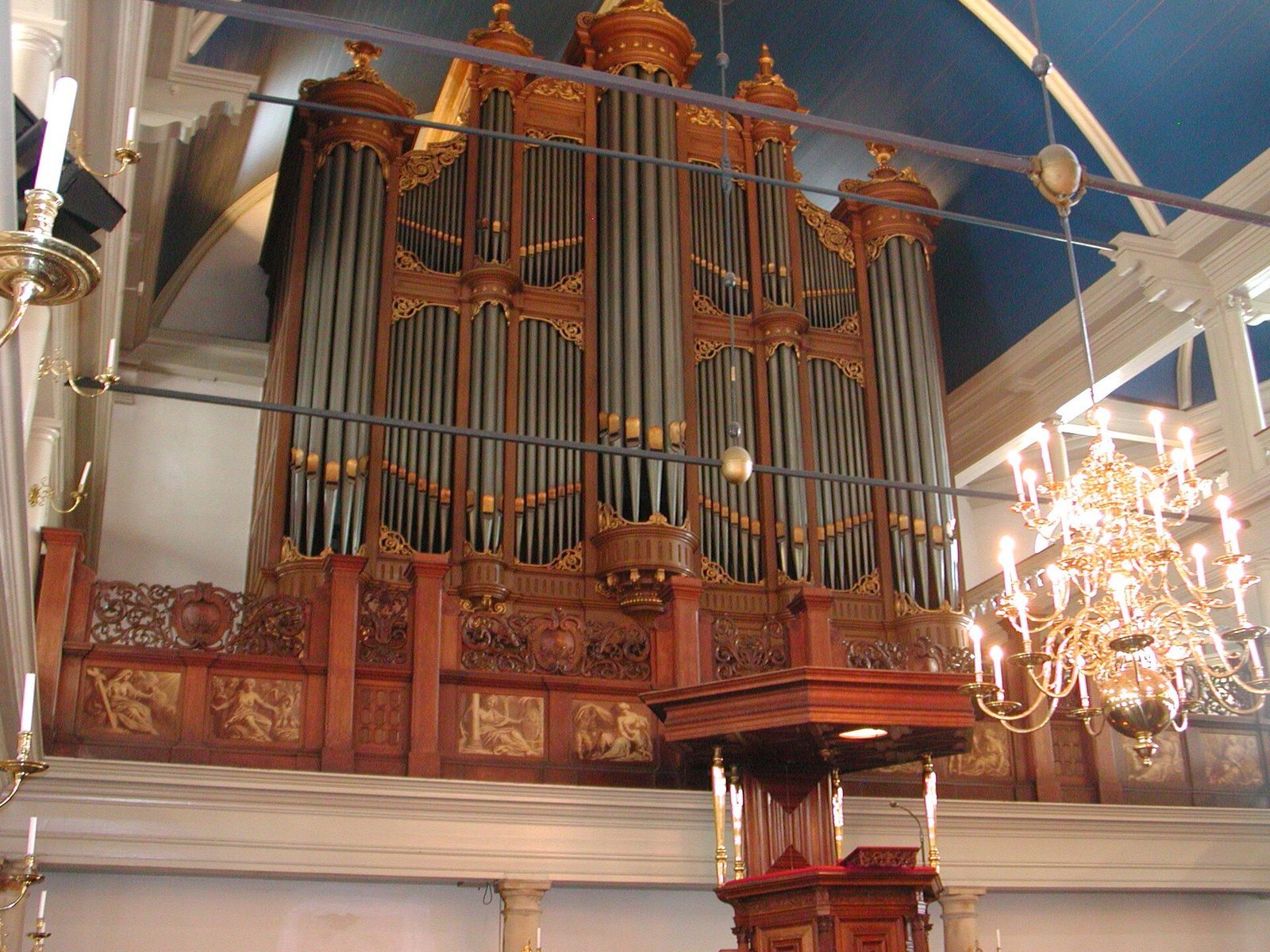
The church’s organ was built in 1886 by Johan Frederik Witte of Bätz & Co. It has three hand-operated keyboards, 41 stops that control the sound, and an independent pedal played with the feet. It replaced a 1690 organ by Johannes Duyschot, based on an instrument Jan Norel made in 1658. The 1690 organ was sold to the Nieuwe Kerk in Middelburg in 1886. Flentrop thoroughly restored the Witte organ from 1993 to 1995.
Library annex
An adjoining annex designed by architect Karel P.C. de Bazel houses the Tetterode Library.