Ottagono Ca’ Roman: A Venetian Lagoon Fort
Site at a Glance
- Popularity
- Medium
- Country
- Italy
- Primary era
- Early Modern
- Eras represented
- Early Modern, Modern
- Civilizations
- Austrian Empire, German, Habsburg, Venetian
- Site type
- Military
- Remains
- Fort
On this page7 sections
History
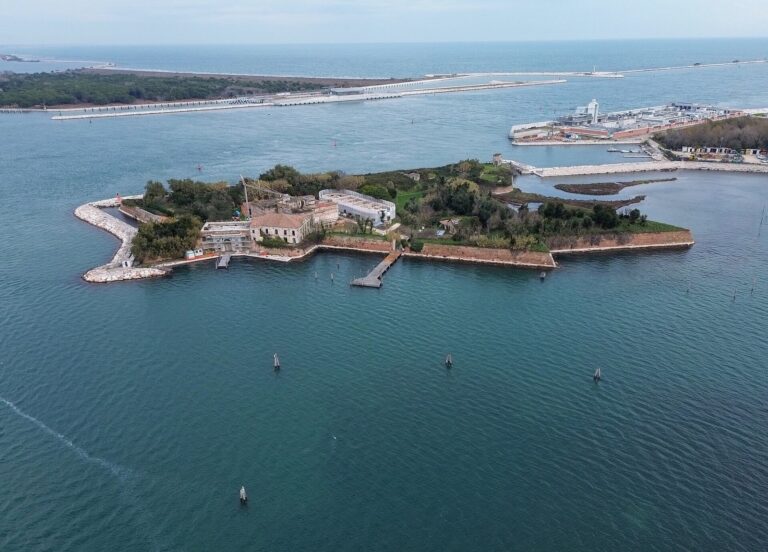
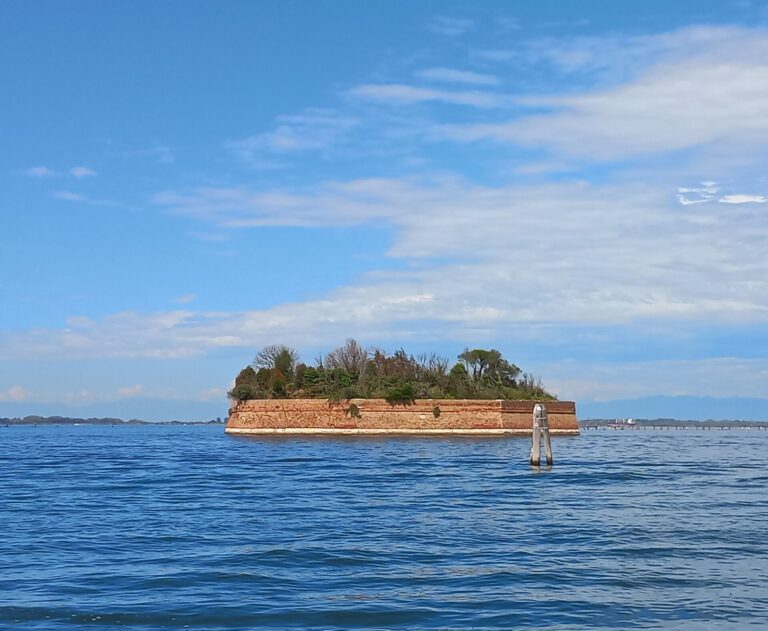
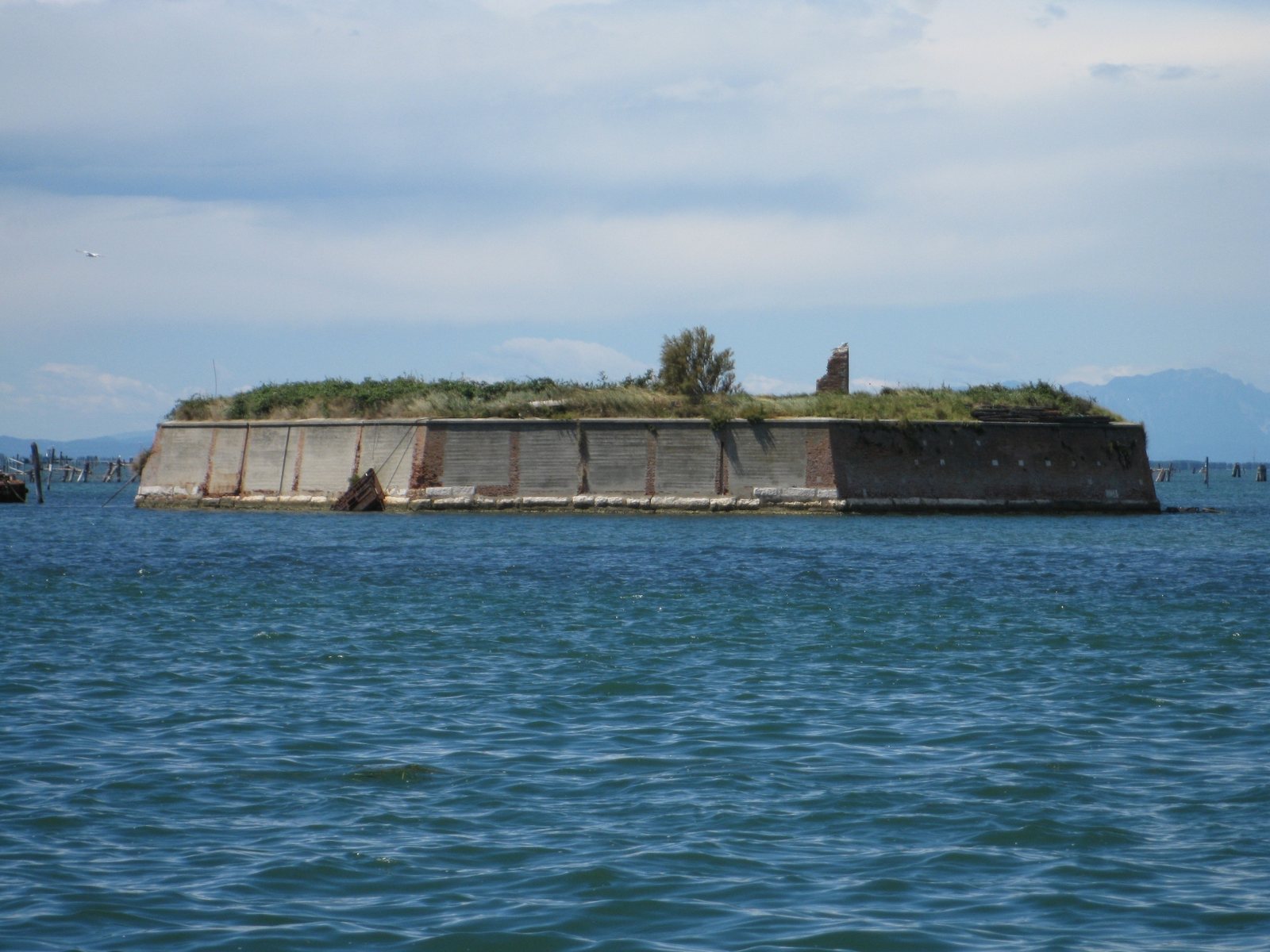
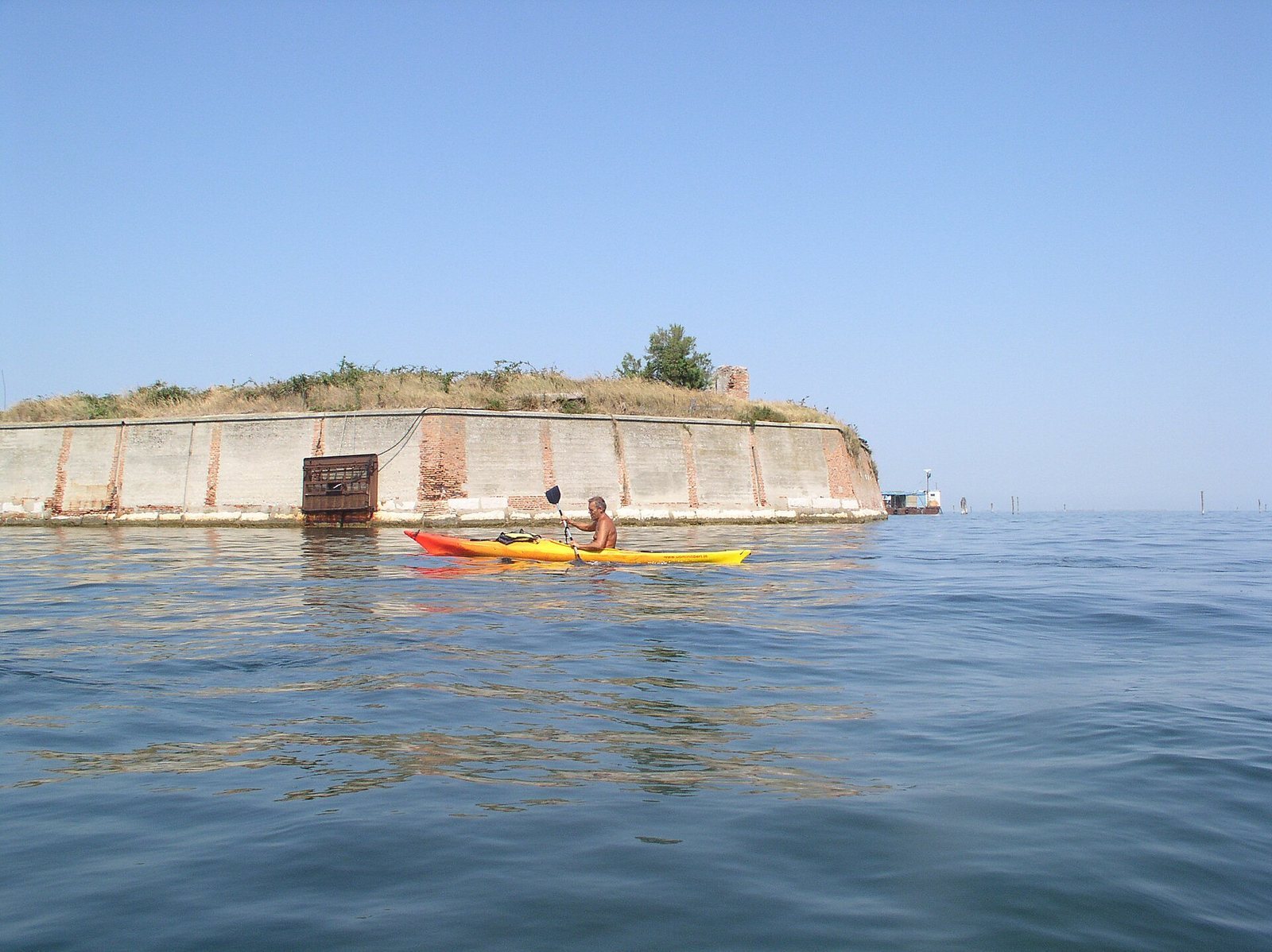
Ottagono Ca’ Roman is an octagonal Renaissance Venetian fort on an island in the southern Venetian Lagoon, Italy. The Venetian Republic, an independent maritime state governed from Venice, incorporated it into a system of four octagonal forts intended to defend the lagoon from attacks approaching from the Adriatic. The fort guarded the southern entrance, including the passage at Malamocco, one of the lagoon’s sea entrances.
Venetian defenses
Venice’s efforts to secure the lagoon’s entrances took place amid conflict with the Ottoman Empire, a major power with which Venice contested influence in the eastern Mediterranean. The fighting reached a high point in 1571 at the Battle of Lepanto, a major naval clash between the Ottoman fleet and the Holy League, a coalition of Christian states.
The fort was probably built over an earlier defense made of stone and piles. It was strengthened during the War of Candia, the 1646–1669 conflict between Venice and the Ottoman Empire over Crete, then also known as Candia. Afterward, the fort was neglected until modernization resumed in 1726.
French and Austrian rule
After 1797, the Austrians built a fort on the island. French forces incorporated it into their defensive system from 1806 to 1814. During Austrian rule from 1815 to 1866, the fort was strengthened with additional guns and casemates, protected chambers used to house guns, particularly on the side facing the Adriatic. It remained in military use as a fortification until the Second World War.
Decline and wartime use
By 1870, the island was known by its present name, and its decline had already begun. The decline continued afterward. During the German occupation from 1943 to 1945, new bunkers and other military installations were added. The island was never continuously inhabited and is now uninhabited.
Remains
Island and fort structure
The island lies opposite Ca’ Roman near Pellestrina and covers about 2,023 square metres. The surrounding area is considered one of the best-preserved ecological sections of the lagoon. The fort has an octagonal layout and Renaissance Venetian style. Stone and brick construction is combined with earthen ramparts.
Visible military remains
A guard post and a Second World War bunker remain visible on the island. At its centre is a circular platform of reinforced concrete, probably built during the Second World War and likely used as an artillery position. The fort is abandoned and severely degraded, and many of its structures are unstable.