Old Town Hall: Bratislava’s Historic Municipal Complex
Site at a Glance
- Popularity
- Medium
- Country
- Slovakia
- Primary era
- Medieval
- Eras represented
- Medieval, Early Modern, Modern
- Civilizations
- Austria-Hungary, Habsburg, Hungarian
- Site type
- Civic
- Remains
- Town Hall
On this page10 sections
History
The Old Town Hall is a municipal complex in Bratislava, Slovakia. It is described as Slovakia’s oldest city hall and one of the oldest stone buildings still standing in Bratislava.
Medieval civic origins
The main building dates to the 14th century, when Jacobus II, also known as Jakab or Jakub, served as mayor, the head of the town government. In the 15th century, three townhouses were joined to form the wider complex, which was completed in Gothic style. The site served as Bratislava’s town hall from the 15th century until the late 19th century. At various times, its buildings also housed a prison and a mint, and were used for trade, celebrations, the city arsenal, and the municipal archive.
Rebuilding and additions
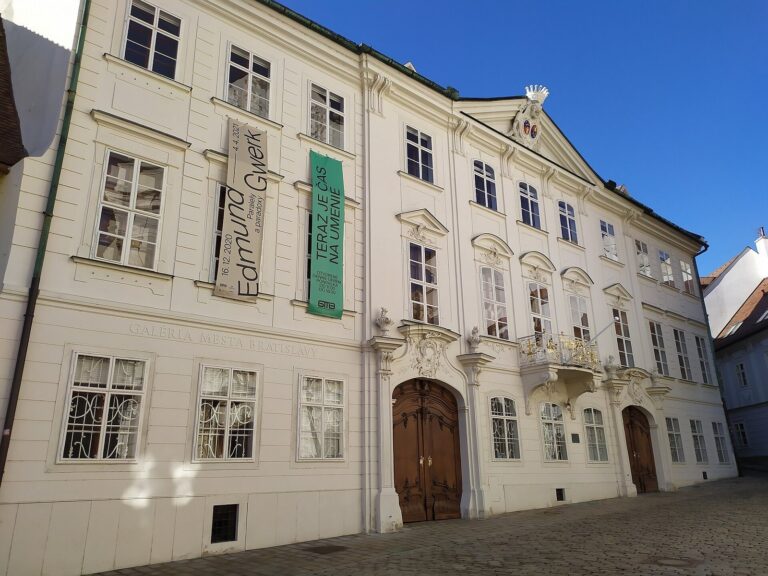
Earthquake damage led to a reconstruction in 1599, when the hall was remodeled in Renaissance style. Following a fire in the 18th century, the tower was restyled in Baroque fashion. In 1761–1762, the Hungarian aristocrat György Apponyi built a palace on the site of two earlier townhouses.
Later civic and museum use
A new wing combining Neo-Renaissance and Neo-Gothic features was added in 1912, and the complex also underwent renovations during the 20th century. The Bratislava City Museum, founded in 1868 and the city’s oldest museum, is now housed there. The Old Town Hall is designated a Slovak national cultural monument.
Remains
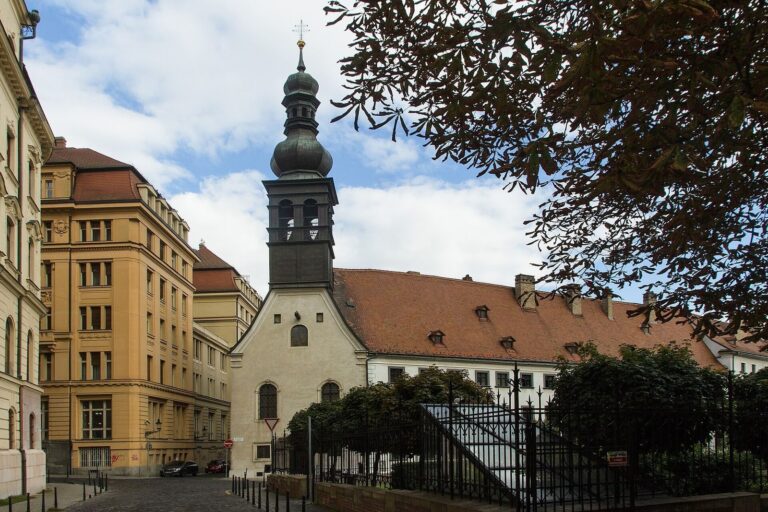
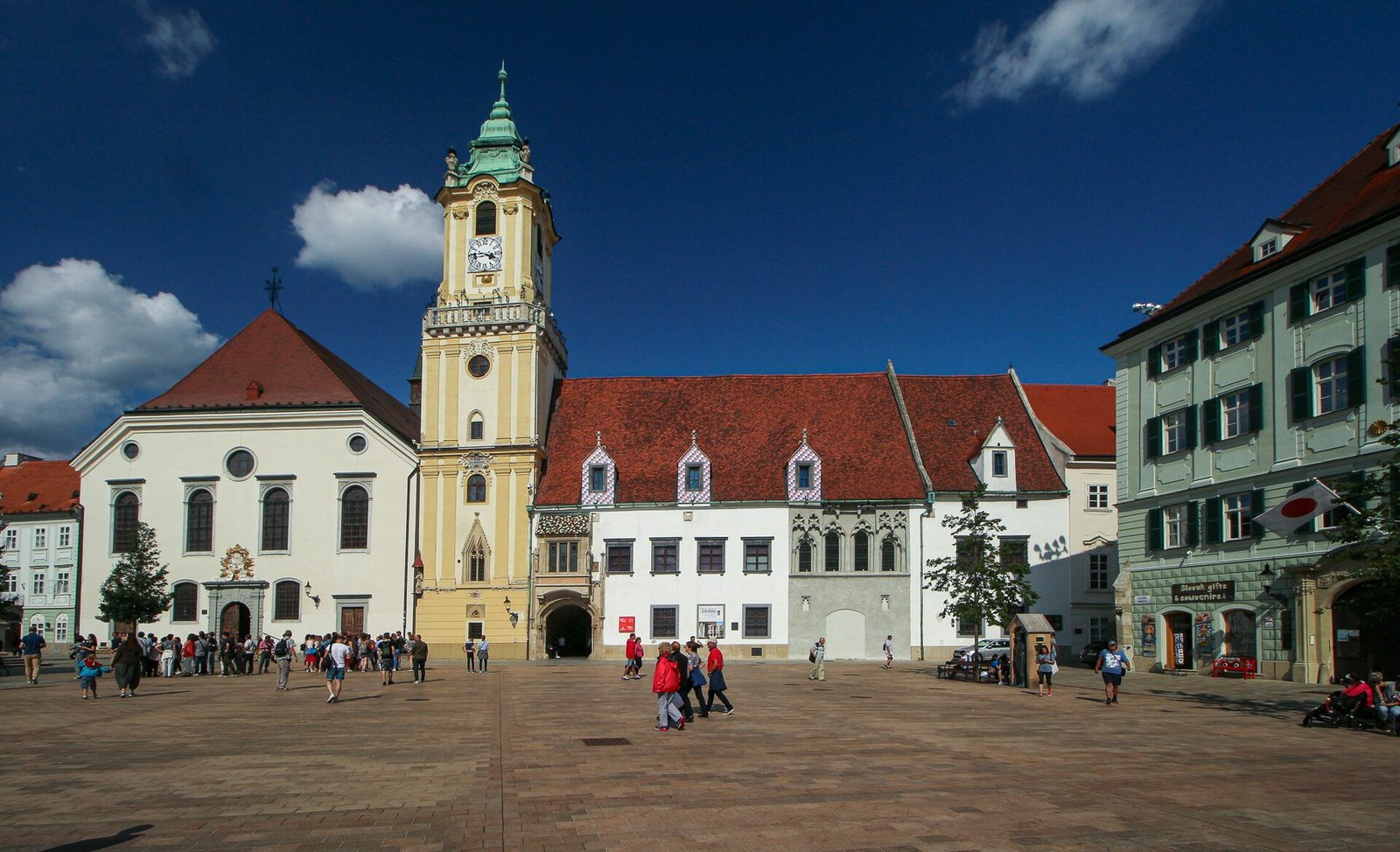
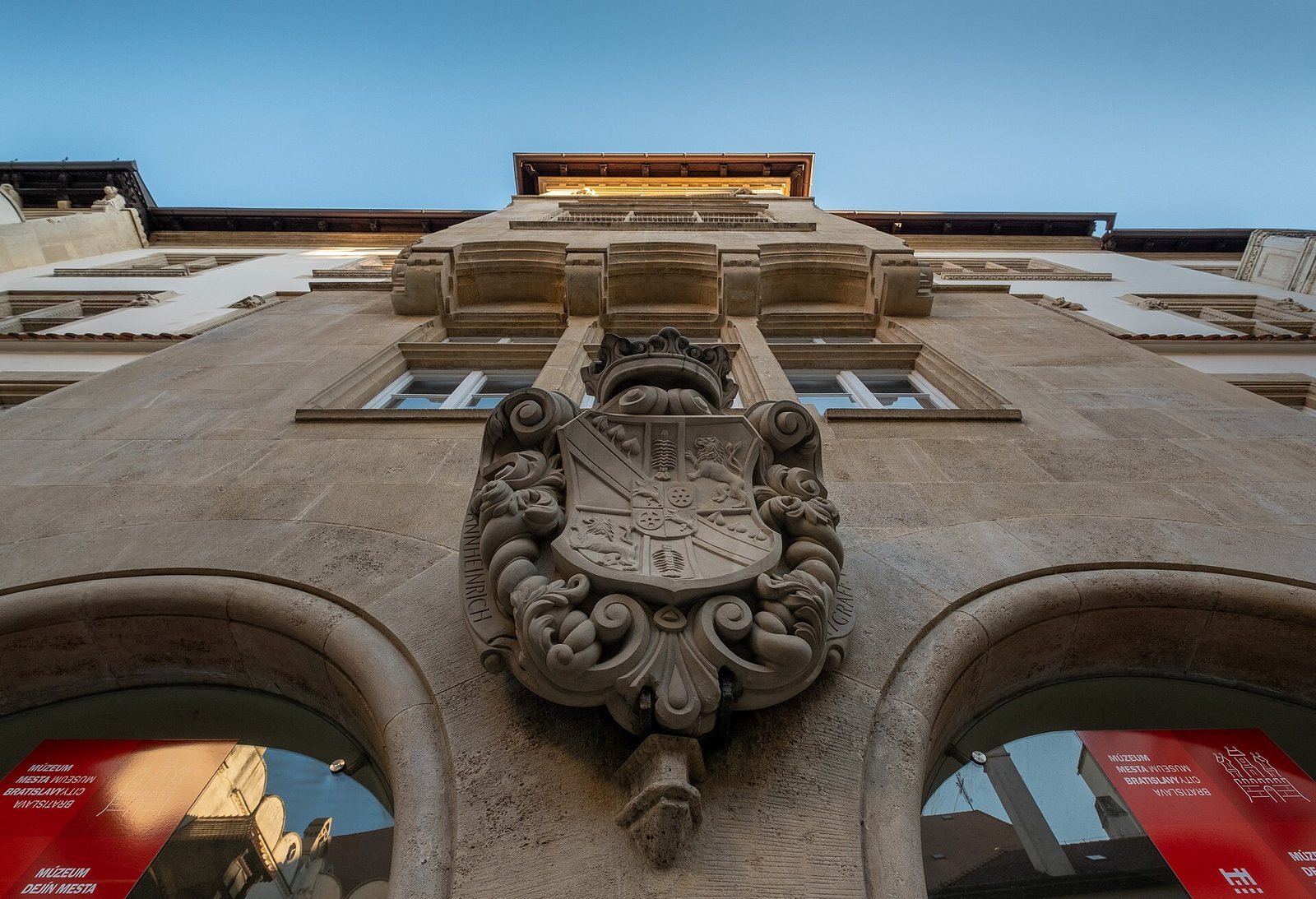
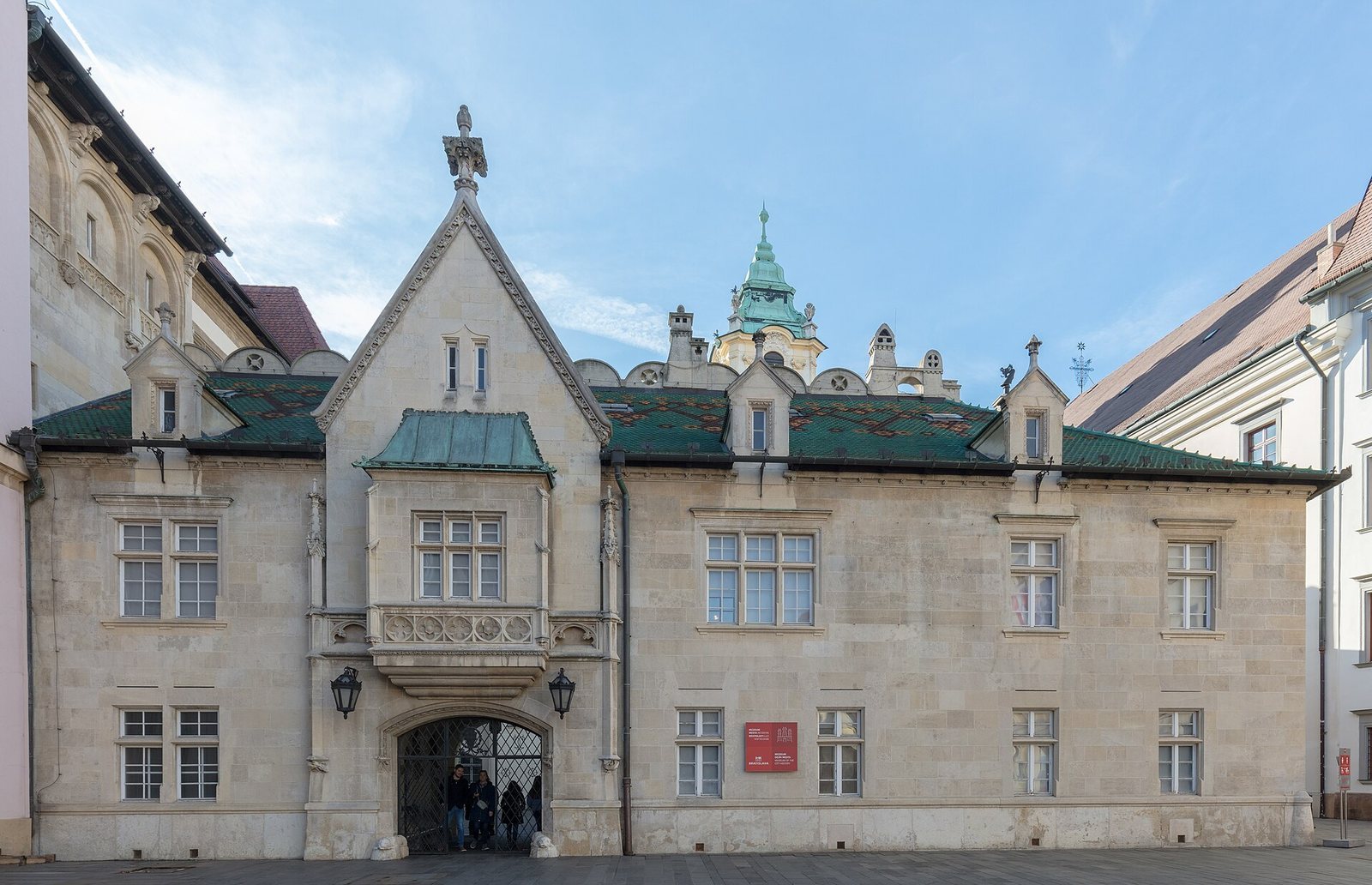
The complex stands between Main Square and Primate’s Square, beside the Jesuit Church. Its buildings bring together Gothic, Baroque, Neo-Renaissance, and Neo-Gothic elements, and the roof is covered with colorful tiles.
Main building and tower
The main building faces Main Square and stands beside the stone tower. The tower’s ground floor was once one metre below the present street level. At one time, the tower held a mechanical clock, a large sphere indicating the phases of the moon, and bells. A cannonball from the 1809 bombardment of Bratislava remains embedded in the tower wall and is visible there today.
Apponyi Palace
Wings and courtyard
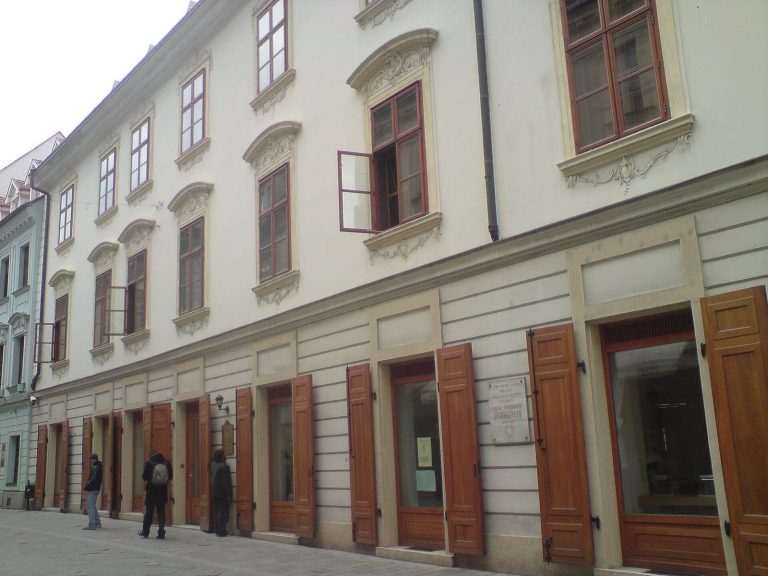
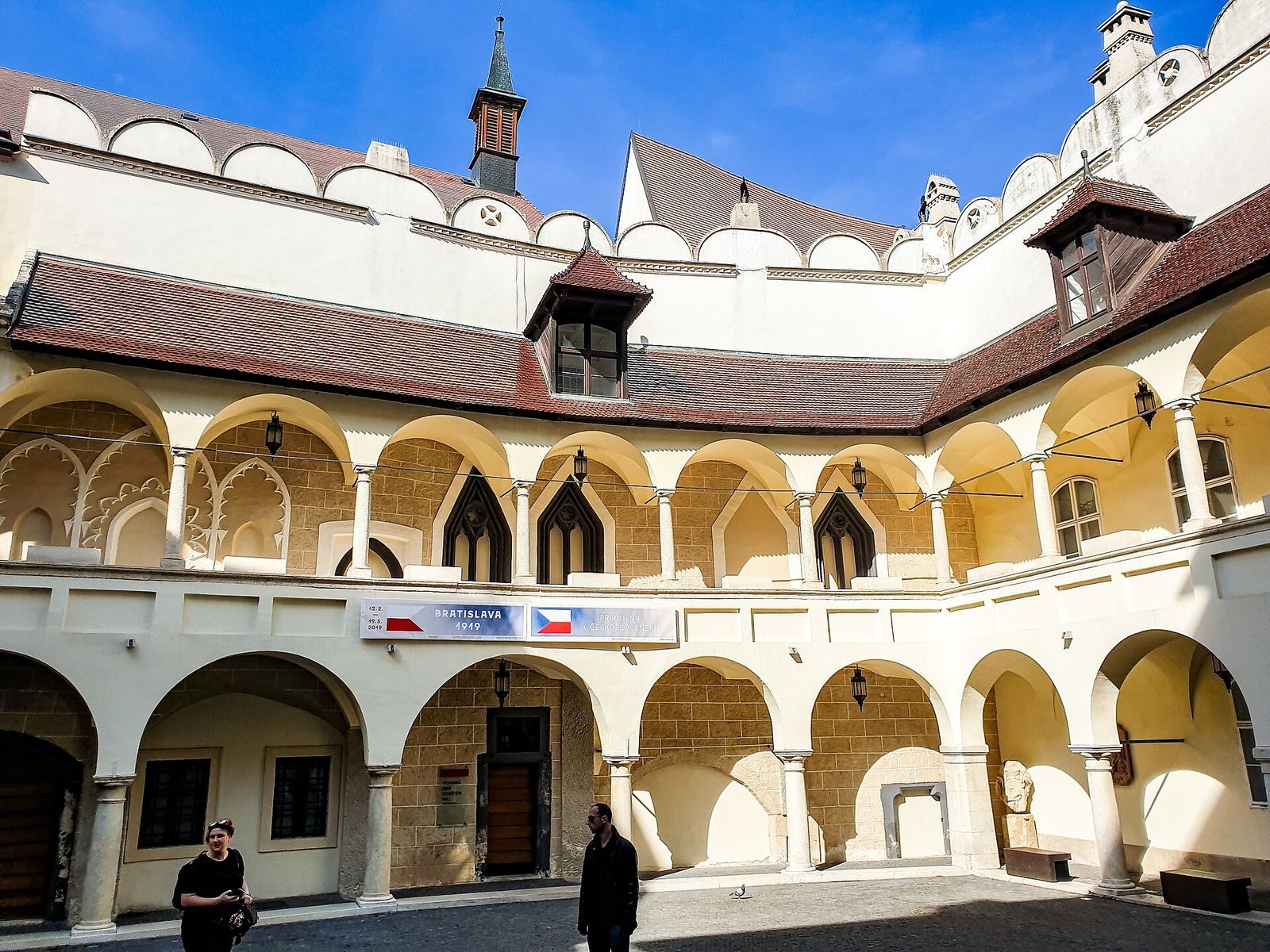
The palace’s western wing and shorter southern wing survive. Until the second half of the 19th century, two servant wings completed a trapezoidal courtyard arrangement alongside them.
Rooms and attic
The ground floor served both residential and storage purposes. Rococo and classical decoration survives on the first floor, while the second floor, used as accommodation by the Apponyi family, has lower ceilings and simpler wall decoration. The attic provided lodging from the 18th century through the first half of the 19th century; it is now used as a study depository for glass and ceramics.
Museum displays
Museum displays in the complex include the Old Town dungeons, torture instruments, historic weapons and armor, paintings, and miniatures.