Old Palace, Canterbury: Residence of the Archbishop of Canterbury
Site at a Glance
- Popularity
- Very High
- Country
- United Kingdom
- Primary era
- Modern
- Eras represented
- Medieval, Early Modern, Modern
- Civilizations
- British, English
- Site type
- Religious
- Remains
- Palace
On this page9 sections
History
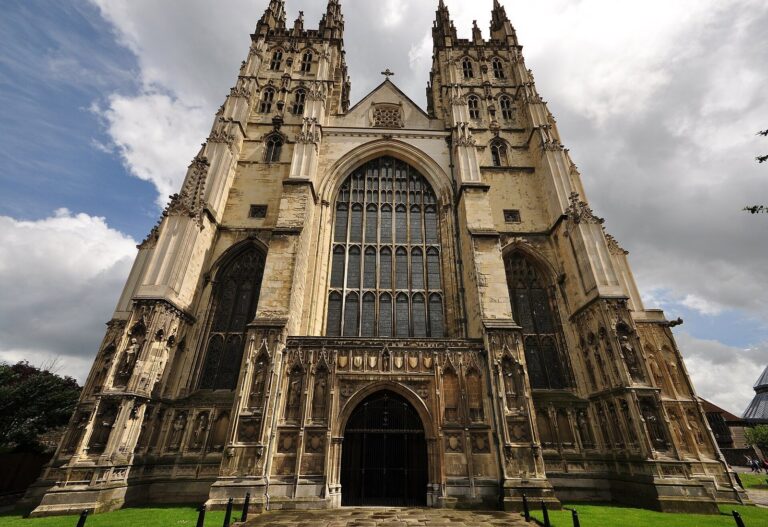
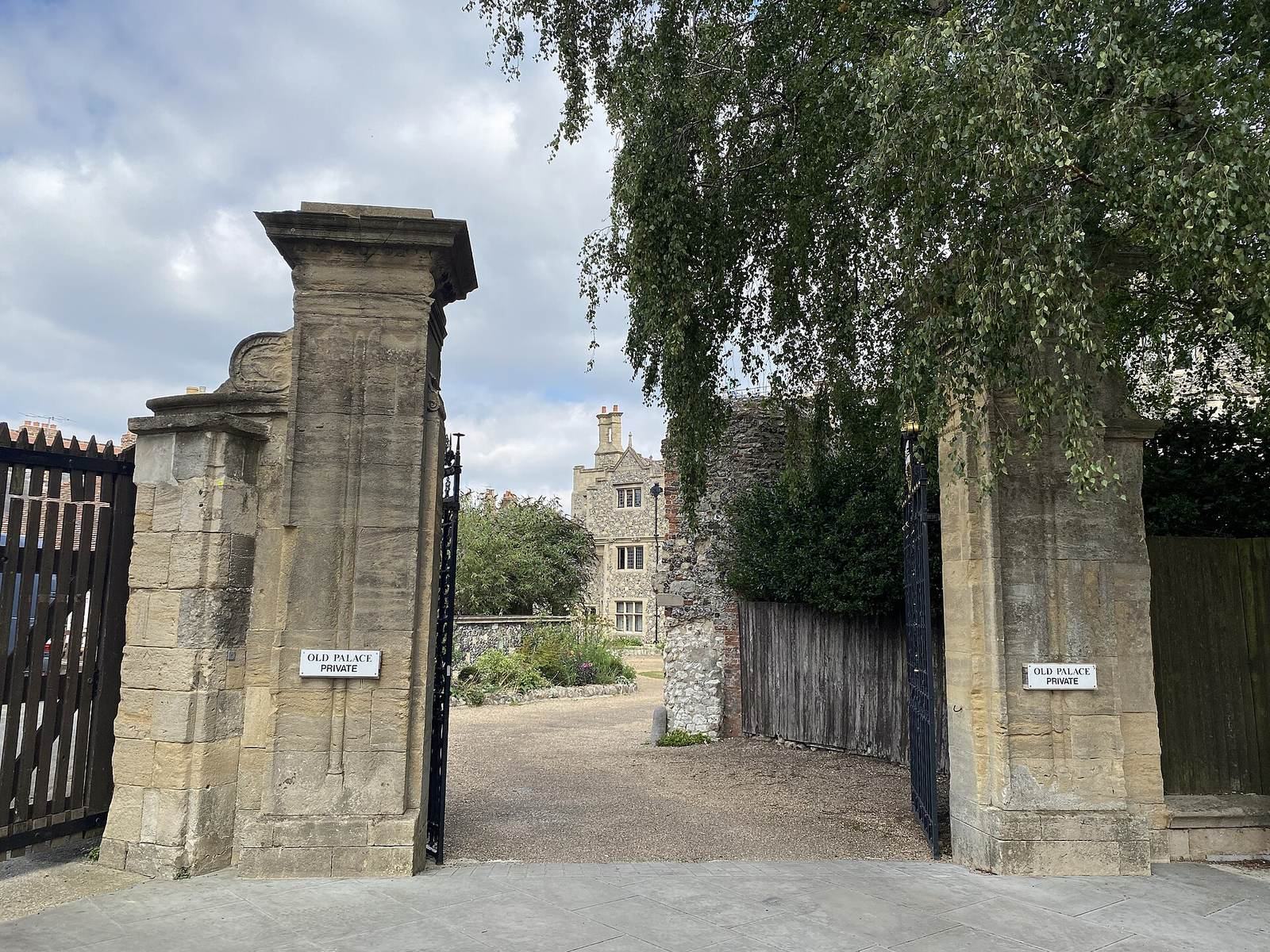
The Old Palace, Canterbury, is the Archbishop of Canterbury’s residence within the precincts of Canterbury Cathedral in the United Kingdom. Built in the 11th century, probably under Archbishop Lanfranc, it served as the archbishop’s home during visits to Canterbury and remains his principal residence there.
Medieval palace
The palace was rebuilt between 1193 and 1228. Its Great Hall, the principal communal hall of a medieval residence, was constructed around 1200–1220 by Archbishops Hubert Walter and Stephen Langton.
Seizure and demolition
In 1647, during the English Civil War, the mid-17th-century conflict between supporters of the monarchy and Parliament, Parliament’s supporters took control of the palace and its estates. Most of the complex, including the Great Hall, was demolished in the 1650s. The parts left standing remained vacant or saw little use until the 19th century. Alterations to the palace took place over the centuries, both before and after its partial destruction.
Restoration and current role
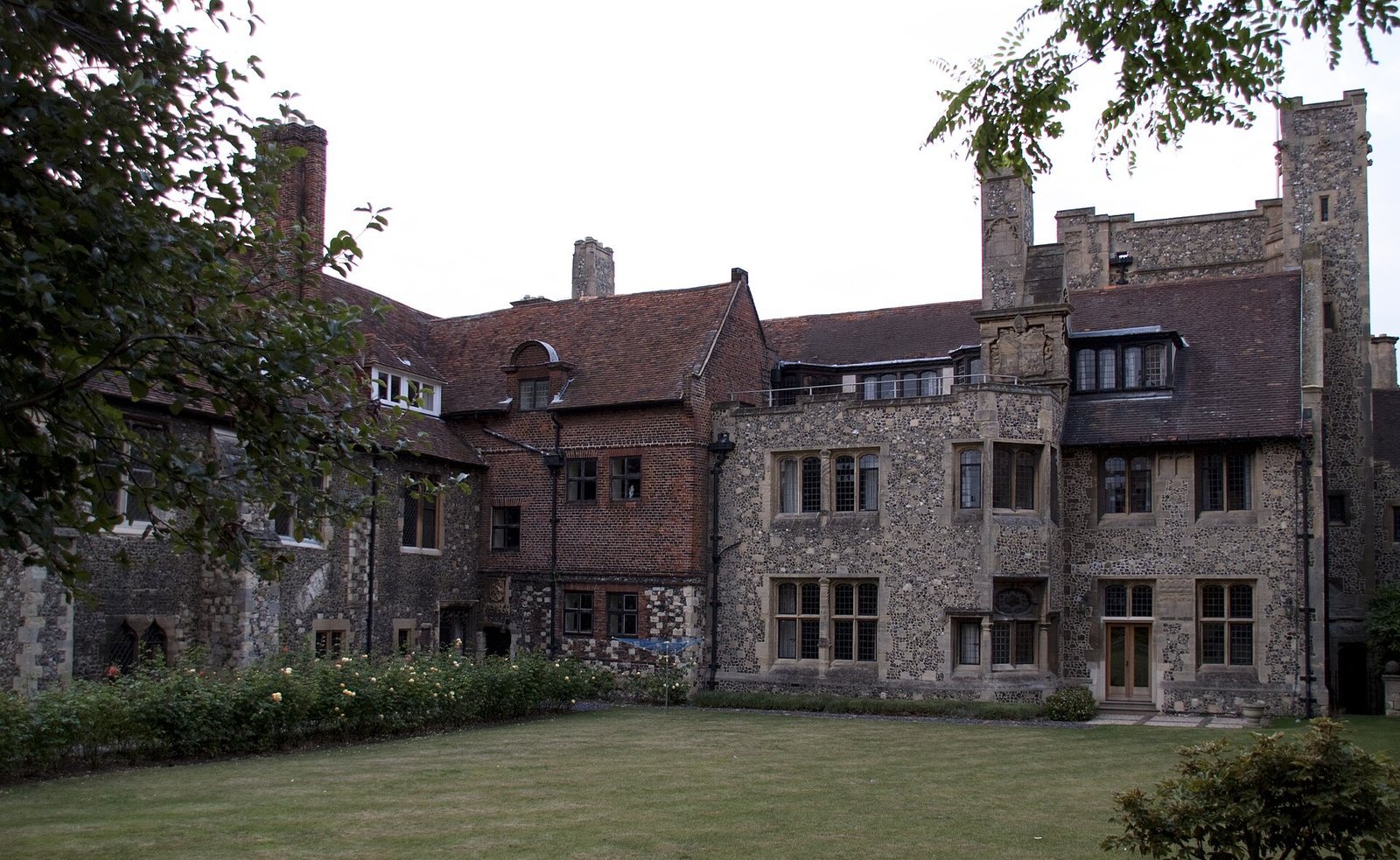
In 1896, architect W. D. Caröe restored the surviving parts and added accommodation. Frederick Temple became the first Archbishop to live at the palace since its seizure in 1647. The palace was designated a Grade I listed building on 3 May 1967, the highest category of listed-building protection in England, reserved for buildings of exceptional interest. A two-year repair programme took place in 2006.
Today the palace remains the Archbishop’s principal residence in Canterbury. One wing is the home and office of the Bishop of Dover. As “Bishop in Canterbury,” the Bishop of Dover carries out most of the diocesan bishop’s duties for the Diocese of Canterbury, allowing the Archbishop to undertake wider responsibilities.
Remains
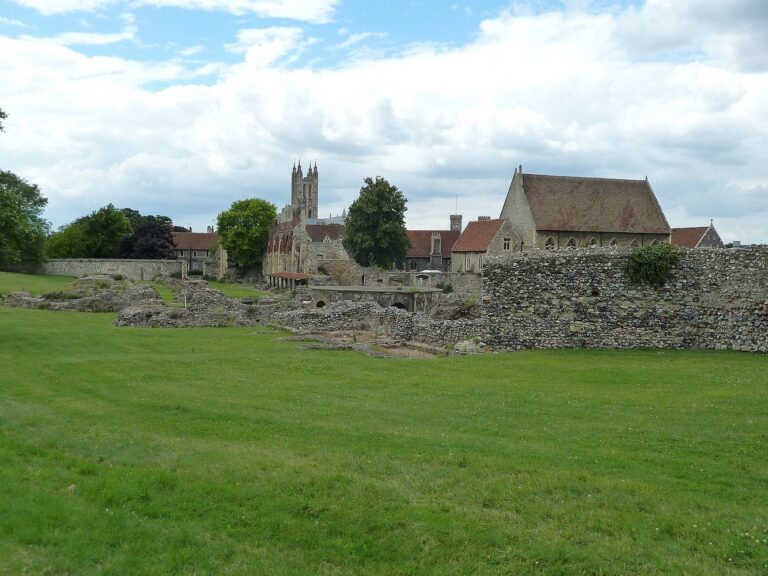
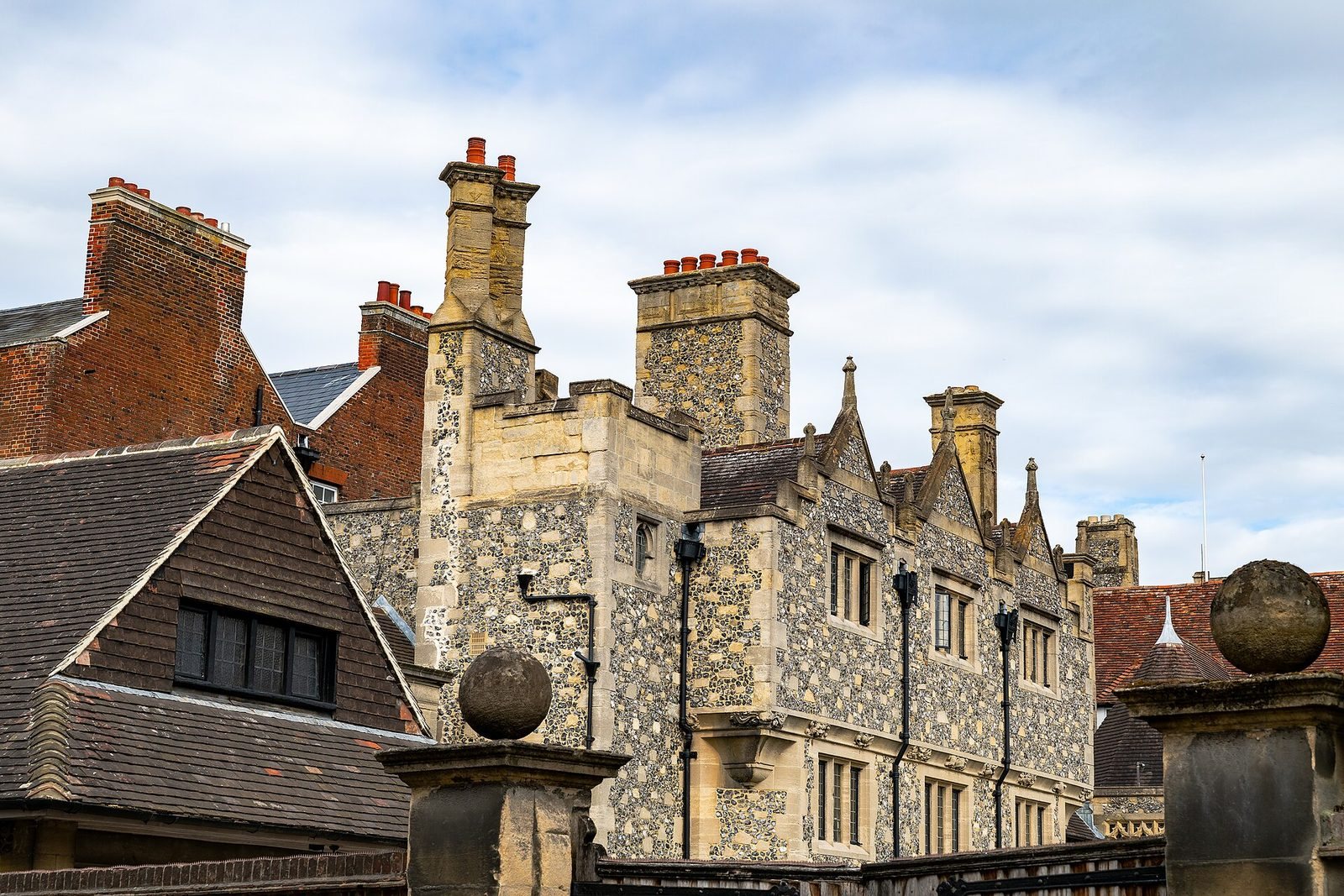
The surviving complex lies within the precincts of Canterbury Cathedral and combines later building work with older architectural fabric.
Buildings and former hall
Caröe’s building
Caröe’s curved, three-storey building incorporates the western end of the undercroft, a room beneath the monastery’s dining hall.
South wing and gateway
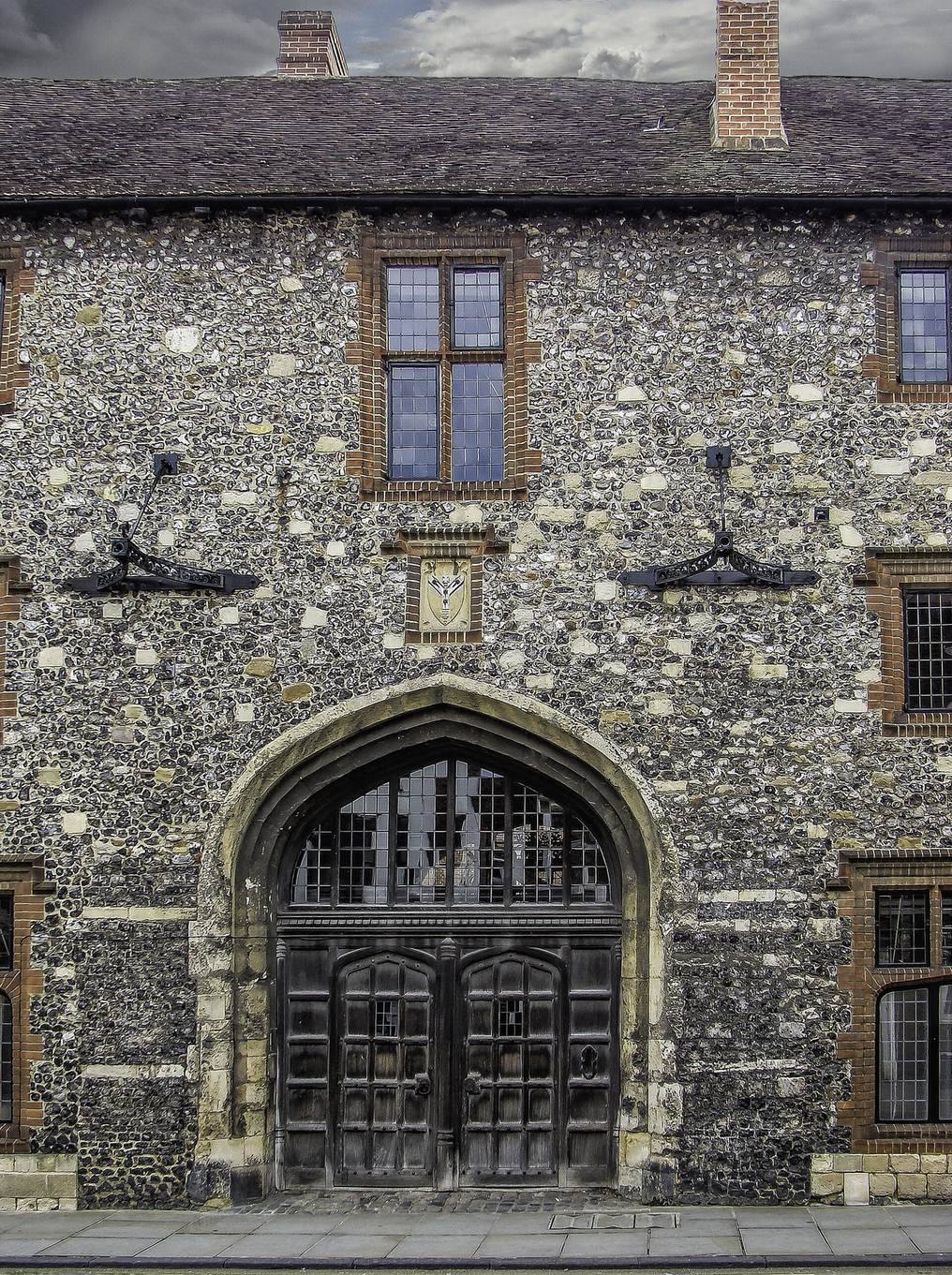
The south wing retains visible medieval work in its projecting wall supports, or buttresses, and a 14th-century window divided into two main openings. A 16th-century gateway also survives, although it is blocked.
Former Great Hall
The Great Hall was the second-largest medieval great hall in Britain, after Westminster Hall. In 1982, an archaeological trench was excavated on its site.