Nyon Castle: A Medieval Fortress and Museum in Switzerland

Site at a Glance
- Rating
- 4.6
- Popularity
- Medium
- Country
- Switzerland
- Primary era
- Medieval
- External website
- Open
- Eras represented
- Medieval, Early Modern
- Civilizations
- Duchy of Savoy
- Site type
- Military
- Remains
- Castle
On this page7 sections
History
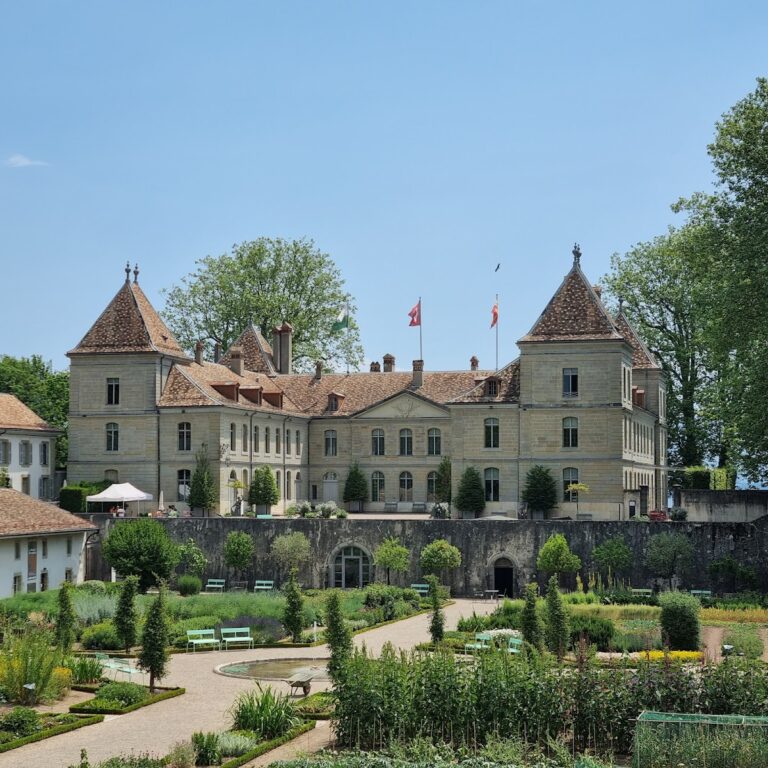
Nyon Castle is a medieval castle in Nyon, Switzerland, built on a site occupied during the Roman period by residential houses. It originated as a fortified house belonging to the lords of Prangins and later became a Savoyard stronghold, a Bernese administrative seat, and a civic museum overlooking Lake Geneva.
From fortified house to Savoyard castle
The castle’s construction is dated variously to the late twelfth or early thirteenth century, or perhaps to around 1280. The lords of Prangins held it until 1280, after which it passed to the Savoyard dynasty, a medieval ruling house whose territories included the Pays de Vaud and the area around Lake Geneva. Nyon came under Savoyard control in 1293, and the castle was substantially modified thereafter.
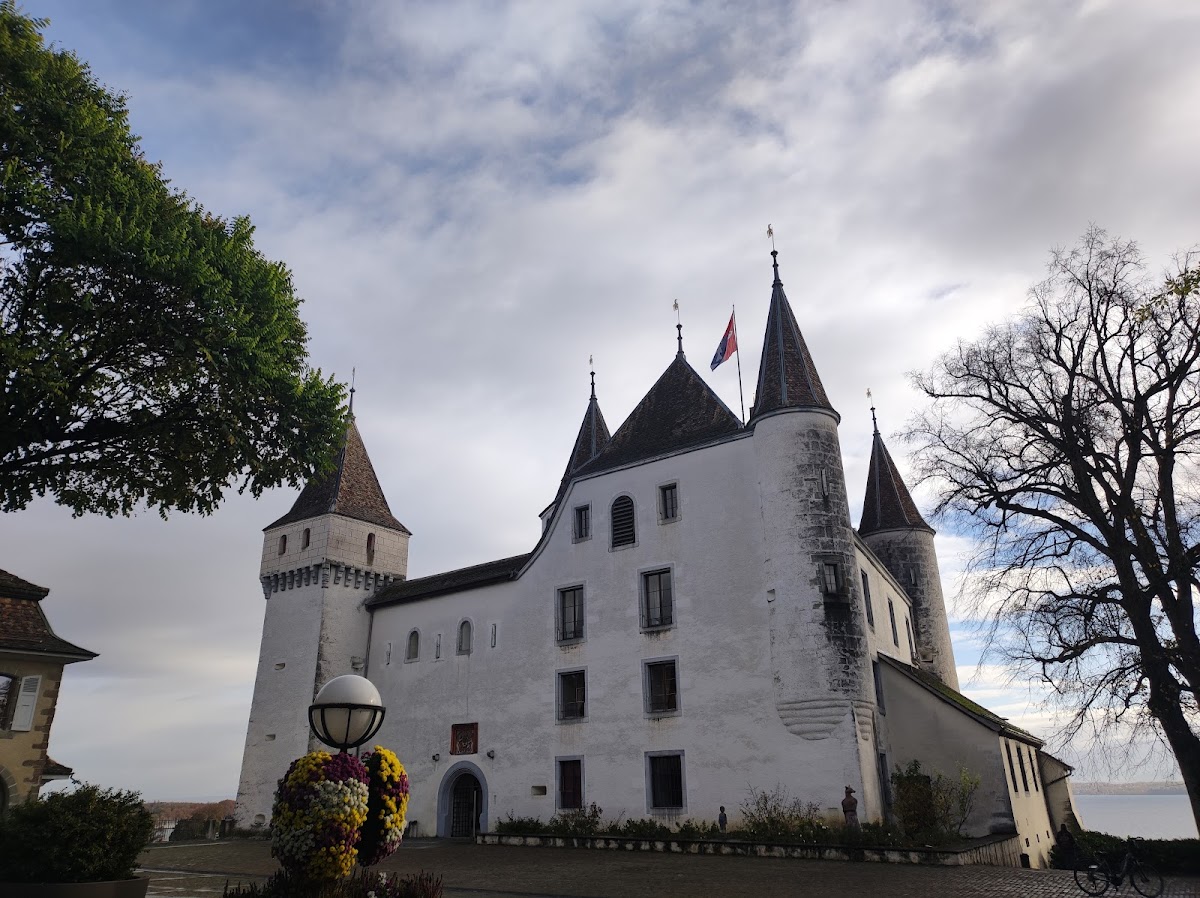
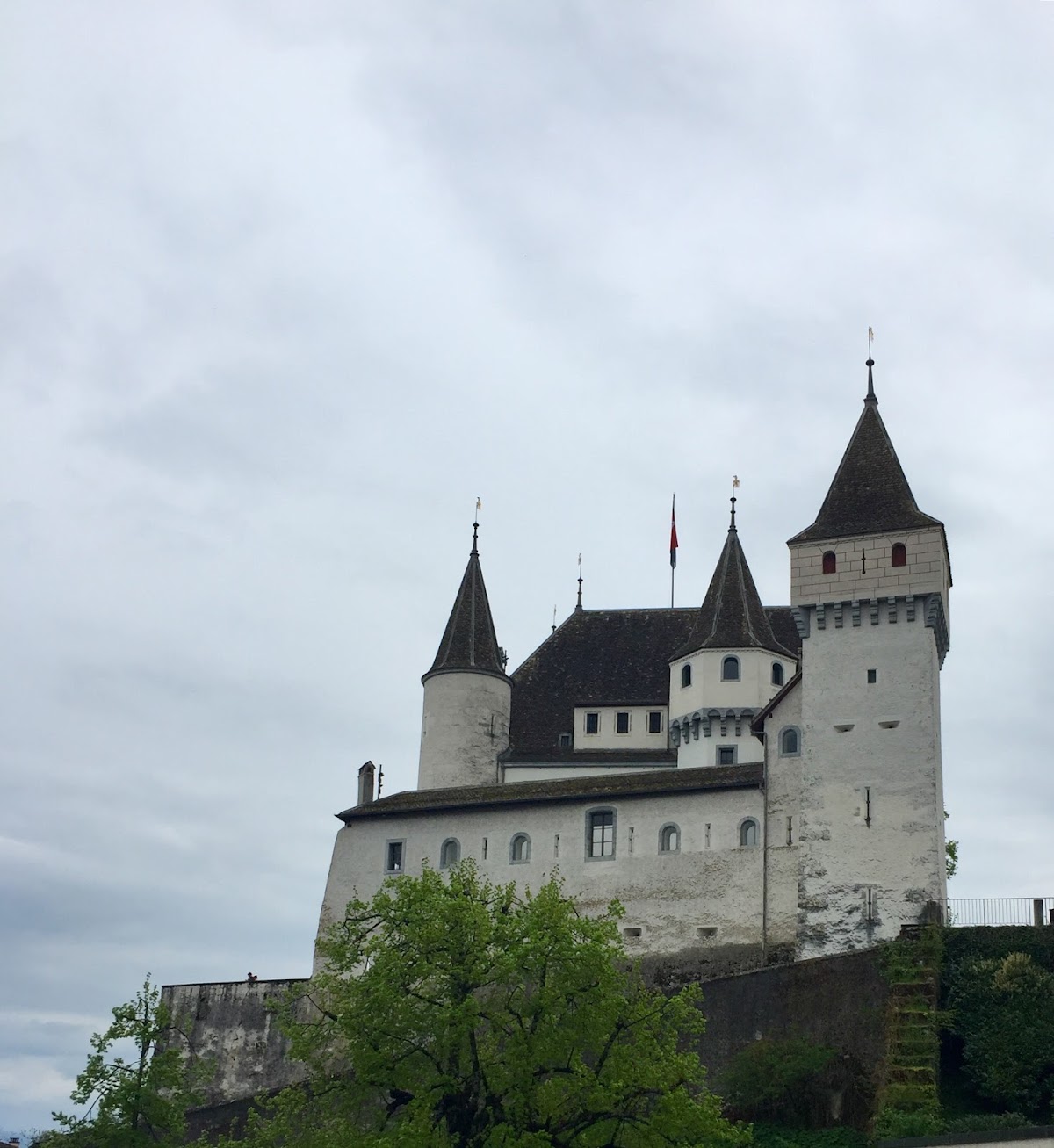
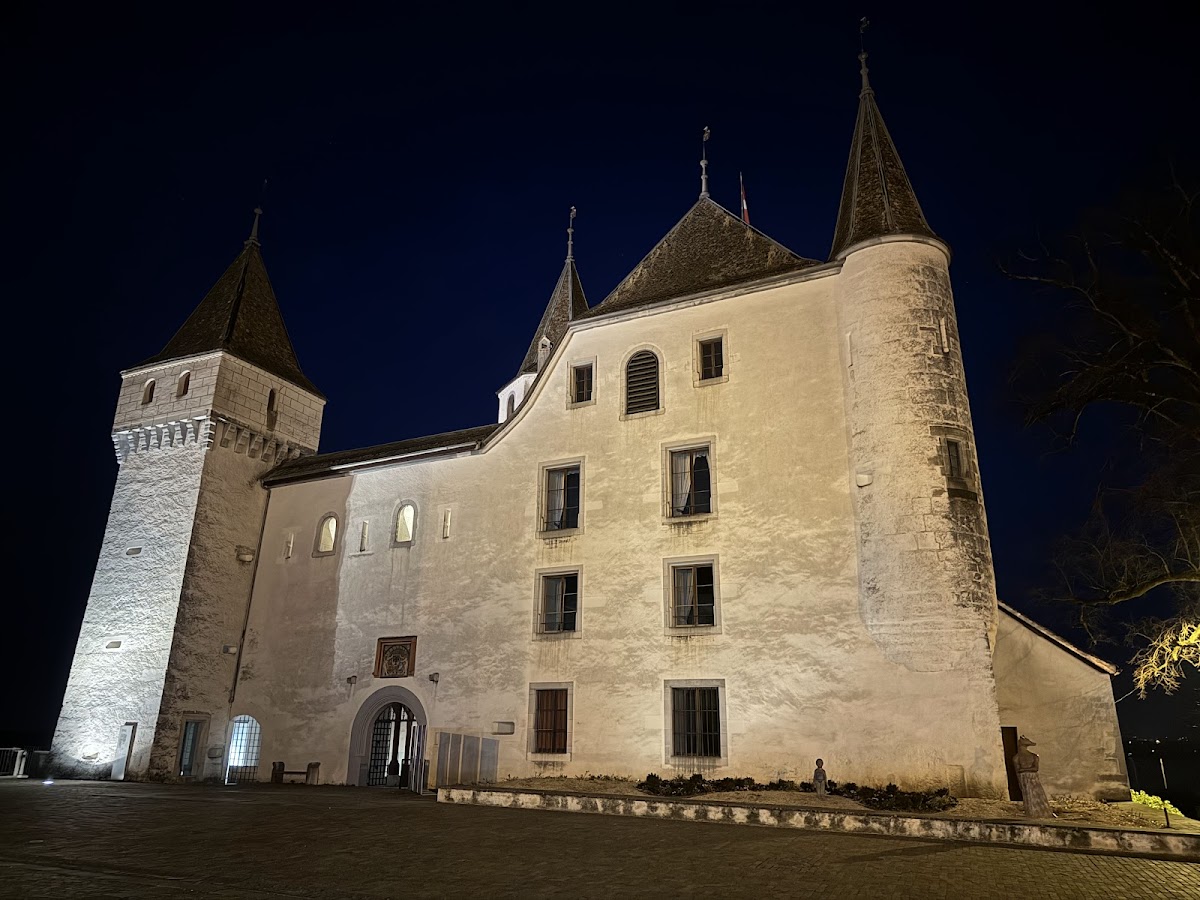
A tower associated with Guillaume du Chêne dates from 1293. Corner turrets were added after the Savoyard takeover, extending the medieval fortified complex that had developed from the earlier fortified house.
Bernese administration
Bern conquered the Pays de Vaud, the historical region that now forms part of western Switzerland, in 1536. Nyon Castle then became Bernese property and served as the seat of a bailiff, an administrative and judicial officer governing a district for a higher territorial authority.
Between 1574 and 1583, the Bernese administration substantially transformed the building. The masonry work was carried out by Uli II Bodmer and Antoine Vallon, masters from Valsesia, an Alpine valley in northern Italy, under the direction of Uli Jordan.
Civic use and museum history
After the Vaud Revolution of 1798, the city of Nyon purchased the castle in 1804. Around 1825, its advanced fortifications were dismantled. This altered the approach to the building, made civic use easier, and connected the castle more directly with the adjacent public square.
The building housed administrative offices and district prisons until 1979. It also contained the municipal council chamber and court until 1999. A historical museum opened in part of the castle in 1888. By the mid-twentieth century, it had become the Historical and Nyon Porcelain Museum. A comprehensive restoration carried out from 1999 to 2006 by a consortium of local architects brought the museum into the entire building. The castle and museum are listed as Swiss cultural property of national significance.
Remains
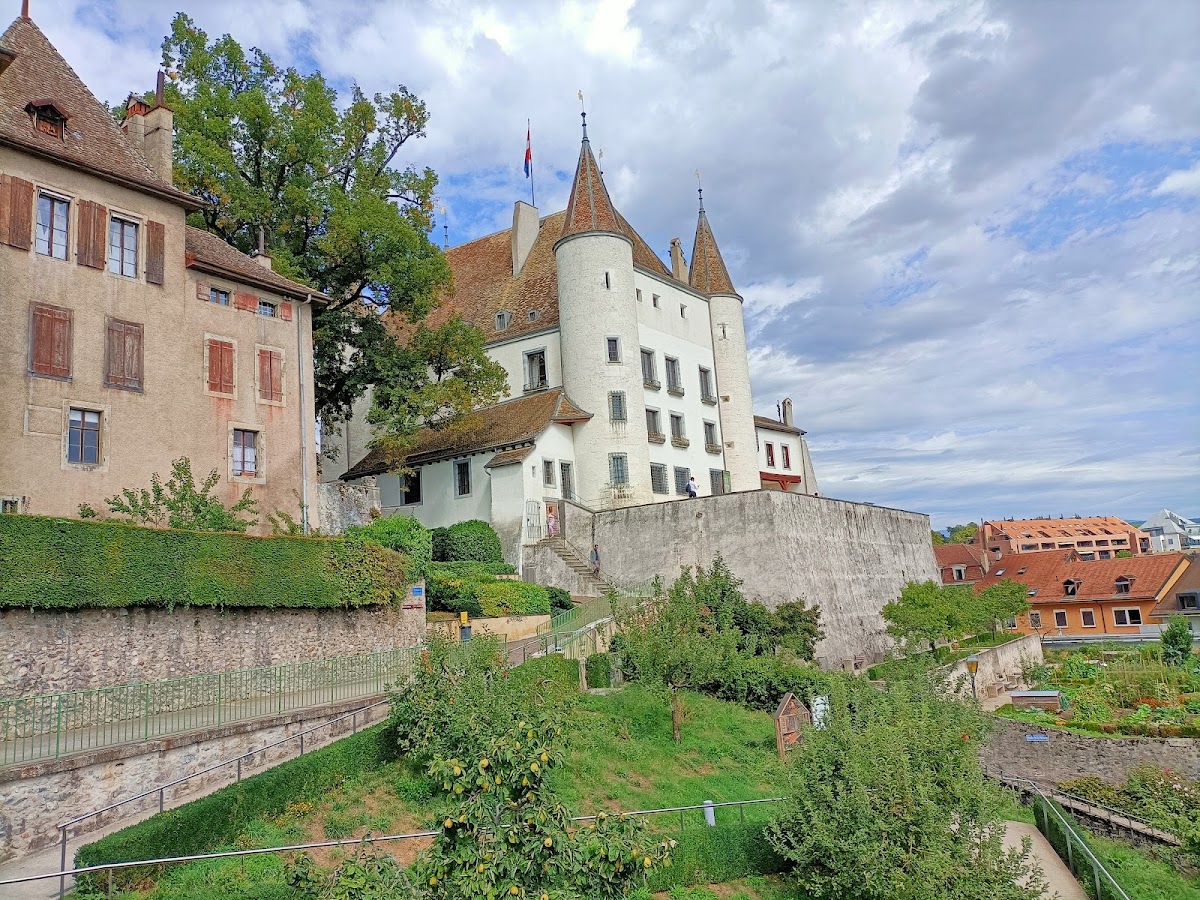
The castle stands above Lake Geneva as a medieval fortified complex that grew from an earlier fortified house. Its surviving fabric combines the medieval tower and corner turrets with later alterations made during its changing administrative and civic history. The present museum use extends through the building, including spaces formerly occupied by offices, prisons, the municipal council, and the court.
Medieval fortified complex
The tower associated with Guillaume du Chêne forms part of the castle’s medieval fabric and dates from 1293. Corner turrets were added after Nyon came under Savoyard control in the same period of medieval expansion. Together, these elements represent the castle’s development from a fortified residence into a more substantial defensive complex.
Approach, terrace, and restored interiors
Advanced fortifications once protected the approach to the castle and separated it from the adjacent public square. Their dismantling around 1825 changed the relationship between the building and the square. The castle also includes a terrace remodelled during the restoration of 1999–2006. Throughout the building, former administrative, penal, municipal, and judicial rooms now form part of the museum.