Nydala Abbey: A Cistercian Monastery in Sweden
Site at a Glance
- Popularity
- High
- Country
- Sweden
- Primary era
- Medieval
- Eras represented
- Medieval, Early Modern
- Civilizations
- Swedish
- Site type
- Religious
- Remains
- Monastery
On this page8 sections
History
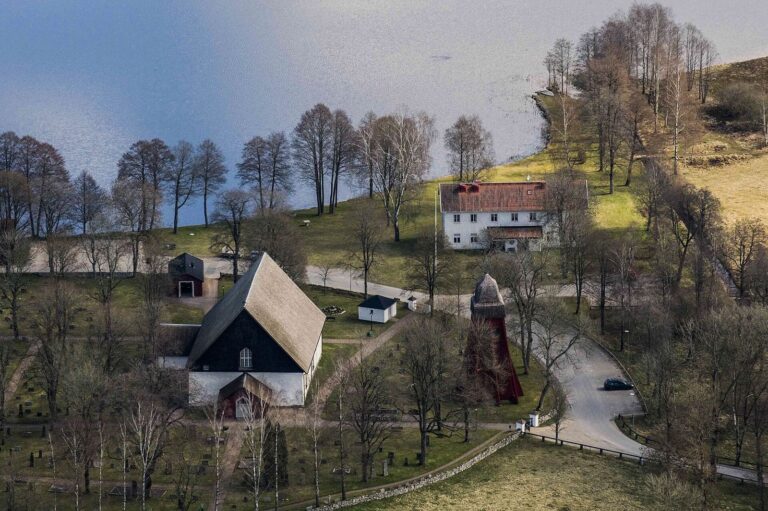
Nydala Abbey is a former Cistercian monastery near the northern edge of Lake Rusken in Värnamo Municipality, Sweden. Monks sent from Clairvaux Abbey in France founded it in June 1143. The Cistercians were a Catholic monastic order known for a strict, austere religious life. Dedicated to the Virgin Mary, Nydala belonged to Clairvaux’s network of monasteries. Its name means “new valley.” Alongside Alvastra Abbey, it was among Sweden’s earliest Cistercian foundations.
Foundation and growth
The abbey’s remote location, away from settlements, followed the Cistercian ideal of near-total isolation. Construction continued for slightly more than a century, and the abbey church was inaugurated in 1266. In 1164, monks from Nydala established Roma Abbey on the island of Gotland.
Fishing in Lake Bolmen and the Bolmån River initially helped sustain the community. Kings of the Erik and Sverker dynasties repeatedly confirmed the monks’ fishing rights. Nydala later gained farmland and forests and received part of the tithes that the bishops of Linköping collected from local farmers. In 1258, Henry of Uppsala encouraged local people to help enlarge the abbey, promising a partial reduction in the payment associated with an indulgence, a Catholic grant understood to lessen punishment for sin.
Papal letters issued by Boniface IX in 1390 and Julius II in 1503 confirmed the abbey’s privileges. By the early sixteenth century, it had grown to about 250 associated farms and was Sweden’s largest Cistercian abbey and the largest landowner in Småland. Only Vadstena Abbey had more associated farms, with about 1,000.
Violence and royal seizure
In 1521, Danish king Christian II stayed at Nydala on his return from Stockholm, where he had overseen the execution of Swedish opponents in 1520, an event known as the Stockholm Bloodbath. As he departed, he ordered the abbot and five monks drowned and the church plundered. A local tradition places the drowning of the abbot and several monks in a hole cut through the ice on nearby Lake Rusken. The violence may have been linked to a possible connection between the abbey community and Swedish nobles resisting Christian II.
Nydala reopened in 1524, but the Crown took control of the abbey’s valuables and lands in the late 1520s under King Gustavus Vasa. This seizure of church property, known as the Reduction, formed part of the royal consolidation of power during the Reformation. Local peasants resisted the takeover and killed the Crown’s first administrator sent to assume control. Some of the confiscated land became a nearby Crown Estate manor, later called Nydala Manor.
In 1568, Danish troops burned and plundered the abbey during the Northern Seven Years’ War, a conflict involving Sweden and Denmark among other powers.
Parish church and later care
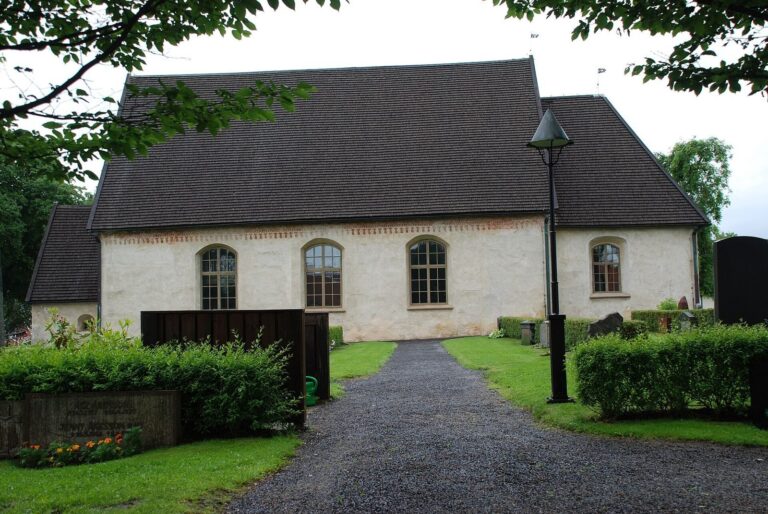
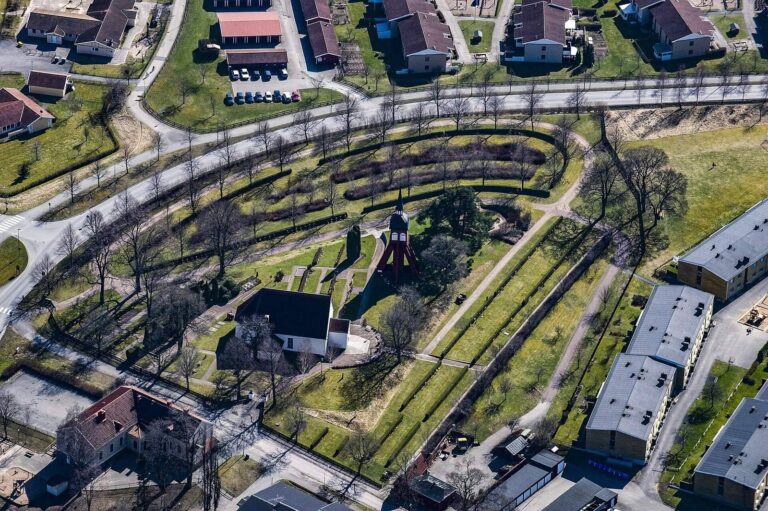
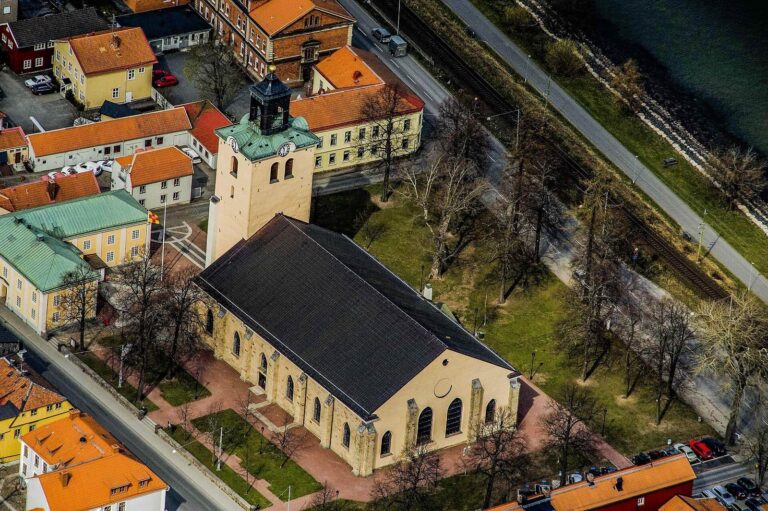
Parts of the medieval church were renovated in the 1680s for use as a Lutheran parish church, and it was reinaugurated in 1688. The church remains in use and belongs to the Church of Sweden’s Diocese of Växjö. The former gatehouse chapel was renovated in 1952, and work on the main church followed from 1964 to 1967. A project to recreate a medieval abbey garden beside the church began in 2004.
Remains
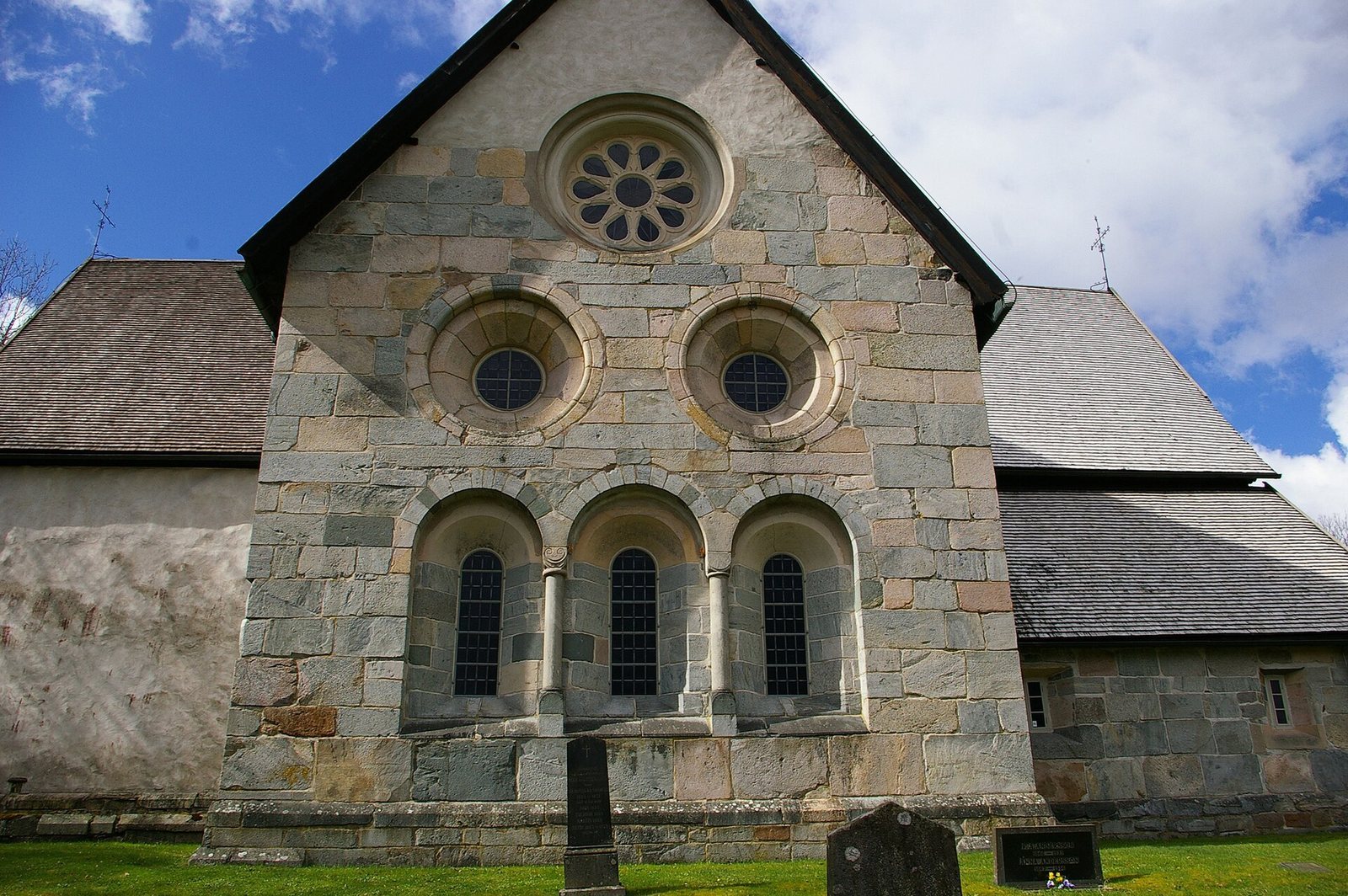
The abbey buildings once occupied the sides of a quadrangle, with the church forming one side and a wall enclosing the complex. The surviving church follows the restrained French Cistercian architectural tradition and is built of grey gneiss.
The abbey church
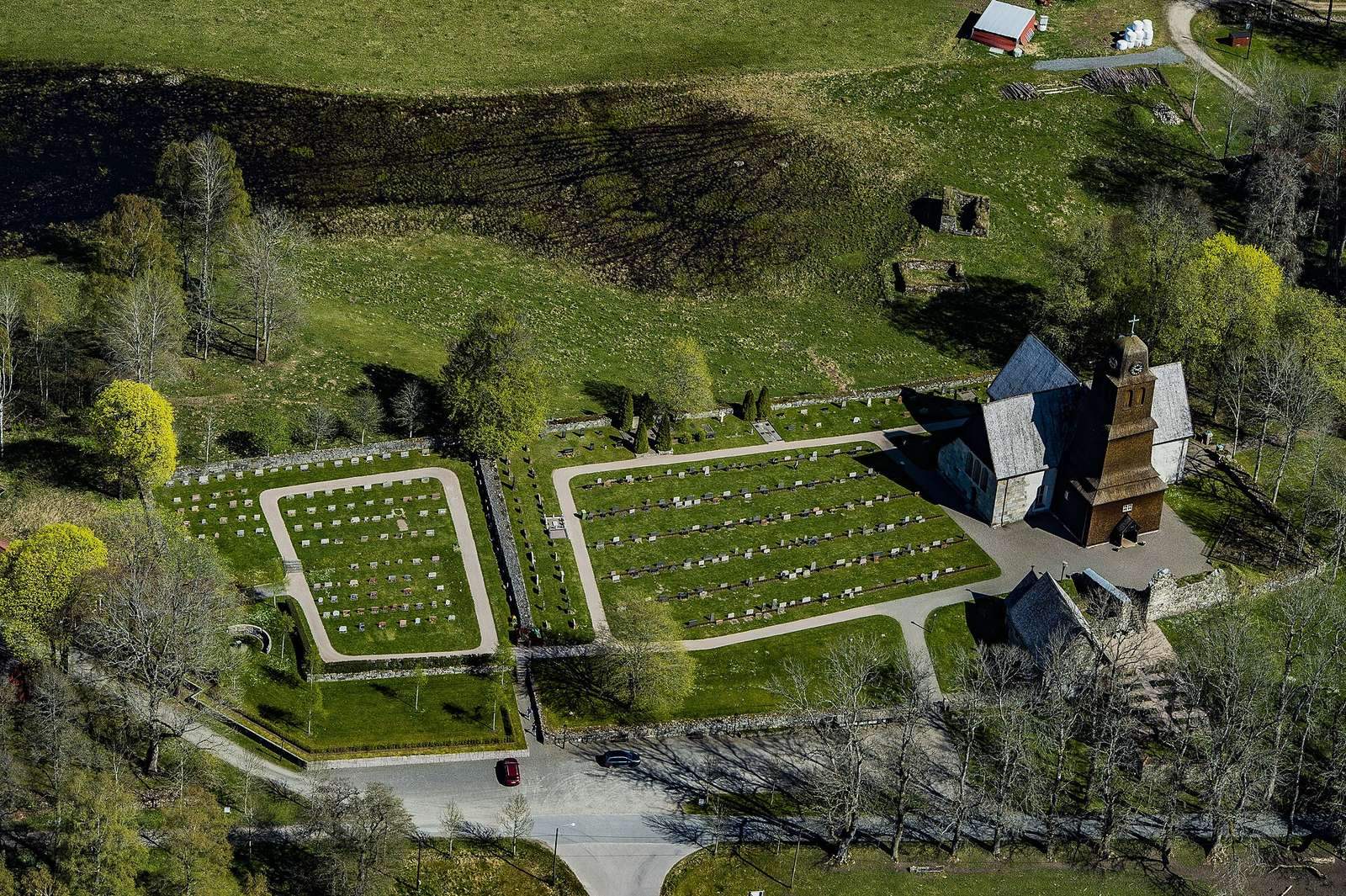
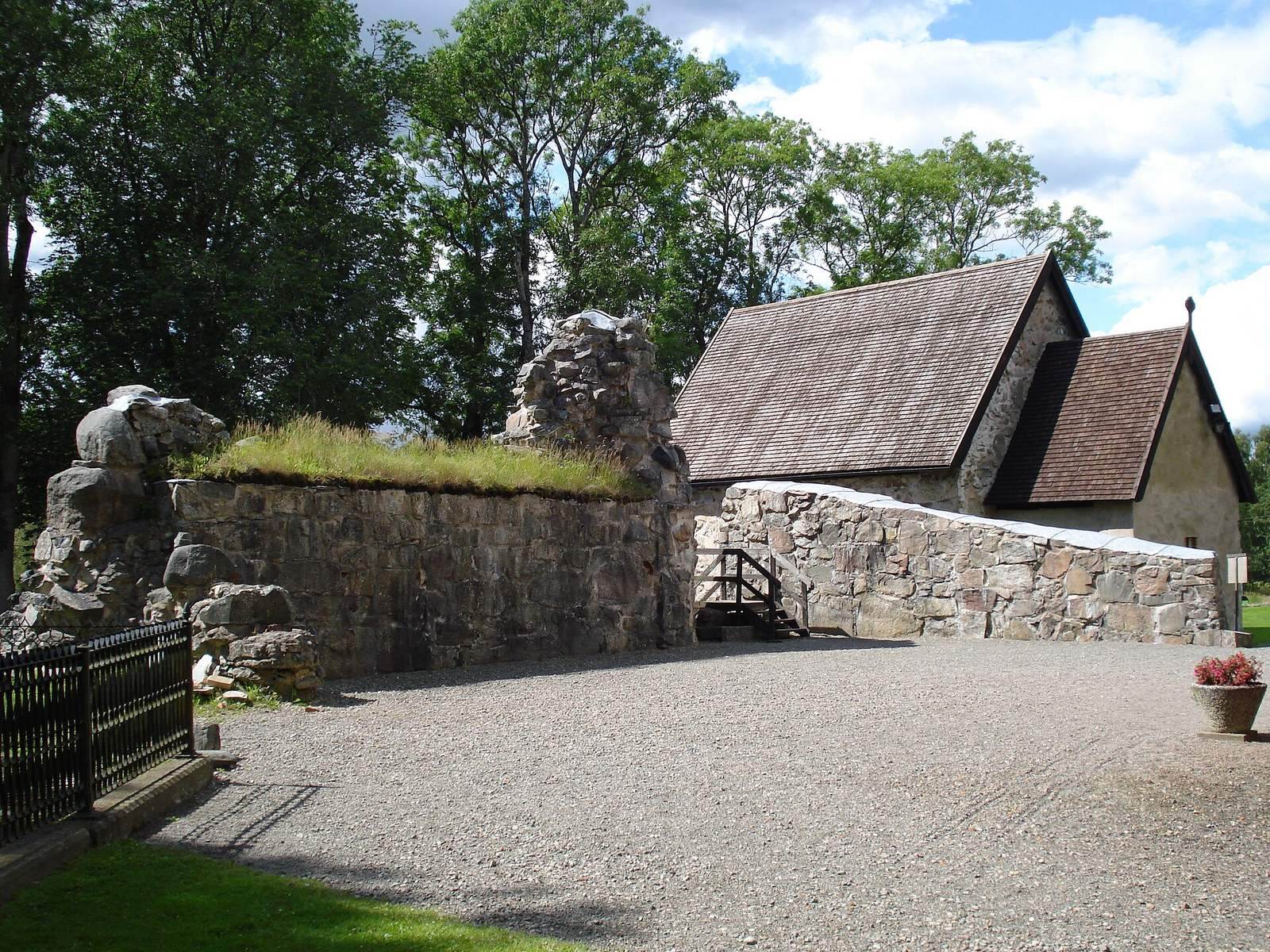
The surviving church preserves the easternmost part of the medieval building, including the original choir and transept, the cross-shaped sections at its eastern end. A chapel on each side survives, with one now used as a sacristy. The church’s eastern end retains fine details and much of its medieval character; its western section was removed during the seventeenth-century renovation. Later fittings include a Baroque altarpiece and pulpit. The Swedish painter and decorative artist Pehr Hörberg decorated the pews and organ platform. A wooden bell tower beside the church dates to the early eighteenth century.
Other abbey remains
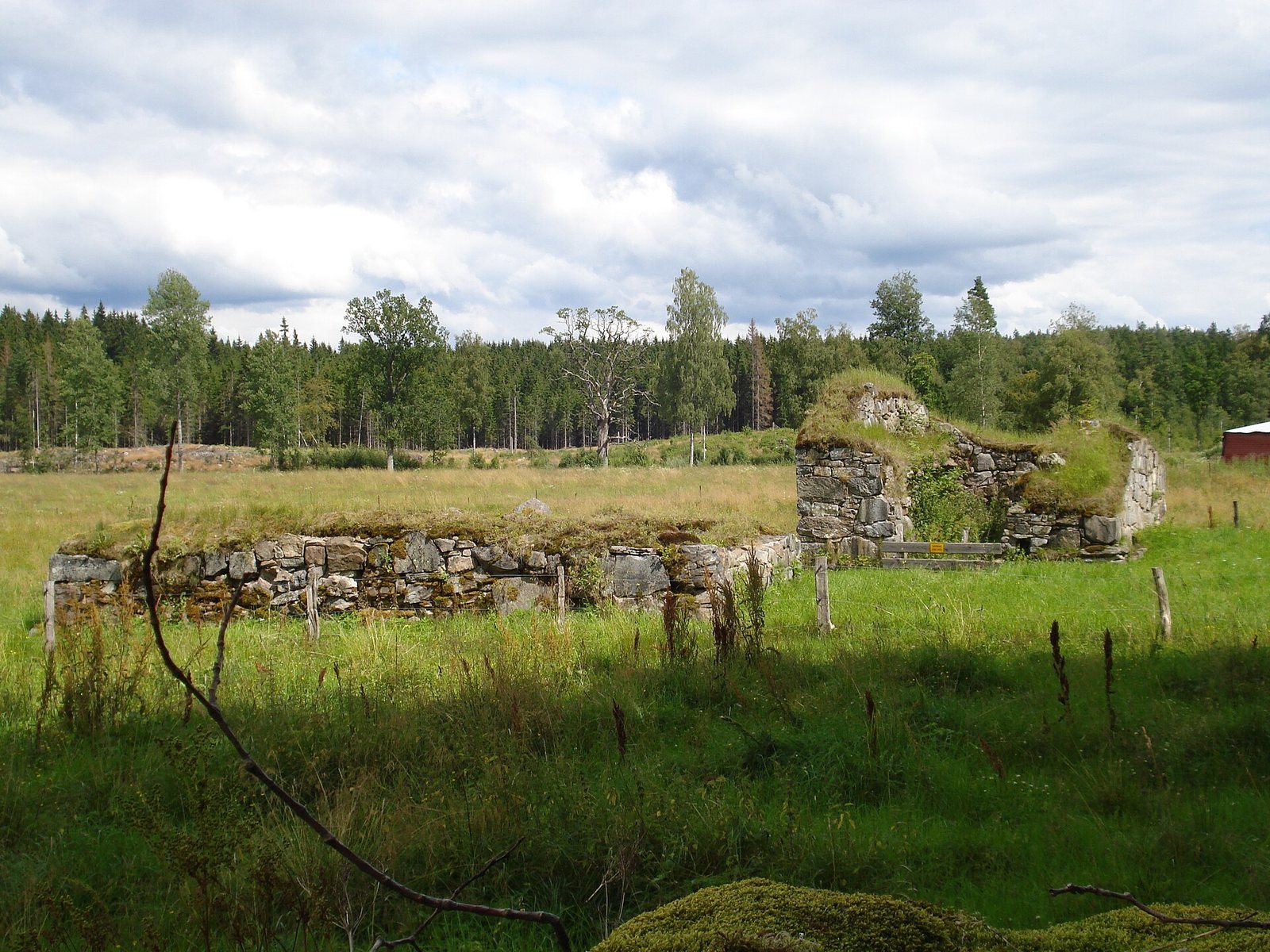
Only a few ruins of the abbey’s other buildings survive. The former gatehouse chapel, also known as the “farmers’ church,” remains in ruin. It is the only surviving chapel from a Swedish Cistercian abbey’s foundation period. A nearby building may date to the medieval period and may have housed the abbey stables.
Nydala Manor
Nydala Manor stands just north of the former abbey complex. Its first building was erected around 1650, while the manor in its present form dates to 1790. It is in the Gustavian style, a Swedish style influenced by neoclassicism, and is considered one of the finest examples of that style in Jönköping County.