Numlahti Manor: A Historic Estate in Nurmijärvi, Finland
Site at a Glance
- Popularity
- Medium
- Country
- Finland
- Primary era
- Modern
- Eras represented
- Early Modern, Modern
- Civilizations
- Grand Duchy of Finland, Russian, Swedish
- Site type
- Domestic
- Remains
- Manor House
On this page7 sections
History
Numlahti Manor is an estate in Nurmijärvi, Finland, whose history reaches back to 1594. It is Nurmijärvi’s oldest manor, and its history began with the consolidation of village houses into one estate.
Formation of the estate
In 1594, Klaus Hästesko, a cavalry officer of roughly captain’s rank, acquired five houses in Paijala, the settlement now known as Numlahti. He soon obtained the village’s remaining four houses, and their former owners became tenant farmers on the manor. Hästesko’s wife, Bengta Creutz, managed the estate. Their daughter Anna Skoo inherited it after her father’s death.
The 1697 murders
By the late seventeenth century, the manor belonged to Elisabet Crusebjörn, who leased it to Esaias Austrell. Austrell treated the estate’s workers harshly. On March 2, 1697, tenant farmer Juho Markunpoika and his nephew, Juho Abrahaminpoika, killed Austrell and his wife, Kristina Dahl, with an axe. They buried the couple beneath the vestibule floor and cleaned away traces of the crime.
The two men broke into the manor rooms and took goods from chests, including 200 thalers, silver coins used in parts of Europe, as well as silver goblets and spoons, rings, clothes and food. They escaped first to Vyborg and then to Tallinn, where they were arrested in April. In June 1697, both received death sentences and were ordered to forfeit their property.
Twentieth-century ownership
Film producer and businessman Hjalmar V. Pohjanheimo owned the manor from 1922 to 1930. Each summer, silent films made by his Lyyra Film company were shown to crowds of manor servants and villagers. The film reels were eventually destroyed. Carl Jonas Borup became the owner in 1934, and the Borup family has owned the manor since then.
Remains
Main buildings
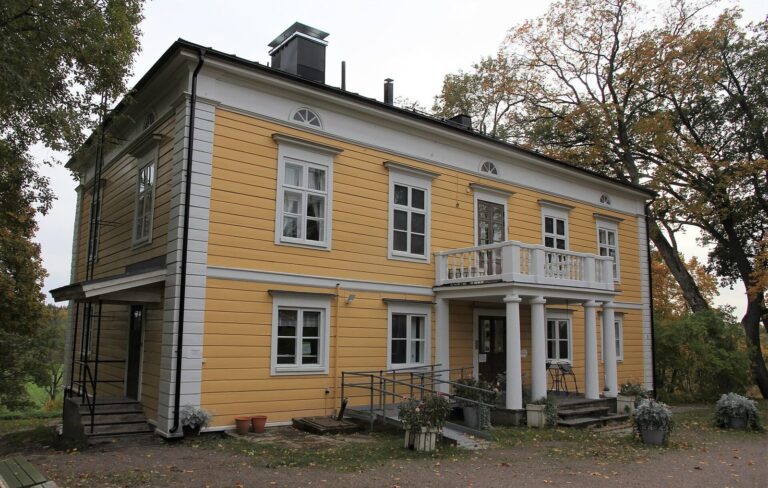
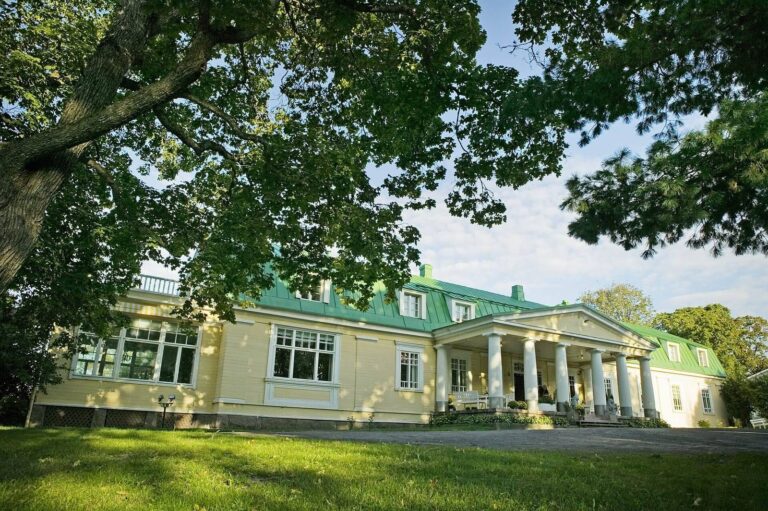
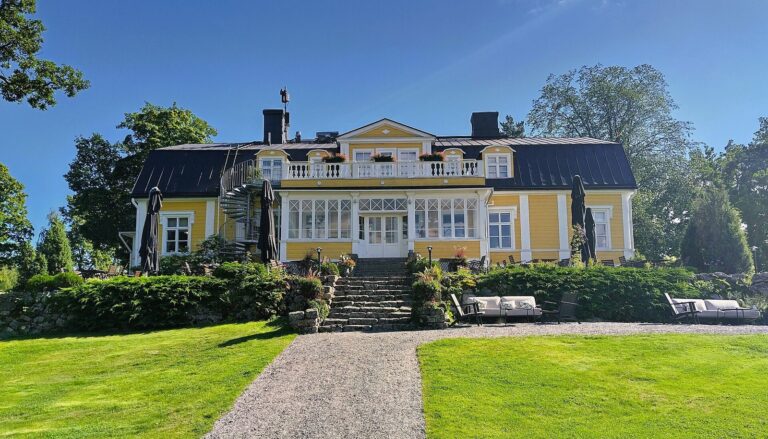
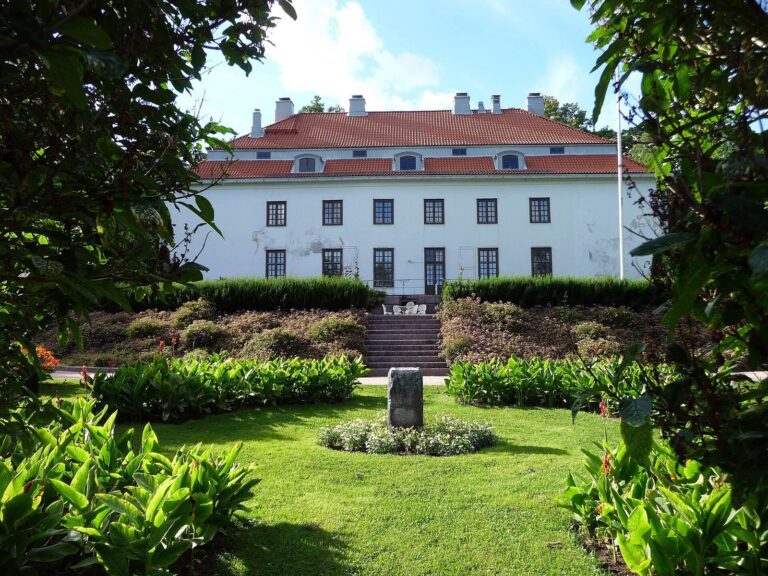
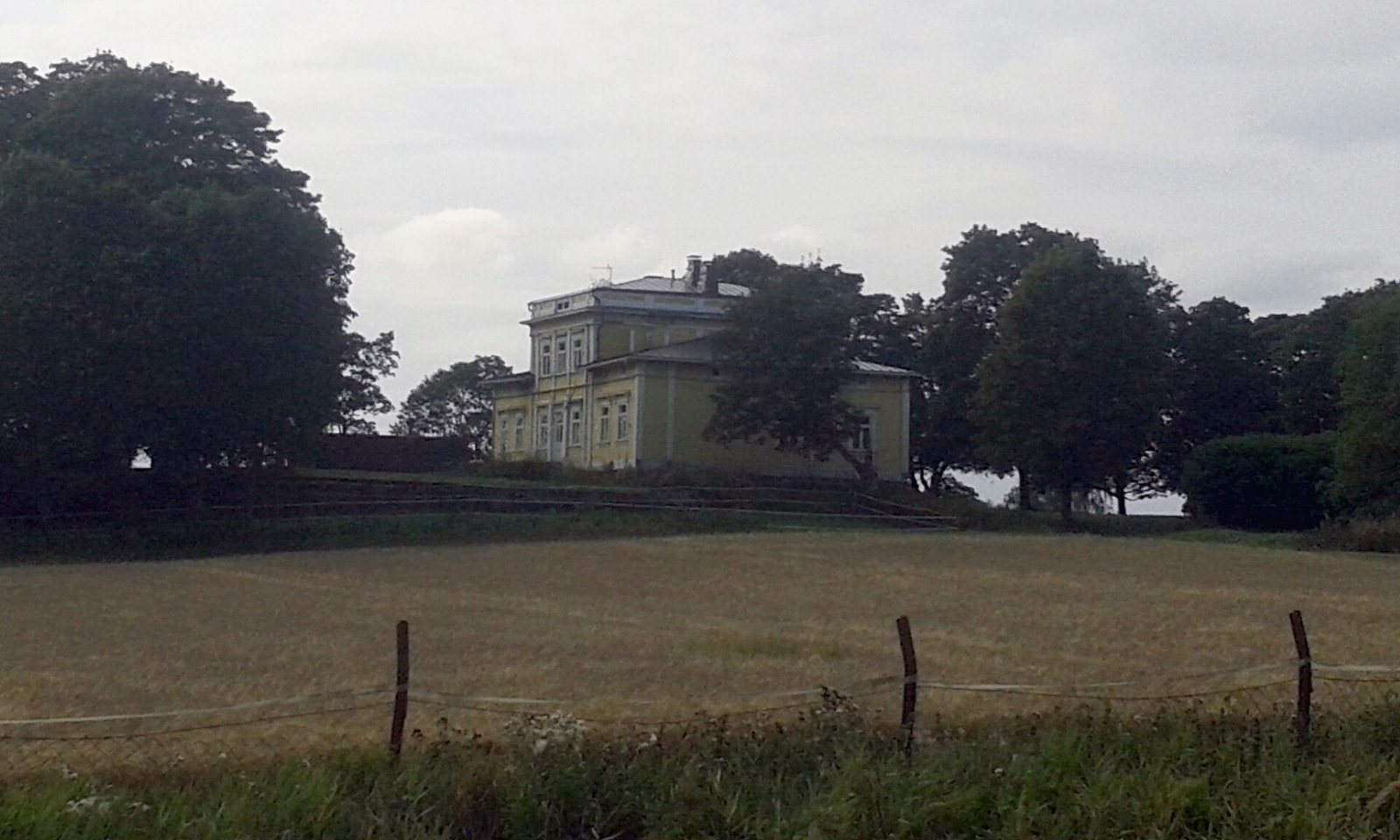
The manor’s principal buildings include a two-storey main building that partly dates to 1876. A long wing in the courtyard probably dates from the eighteenth century and has a mansard roof, a roof with steep lower and shallow upper slopes. The brick outbuildings date to the early twentieth century.
Estate facilities
At the shore of nearby Kuhakoski, the estate’s facilities included a mill and a sawmill. The manor later also had a small power plant, a brick factory and a dairy.