Nørholm: A Historic Manor Farm and Hamsun Estate in Norway
Site at a Glance
- Popularity
- Medium
- Country
- Norway
- Primary era
- Modern
- Eras represented
- Modern
- Civilizations
- Norwegian
- Site type
- Domestic
- Remains
- Manor House
On this page7 sections
History
Noble Ownership
Before Knut Hamsun acquired it, Nørholm was a prominent farm in Agder. Noble families owned the property over time, and many had Danish origins.
Knut Hamsun’s Estate
Hamsun bought Nørholm in 1918. Money associated with his Nobel Prize in Literature enabled him to expand the estate and pursue farming. His life as a farmer recalled the protagonist of Growth of the Soil, the novel for which he received the prize.
Conservation and Family Stewardship
In 1989, conservation of Nørholm was established under the will of Ellinor Hamsun (1915–1987), Knut and Marie Hamsun’s daughter. Victoria Hamsun, daughter of their youngest son Arild (1914–1988), established the Nørholm Foundation in 1995. Members of the Hamsun family have owned the estate since Knut’s purchase, and his great-grandson Ole Andreas Hamsun Rustad manages it in cooperation with the foundation.
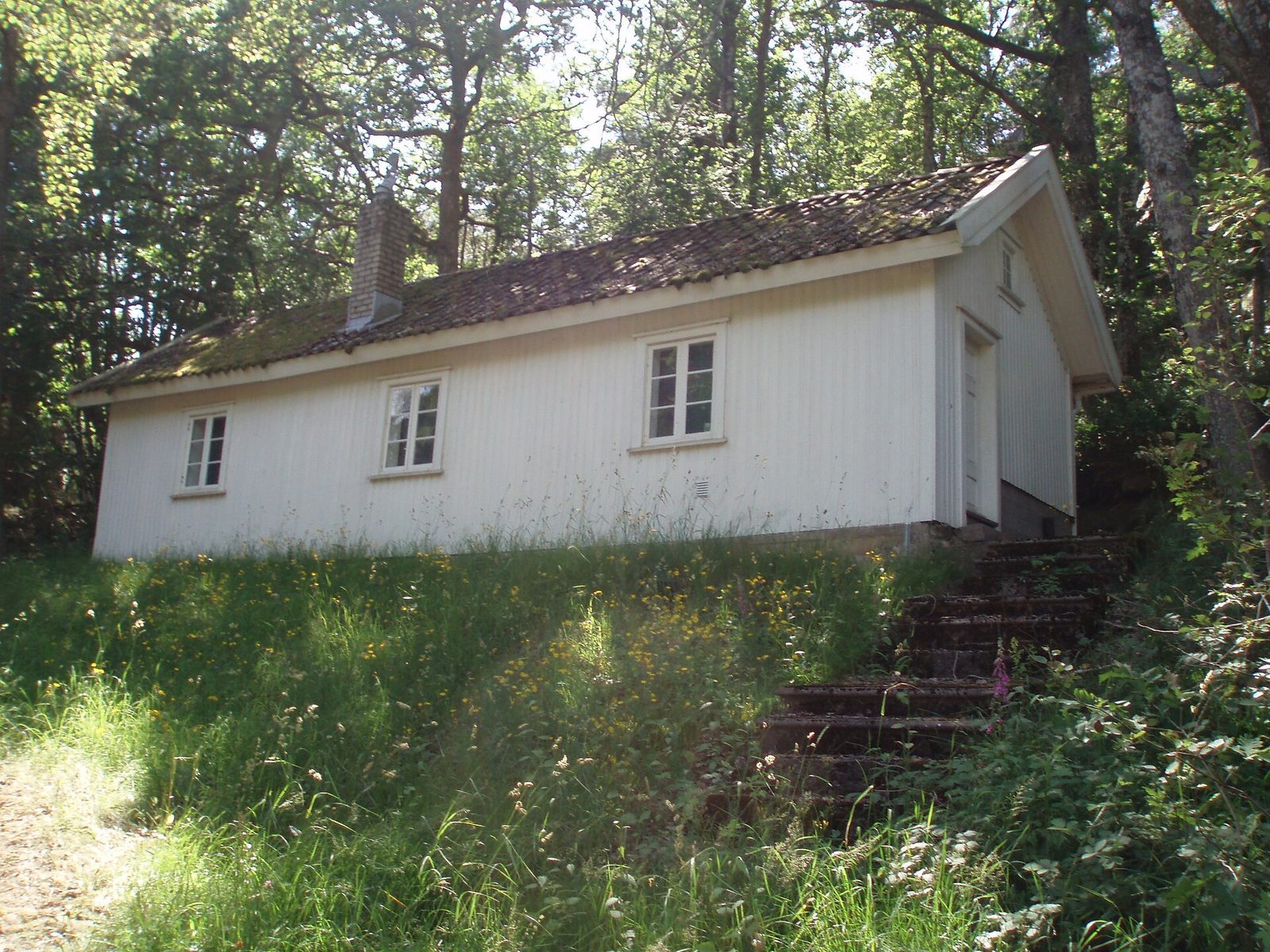
The Sørvika cottage, once associated with the estate, belonged to Knut Hamsun’s son Tore. It was sold in 2011 and is no longer owned by the Hamsun family or the foundation.
Remains
Manor House and Estate
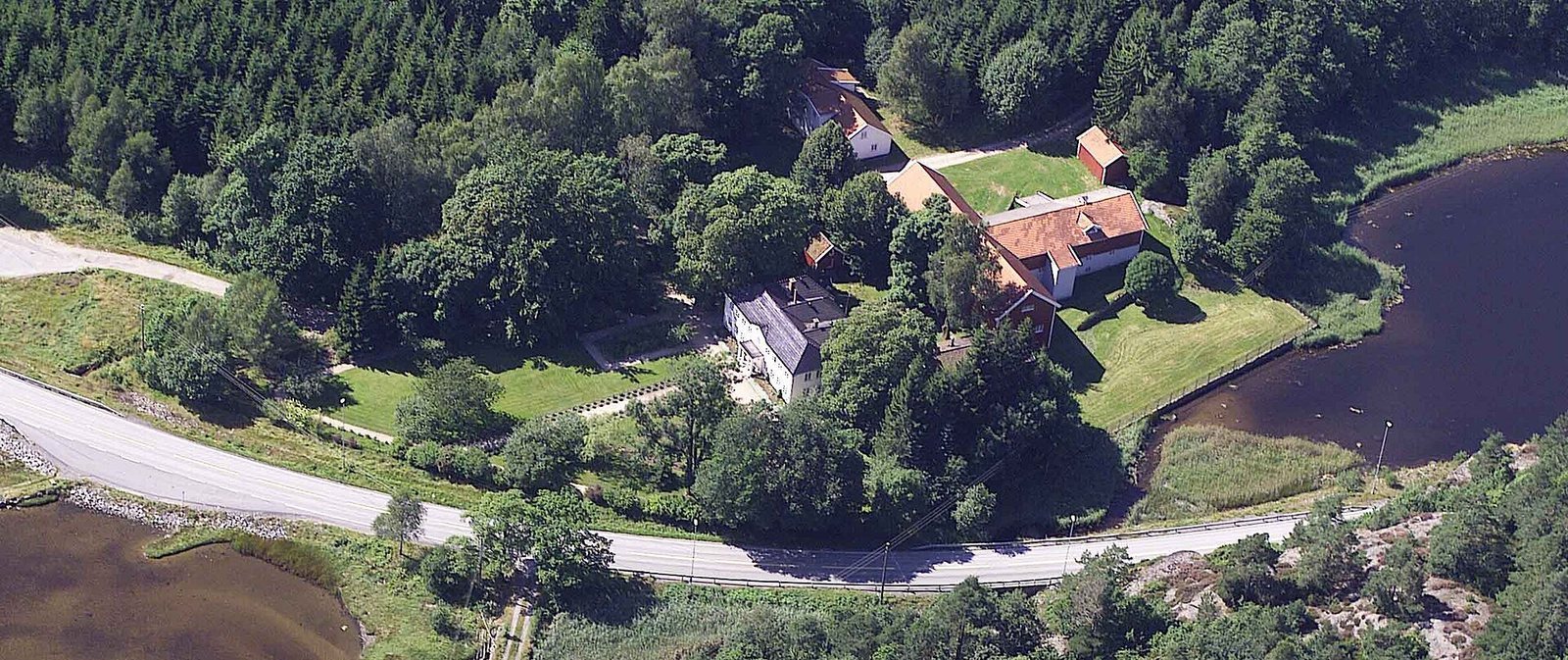
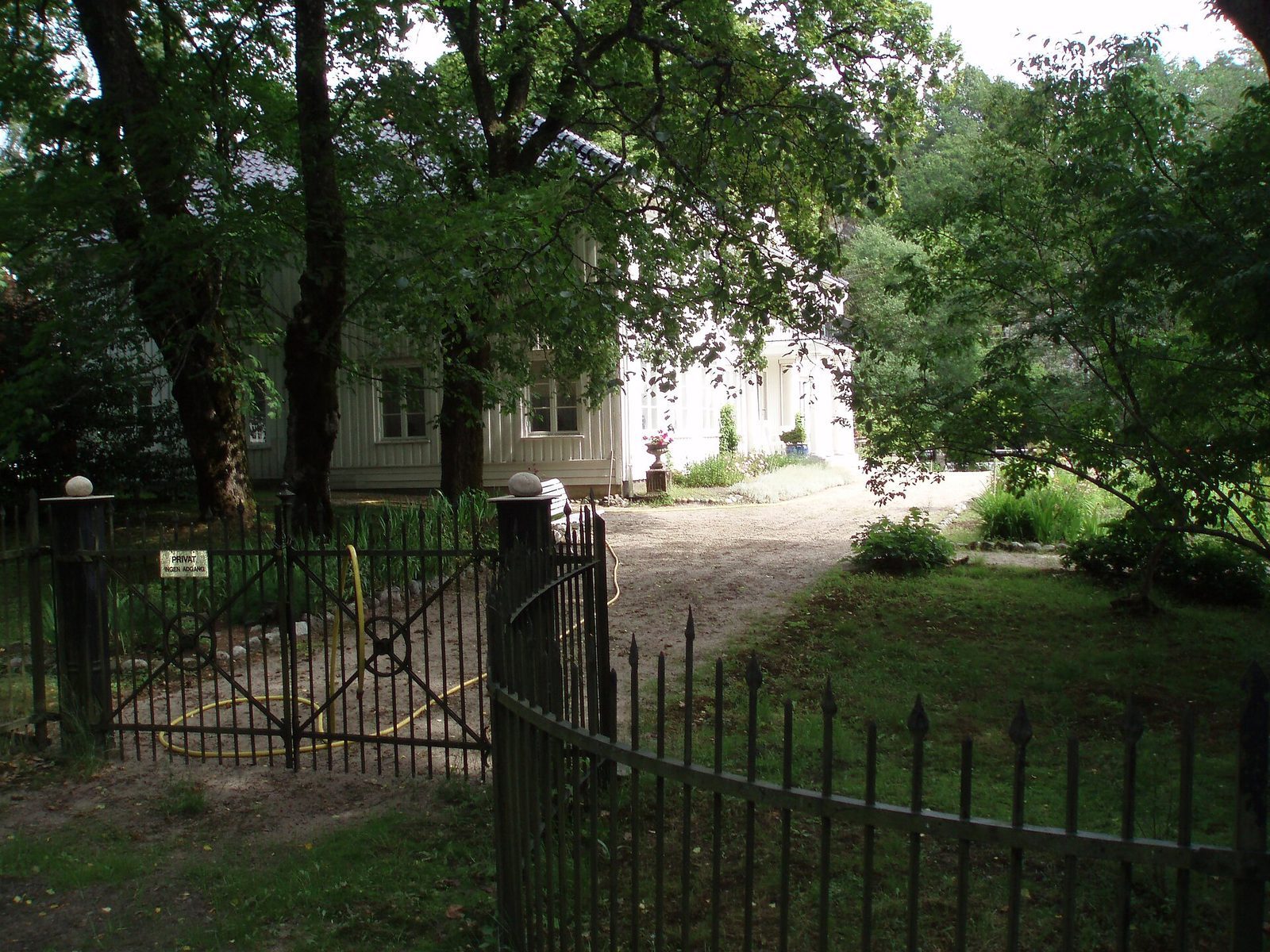
Nørholm is a 185-hectare (460-acre) agricultural estate. Its main building dates to 1830 and was enlarged by Hamsun in the neoclassical style, drawing on Greek and Roman architectural forms. Several roads that he built are also situated on the property.
Sørvika Cottage
The cottage was formerly associated with Nørholm but has been separated from the estate.