Nishinomiya Kofun: A Late Kofun-Period Burial Mound
Site at a Glance
- Rating
- 4.1
- Popularity
- Low
- Country
- Japan
- Primary era
- Medieval
- Eras represented
- Medieval
- Civilizations
- Yamato
- Site type
- Burial
- Remains
- Burial Mound
On this page5 sections
History
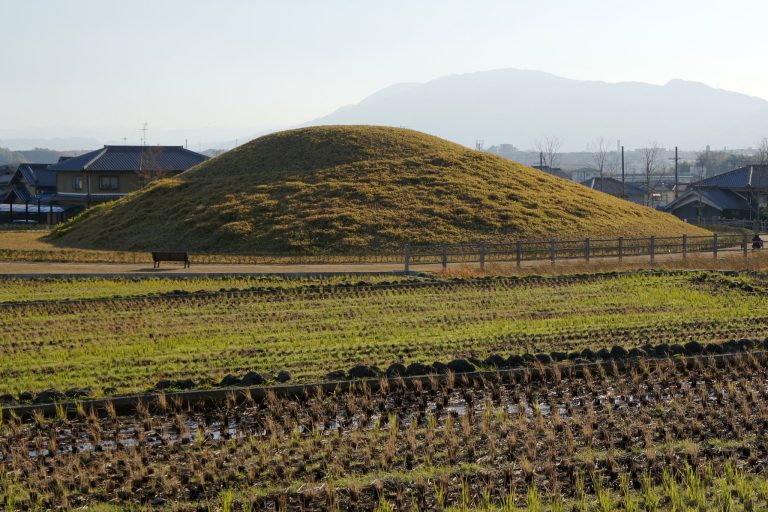
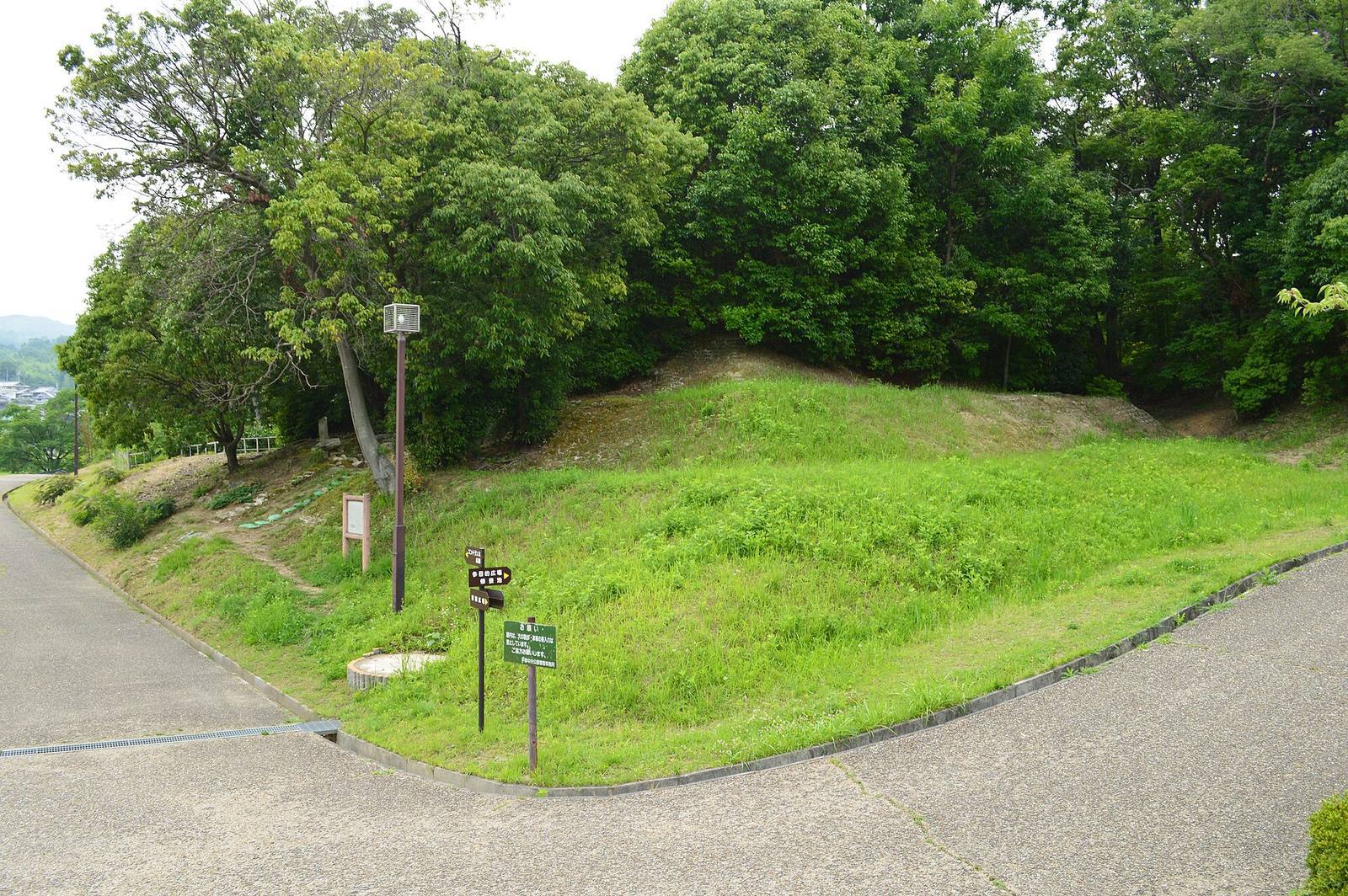
Nishinomiya Kofun is a Japanese burial mound in Nishinomiya, Heguri, Nara Prefecture, Japan. It was built in the middle to latter part of the seventh century, during the final phase of the Kofun period, an era named for the large burial mounds made for elites. The tomb is regarded as representative of this late phase in the Heguri Valley.
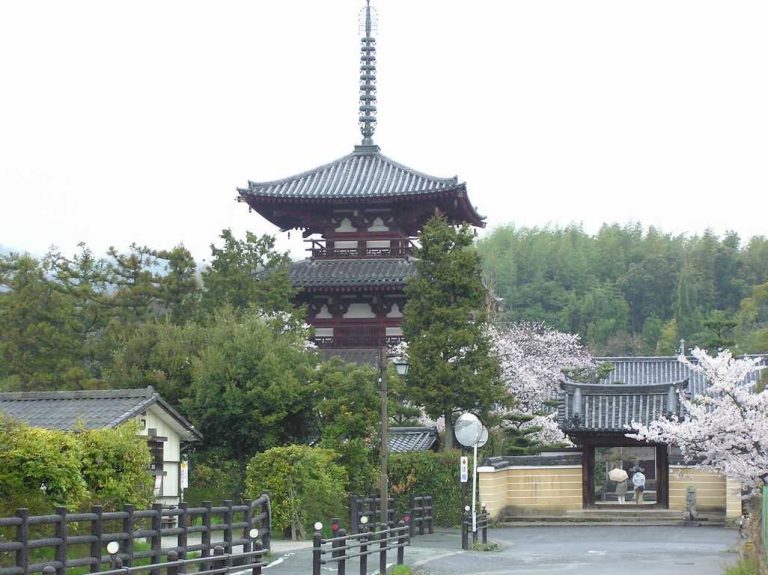
The identity of the person buried there is unknown. One theory proposes that the tomb held Yamashiro no Ōe, son of Prince Umayado, the early seventh-century prince and statesman better known as Prince Shōtoku. This proposal draws on the tomb’s scale and contents. Remains about one kilometre to the south are interpreted as the location of Prince Umayado’s detached palace.
The burial chamber had long been open, and the tomb was investigated several times. Nara Prefecture designated the tomb area a historic site on 7 August 1956.
Remains
Nishinomiya Kofun stands on the southern slope of a hill within Heguri Central Park. The same hill has a keyhole-shaped mound, formed from circular and rectangular sections, at its highest point, a square tomb southwest of the summit, and two square tombs at the southern foot, including Nishinomiya Kofun.
Mound and perimeter
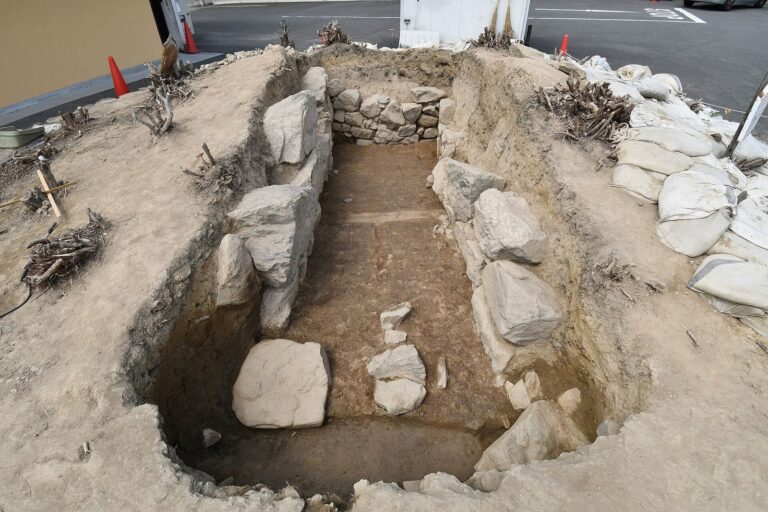
The square mound measures about 35.6 metres on each side. Its southern face rises at least 7.2 metres, and its reconstructed height is estimated at about 8 metres. Three tiers have slopes of approximately 35 degrees. Facing stones cover the exterior, backed by a gravel layer around 40 centimetres thick. A ditch encircles the mound, and stones also line the bottom of its eastern section.
Stone chamber
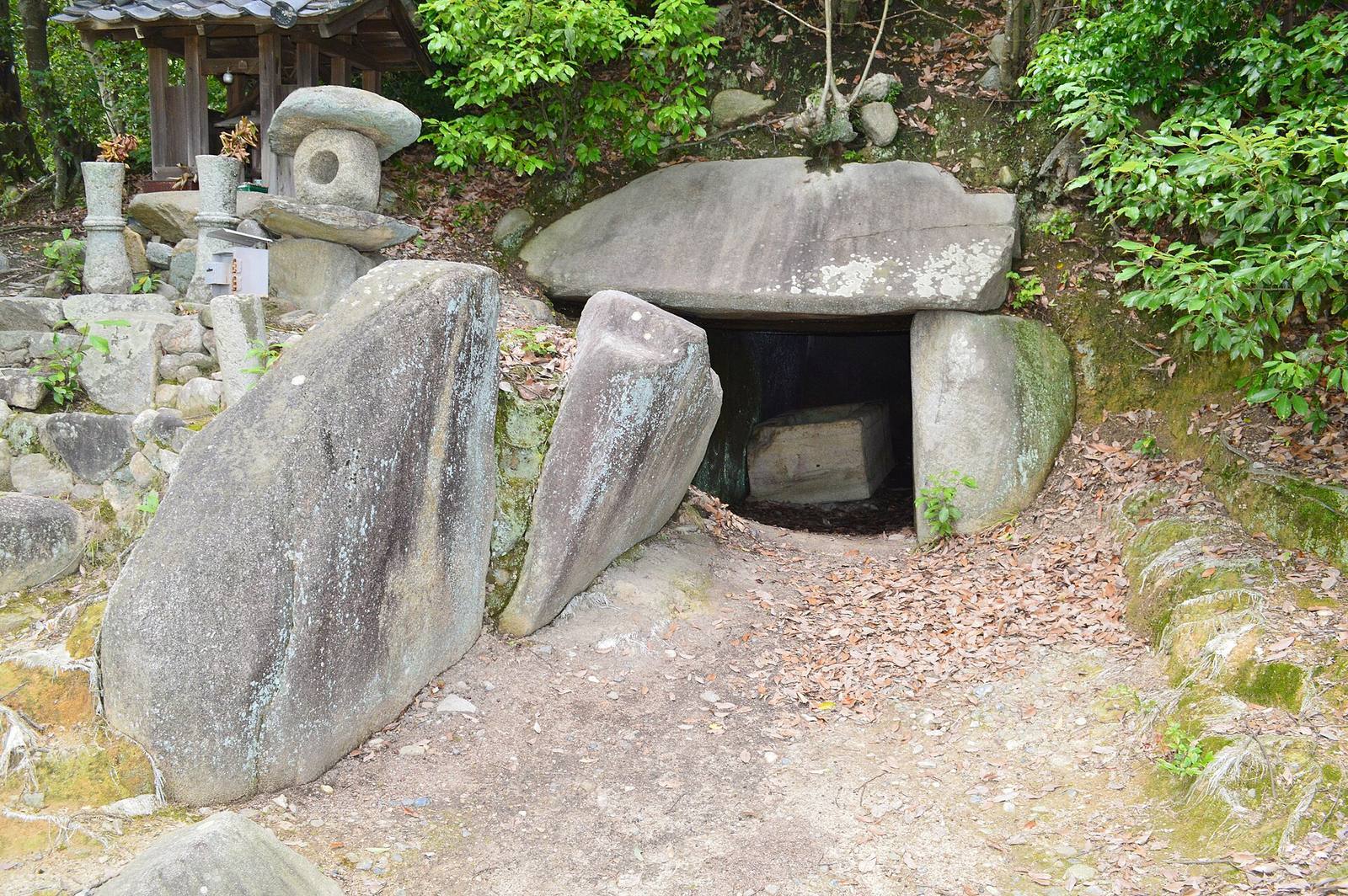
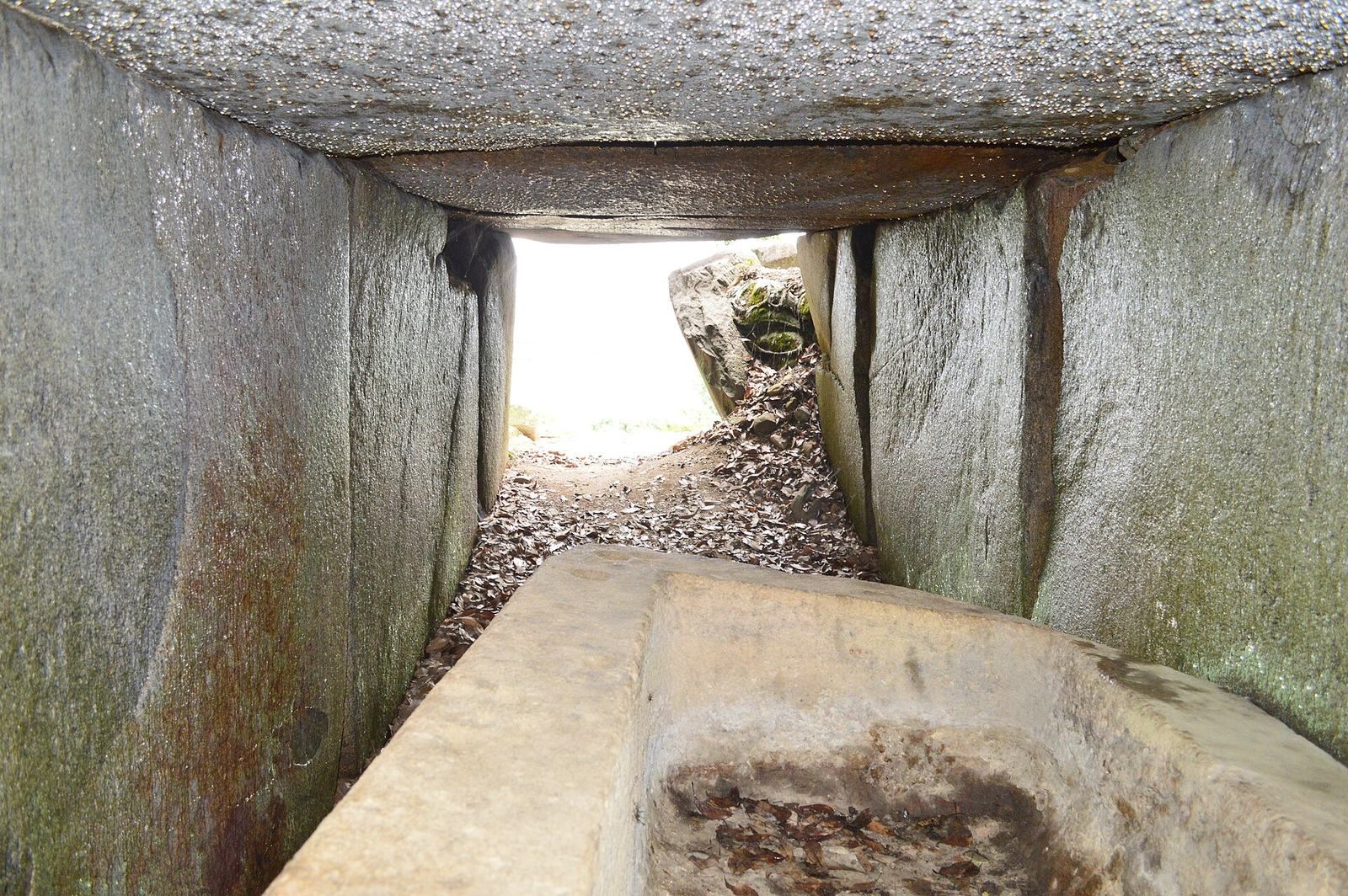
A south-facing stone chamber, reached by a passage from outside the mound, extends about 14 metres overall. The burial chamber measures approximately 3.6 metres long, 1.8 metres wide, and 1.8 metres high. Finely cut granite forms the structure, with a single large slab for each of the rear wall, side walls, and ceiling; plaster remains visible in the joints. The stone came from Koshikizuka in Heguri, near the former site of a shrine. Projections flank the entrance passage. The chamber floor aligns with the mound’s second terrace, while a one-step drop in the approach forms the passage. The passage ceiling stone was shaped to follow the mound’s slope, a treatment also used at a tomb in Asuka.
Sarcophagus and excavated objects
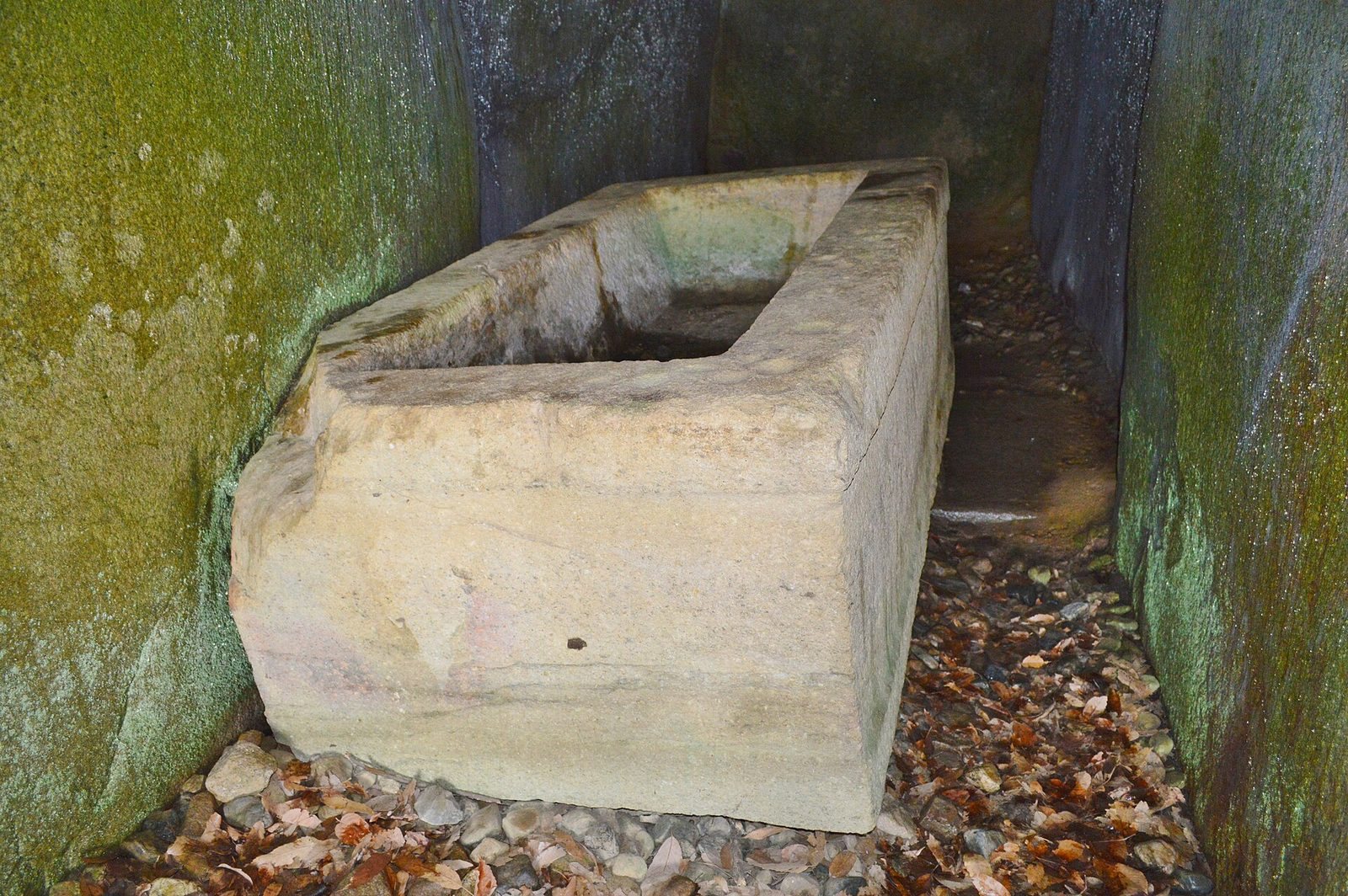
The chamber held a hollowed, house-shaped stone sarcophagus made from stone quarried in the Kakogawa River basin of Hyogo Prefecture. Its surviving coffin body is about 2.24 metres long, 1.15 metres wide, and 0.76 metres high, with raised bands along the upper and lower parts of the exterior. During the early modern period, small stones inscribed with Buddhist scripture, known as pebble sutras, were laid over the chamber floor. Excavations also recovered a Sue ware cup lid and a tall-stemmed pedestal cup. Sue ware is high-fired stoneware produced in ancient Japan.