Nijkleaster: An Open Monastic Community in the Netherlands
Site at a Glance
- Rating
- 4.7
- Popularity
- Very Low
- Country
- Netherlands
- Primary era
- Early Modern
- External website
- Open
- Eras represented
- Early Modern, Modern
- Civilizations
- Dutch
- Site type
- Religious
- Remains
- Monastery
On this page6 sections
History
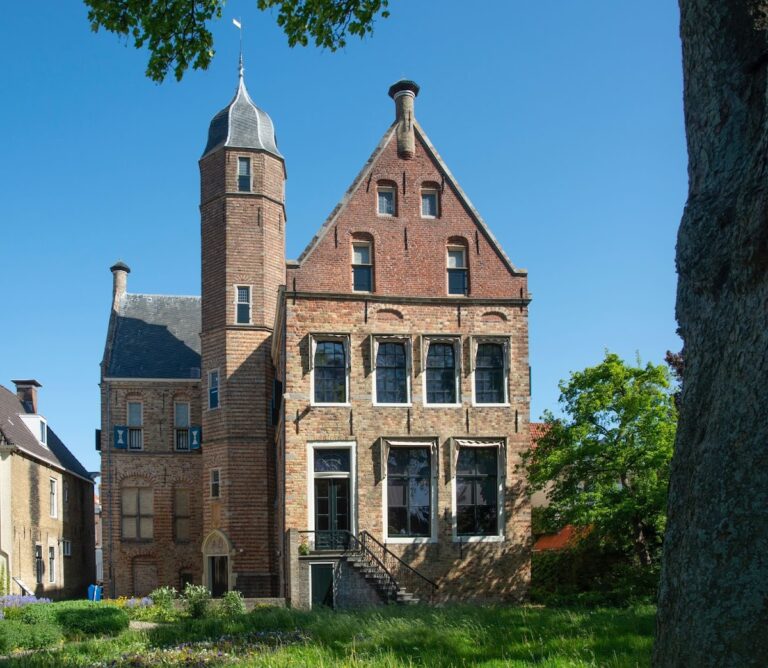
Nijkleaster is an open monastic community in the Netherlands, based at It Westerhûs near Hijlaard and shaped by Protestant-Christian and ecumenical principles. It was established as a foundation in 2009 on the initiative of minister Hinne Wagenaar and his wife, Sietske Visser. The project was supported by the local Westerwert Protestant congregation and the missionary department of the Protestant Church in the Netherlands, the country’s largest Protestant church organization, formed through the union of several Protestant traditions.
Beginnings in Jorwerd
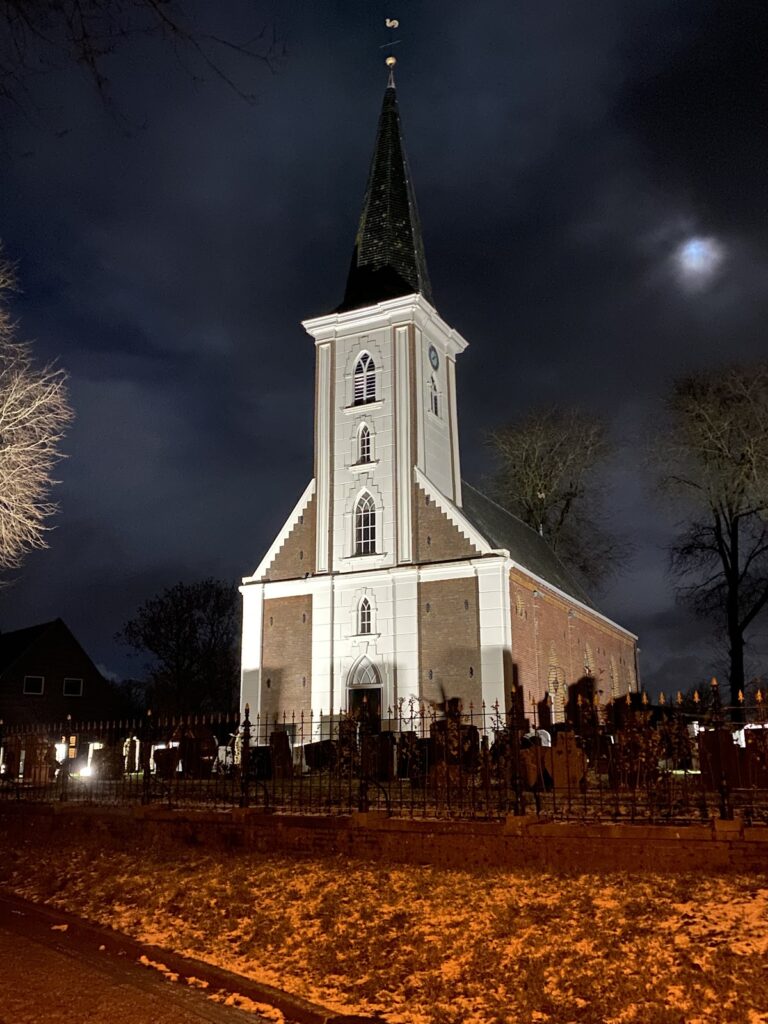
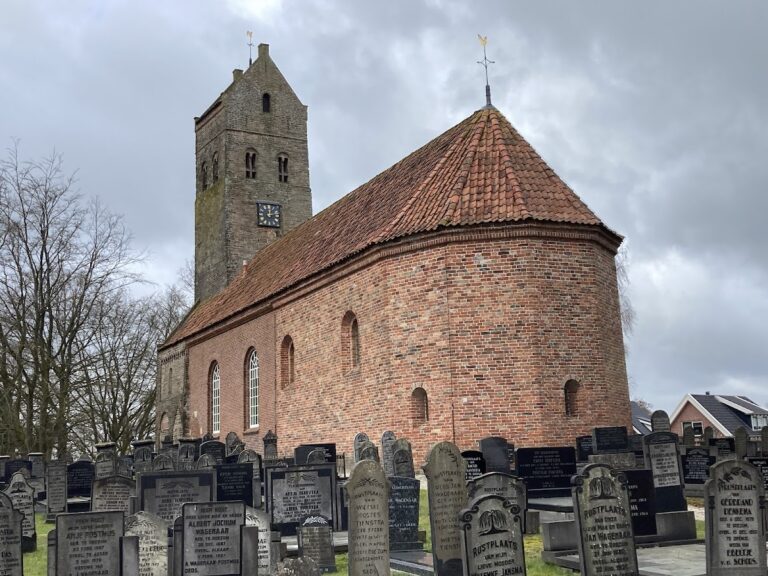
Nijkleaster’s first daily monastic activities began in July 2012 at the medieval Sint-Radboud Church in Jorwerd. A community of volunteers and interested participants formed around the church, taking part in regular rituals, periods of reflection, and small-scale retreats. The community’s ecumenical character encouraged participation across different Christian traditions rather than limiting worship or membership to one denomination.
Silence, reflection, and connection became central values. Prayer, retreats, study days, monastic days, celebrations, and the weekly Nijkleasterkuier monastery walk were developed as activities combining personal deepening with social engagement.
Establishment at It Westerhûs
From 2015, plans were developed for a permanent monastery at the monumental It Westerhûs farm. The complex was converted under the supervision of master builder Henk Kroes, giving the historic farm a new monastic function. It officially opened for use at Pentecost in 2023. Nijkleaster’s institutional base is now at Westerhûs, while the Sint-Radboud Church remains an associated location for Sunday services and larger gatherings.
The project received recognition for its approach to historic-building reuse. In 2024, Nijkleaster won the NRP Gulden Feniks in the Transformation category. That year, the project and the Missiehuis in Hoorn also jointly won the Pieter van Vollenhoven Prize for successful adaptive reuse of monuments, with the prize presented in September 2025. Nijkleaster received the Vredeman de Vries Prize for Architecture in 2025, whose jury assessed qualities including overall quality, sustainability, and artistic merit.
Remains
It Westerhûs Monastery
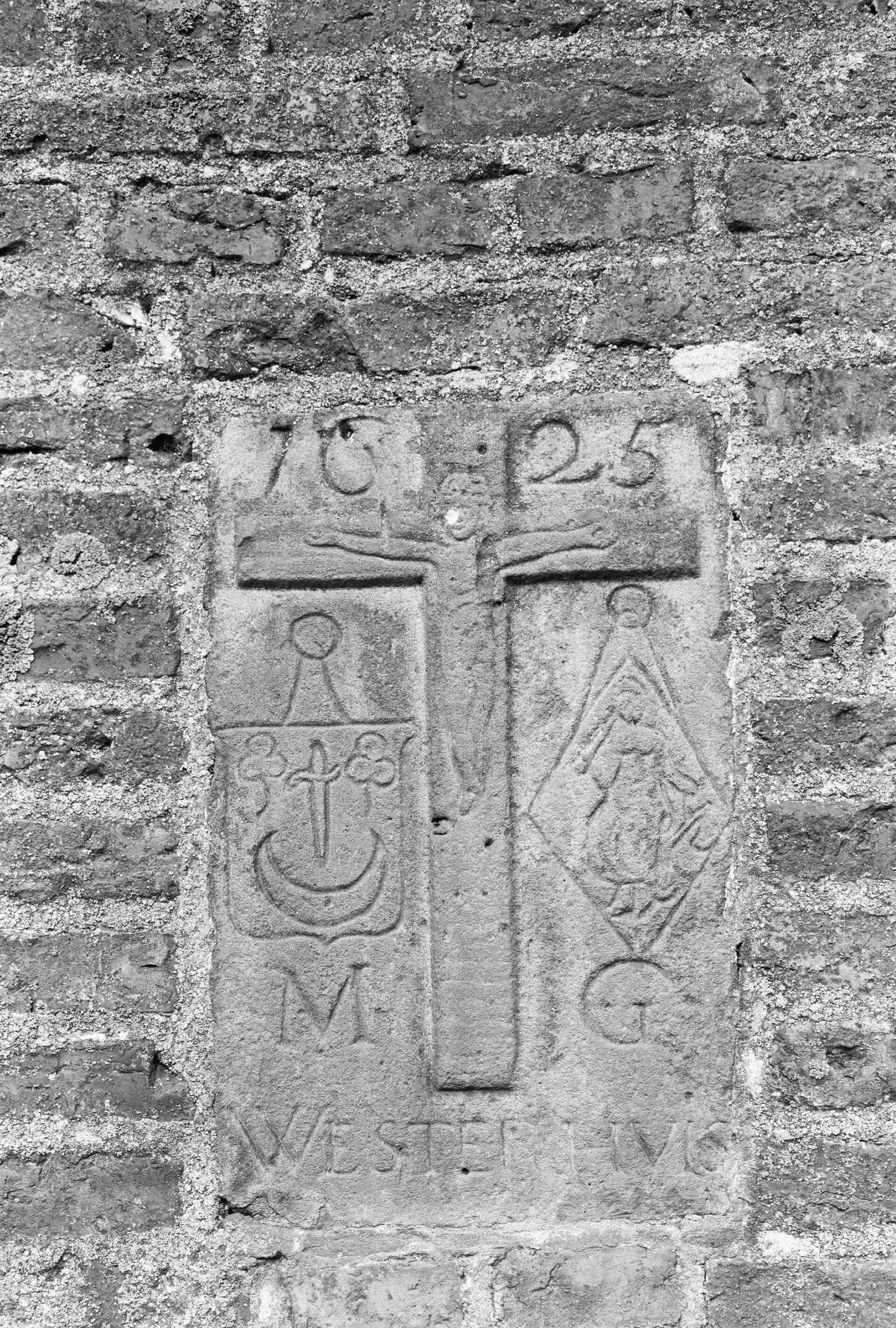
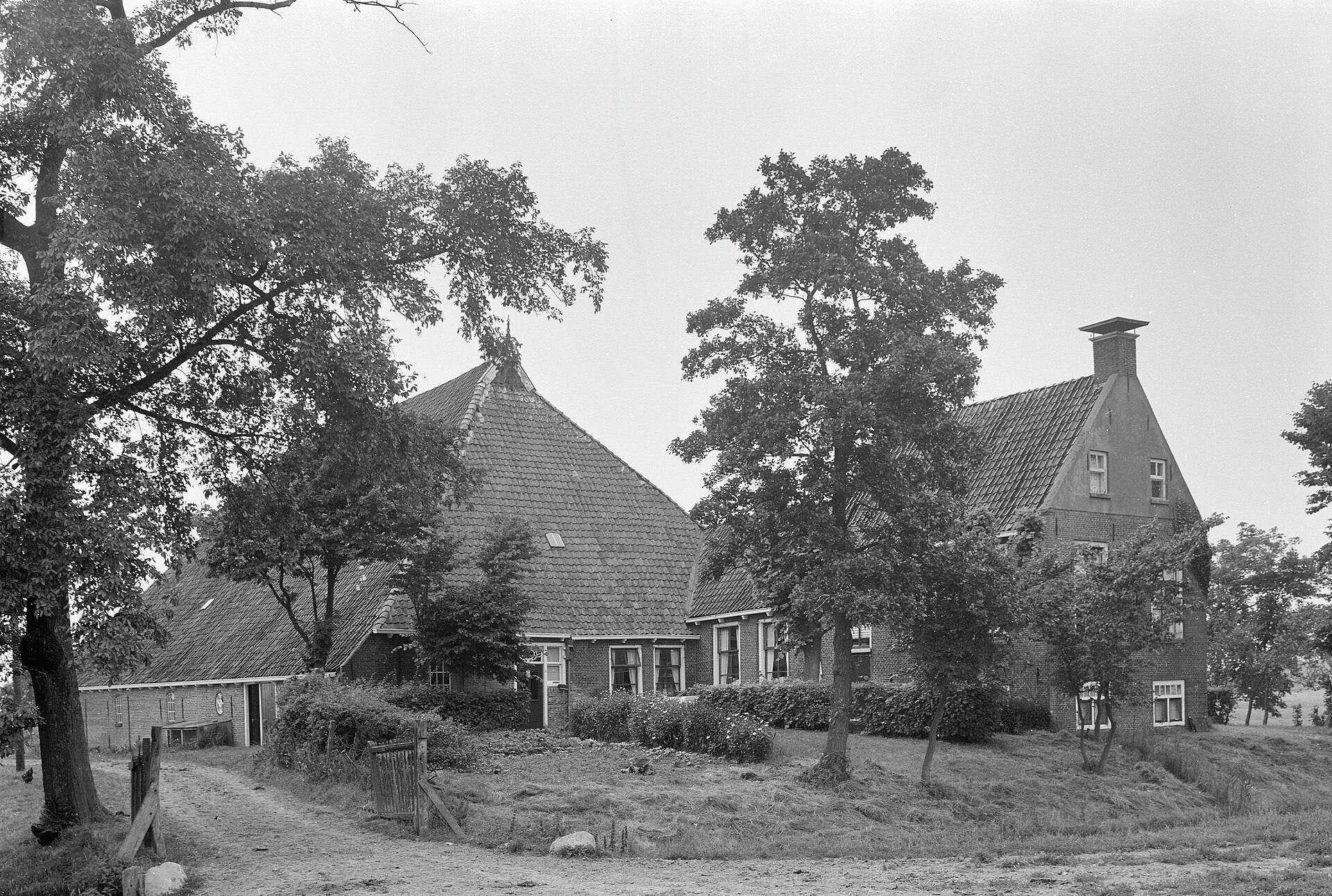
It Westerhûs is a kop-hals-romp farm, a traditional Frisian layout formed by a main farmhouse, a connecting section, and a larger rear barn. Built in 1625, it has held official Dutch national-monument status since 1970. Its conversion created three monastic residences, nine guest accommodations, and shared communal spaces while adapting the existing complex for its new religious and communal use.
A day chapel occupies the former dairy cellar. The renovation also introduced solar panels, a heat pump, and rainwater collection, together with provisions for bats and birds. Works by painter Jentsje Popma are located within the monastery and in the round chapel outside; Popma donated them to the Nijkleaster Foundation.
Sint-Radboud Church
The medieval Sint-Radboud Church in Jorwerd, also known as the Redbadtsjerke, remains an important worship and gathering space associated with Nijkleaster. Nijkleaster rents the church for Sunday services and larger events. The Alde Fryske Tsjerken Foundation owns the building.