Nieuwe Kerk in The Hague: A Dutch Reformed Church and Concert Hall
Site at a Glance
- Rating
- 4.5
- Popularity
- Medium
- Country
- Netherlands
- Primary era
- Early Modern
- Eras represented
- Early Modern, Modern
- Civilizations
- Dutch
- Site type
- Religious
- Remains
- Church
On this page9 sections
History
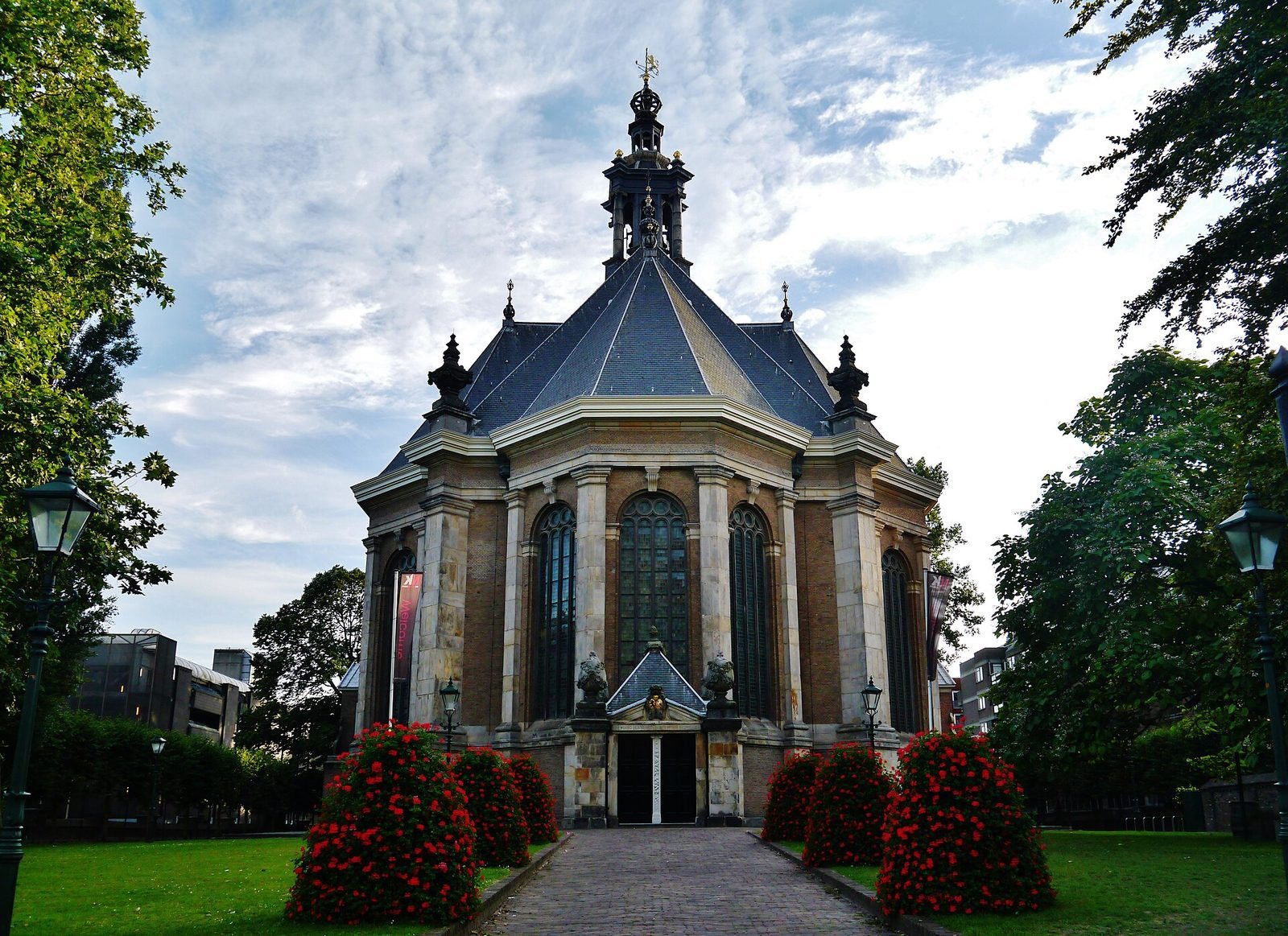
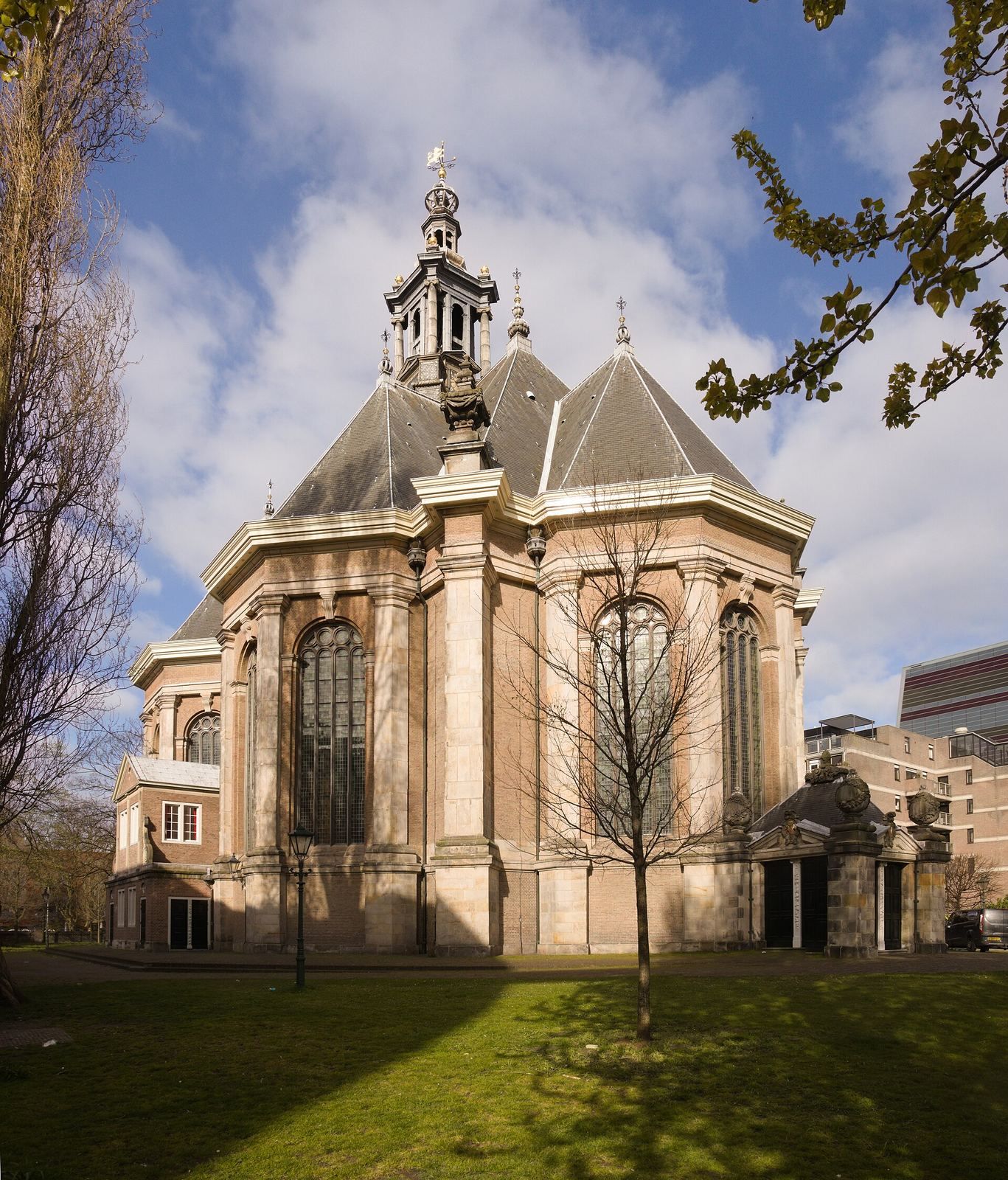
The Nieuwe Kerk in The Hague is a church of the Dutch Reformed Church, a major Reformed Protestant denomination in the Netherlands. Built from 1649 to 1656, it combines Renaissance, Classicist, and Baroque elements and is a notable example of early Protestant church architecture in the country. The city built it because the Great Church of St James had become too small for its congregation.
Construction and Worship
Carpenter Pieter Noorwits designed the church with assistance from Bartholomeus van Bassen, a painter and architect. Noorwits was later buried there; the church burial register gives 11 February 1669 as the date of his burial.
Memorials and Commemoration
In the eighteenth century, the church contained graves and memorial boards. In 1795, the Batavian Republic, established after a late-eighteenth-century revolution, ordered the removal of boards bearing family coats of arms as it abolished noble status. The church is also associated with the tombs of Johan and Cornelis de Witt, prominent seventeenth-century statesmen.
Closure and Later Use
Declining congregations led the church to close for worship in 1969. It was restored that year and again in 1987, then reopened as a concert hall and multipurpose venue. From 1987 to 2015 it formed part of the Dr. Anton Philipszaal/Lucent Danstheater complex; since late 2021 it has been part of the Amare complex.
The Nieuwe Kerk is a Dutch national monument and was included in the Netherlands’ Top 100 national monuments in 1990.
Remains
Rather than following a long nave, the church is organized around two octagonal spaces joined by a slightly narrower section, where the pulpit was placed. A heavy oak roof spans the building and rests on the outer walls without interior columns or additional ceiling beams. This arrangement has caused no structural problems since 1656. The church stands on the Spui opposite the modern city hall. Before nearby canals were filled, it occupied an island bounded by the Spui, Amsterdam Veerkade, Paviljoensgracht, and St. Anthonisburgwal, now Gedempte Gracht.
Tower and Clock
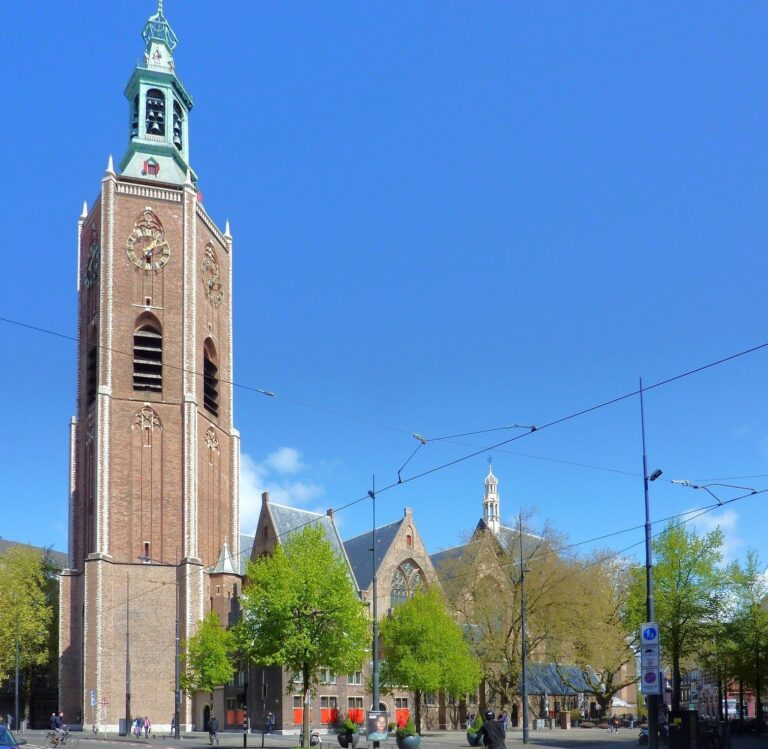
The tower measures 52.66 metres to the top of its weather vane. Its bell frame holds two bells cast in 1656 by The Hague bell founder Coenraad Wegewaert. They measure 100.2 and 81.5 centimetres in diameter. Wegewaert also made the tower’s wrought-iron clock, which has a double striking mechanism and was later fitted with automatic winding.
Interior Furnishings
The pulpit and the rail enclosing the baptismal font area are among the original furnishings that survive. Acoustic alterations adapted the interior for concert use.
Organ
Johannes Duyschot built the organ in 1702. Most of its original pipes and its case survive. The Witte company rebuilt it in 1867 for Romantic-period music. A restoration by Flentrop, completed in 1977, retained Witte’s design and added an independent pedal division, played with the feet. The instrument has three hand-operated keyboards and 28 stops, controls for sets of pipes.
Graves and Memorials
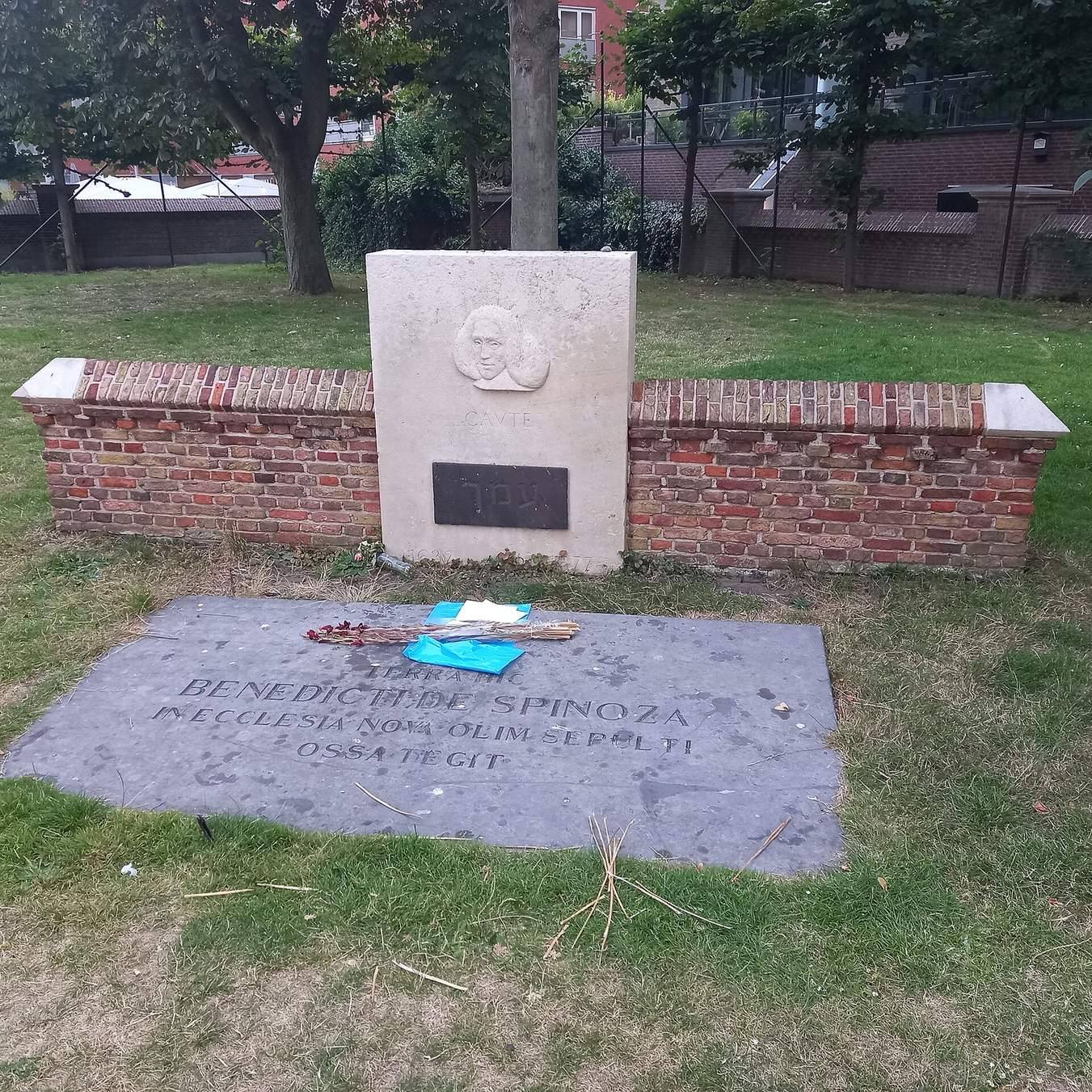
Twelve gravestones are built into the cellar walls, and the cellar serves as a foyer during concerts. Baruch Spinoza’s grave monument stands in the churchyard garden. Spinoza was a seventeenth-century Dutch philosopher.