Niconium: An Ancient Greek City on the Dniester
Site at a Glance
- Popularity
- Medium
- Country
- Ukraine
- Primary era
- Classical
- Eras represented
- Iron Age, Classical
- Civilizations
- Ancient Greek
- Site type
- City
On this page8 sections
History
Niconium was an ancient Greek city on the left bank of the Dniester estuary in present-day Ukraine, founded by Greek colonists in the latter part of the sixth century BC. It stood near the edge of the Greek world, among communities influenced by Scythians, peoples of the Eurasian steppe, and Thracians of southeastern Europe. Fishing and exchange with peoples north of the Black Sea encouraged Greek settlement in the wider region.
Foundation and regional connections
The colonists’ exact homeland is uncertain. They may have come from Miletus, a major Greek city in Ionia on the western coast of Asia Minor, from Histria, a Greek colony near the Danube delta, or from Ionia more generally. Niconium’s name may have honored its founder. Other possible meanings are “city of victory,” perhaps referring to a Scythian victory over the Persian king Darius I, or “city of Nikon.”
Niconium was a small Greek city-state, or polis, comprising the urban settlement and about a dozen rural communities on the Dniester’s left bank. Agriculture was central to its economy. For an extended period the city depended politically and economically on Histria, while its trade reached Ionian and other Greek cities, the Aegean islands, Histria, and Olbia, another Greek city on the northern Black Sea coast.
Prosperity and destruction
Niconium flourished from the latter half of the fifth century through the fourth century BC, developing defenses as it grew. Pottery imported from Attica, the region around Athens, during the fifth century reflects Athens’ political and economic influence in the area. Coins cast in bronze at Histria served as the city’s principal internal currency from the sixth to the first century BC. Distinctive fifth-century coins found at Niconium may indicate that the city also issued its own money. Their inscriptions have often been associated with Scyles, a Scythian king, though the issuer may instead have been another person with a similar name.
The city began to decline around the third quarter of the fourth century BC and was destroyed in the century’s second half. Its destruction has been linked to the 331 BC campaign of the Macedonian commander Zopyrion against Olbia. Galatian and other incursions are also associated with Niconium’s decline. An inscription records that people from nearby Tyras helped residents left homeless by the destruction.
Renewed occupation and later history
Niconium was eventually abandoned. Military damage contributed to its decline, and the nearby channel of the Dniester became unnavigable, weakening the site’s usefulness as a settlement. Occupation resumed at the end of the first century AD or around the transition into the second century, following a hiatus of about three centuries. Greeks then lived alongside people whose customs showed Sarmatian and Late Scythian influences. The Sarmatians, another people of the Eurasian steppe, may have cooperated with the Roman garrison at Tyras. The settlement ended around the middle of the third century AD, with Gothic incursions associated with its abandonment.
Archaeological work began in 1957 with staff from the Odesa Archaeological Museum. An expedition from Nicolaus Copernicus University in Toruń joined the investigations in 1995. Ukraine designates Niconium an Immovable Monument of National Significance.
Remains
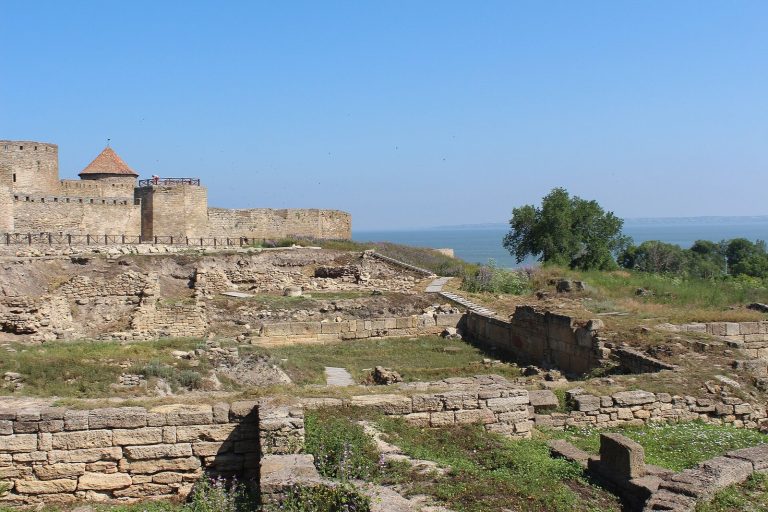
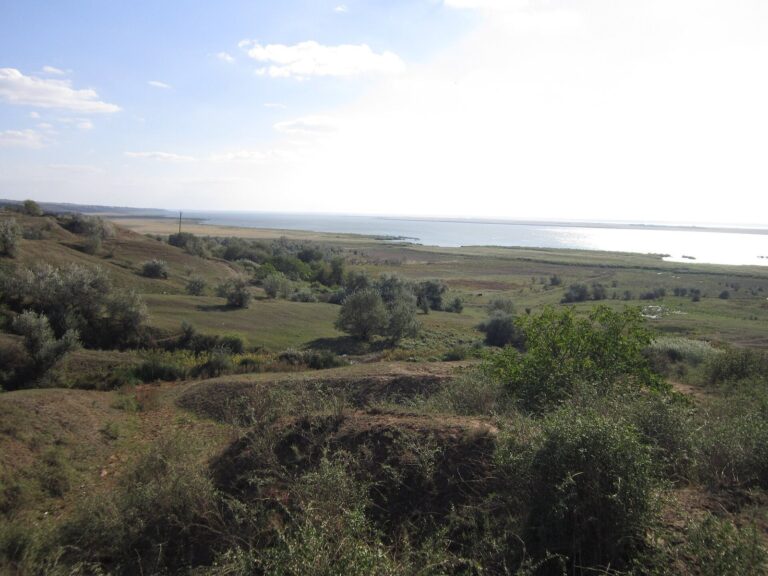
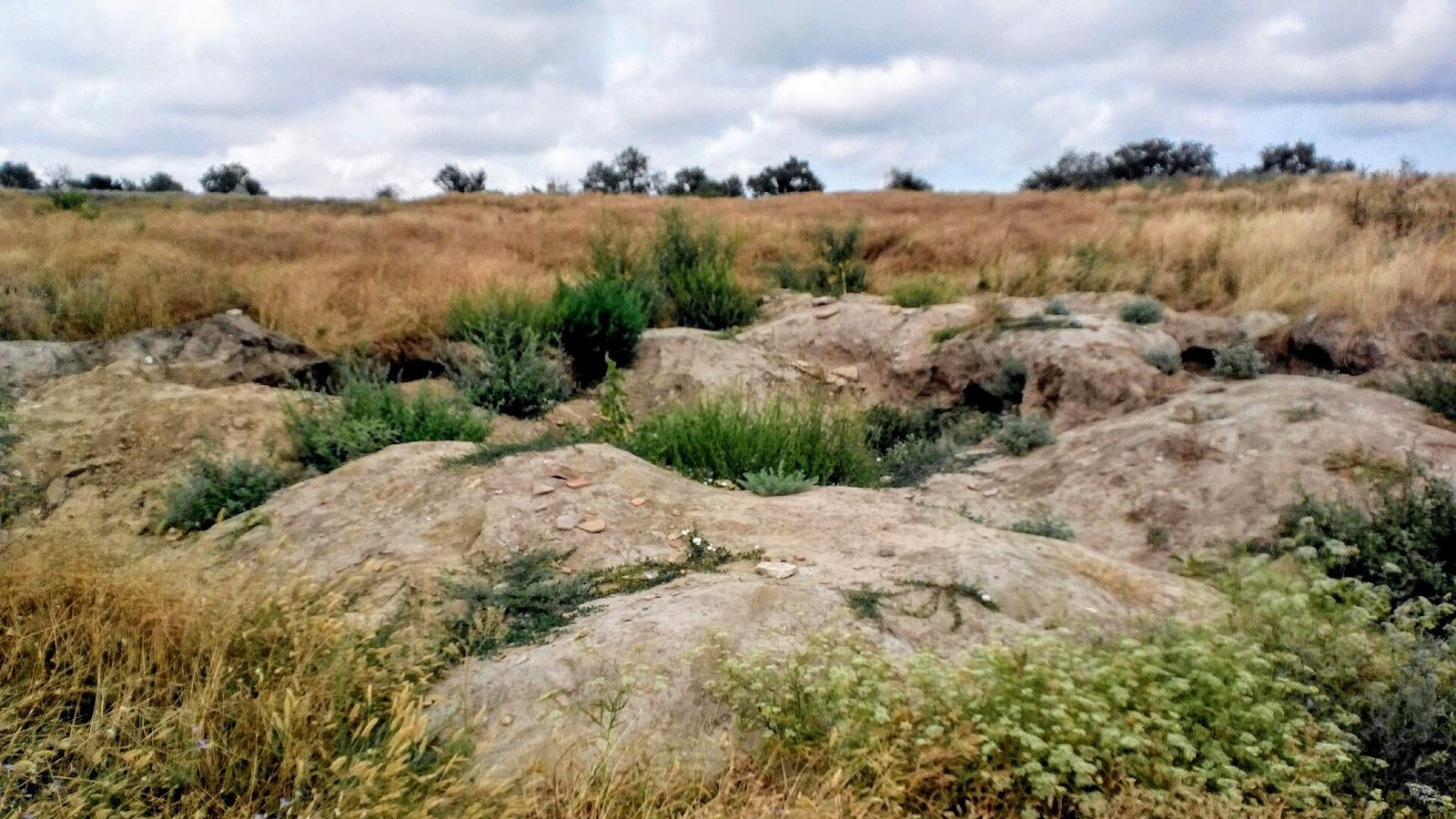
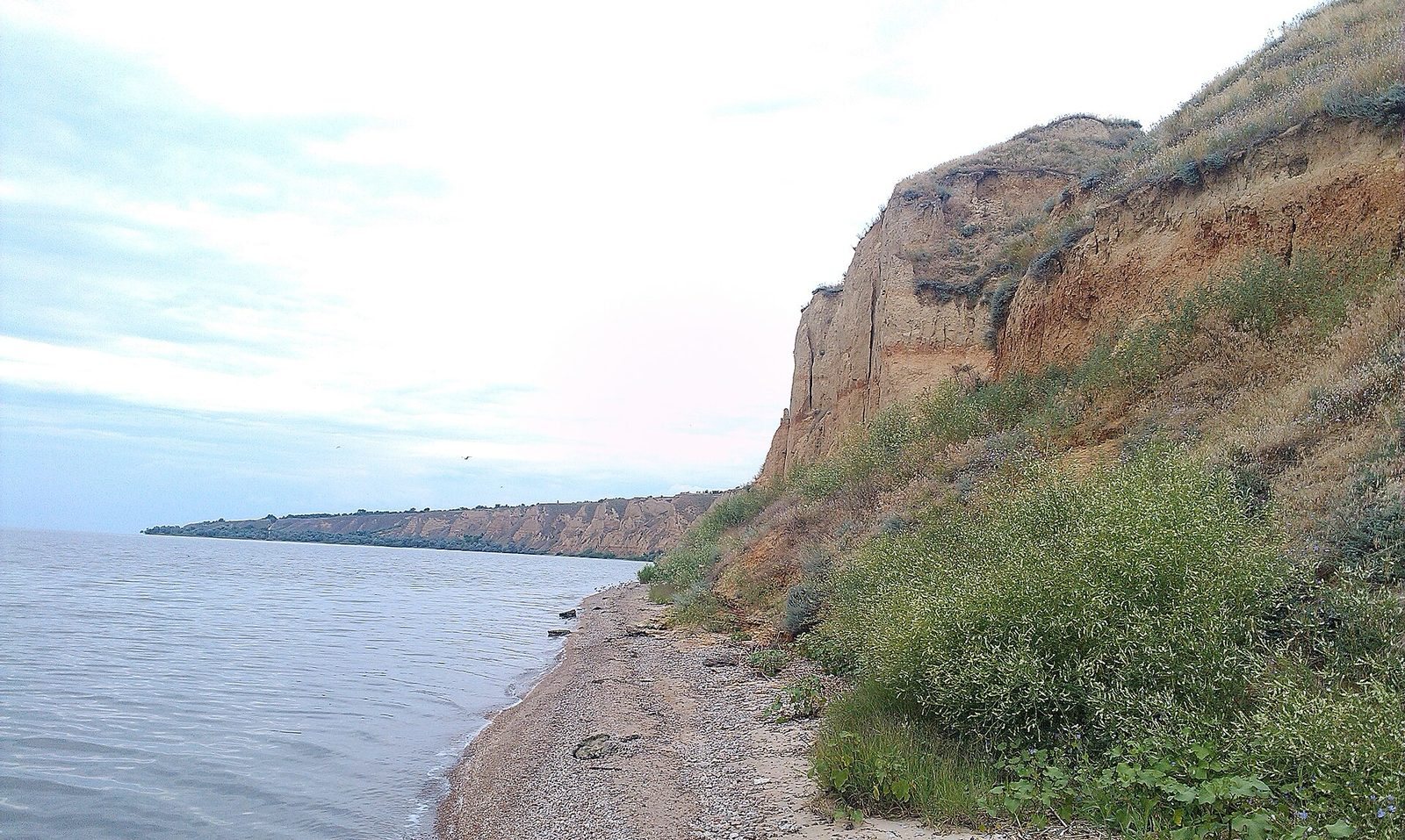
The remains occupy a plateau on the estuary’s eastern bank, roughly 300 metres northwest of modern Roksolany. The ground falls steeply toward the water, and the lower terrace is submerged. The site covers about seven hectares and is partly underwater. Natural ravines around the settlement offered defensive advantages. Its surviving remains reflect successive building practices, from early dwellings to stone construction and later, lighter houses.
Early settlement and defenses
Remains from Niconium’s earliest phase include dwellings and fragments of Ionian pottery. Stone building began in the city during the fifth century BC. By about the middle of that century, the settlement had defensive walls, several stone houses, and a paved street. In the surrounding rural communities, dugout homes were gradually replaced by houses built in the Greek manner.
Later houses
Buildings in the renewed settlement used lighter construction than the earlier stone houses. Many incorporated pieces salvaged from those older buildings. The later settlement covered a larger area than its predecessor.
Coins and burial evidence
Bronze coins from the second quarter of the fifth century BC show an owl on the front and a four-spoked wheel on the back. Their inscriptions appear in forms rendered as SK, SKY, SKYL, and SKYLE. A nearby burial ground has also provided evidence used to assess changing cultural influences within the settlement.