Newbuildings Place: A Mannerist Country House
Site at a Glance
- Popularity
- Medium
- Country
- United Kingdom
- Primary era
- Early Modern
- Eras represented
- Early Modern, Modern
- Civilizations
- British, English
- Site type
- Domestic
- Remains
- Elite Residence
On this page9 sections
History
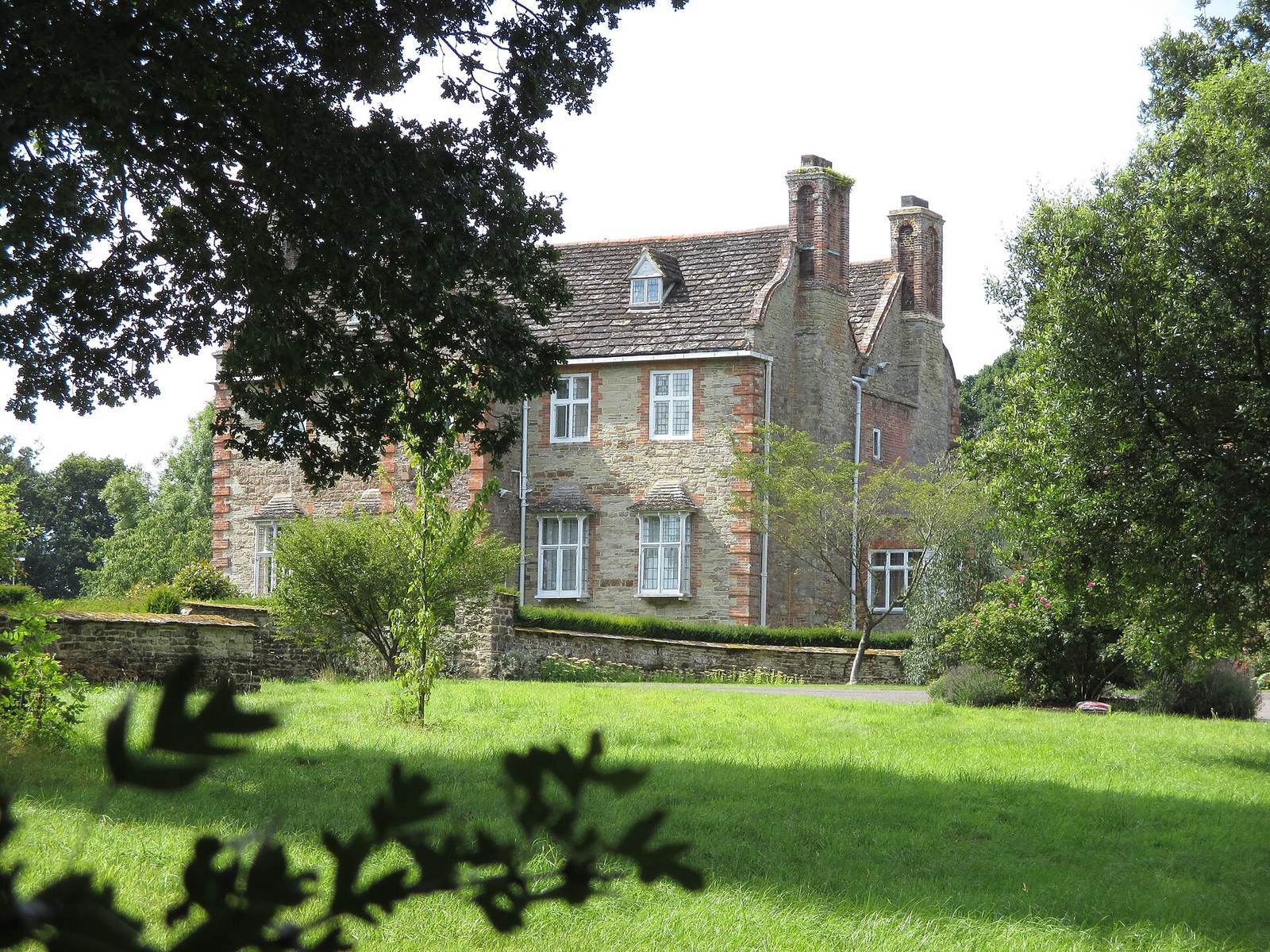
Newbuildings Place is a country house in the United Kingdom, about 1.5 miles from the church at Shipley in West Sussex. Philip Caryll built it around 1683 in the Artisan Mannerist style, a form of Mannerism, the European style that followed the Renaissance. The house was made for the Roman Catholic Caryll family, who owned the estate for more than a century.
Caryll ownership and pauper housing
During the 1820s and 1830s, paupers were housed at Newbuildings Place. In 1833, some used the house’s wood panelling for firewood, damaging the building.
Wilfrid Scawen Blunt
The English author and poet Wilfrid Scawen Blunt lived at the house from 1870 to 1872. He returned in 1906 after separating from his wife, Lady Anne Blunt. During his first stay, he acquired tapestries and furniture from William Morris, a British artist, designer and writer associated with the Arts and Crafts movement.
Blunt was buried in a tomb in the grounds. In his will, he requested burial in the woods, wrapped in his travelling carpet rather than placed in a coffin.
Later ownership and listing
After Blunt’s death, his daughter Judith Blunt-Lytton, 16th Baroness Wentworth, owned the house. It later belonged to John Lytton, 5th Earl of Lytton. Newbuildings Place became a Grade I listed building in 1959; the barn and dovecote in its grounds are Grade II listed.
Remains
The house
The two-storey stone house has two gables on its façades and a roof of Horsham Stone slabs. This local Sussex stone was used for building and roofing. The Artisan Mannerist style is unusual among houses in Sussex and is more commonly found in Kent and Surrey.
Exterior
The house’s stone construction includes Horsham Stone. During Blunt’s residence from 1870 to 1872, oak was added to the porch and panelling.
Interior
Some interior features follow Jacobean design, associated with the reign of James I of England. The kitchen and cellar are original to the house. Its design also included numerous priest holes, concealed spaces intended to hide Catholic clergy during periods of anti-Catholic persecution in England. Tapestries and furniture Blunt acquired from William Morris remain in the house.
Grounds
The grounds contain Blunt’s tomb, as well as a barn and a dovecote. The barn and dovecote are Grade II listed structures.