New Cathedral of Plasencia: A Catholic Cathedral Dedicated to the Assumption
Site at a Glance
- Popularity
- Medium
- Country
- Spain
- Primary era
- Early Modern
- Eras represented
- Medieval, Early Modern
- Civilizations
- Crown of Castile, Habsburg, Habsburg Spain, Spanish
- Site type
- Religious
- Remains
- Cathedral
On this page15 sections
History
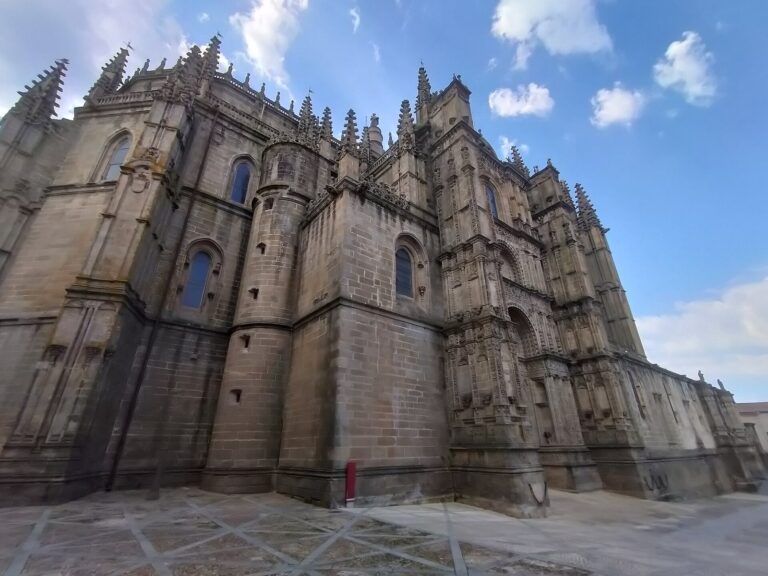
The New Cathedral of Plasencia is a Catholic cathedral in Spain, dedicated to the Assumption of Mary and serving as the seat of the Diocese of Plasencia. A diocese is a church district overseen by a bishop; the cathedral is served by secular clergy, who serve in dioceses rather than belonging to a religious order. It is Extremadura’s largest and most richly decorated church. Construction began in 1498 to a late-Gothic design by Enrique Egas.
Building and continuing use
Juan de Álava followed Egas in the work, and several other Spanish architects contributed to the project, including Francisco de Colonia, Alonso de Covarrubias, Diego de Siloé, Rodrigo Gil de Hontañón, Pedro de Ezquerra, and Pedro de Ibarra. Building continued across later centuries. Work was interrupted in 1578 and later resumed, but financial shortages left the cathedral unfinished.
The new building required the demolition of the Old Cathedral’s transept and part of its eastern end. Funeral ceremonies for Charles V, Holy Roman Emperor and ruler of Spain as Charles I, were held in the cathedral. Screens were erected to cover the south wall for the occasion.
Remains
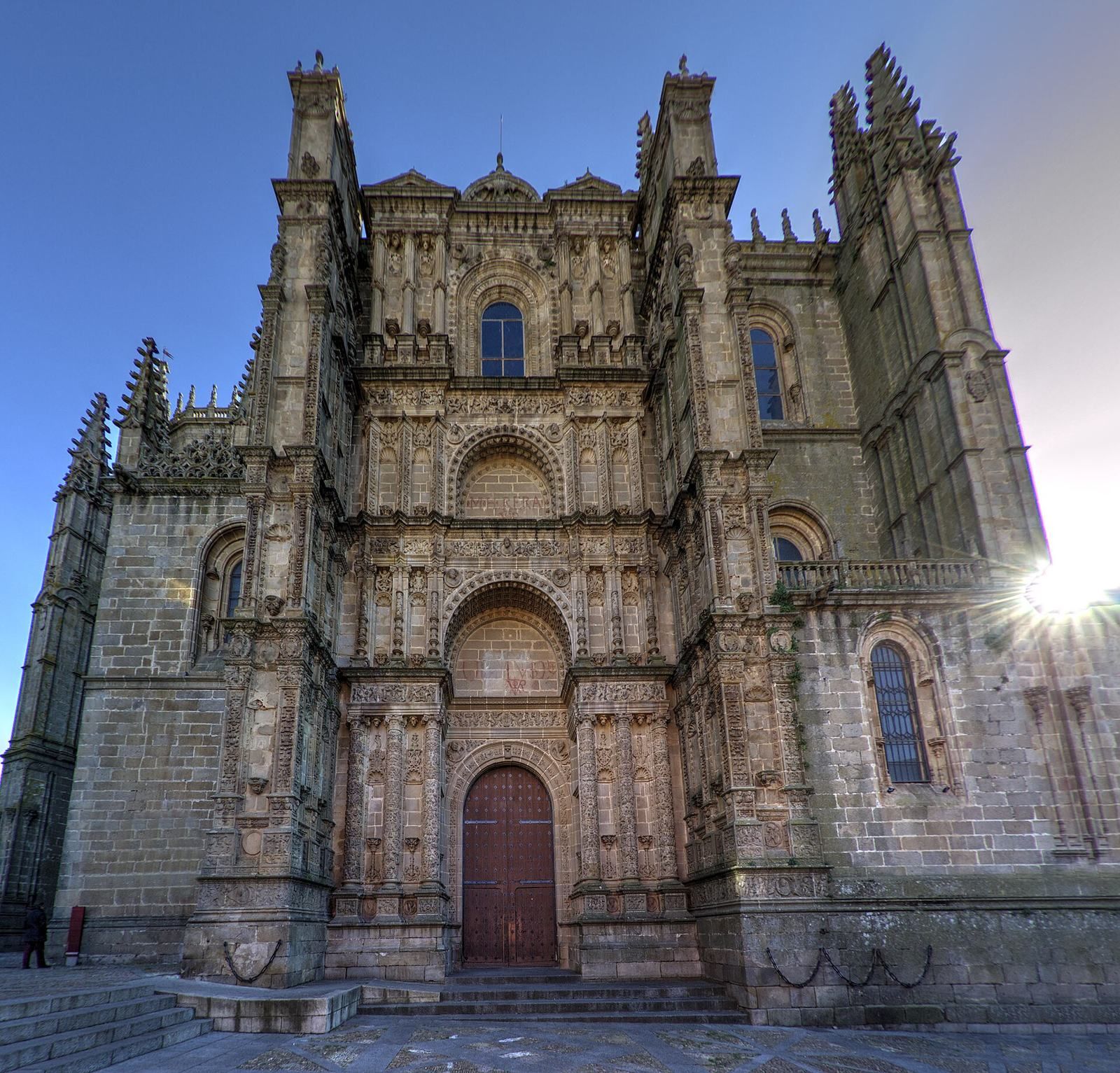
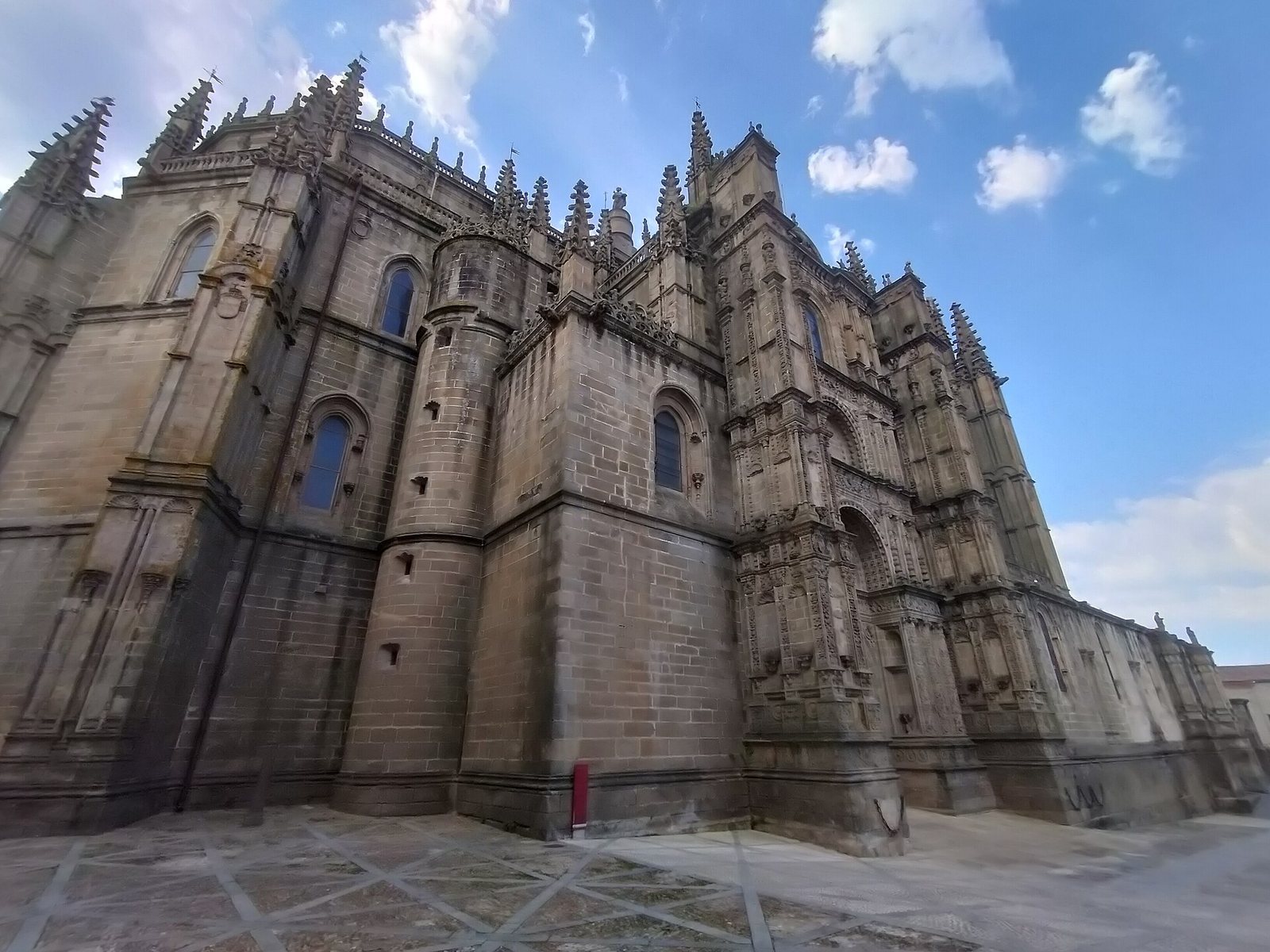
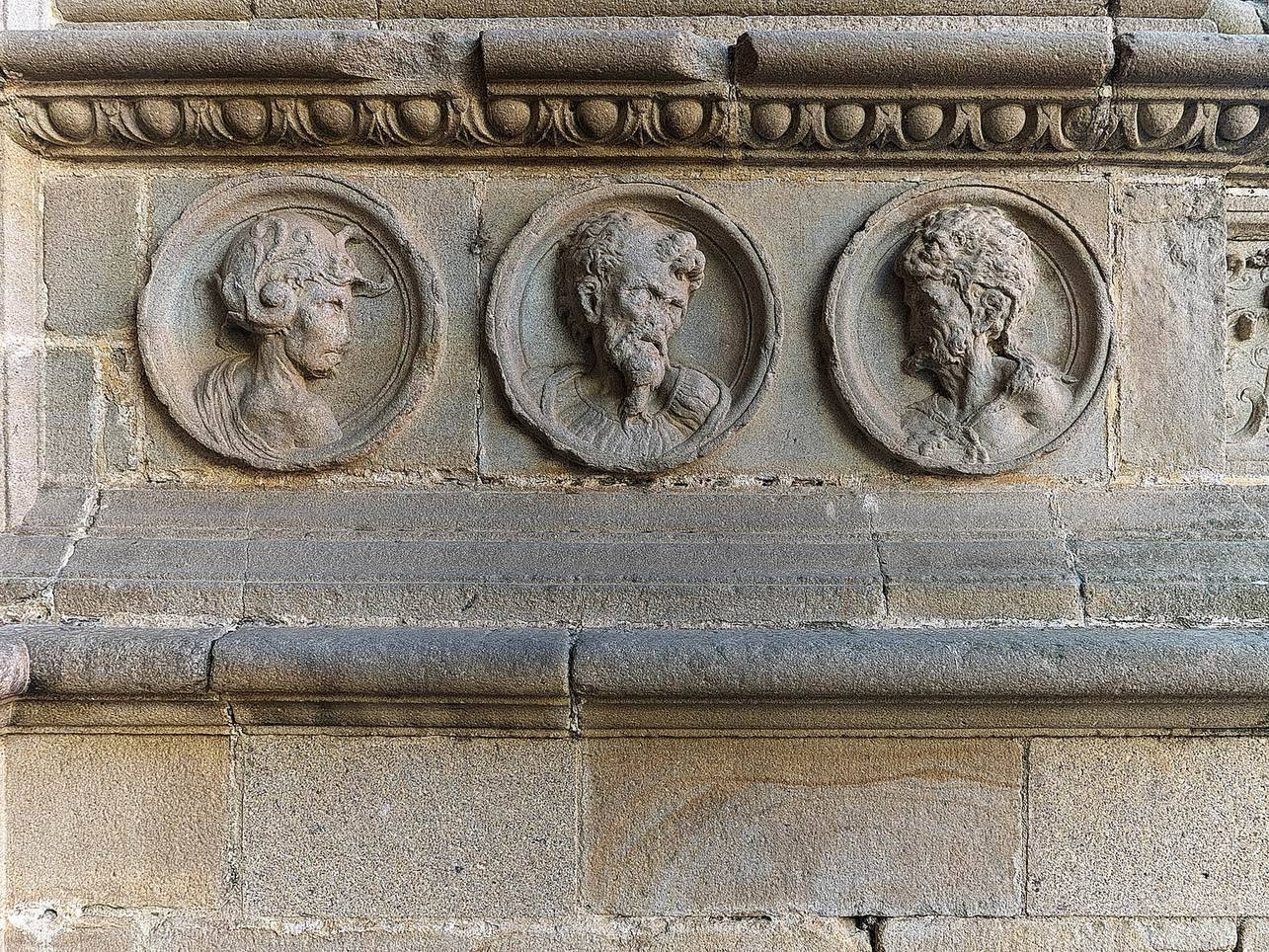
The cathedral combines a three-nave interior with two richly ornamented facades. The New and Old Cathedrals are connected through a cloister. Its exterior decoration includes openwork battlements, pinnacles, windows, images, and medallions. Both facades have Renaissance designs with Plateresque ornament, a Spanish Renaissance style characterized by intricate detail resembling silverwork.
Facades and interior structure
North facade
The principal facade is arranged in four tiers and five vertical divisions, giving it the composition of a stone altarpiece. Its construction is thought to have begun under Juan de Álava and to have been completed by Rodrigo Gil de Hontañón, who is credited with the upper tier, cresting, and pinnacles.
South facade
Dating from 1538 to 1548, the south facade is traditionally attributed to Diego de Siloé. A large semicircular arch and Ionic columns form its lower composition. Above them, a double arcade surrounds a window, flanked by the coats of arms of Charles V and Bishop Gutiérrez de Carvajal.
Naves and crossing
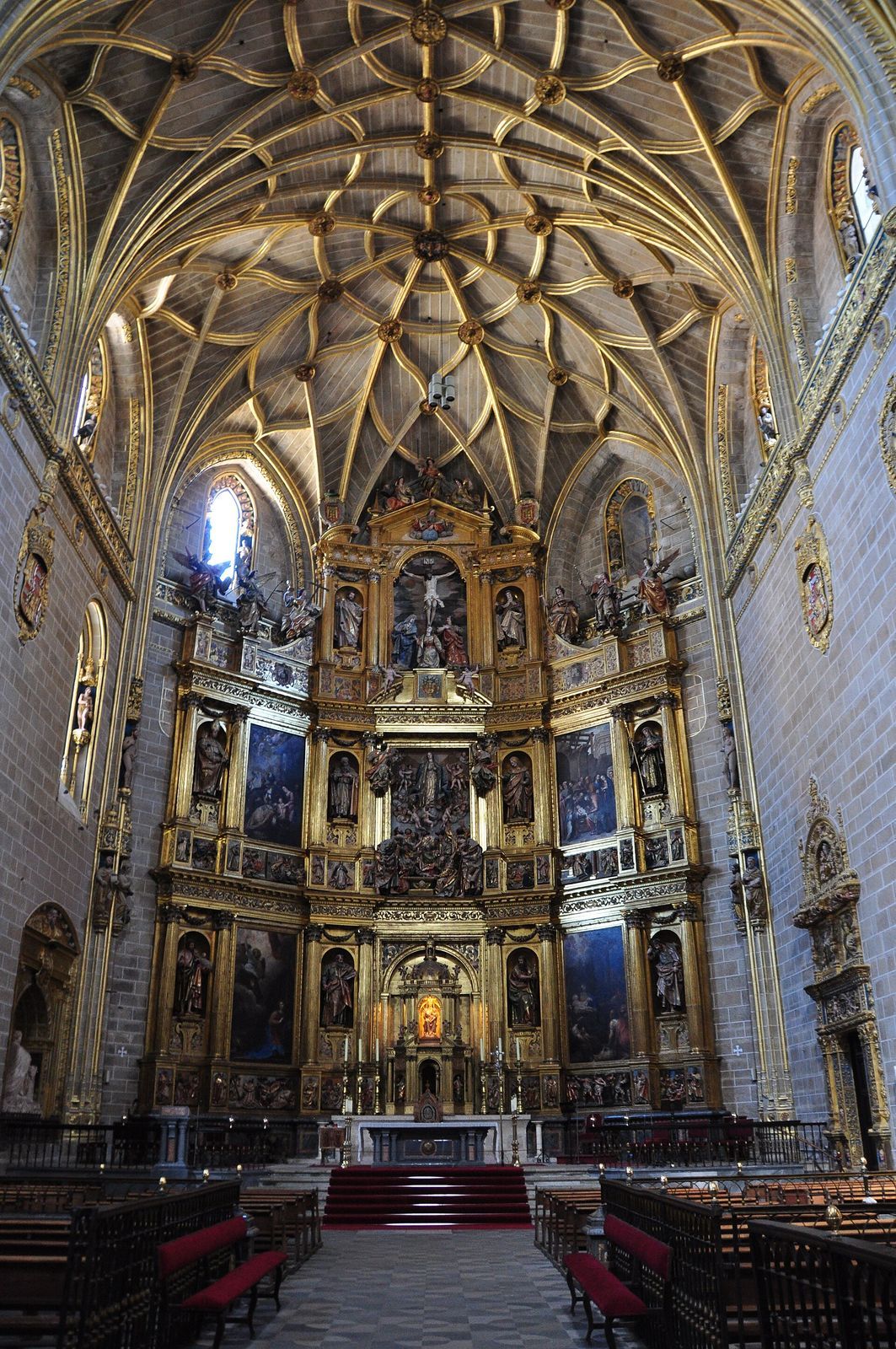
The three naves, the church’s principal lengthwise divisions, each rise 26 metres. At the crossing, where the lengthwise space meets the crosswise arm, an open rib vault forms the ceiling. Clustered columns support it, with ribs rising from their bases rather than their capitals and branching into a complex, star-like pattern attributed to Rodrigo Gil de Hontañón.
Altarpieces and tomb
Main altarpiece
The main altarpiece, an ornamental structure behind the altar, is a seventeenth-century work by Alonso de Balbás. It is Baroque in style, though some classify it as Neoclassical. Gregorio Fernández carved its wooden figures, which are polychromed and decorated using estofado, a technique for painted and gilded surface decoration on wood sculpture. The paintings include the Annunciation and Adoration of the Shepherds by Francisco Rizi, the Adoration of the Magi by Luis Fernández, and the Circumcision by Mateo Gallardo. Bishop Pedro González de Acevedo financed the initial work, while Bishop Diego de Arce y Reinoso paid for the painting and polychromy.
A twelfth-century Gothic image of Our Lady of the Tabernacle is venerated in the altarpiece’s tabernacle, a shrine-like compartment associated with an altar. The original image, made of wood covered with silver, is displayed in the museum of the adjacent Old Cathedral.
Other altarpieces
The Baroque altarpiece dedicated to the Assumption of Mary was made by Joaquín and José Churriguera and their nephew Alberto, and was completed in 1726. A separate altarpiece of the Relics, made by the Plasencia carver Carlos Simón de Soria, was completed in 1746.
Tomb of Bishop Pedro Ponce de León
Near the main altarpiece stands the Renaissance tomb of Bishop Pedro Ponce de León. Mateo Sánchez de Villaviciosa made it in marble, showing the bishop in prayer.
Choir, organ, and tower
Choir stalls
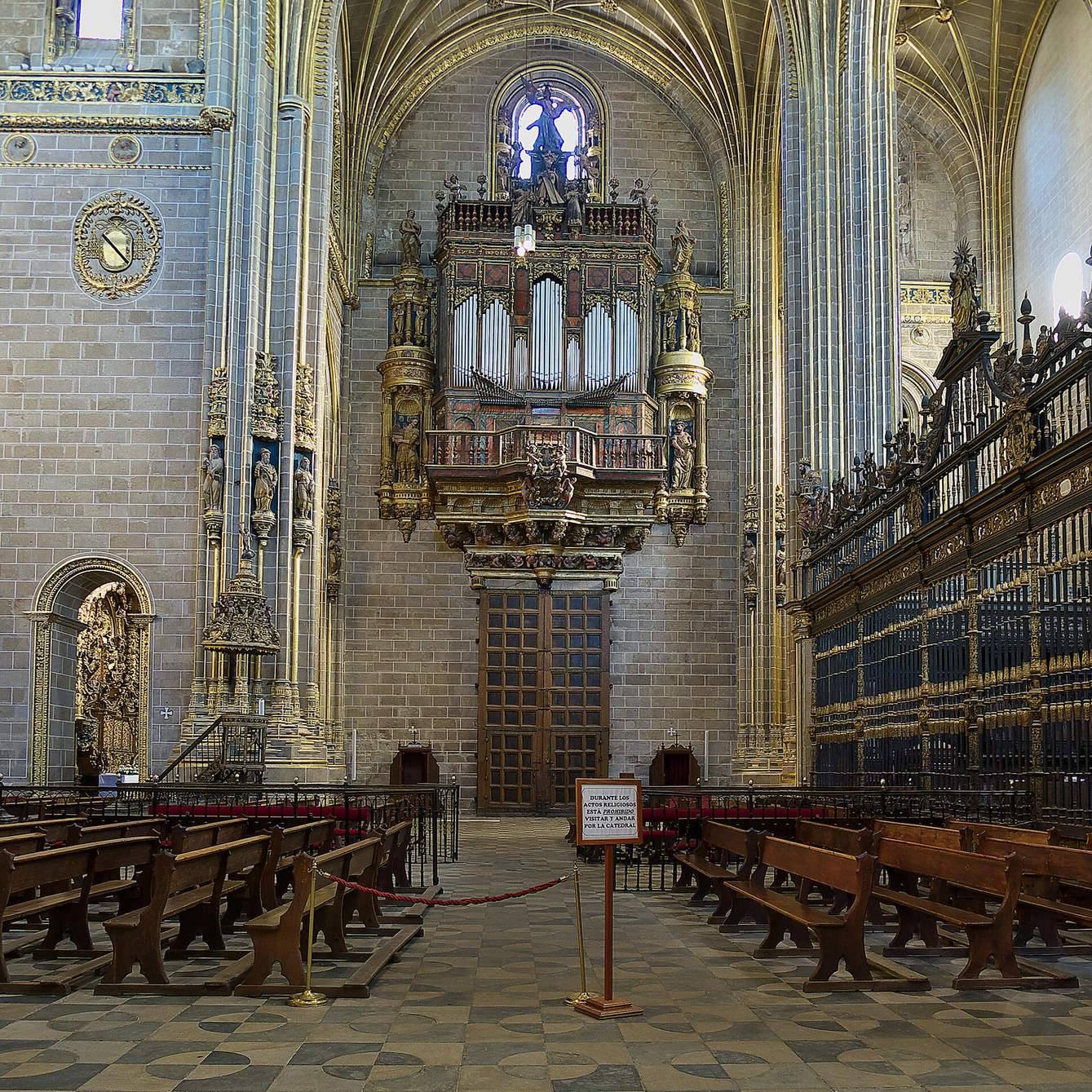
Made mainly by Rodrigo Alemán for the Old Cathedral between 1497 and 1505, the choir stalls were later moved to the New Cathedral. They are carved from walnut in the Flamboyant Gothic style, a late Gothic style with elaborate, flame-like patterns. The upper choir has 41 seats and the lower has 26. Their carvings range across religious, secular, mythological, satirical, scatological, fantastic, and popular subjects, including some with deliberately provocative imagery. The bishop’s seat is in the centre, with seats dedicated to the Catholic Monarchs on either side; the stalls also feature cresting and inlaid woodwork.
Choir grille
A wrought-iron grille in Plateresque style encloses the choir. Attributed to Juan Bautista Celma, it was completed in 1604 and gilded in 1763. An image of the Virgin crowns it.
Organ and bell tower
The organ has Plateresque decoration with sculptures and reliefs, and its style bridges toward the Baroque. It is attributed to Casai Elezgaray; another identification names Friar Domingo de Aguirre as the maker of the Large Organ. A bell tower also forms part of the cathedral.