Church of St Mary and All Saints, Fotheringhay: A Yorkist Collegiate Church
Site at a Glance
- Rating
- 4.8
- Popularity
- Medium
- Country
- United Kingdom
- Primary era
- Medieval
- Eras represented
- Medieval, Early Modern
- Civilizations
- English
- Site type
- Religious
- Remains
- Church
On this page10 sections
History
Foundation and collegiate church
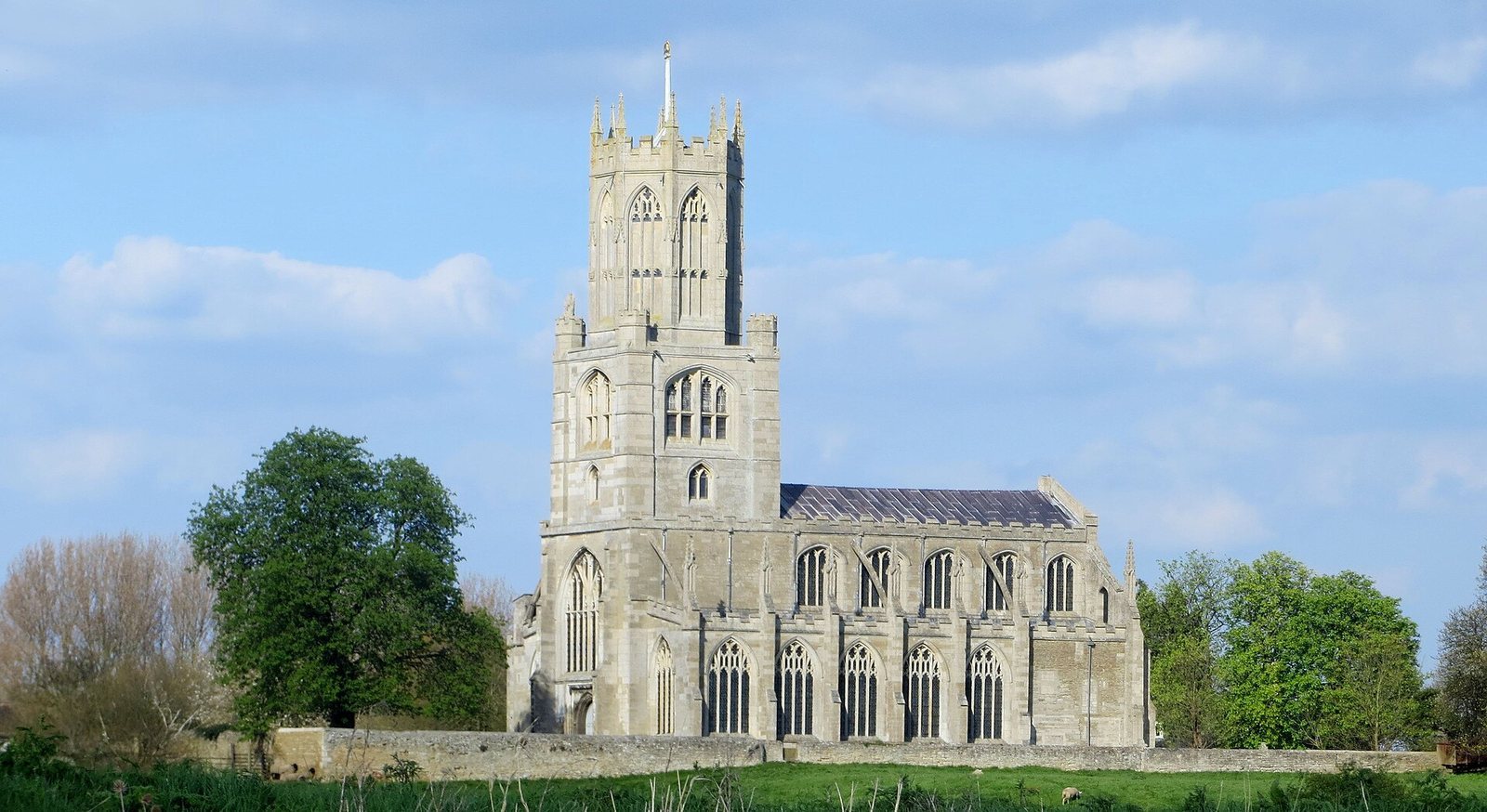
The Church of St Mary and All Saints, Fotheringhay, is a medieval parish and collegiate church in the United Kingdom. Its foundation dates to 1370, and it became a burial place for the Yorkist dynasty, the branch of the royal family associated with the House of York. A collegiate church was served by clergy organized as a college, led by a master and supported by chaplains who conducted services.
Edward, 2nd Duke of York, established a college here for a master and twelve chaplains. Work on the principal church building began in 1411, and the collegiate church was completed around 1430. Construction of a parish church at its western end started in 1434. Richard, 3rd Duke of York, commissioned local mason William Horwood to build its nave, porch and tower for £300.
Edward was buried at Fotheringhay after his death at the Battle of Agincourt in 1415. His burial helped establish the church as a Yorkist family mausoleum. Nearby Fotheringhay Castle had been the principal home of two Dukes of York.
Yorkist burials and commemoration
In 1476, the bodies of Richard, 3rd Duke of York, and his son Edmund, Earl of Rutland, were transferred to Fotheringhay. They had been buried in a modest tomb at Pontefract after their deaths at the Battle of Wakefield on 30 December 1460, part of the Wars of the Roses, a series of conflicts over the English throne between Yorkist and Lancastrian claimants.
Their bodies were exhumed on 24 July. Richard was dressed in an ermine-furred mantle and a cap of maintenance, a ceremonial headpiece associated with rank, then laid in state beneath a candlelit funeral structure. A mourning procession carrying the bodies reached Fotheringhay on 29 July. College clergy and other churchmen met it, while Edward IV and nobles waited at the churchyard entrance. The king touched and kissed his father’s body. Separate funeral structures were prepared in the choir for Richard and in the Lady Chapel, dedicated to the Virgin Mary, for Edmund. Masses were sung, and seven pieces of cloth of gold were laid crosswise over Richard’s body on the king’s behalf.
The next day, three more Masses were held and the Bishop of Lincoln preached. Offerings included Richard’s coat of arms, shield, sword and helmet, as well as his horses. Lord Ferrers rode in full armour, holding an axe reversed. The coffins were placed in a vault beneath the chancel, the part of the church containing the choir and altar. About 5,000 people received alms, while four times as many attended a meal served partly at the castle and partly in the king’s tents and pavilions. The menu included capons, cygnets, herons and rabbits, and the bill exceeded £300.
In 1495, Cecily Neville, Duchess of York, was buried beside her husband in accordance with her will. She left the college a square canopy of crimson cloth of gold, church vestments, three albs, three books of Mass chants and seven books for processions.
Suppression and later use
In 1547, the Crown seized the college along with the remaining chantries and colleges, religious foundations that supported prayers and services for the dead. Edward VI granted the property to John Dudley, 1st Duke of Northumberland. The chancel was pulled down and a grammar school established in its place; the school continued until 1859.
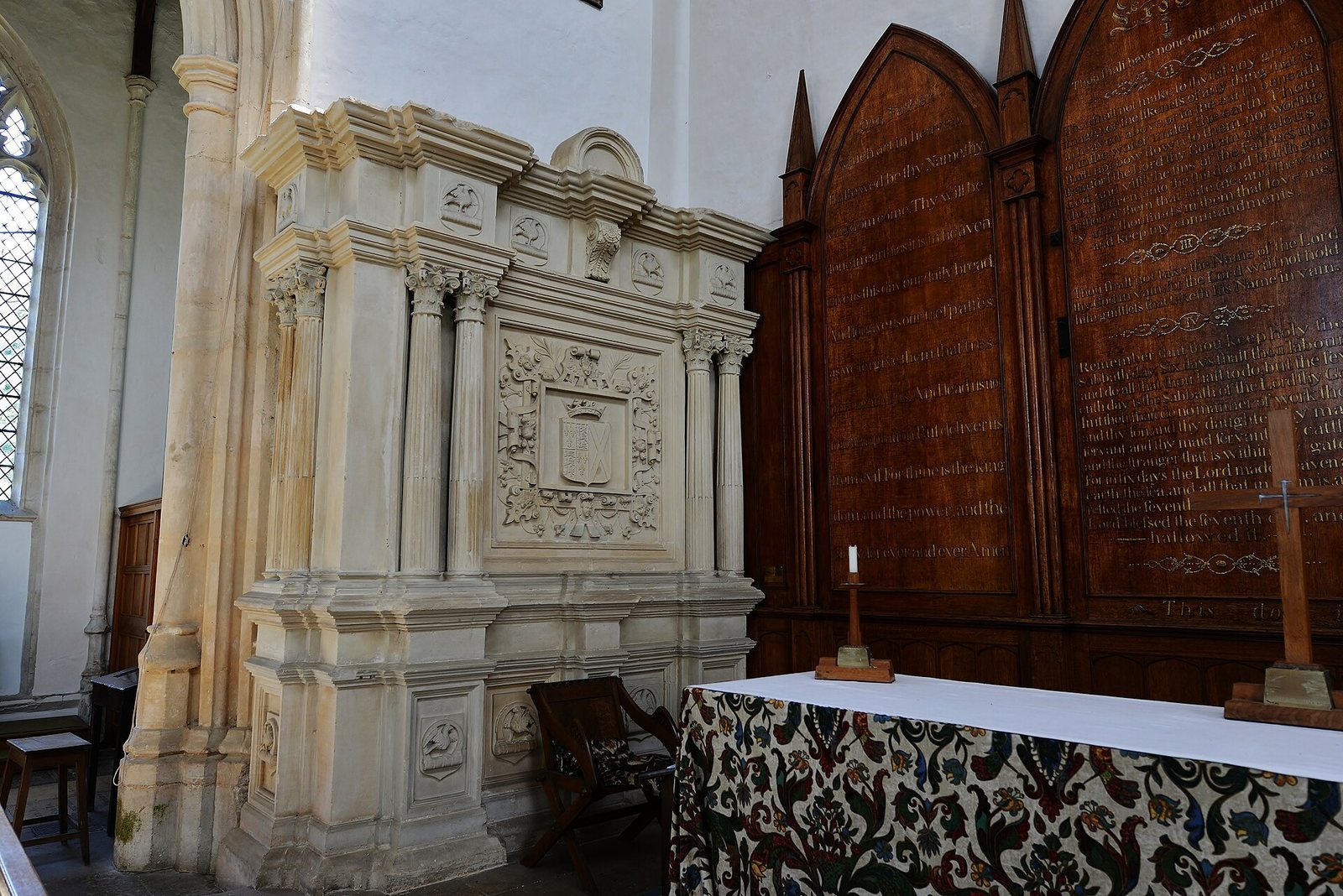
During the sixteenth-century Reformation, the choir was destroyed and the York tombs were smashed. Elizabeth I ordered their removal and the creation of the present commemorative monuments to Richard and Cecily. The church remains a Church of England parish church in the Broad Church tradition. It is Grade I listed, the highest listed-building category in England, for buildings of exceptional architectural or historic interest. The Richard III Society marks Richard III’s birthday each year by placing white roses in the church.
Remains
Church fabric and college layout
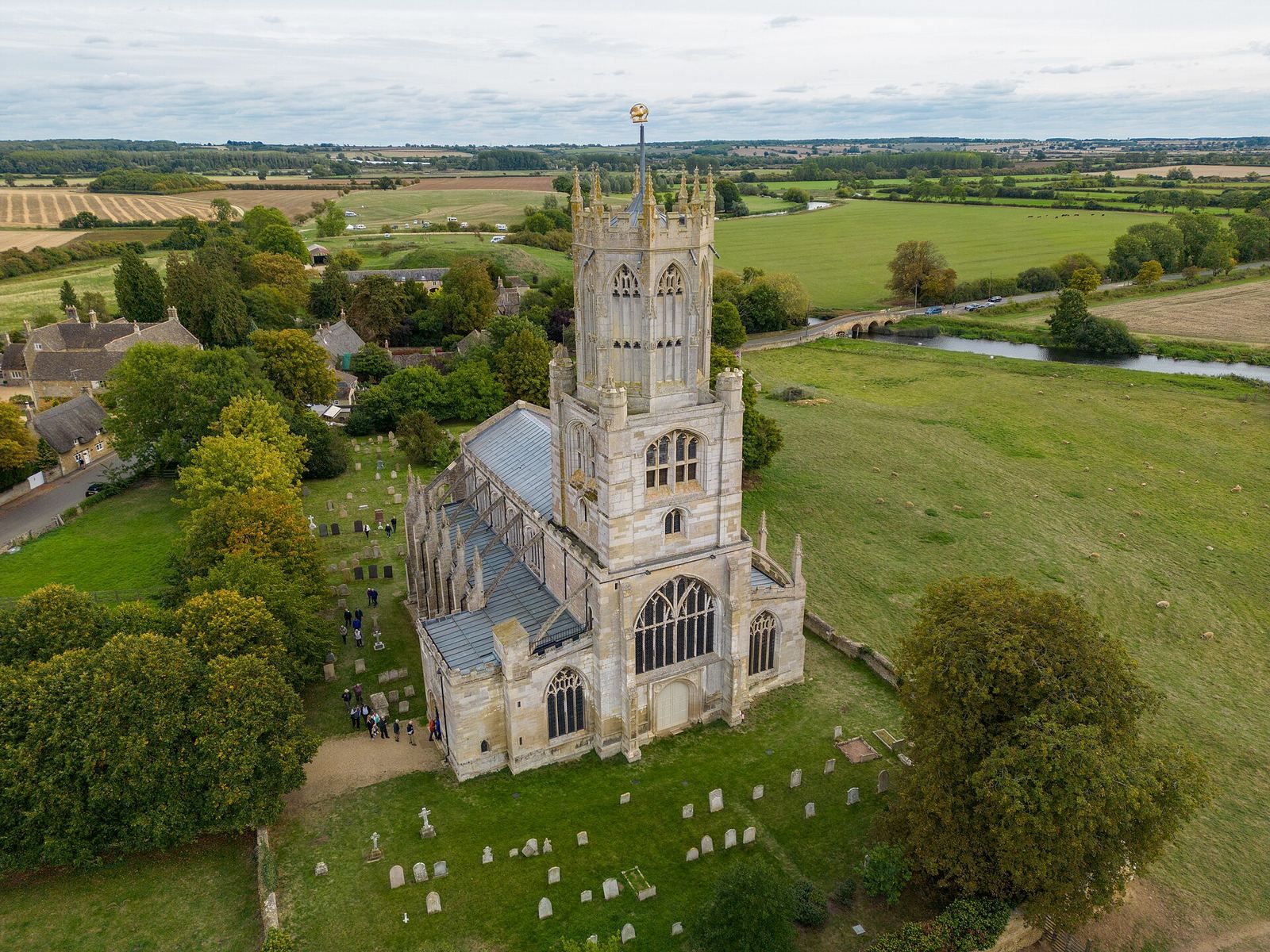
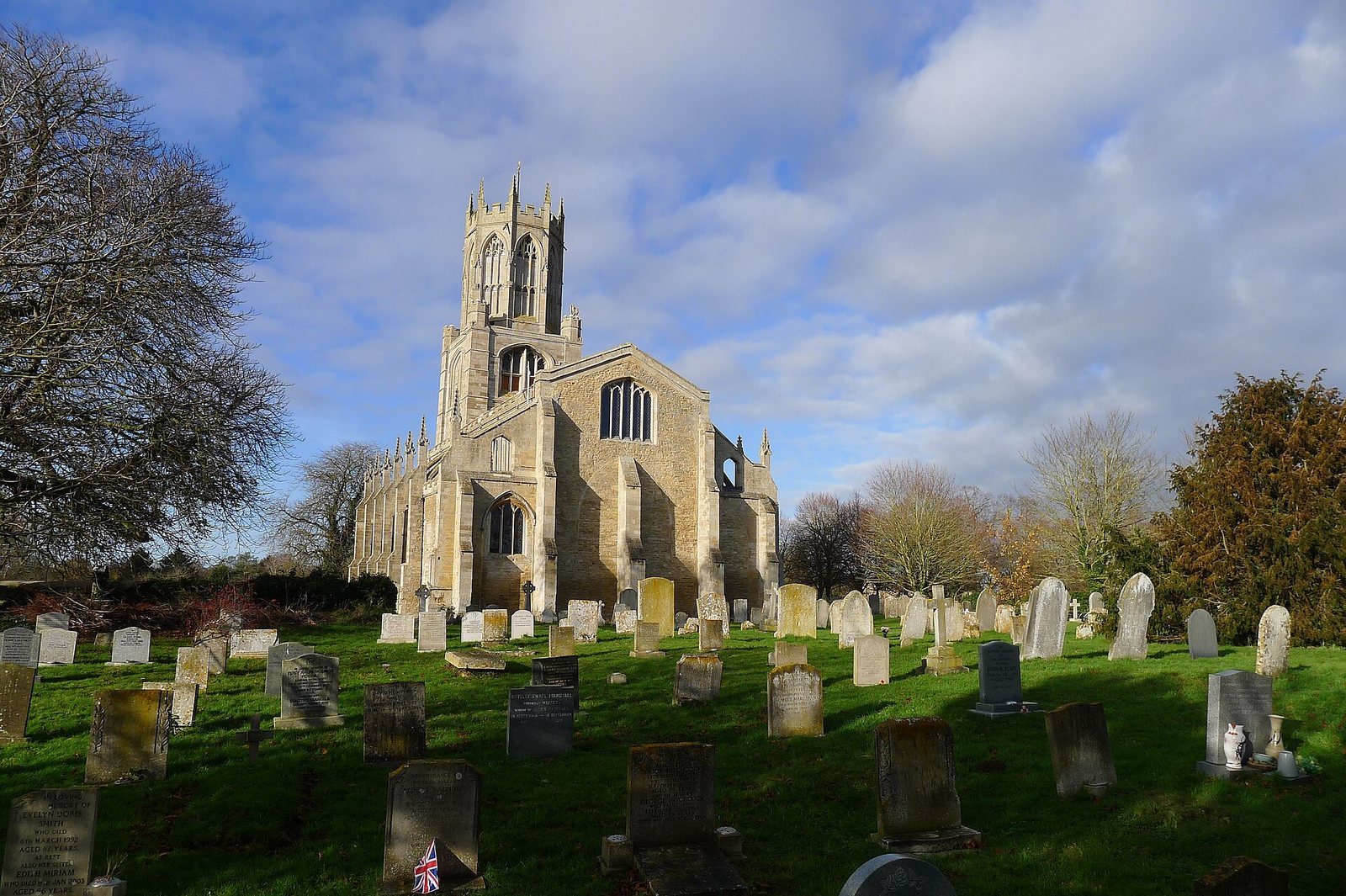
The church stands on a hill above the River Nene and is built in the Perpendicular Gothic style, a late phase of English Gothic marked by strong vertical lines and window tracery. Its surviving medieval fabric consists of the nave, aisles and an octagonal tower. The tower reaches 78 feet (24 metres) at the battlements and 116 feet (35 metres) at the pinnacles of its octagonal lantern, an elevated structure that admits light. The college was arranged as a cloister on the church’s south side.
Monuments and furnishings
York monuments
The present monuments to Richard, 3rd Duke of York, and Cecily Neville stand around the altar.
Painted pulpit
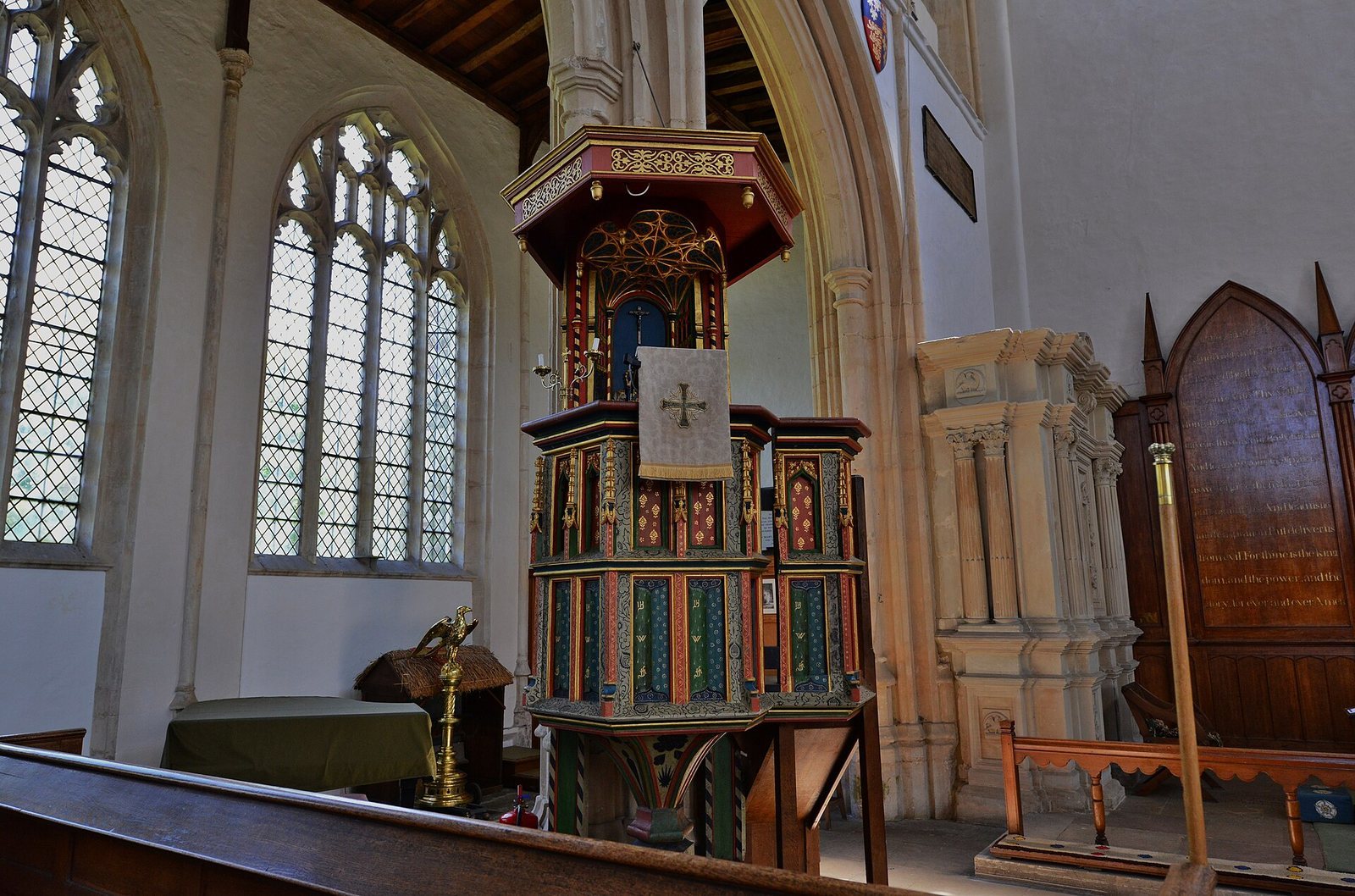
A painted fifteenth-century pulpit, given by Edward IV, bears the royal arms, a bull associated with George of Clarence and a silver boar linked to Richard, Duke of Gloucester, the future Richard III.
Pipe organ
A two-manual pipe organ by Vincent Woodstock dates from around 2000.