Necropolis of Fossa: A Vestini Burial Ground in Italy
Site at a Glance
- Country
- Italy
- Primary era
- Iron Age
- Eras represented
- Iron Age, Classical
- Civilizations
- Roman
- Site type
- Burial
- Remains
- Necropolis
On this page6 sections
History
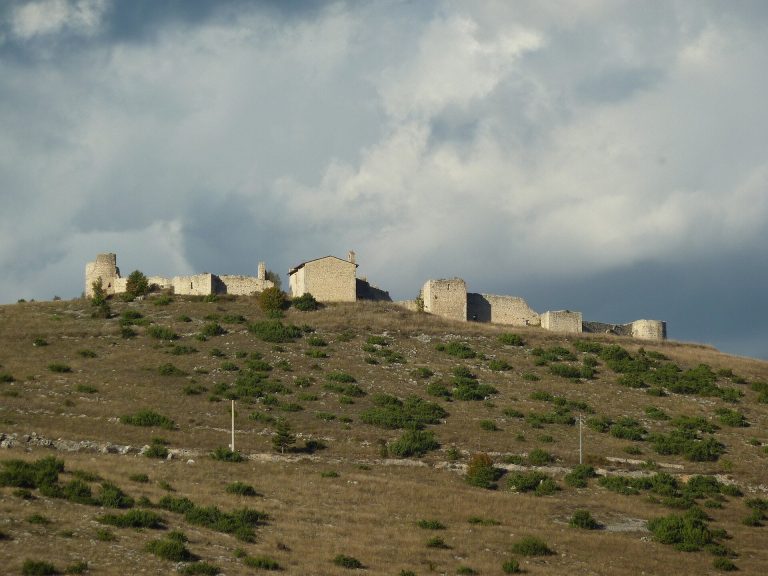
The Necropolis of Fossa is a burial ground near Fossa in Abruzzo, Italy, used by the Vestini, an ancient Italic people. Their use of the site began in the early Iron Age, an archaeological period marked by widespread iron use, and continued during the Roman-era development of Aveia until about the first century BCE. The Vestini are also associated with Monte Cerro, where remains of a fortified village date to the ninth–eighth centuries BCE.
The necropolis was discovered by chance in 1992 during excavation for an industrial warehouse.
Remains
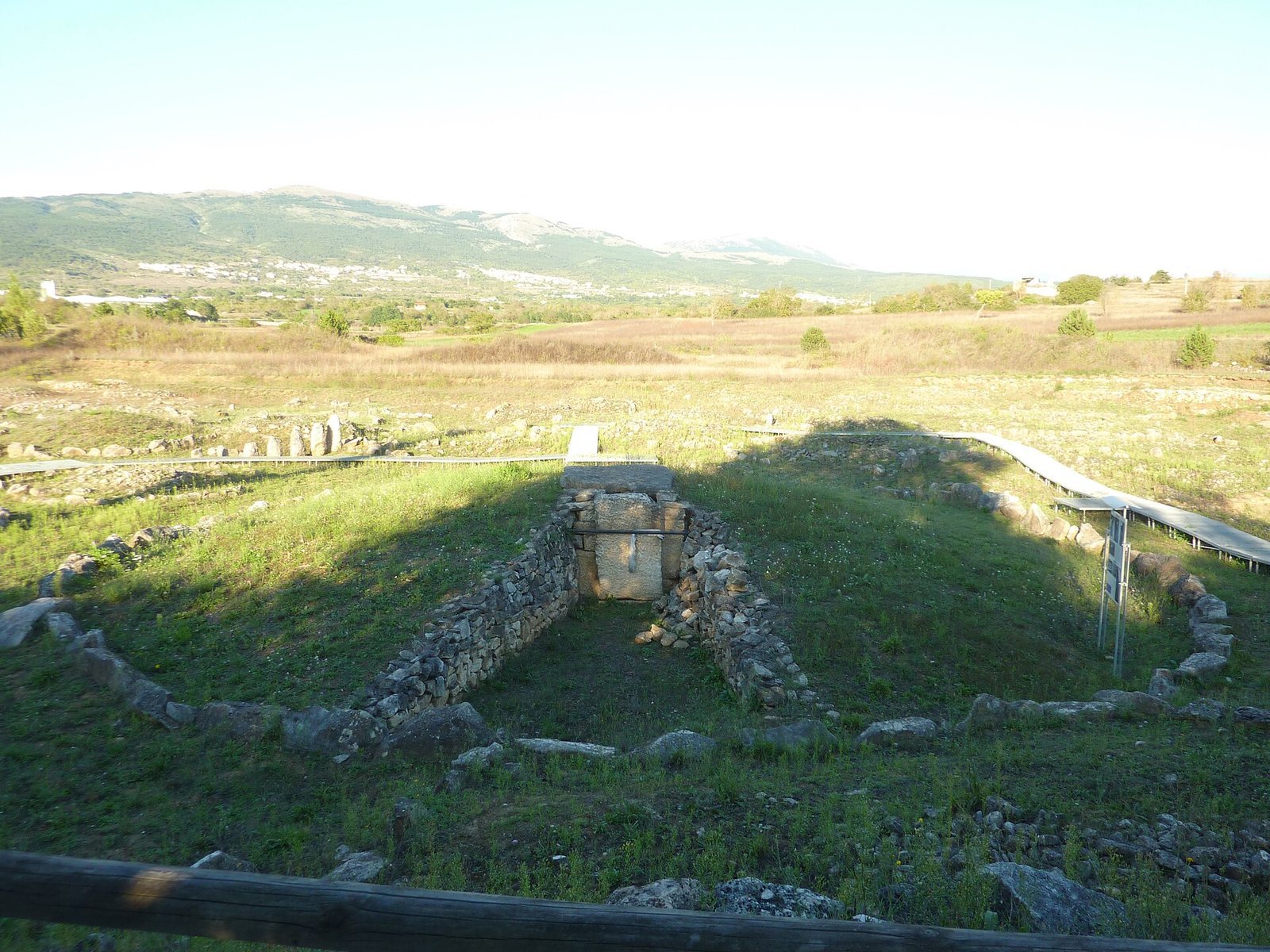
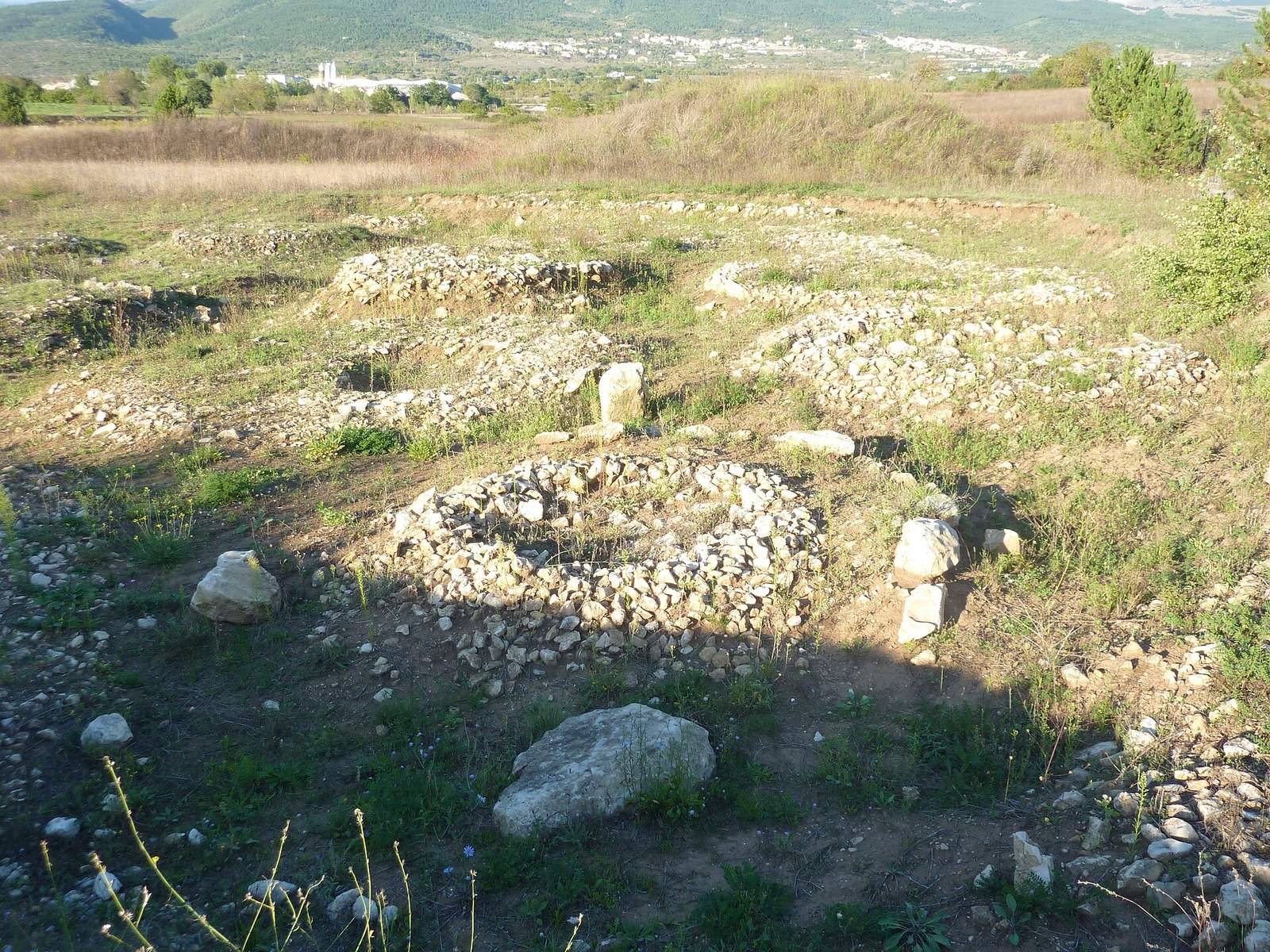
The necropolis occupies river-deposited ground on the eastern bank of the Aterno River, northeast of Fossa and north of Borgo San, at an elevation of 580 metres. The excavated area covers 3,500 square metres and contains about 500 tombs. Stone circles and rows were arranged on stepped levels across the terrain. Rows of six to eight standing stone slabs ran west to east, as did individual burials within the circles. The slabs generally range from 0.5 to 4 metres in height.
Mound tombs and early pits
In the ninth–eighth centuries BCE, burials were mainly in mounds or simple pits. The mounds, made of earth and stone, were typically 8–15 metres across and enclosed by stone circles. Some male graves had rows of standing stones that grew lower from the inner end outward. A pit inside each mound held the deceased and burial offerings, commonly ceramic or bronze vessels. Male burials could also contain razors and weapons, while female burials included jewelry.
Changing burials, eighth–sixth centuries BCE
Pits and mounds remained in use, but mounds were about 4 metres across, and rows of standing stones in male graves disappeared. Female burials continued to include jewelry, while male graves contained weapons, including chest-protecting discs resembling those shown on the pre-Roman funerary statue known as the Warrior of Capestrano. Imported vases, often Etruscan, appeared alongside locally made pottery. By the sixth century BCE, mound burials had ended and simple pits had become common. Newborns were also placed between two ceramic roof tiles.
Single-burial pits, fourth–third centuries BCE
During the fourth–third centuries BCE, tombs took the form of pits for single burials. Their offerings included ceramics and jewelry, while weapons were no longer included.
Chamber tombs and later burial practices
In the second–first centuries BCE, underground family chamber tombs appeared. Built of stone on a square plan, they had a corridor leading to an entrance closed by one or two upright slabs. Some contained funerary beds made of wood and leather and decorated with bone pieces shaped as animals and people. Other burials included box tombs with stone or wooden walls, tombs with monumental markers, simple pits, and infant burials between ceramic tiles. Cremation also became widespread in the first century BCE alongside burial of the body. Ashes were placed in jars sealed with flat stone or ceramic lids and deposited in tombs without offerings. Some later burials used tree-trunk coffins. Grave 19 contained a small container decorated with geometric patterns made using metal powder.