Vale Fuzeiros / Forneca Necropolis: An Early Medieval Cemetery in Portugal
Site at a Glance
- Popularity
- Very Low
- Country
- Portugal
- Primary era
- Medieval
- Eras represented
- Medieval
- Civilizations
- Unclassified
- Site type
- Burial
- Remains
- Necropolis
On this page9 sections
History
The Vale Fuzeiros / Forneca Necropolis is an Early Medieval cemetery in the parish of São Bartolomeu de Messines, in Silves municipality, Portugal. Its graves and basins are thought to date to the Early Middle Ages, the period between antiquity and the later medieval era, and it was probably used in the sixth or seventh century.
The cemetery’s use is associated with the invasion of the region by Visigothic groups from Central Europe. The Visigoths were a Germanic people whose kingdom became a major power in Iberia after the Roman period. Vale de Fuzeiros had fertile land watered by the Barranco do Baralha, while nearby mountains provided game and timber. The area was rich in resources for settlement.
The necropolis forms part of the Vilarinha Archaeological Circuit, which also includes the Pedreirinha and Carrasqueira necropolises and the Vilarinha menhir complex, a group of upright standing stones. In 2005, the remains were surveyed through drawings, photographs, and topographic recording.
Remains
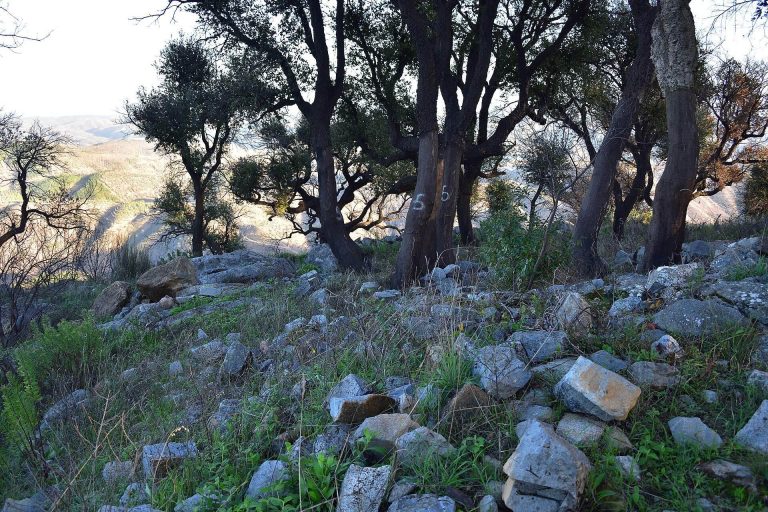
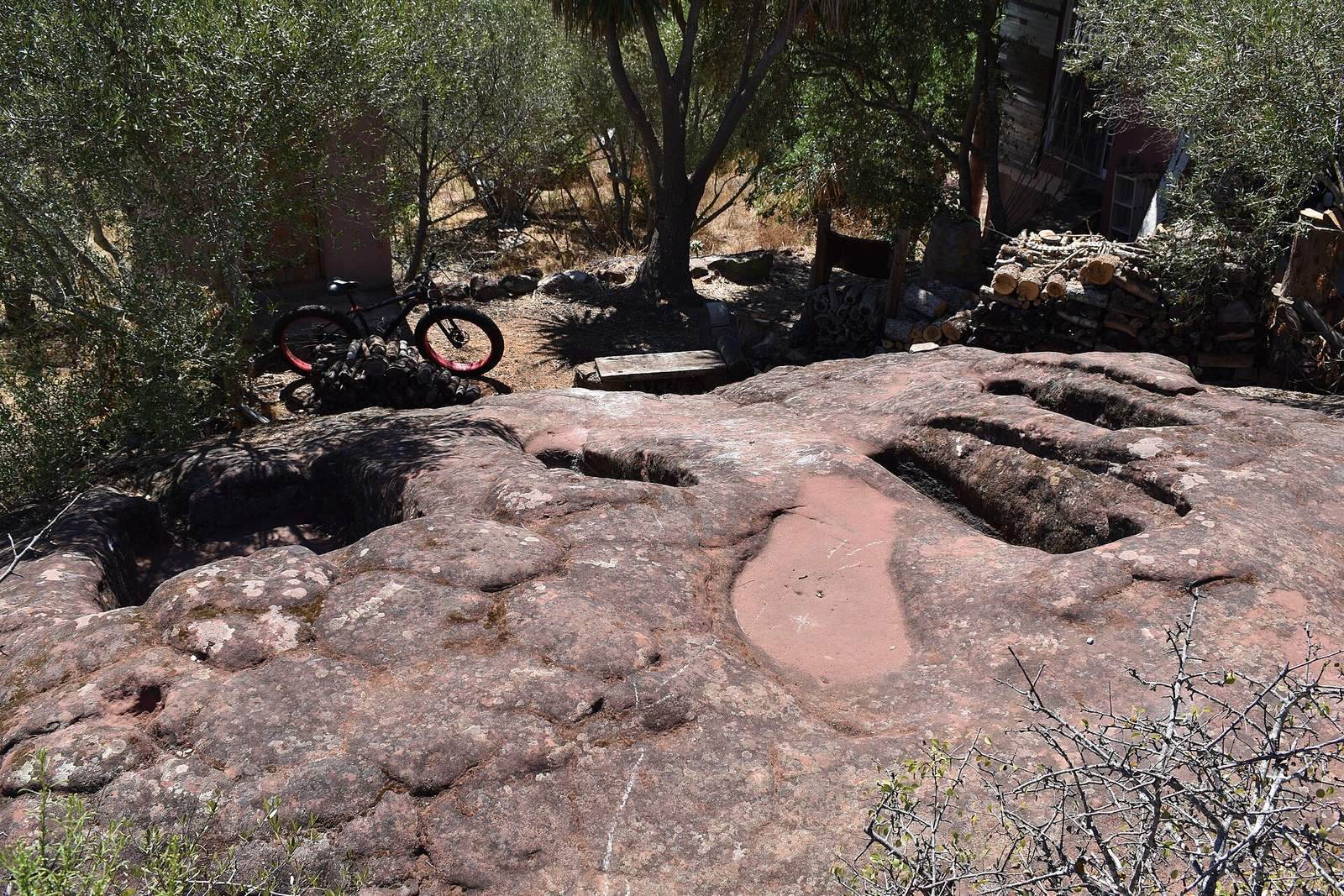
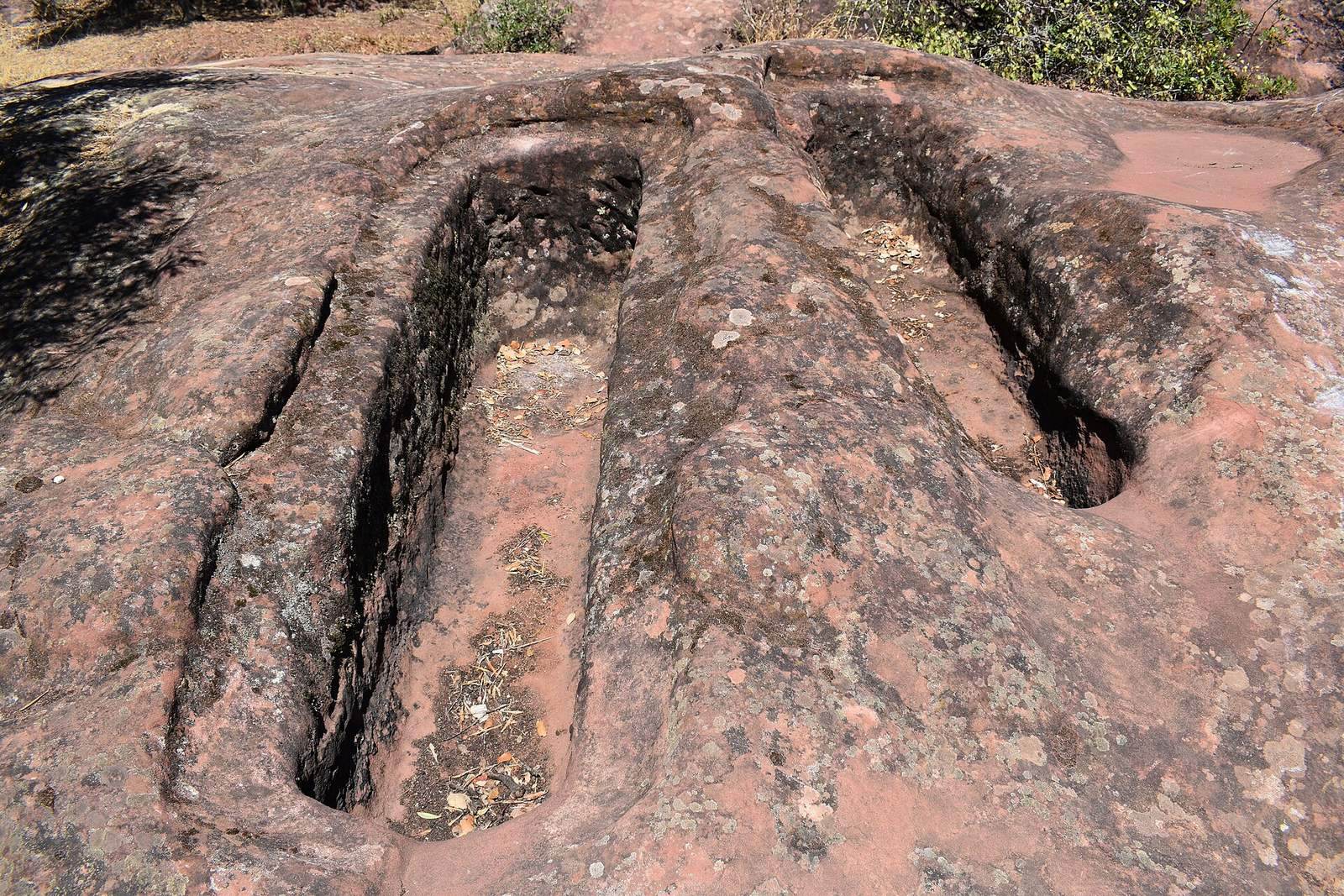
The graves and basins are cut into rock. The central group occupies an outcrop divided into two blocks, while other graves lie to the southwest and northwest; two isolated graves are nearby.
Central rock outcrop
Graves
Five graves occupy the southern block of the central outcrop, which consists of sandstone including Silves Sandstone, a local sandstone formation. Three graves remain intact. In two others, removal of the shared wall created a larger basin. Most of the cemetery’s graves are oriented northwest to southeast, and the graves were originally covered.
Basins
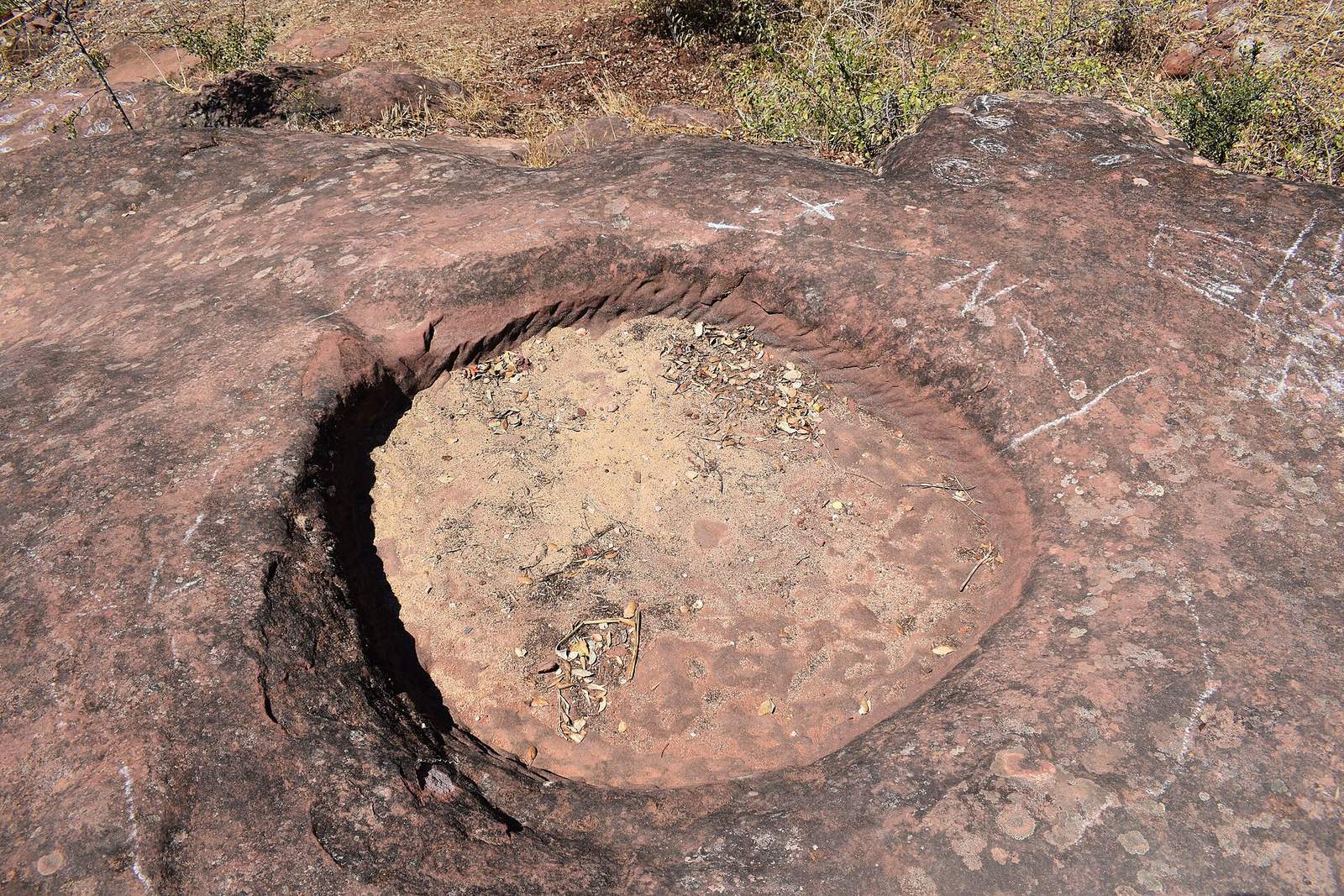
The two basins lie in the northern part of the outcrop. One is circular, measuring 1.30 metres across and 0.35 metres deep; the other is oval, measuring 0.80 metres across and 0.20 metres deep. They may have been used to wash bodies ritually before burial.
Outlying graves
Southwestern grave
The grave southwest of the central group survives as a fragment consisting of its bottom.
Northwestern graves
Two graves lie some distance northwest of the central group. Their walls and foot ends are partly damaged. Agricultural work moved one from its original position, and part of its head end survives.
Forneca 1 and Forneca 2
Two further isolated graves nearby are designated Forneca 1 and Forneca 2.