Nanteos: A Neoclassical Country House in Wales
Site at a Glance
- Popularity
- Medium
- Country
- United Kingdom
- Primary era
- Early Modern
- Eras represented
- Early Modern, Modern
- Civilizations
- British
- Site type
- Domestic
- Remains
- Manor House
On this page11 sections
History
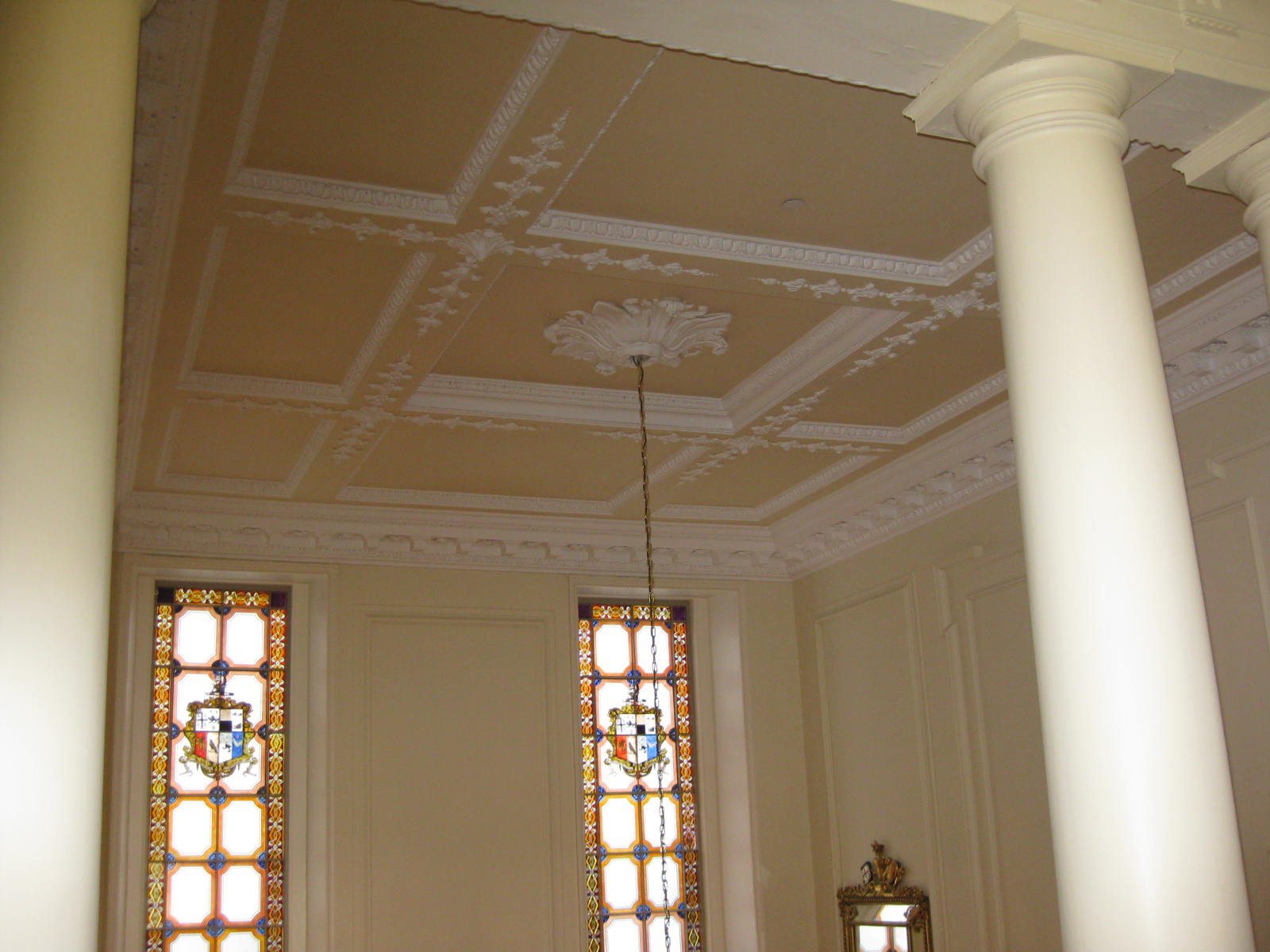
Nanteos is an eighteenth-century Neoclassical country house near Aberystwyth in Ceredigion, Wales, United Kingdom. Its architecture draws on forms and design principles from ancient Greek and Roman buildings. By 1800, the Powell estate covered about 31,000 acres, including much of present-day Aberystwyth, and the family was a major employer in the county.
The estate before the mansion
Colonel John Jones, a Royalist who supported the monarchy during the English Civil War, was the earliest recorded occupant. He served as High Sheriff, a senior county official, in 1665. Having no sons, he left the estate in 1666 to his daughter Anne, who was married to Dutch mining engineer Cornelius Le Brun. Le Brun became High Sheriff in 1676. Their daughter Averina inherited the estate and married William Powell of Llechwedd Dyrus. In 1738, the estate passed to their eldest son, Thomas Powell.
Construction and the Powell family
Thomas Powell married Mary Frederick, a wealthy heiress, and began building the present house soon after inheriting the estate. He represented Cardigan Boroughs and Cardiganshire as a Member of Parliament, or MP, and died in a London street. In 1752 the property passed to Reverend William Powell, who completed the house. His son Thomas inherited it and became High Sheriff in 1785.
Thomas’s son William Edward served as High Sheriff in 1810 and as MP for Cardiganshire from 1816 until his death in 1854. The estate then went to his son, William Thomas Rowland Powell, who also represented Cardiganshire in Parliament.
Later Powell generations
George Ernest John Powell, an antiquary and collector, inherited the estate in 1878. It later passed to his nephew William Beauclerk Powell, then to William Beauclerk’s son, Edward Athelstan Lewis Powell. Edward’s son and heir, William Edward George Pryse Wynne Powell, was killed in the First World War.
Twentieth-century ownership and status
After about two centuries of Powell family occupation, the property was bequeathed in 1951 to Elizabeth Mirylees, a distant relative. She moved into the house in 1956 and sold it eleven years later to Geoff and Rose Bliss. The couple lived there until 1983 and opened the house to the public. The mansion subsequently had several owners. The Saxoncourt Group bought it in 2004 and completed a major refurbishment in 2012. It later operated as a country-house hotel until March 2025.
Nanteos mansion is Grade I listed, a category for buildings of exceptional interest. Its gardens and parkland are Grade II* on the Cadw/ICOMOS Register of Parks and Gardens of Special Historic Interest in Wales, a classification for particularly important parks and gardens considered of more than special interest.
Traditions of the Nanteos Cup
Traditions claimed that the Nanteos Cup was made from the True Cross, the relic traditionally identified as the cross on which Jesus was crucified, or that it was the Holy Grail, the legendary vessel associated with the Last Supper and later Arthurian stories. One tale said Joseph of Arimathea, a New Testament figure later connected with the Grail in legend, brought it from Palestine to Glastonbury. It was then said to have reached Strata Florida, a medieval Welsh abbey, and later Nanteos after the monasteries were suppressed under Henry VIII in 1536. The cup was credited with healing powers, particularly against blood diseases, and a 1905 pamphlet identified it as the Grail.
George Powell’s claim that Richard Wagner stayed at Nanteos and was inspired to compose Parsifal after drinking from the cup has no basis. Wagner visited Britain in 1855, but that visit does not support the story of a stay at Nanteos or inspiration from the cup.
Remains
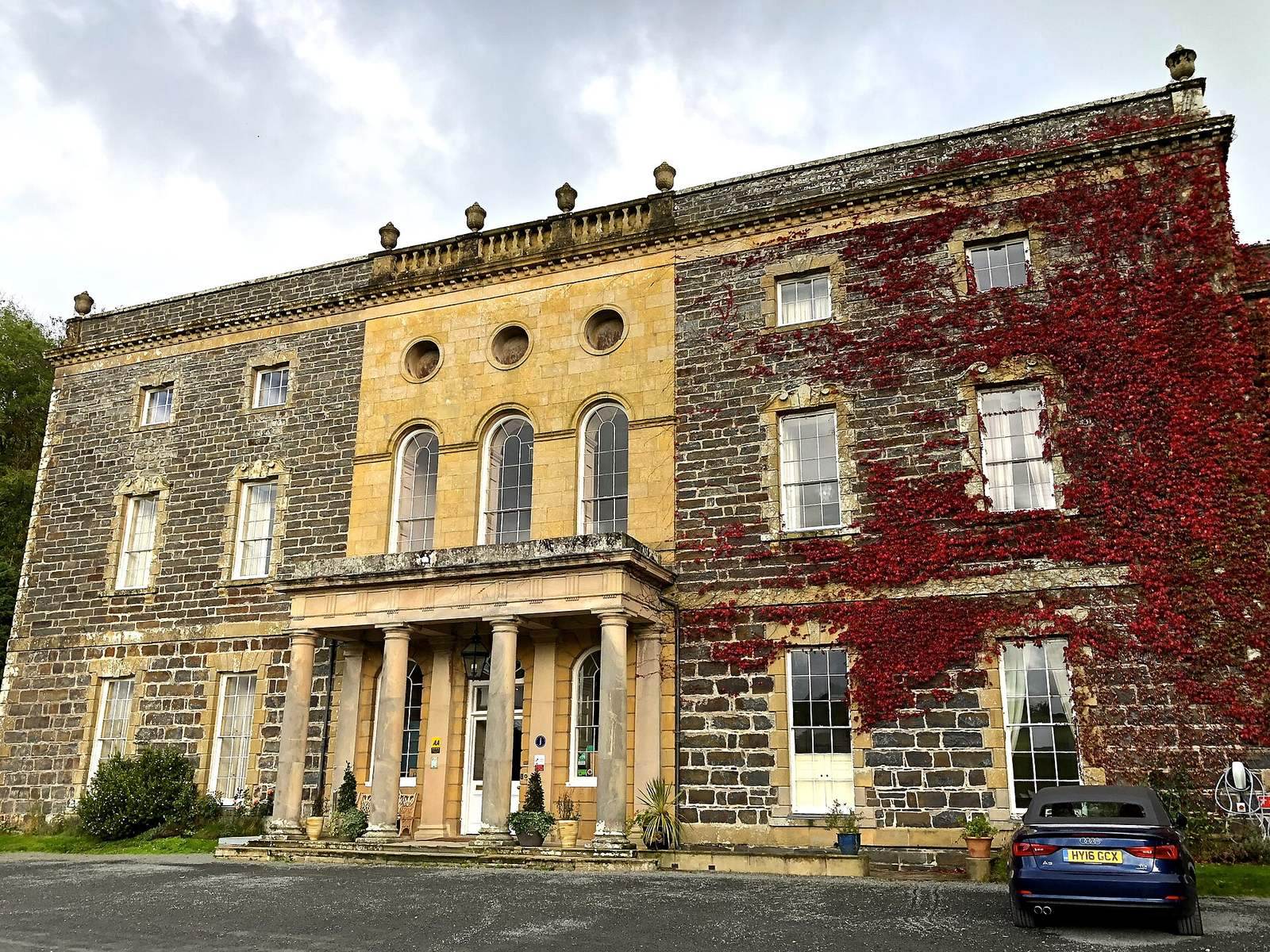
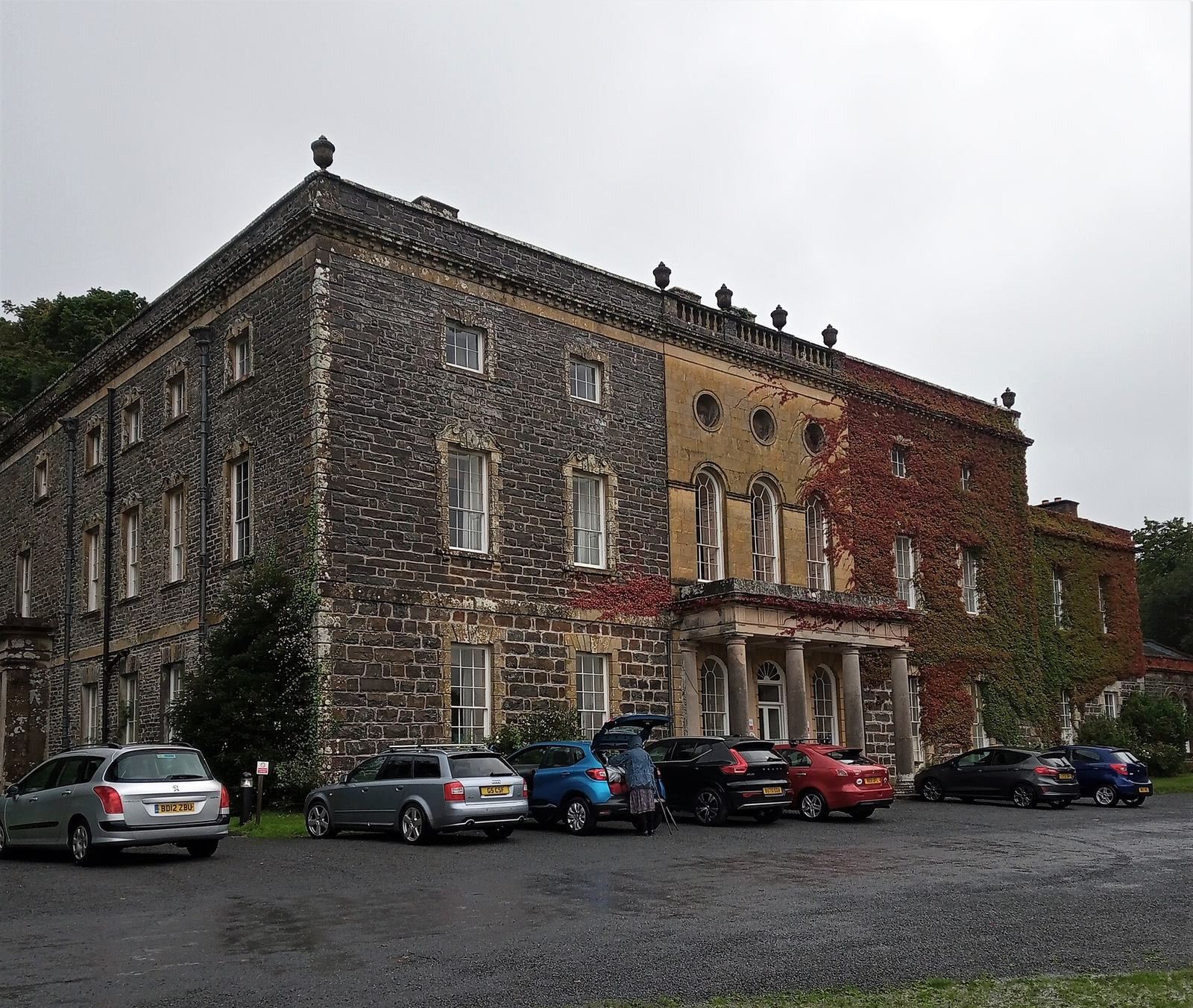
The property is arranged around a Neoclassical mansion, with gardens and parkland surrounding the house. Its built features also include a stable block, an east wing and rear offices.
The house and estate features
The mansion
The Powell family’s country house was built between 1738 and 1757 in the Neoclassical style. Its design draws on ancient Greek and Roman architecture.
Estate buildings and grounds
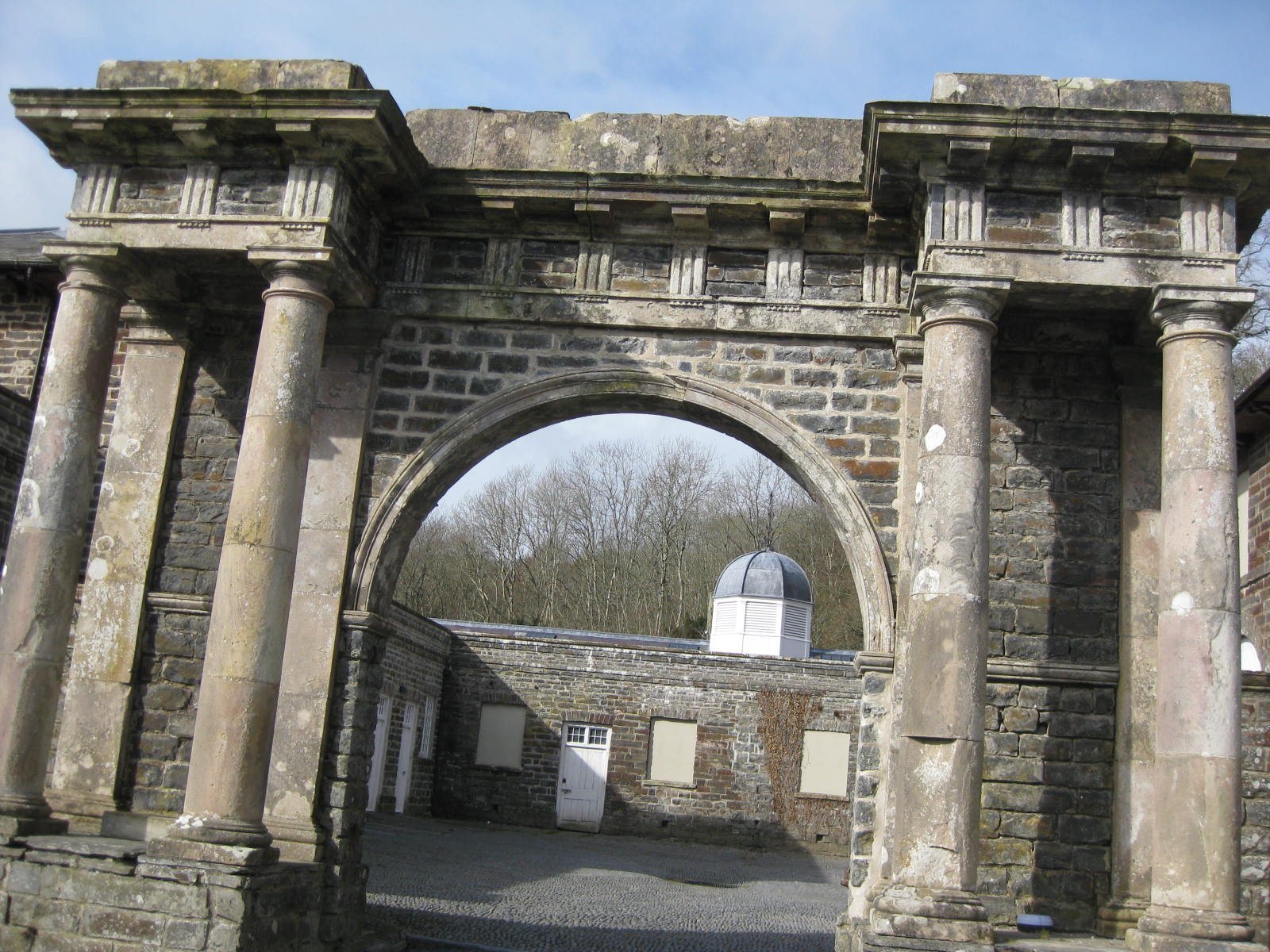
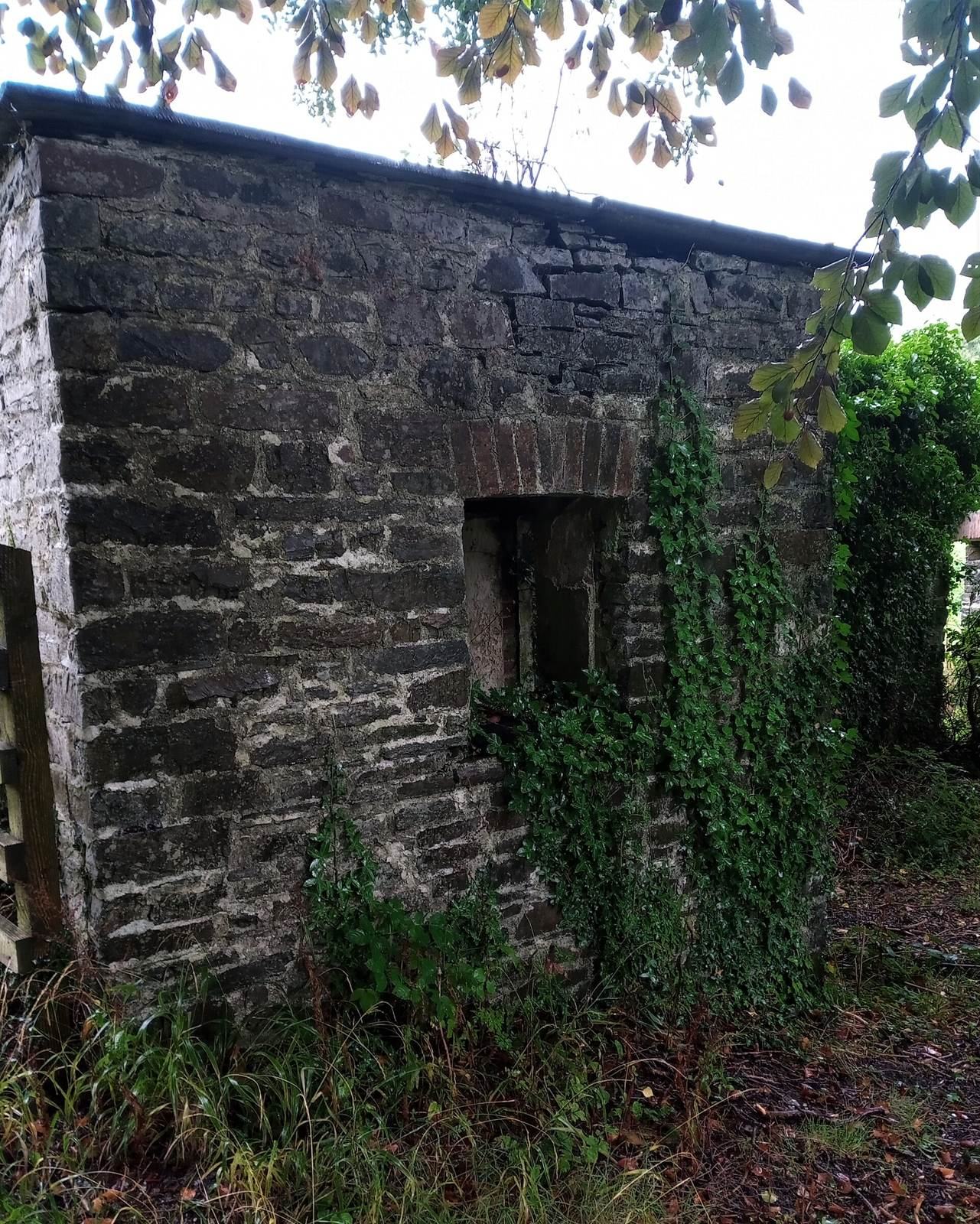
The estate’s stable block was designed in the 1830s. An east wing and rear offices were designed in 1841. Gardens and parkland surround the mansion.
The Nanteos Cup
The cup formerly housed at the mansion is a medieval mazer, a type of drinking bowl.