Fukushō-ji: A Sōtō Zen Temple and Shimazu Family Mortuary
Site at a Glance
- Popularity
- High
- Country
- Japan
- Primary era
- Early Modern
- Eras represented
- Early Modern, Modern
- Civilizations
- Japanese, Tokugawa
- Site type
- Religious
- Remains
- Monastery
On this page12 sections
History
Foundation and Shimazu patronage
Fukushō-ji was a Sōtō Zen temple in Japan, founded in 1394 by Shimazu Motohisa, head of the Shimazu samurai house that ruled Satsuma in southern Kyushu. Sōtō Zen is a major Japanese school of Zen Buddhism. Motohisa invited a monk of Shimazu lineage to serve as the temple’s first abbot; the monk had previously founded another temple. Fukushō-ji became a major institution and a direct subordinate of Sōji-ji, one of Sōtō Zen’s principal head temples.
Motohisa’s only son, Baiju, became Fukushō-ji’s third abbot. Since Motohisa had no heir, a dispute over succession developed between his younger brother and nephew. The temple later became the Shimazu family’s mortuary temple, responsible for memorial rites and burials for the family’s successive heads.
Imperial ties and regional influence
In 1546, during the tenure of its fifteenth abbot, Fukushō-ji was designated an imperial prayer temple, where Buddhist prayers were offered for the emperor or court, by Emperor Go-Nara. Three years later, Shimazu Takahisa arranged for the Jesuit missionary Francis Xavier to stay at the temple during his time in Kagoshima. The abbot often discussed religion with Xavier and allowed him to preach in front of the temple. Xavier praised the abbot in his letters.
During the Edo period (1603–1868), an era of Tokugawa rule, the illustrated gazetteer Sangoku Meishō Zue presented Fukushō-ji as one of southern Kyushu’s major temples. It described a community that had reached 1,500 monks and twelve scenic views. The temple’s land revenue was 1,361 koku, a traditional rice measure also used to express land productivity, the highest figure in the Satsuma domain.
Fukushō-ji also administered Zen temples in Satsuma, Ōsumi, and Hyūga, including appointments of clergy, and served as an educational institution for the domain. Its branch temples extended across northern Kyushu, Shikoku, Chūgoku, and Hokuriku. Rakanji in Yabakei and Rurikōji in Yamaguchi were among them, while tradition attributed several thousand temples to its wider network. The Shimazu family held the temple in high regard. Its sixty-seventh abbot taught the young Saigō Takamori and Ōkubo Toshimichi, later prominent figures in Japanese political history.
Destruction, confinement, and a successor temple
During the 1860s, an anti-Buddhist movement targeting Buddhist institutions led to the destruction of most temples in the former Satsuma domain. Fukushō-ji was initially spared because it served as the Shimazu family’s mortuary temple. In 1869, however, after the death of Shimazu Tadayoshi’s wife and the decision to conduct her funeral according to Shinto rites, the temple’s destruction was ordered. Many treasures donated by successive domain lords were destroyed or disappeared.
In late 1869, 375 Christians caught up in the Fourth Urakami Persecution, a crackdown in which Christians from Urakami in Nagasaki were arrested and exiled, were sent to Satsuma and confined at the abolished temple. Officials pressed them to convert. They could prepare their own food, and, after an initial period of conversion efforts, were permitted to earn a living. Some made sandals that became known as “Christian sandals”; others worked at a Shimazu ranch or made gentian pills.
Following protests from foreign envoys, 330 people, including 13 born during the group’s roughly three years in Satsuma, returned by ship to Nagasaki on March 14, 1872. Fifty-eight people died during confinement. Christians from Urakami later conducted the funeral of Ōyama Tsunayoshi, a Satsuma official executed in connection with the Satsuma Rebellion.
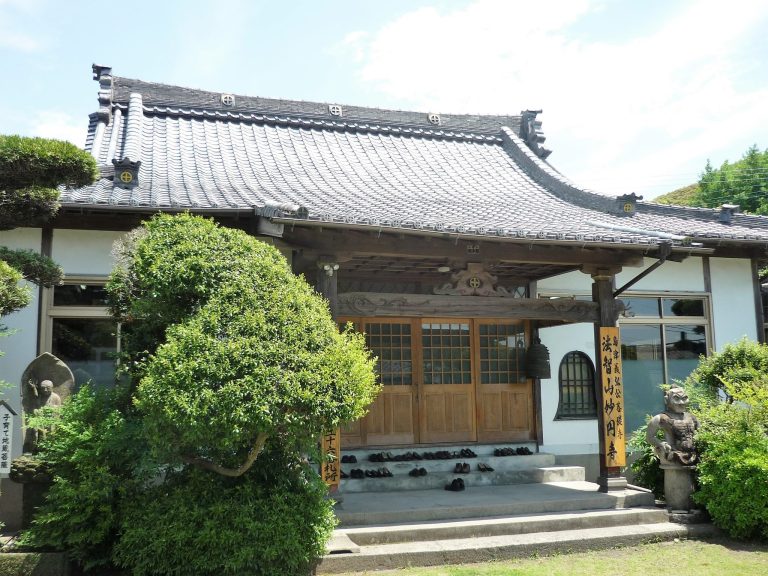
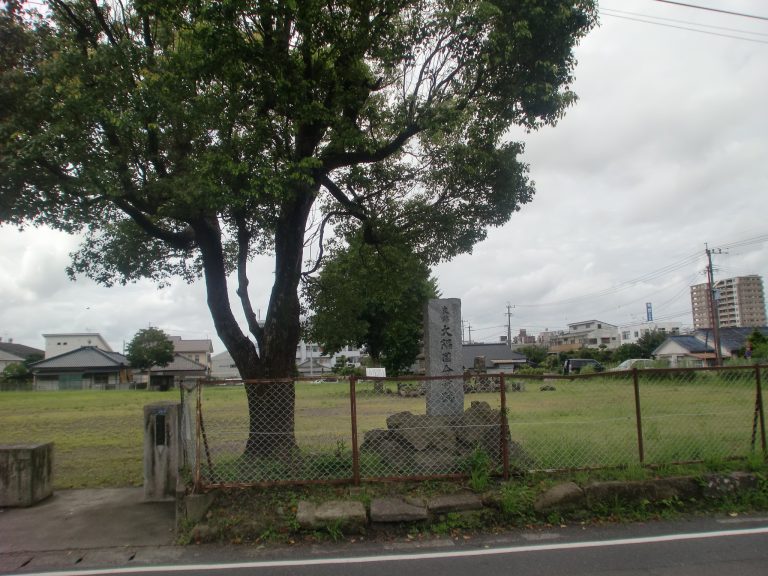
Two efforts to rebuild Fukushō-ji were rejected, one at the former temple site and another on land now occupied by Kagoshima Municipal Nagata Junior High School. In 1898, the temple’s seventy-second abbot, sent from Kyoto, established a successor Fukushō-ji on the former site of Shōmyōji in Mukōda, Satsumasendai. The original temple site became a Kagoshima Prefecture historic site in 1953 and a national historic site in 2020.
Remains
Former temple grounds
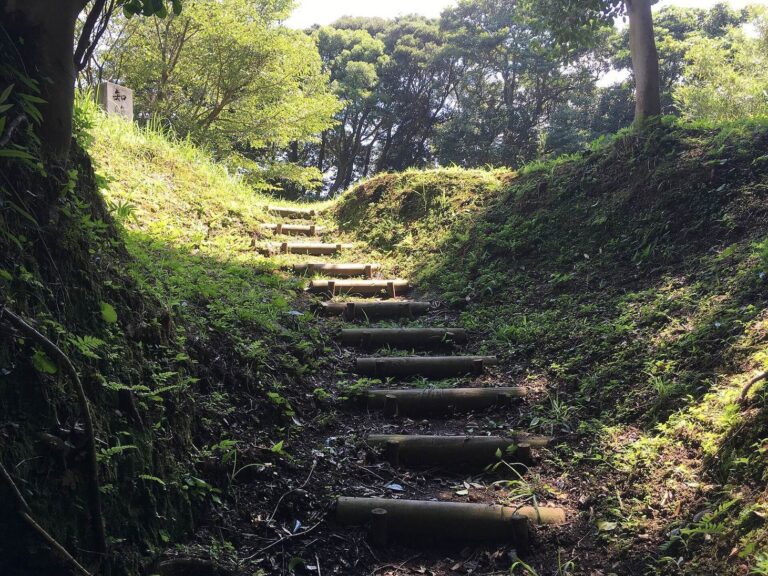
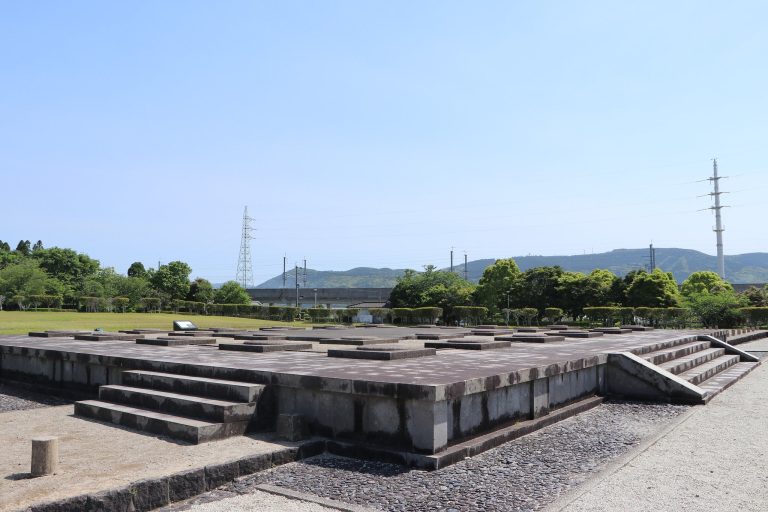
Fukushō-ji occupied an extensive complex, illustrated in volume five of the Edo-period gazetteer Sangoku Meishō Zue. Two of the temple’s twelve scenic views, Mirror Rock and a shrine dedicated to Sugawara no Michizane, survive. Michizane was a Heian-period scholar and courtier later worshipped as a deity. Kagoshima Municipal Kagoshima Tamaryū High School was built on the former temple grounds in 1951.
Burial grounds
Shimazu family graves
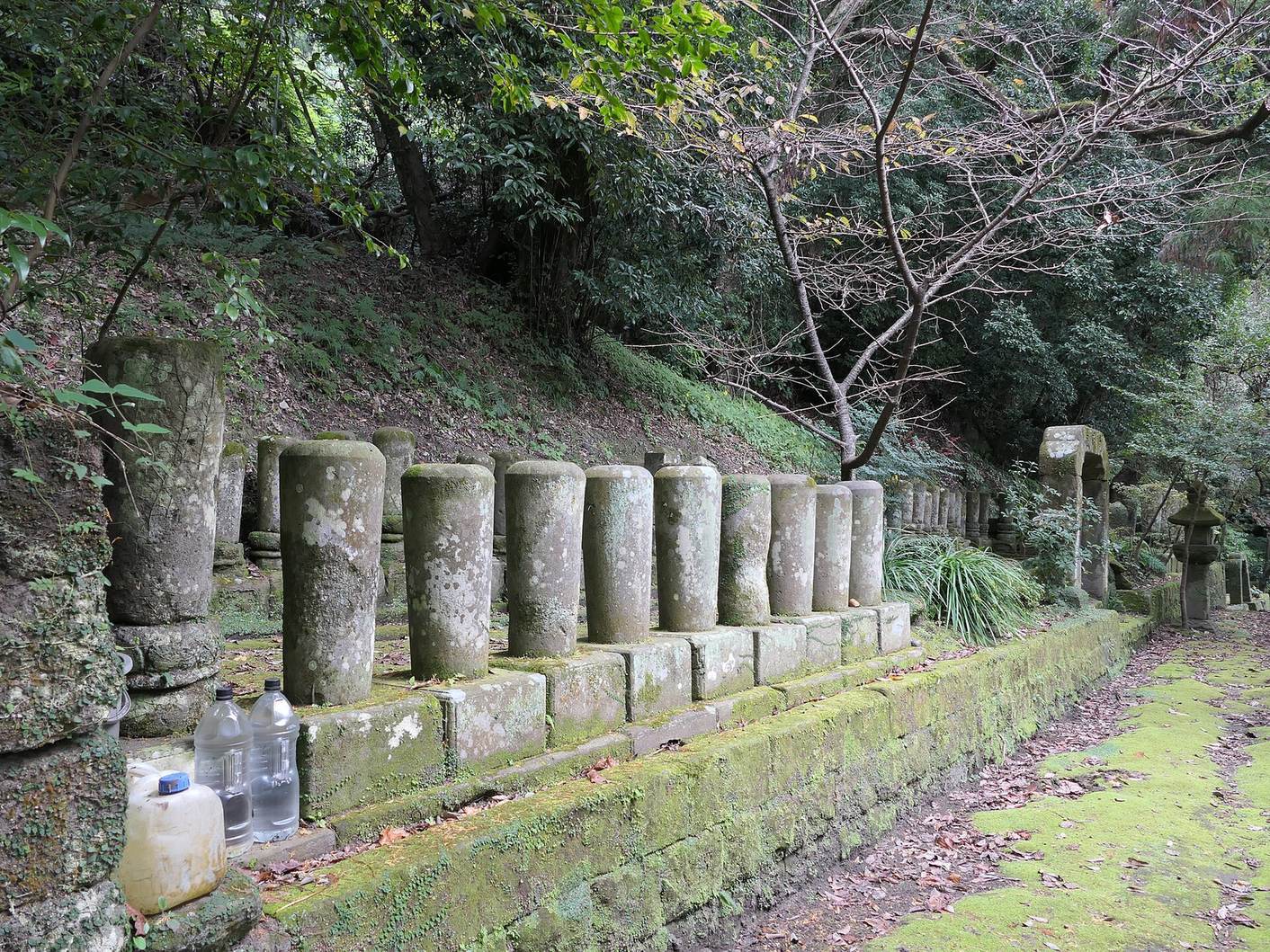
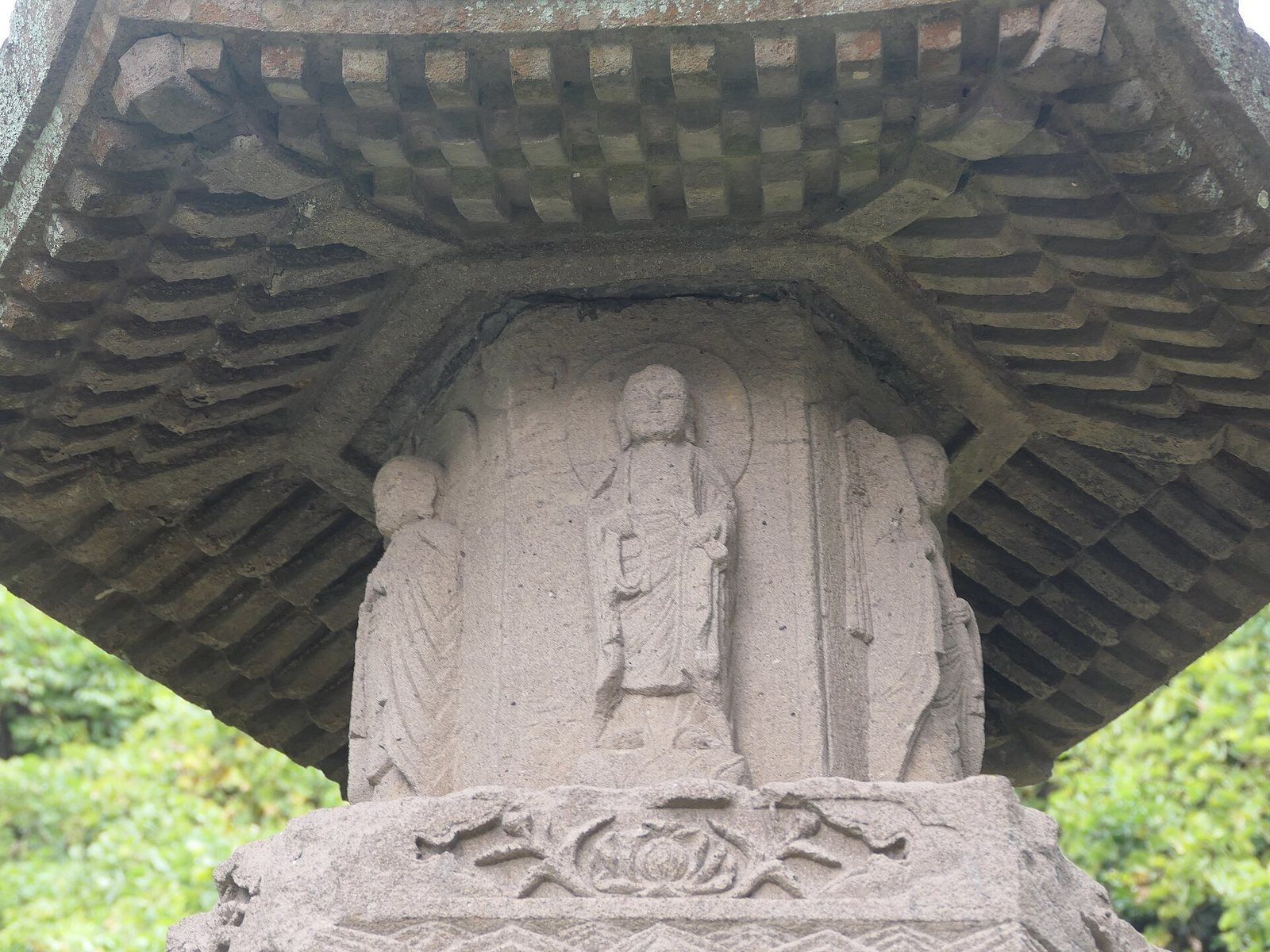
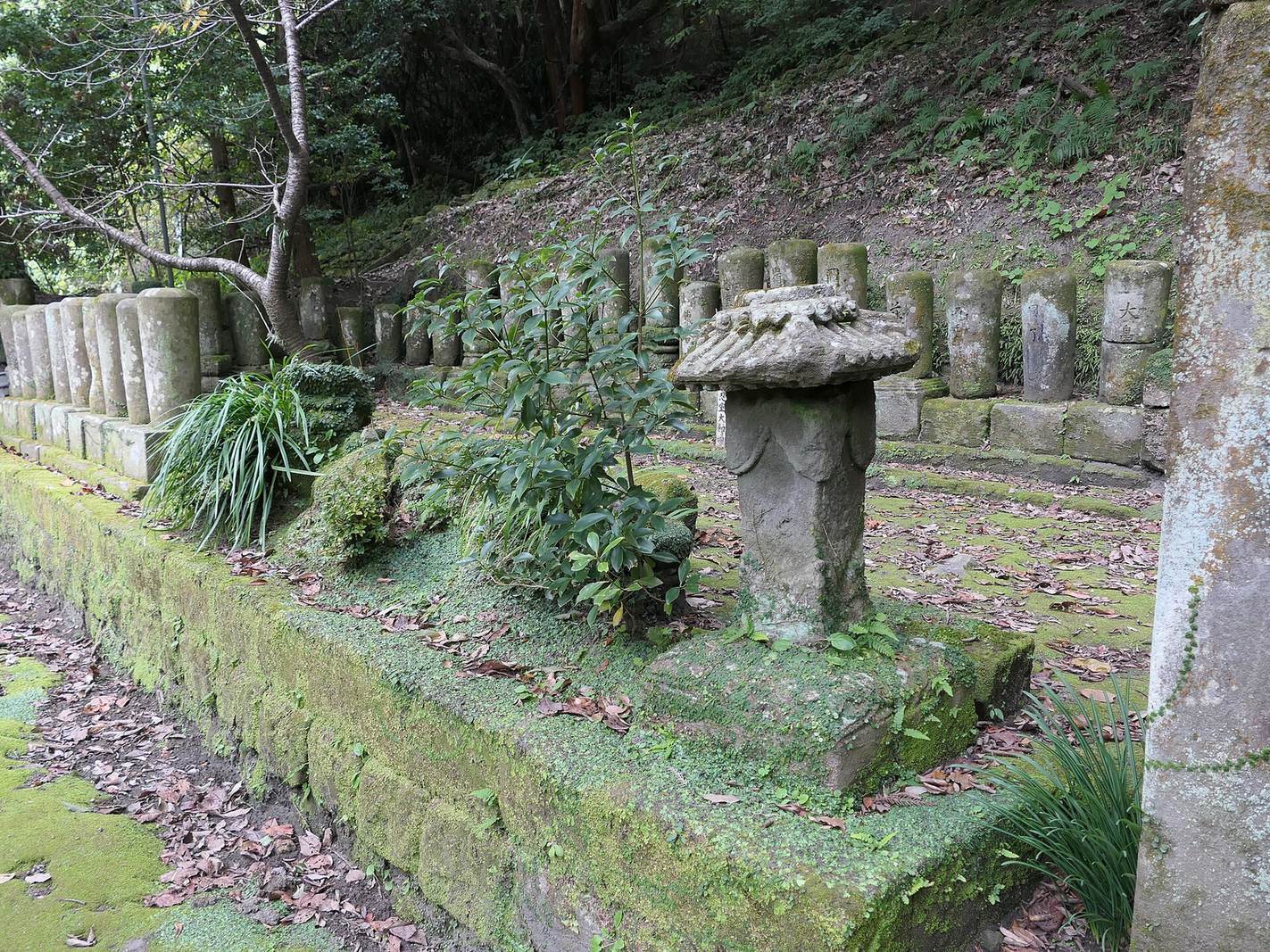
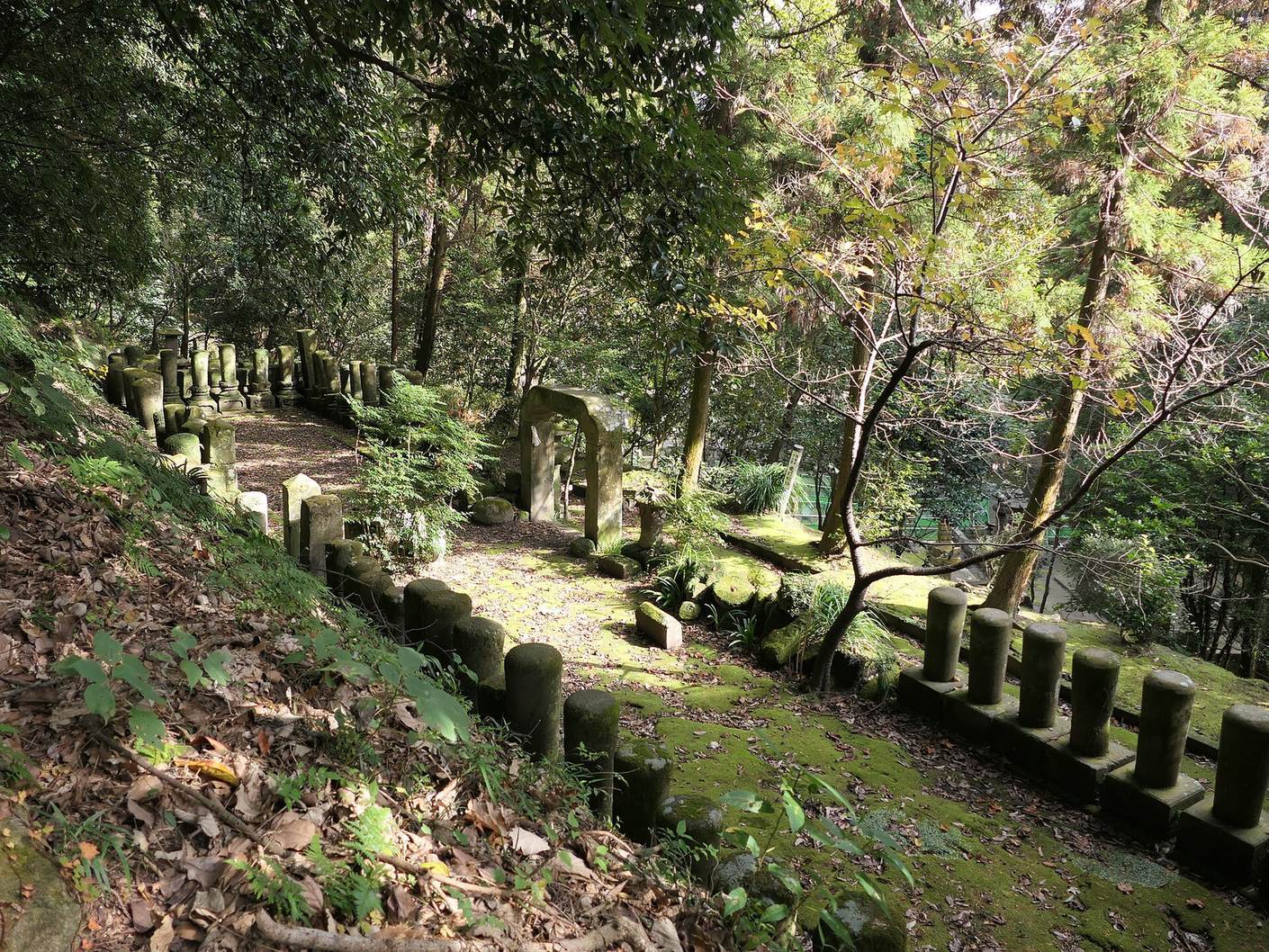
The principal surviving burial complex contains graves of Shimazu family heads and their relatives, spanning the sixth-generation heads Shimazu Morihisa and Shimazu Ujihisa through the twenty-eighth head, Shimazu Nariakira. Stone lanterns and monuments on carved tortoise-shaped supports stand among the graves. The five earlier heads are buried at Kannō-ji in Izumi.
Tombs of Shimazu retainers and officials
A separately divided area contains the tombs of Chōjuin Moritsuna, a Shimazu retainer, and Zusho Hirosato, a Satsuma official associated with fiscal reforms.
Hillside cemetery
The hillside cemetery holds the graves of former Fukushō-ji abbots and of the Christians who died during their confinement at the temple.
Rear-mountain cemetery
A cemetery on the rear mountain contains the graves of Shimazu Tadayoshi, his wife, and Shimazu Tadashige, a later head of the Shimazu family.
Relocated guardian statues
A pair of stone Niō guardian statues formerly at Fukushō-ji was moved in 1898 to the entrance of the successor temple in Satsumasendai. The pair is among the largest stone statues in that city.