Mycenaean Cemetery of Voudeni: A Bronze Age Burial Ground
Site at a Glance
- Popularity
- Medium
- Country
- Greece
- Primary era
- Bronze Age
- Eras represented
- Bronze Age
- Civilizations
- Mycenaean
- Site type
- City
On this page9 sections
History
The Mycenaean cemetery of Voudeni is a Bronze Age burial ground near Liapeika, Greece, associated with mainland Greece’s Mycenaean civilization and used mainly from about 1500 to 1050 BC. It belonged to a major regional center in western Achaia, interpreted as a princely center, meaning a prominent settlement associated with local elite authority rather than necessarily a palace.
Settlement and cemetery use
Traces of settlement reach back to the Middle Helladic period, about 2000–1600 BC, an earlier phase of Greek prehistory. The settlement’s principal Mycenaean occupation dates to about 1500–1050 BC, during the Late Helladic period, the archaeological term for the Mycenaean era in Greece. The cemetery was used from Late Helladic II B through the end of Late Helladic III C. Some graves were reused in the Submycenaean phase, which followed the Late Helladic period, around 1050–1000 BC. Traces of occupation at the settlement extend into Roman times.
Regional role and landscape
Voudeni formed the center of a wider network of smaller settlements in the surrounding lowlands. Its territory included villages and hamlets, fields, woods, and a harbor. Fertile land supported agriculture and livestock, while the settlement’s position offered views over the sea and a route toward the mountains in times of danger. A natural harbor near the mouth of the Meilichos River, in the area of today’s Agyia marsh, provided access to the sea and a means of controlling the Gulf of Patras. Nearby soft ground also influenced where the cemetery was placed.
Western Achaia probably did not develop a palace center in the fourteenth century BC. Voudeni and comparable settlements therefore appear to have retained local authority into the Late Mycenaean period. The settlement’s ancient name is uncertain, though it has been tentatively identified with ancient Mesatis.
Archaeological investigations
Nikolaos Kyparissis excavated a small number of graves in 1923–1924. Lazaros Kolonas led systematic excavations in 1988–1994 and 2004–2007, examining extensive parts of the cemetery and portions of the settlement. Finds indicate prosperity and commercial connections, with objects originating in Lakonia, the Argolid, and Crete, as well as Italy, Asia Minor, and the Syro-Palestinian region. Most finds were transferred to storage, while important objects are exhibited at the Archaeological Museum of Patras.
Remains
Site layout
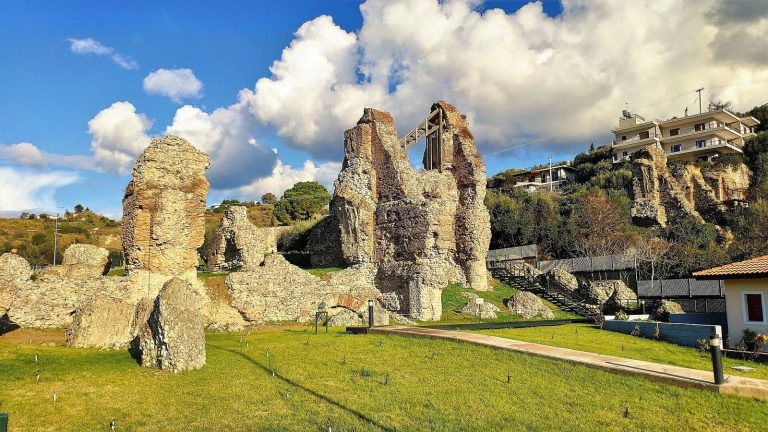
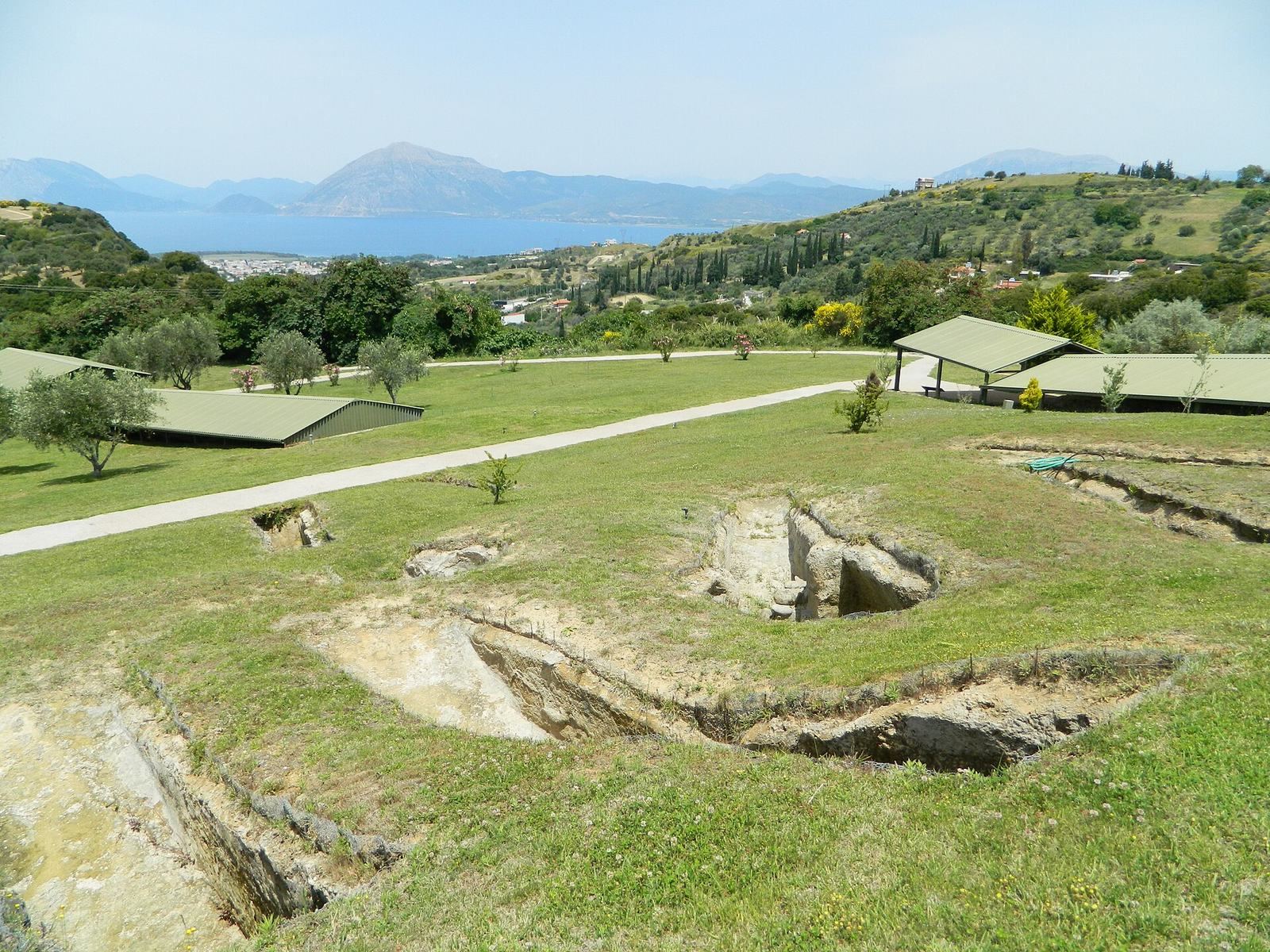
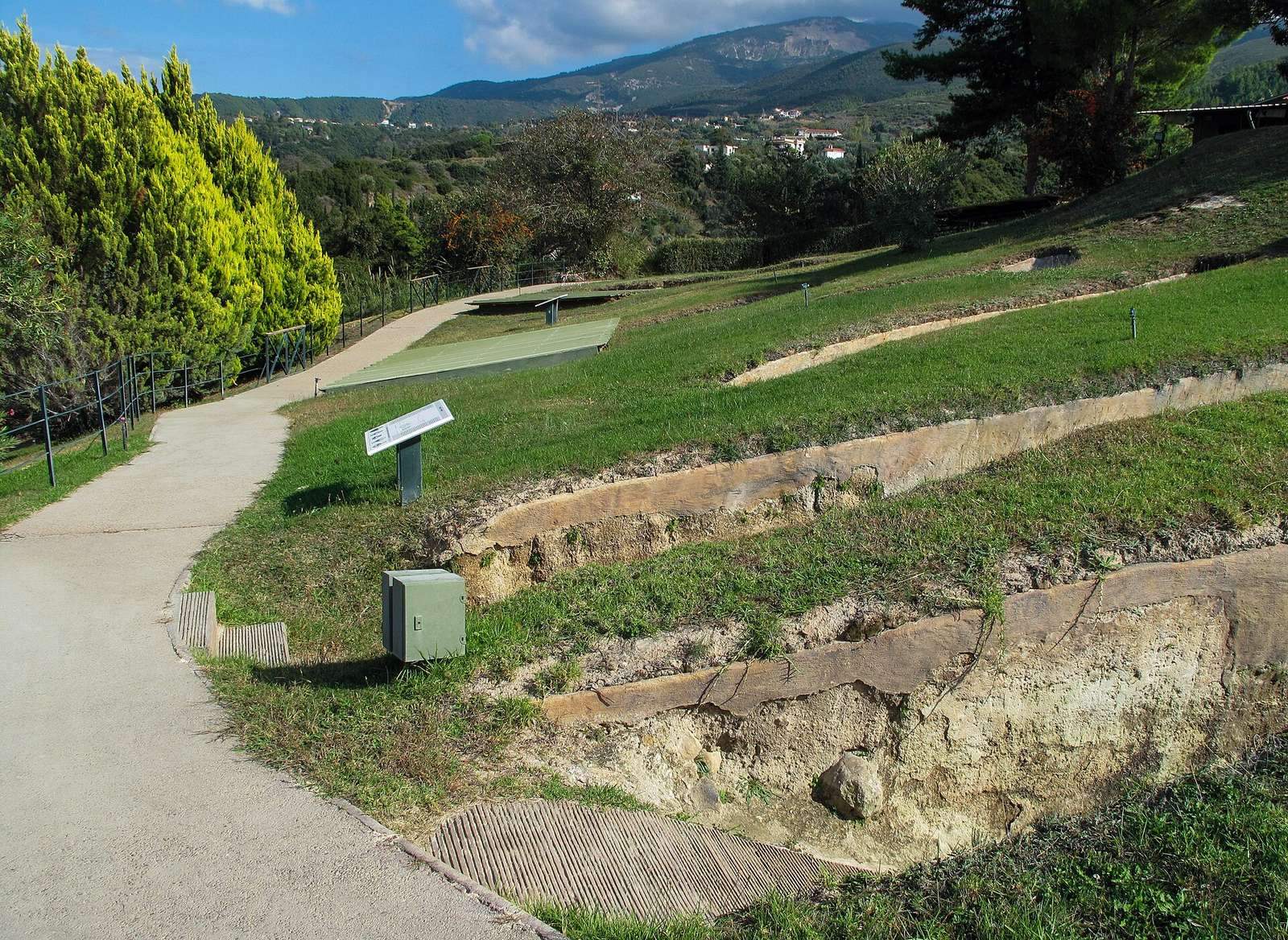
The archaeological site covers about 18 hectares at an elevation of approximately 220 metres, around seven kilometres northeast of Patras. It includes the remains of the settlement on Bortzi Hill, at the foot of Mount Panachaiko, and the cemetery at Amygdalia to the southeast, west of modern Voudeni. Naturally protected, Bortzi Hill stands out from the surrounding landscape; ruins of the prehistoric settlement survive there, although the settlement has been only partly investigated. The cemetery covers about 1.8 hectares and contains chambers cut into bedrock.
Burial chambers
Tomb forms and grave goods
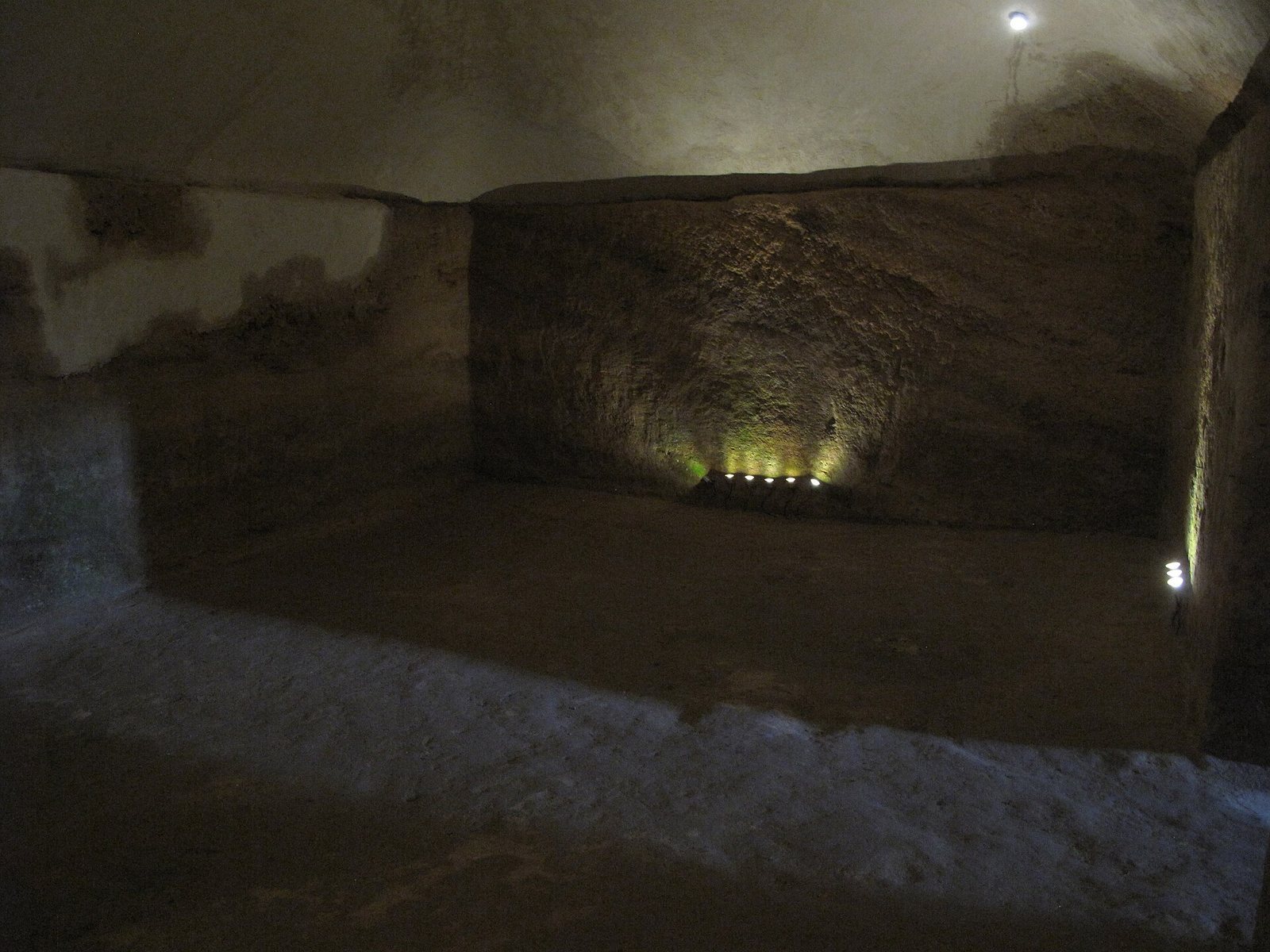
The cemetery contains 78 identified chamber tombs, of which 75 have been investigated. Their plans include circular, oval, square or rectangular, and horseshoe-shaped forms. Some chambers have domed ceilings, and many held multiple burials. Finds from most explored tombs include pottery, jewellery, tools, weapons, and utensils. Clay figurines and bronze ladles are among the other objects found at the site.
Tomb 4
Tombs 4 and 75 are among the largest in the cemetery. Tomb 4 has a long entrance passage and was used from the early fourteenth century to the late eleventh century BC.