Musée Les Sources d’Hercule: A Roman Spring Sanctuary Museum in France


Site at a Glance
- Rating
- 4.2
- Popularity
- Low
- Country
- France
- Primary era
- Classical
- External website
- Open
- Eras represented
- Classical
- Civilizations
- Roman
- Site type
- Museum
On this page6 sections
History
Musée Les Sources d’Hercule is an archaeological museum in Deneuvre, France, presenting the remains of a Roman spring sanctuary built in the middle of the second century and dedicated to Hercules. Roman Gaul was the part of Gaul incorporated into the Roman Empire and administered through Roman political and cultural institutions. The sanctuary became one of the most important religious sites of its kind in the region, with more than 100 statues of Hercules and related fragments forming the largest concentration of such discoveries in the western Roman Empire.
Discovery and archaeological investigations
The modern history of the sanctuary began in 1974, when the local farmer Blaise de Deneuvre found a fragment of a column while digging a well. The Société d’Archéologie de Deneuvre, directed by Gérard Moitrieux, pursued further investigations and recovered additional objects from the site until 1984.
Creation of the museum
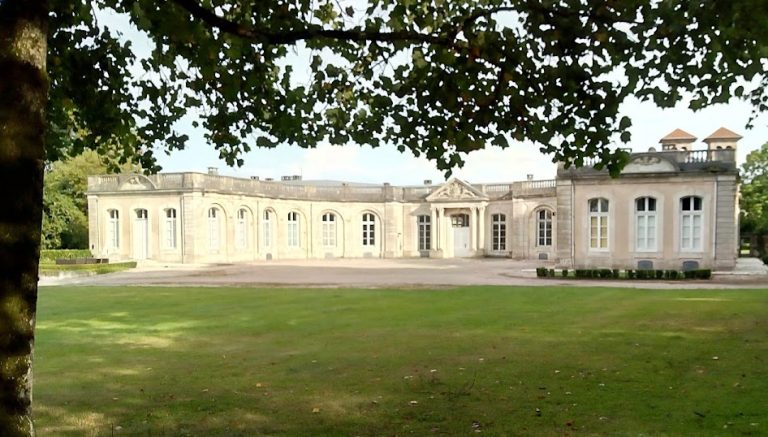
The museum opened in 1996 in Deneuvre’s former presbytery. It brought together the recovered objects and a reconstruction of the sanctuary, allowing the archaeological material to be presented within an interpretation of its original religious setting. Since 2003, the museum has held the French Musée de France designation, an official status associated with the preservation and public presentation of recognized cultural collections.
Remains
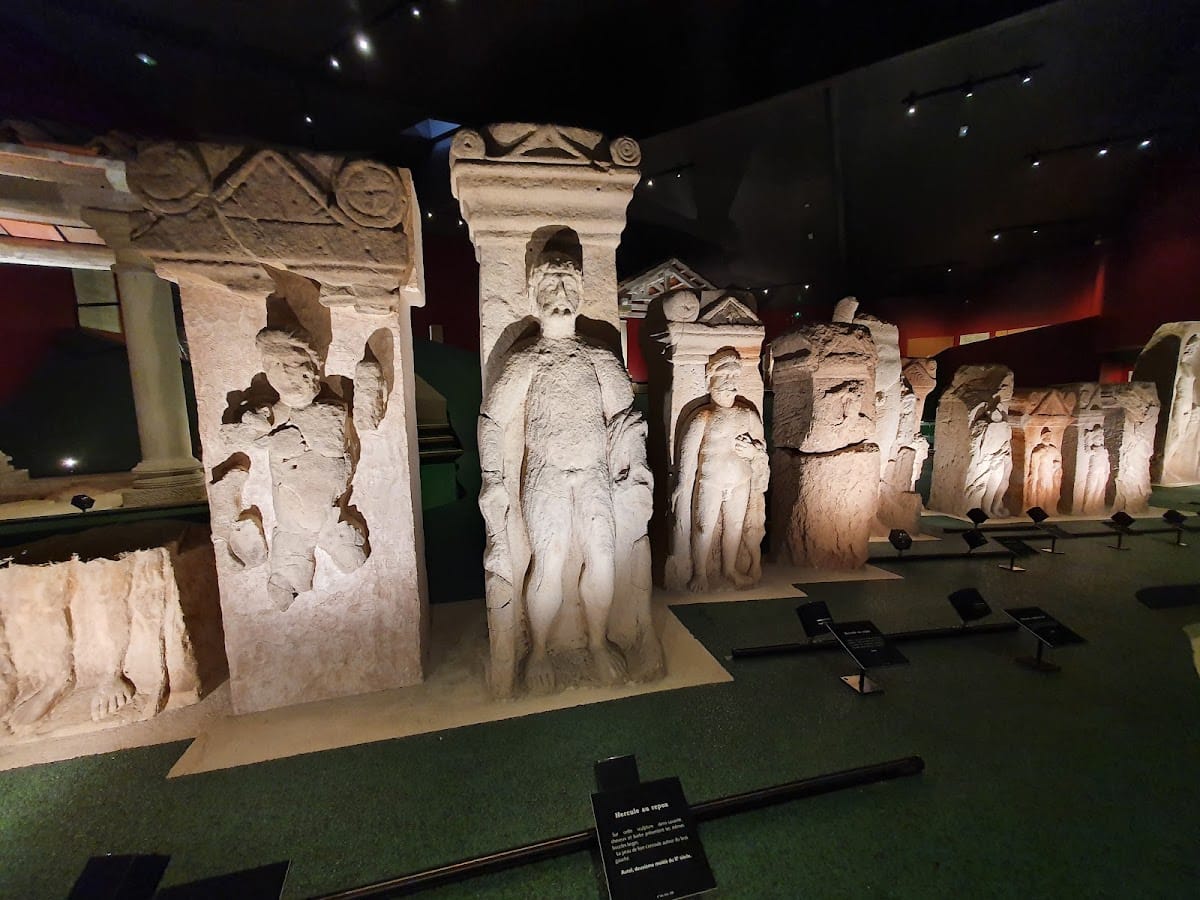
The museum combines recovered archaeological objects with a physical reconstruction of the spring sanctuary. A spring sanctuary was a religious site established around a natural spring or water source, where worshippers could make offerings and seek divine assistance. The reconstructed arrangement represents the sanctuary as it was in the middle of the fourth century, with statues and basins placed in the positions they occupied in the former sanctuary.
Reconstructed sanctuary
The reconstruction occupies part of the museum in the former presbytery and preserves the spatial relationship between the sanctuary’s statues and basins. Its fourth-century arrangement provides the framework for understanding how the recovered sculptures and water-related features were organized within the religious complex.
Statues, stelae, and offerings
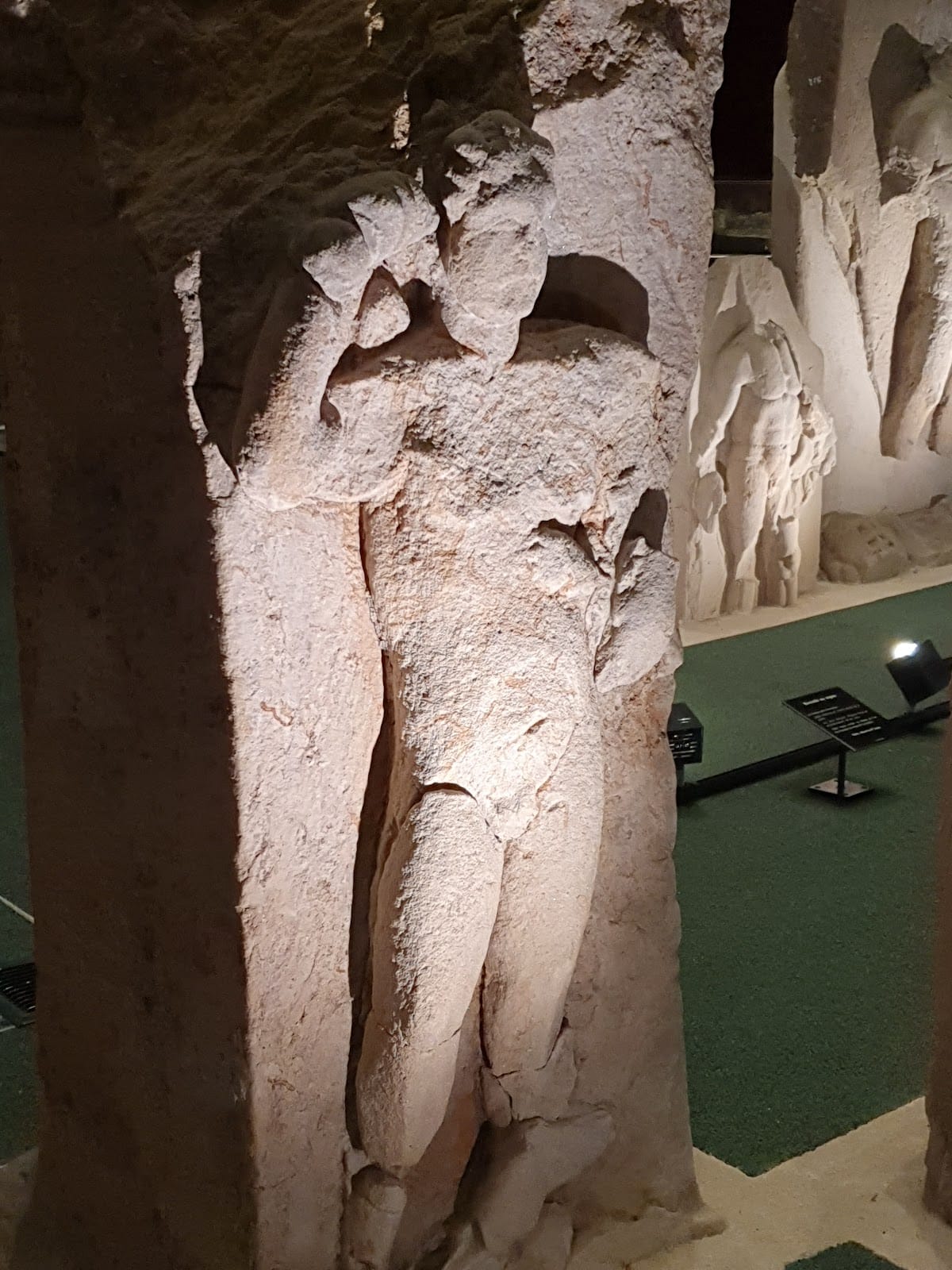
Approximately 100 stelae, some highly fragmentary, are displayed across an exhibition space of 400 square metres. A stele is an upright stone monument that may carry carved decoration or an inscription. Display cases also contain excavation finds, including offerings made by pilgrims who sought the fulfillment of a vow by Hercules. In antiquity, Hercules was worshipped as a heroic divine or semi-divine protector associated with strength, extraordinary feats, and healing or protective powers.