Elfenaupark: An English Landscape Park in Bern, Switzerland
Site at a Glance
- Popularity
- Medium
- Country
- Switzerland
- Primary era
- Modern
- Eras represented
- Early Modern, Modern
- Civilizations
- Swiss
- Site type
- Domestic
- Remains
- Park
On this page9 sections
History
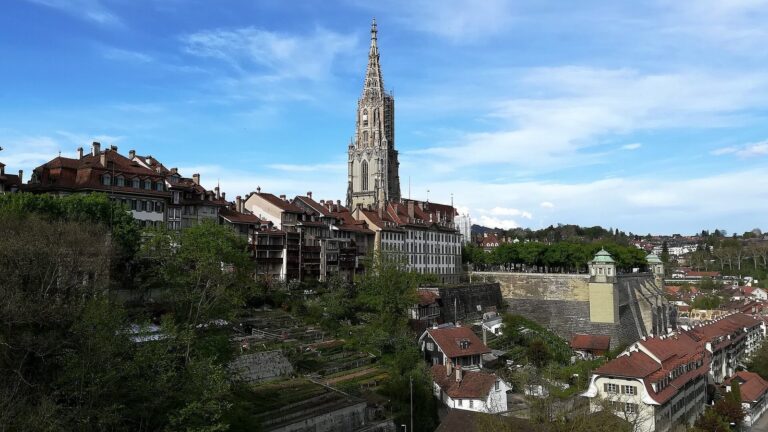
Elfenaupark is an early-nineteenth-century English landscape park in Bern, Switzerland, developed for Russian Grand Duchess Anna Feodorowna. An English landscape park arranges paths, plantings, and open ground to create a naturalistic landscape. Elfenaupark is regarded as one of Switzerland’s most important examples of the style.
Brunnadern and the convent
A women’s convent at Brunnadern occupied the area of the present park from 1285. The estate later became known as Brunnaderngut.
Anna Feodorowna’s estate
Anna Feodorowna, born Juliane of Saxe-Coburg-Saalfeld, was a German-born princess who became a Russian grand duchess through marriage. She bought Brunnaderngut in 1814 and renamed it Elfenau in 1816, a name evoking elves. With the assistance of Swiss physician Rudolf Abraham von Schiferli, she remodeled the estate and commissioned garden designer Johann Heinrich Ohlendorff to create an English park.
Anna Feodorowna welcomed relatives, prominent members of Bern society, the Russian community, and foreign diplomats to the estate. She died there on 15 August 1860.
Public ownership and protection
The City of Bern took ownership of Elfenaupark in 1918. The city established its gardening department there in 1928–29; the department is now called Stadtgrün Bern. The park is listed in the Swiss Inventory of Cultural Property as a site of national importance. The nature reserve along the Aare has national and cantonal protection.
Remains
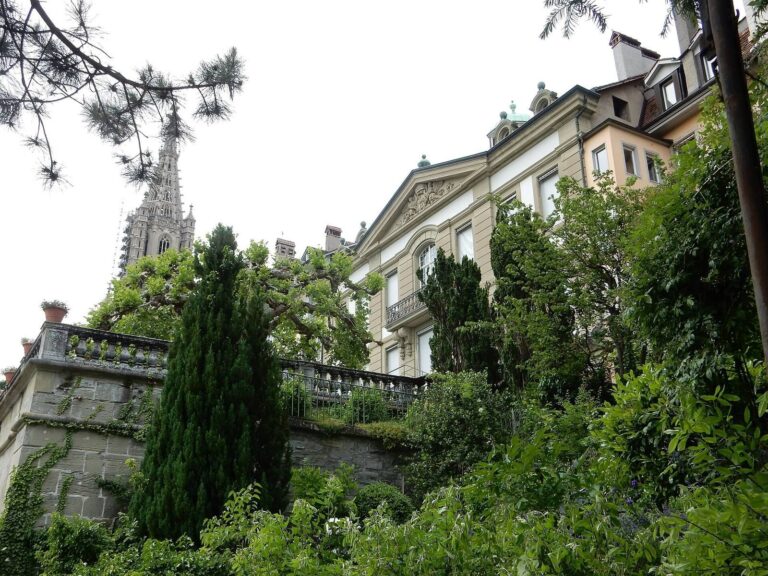
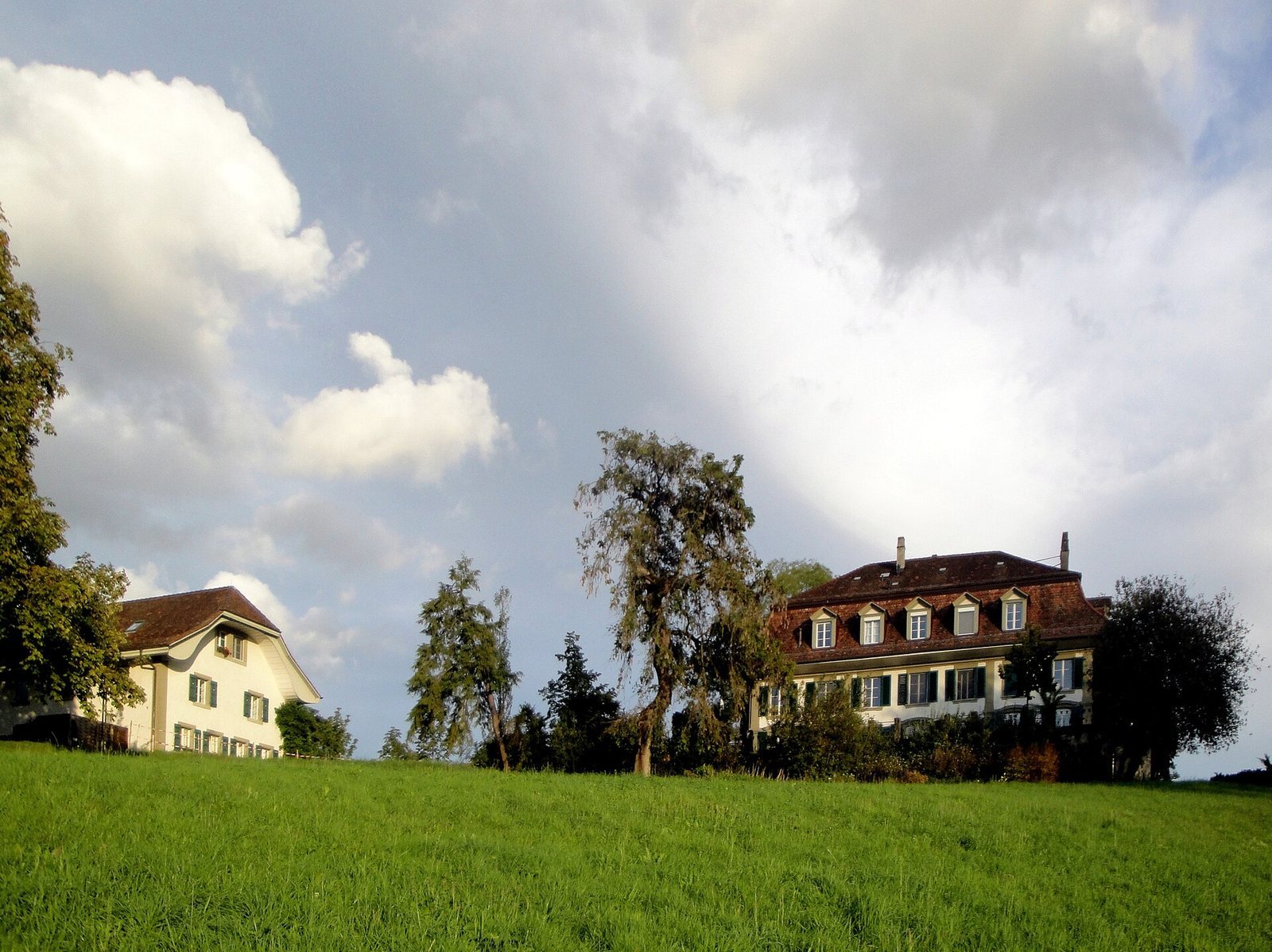
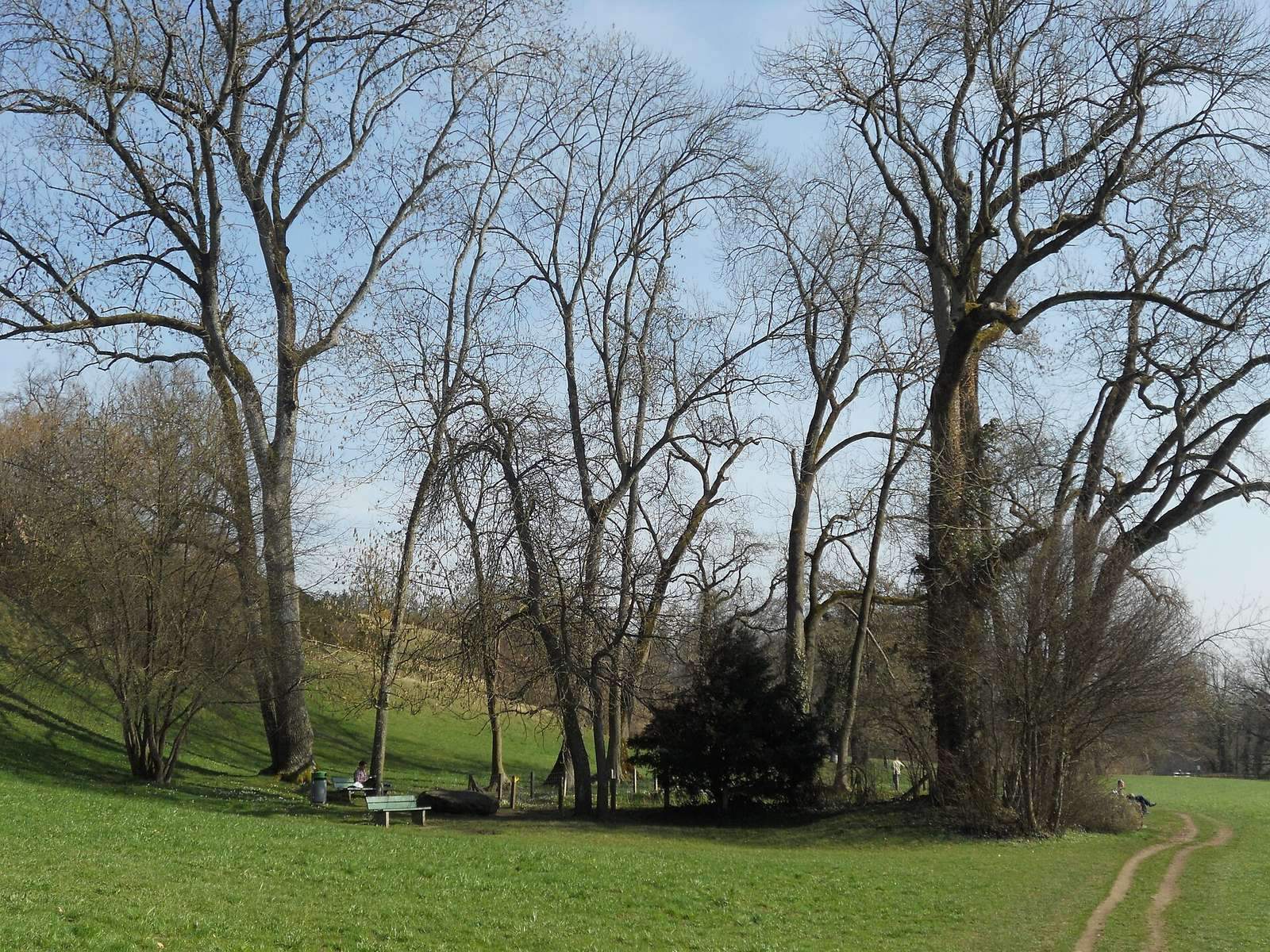
The estate combines historic buildings with an early-nineteenth-century English landscape park. Its grounds extend along the banks of the Aare, including a nature reserve beside the river.
Estate buildings
Country house and manor buildings
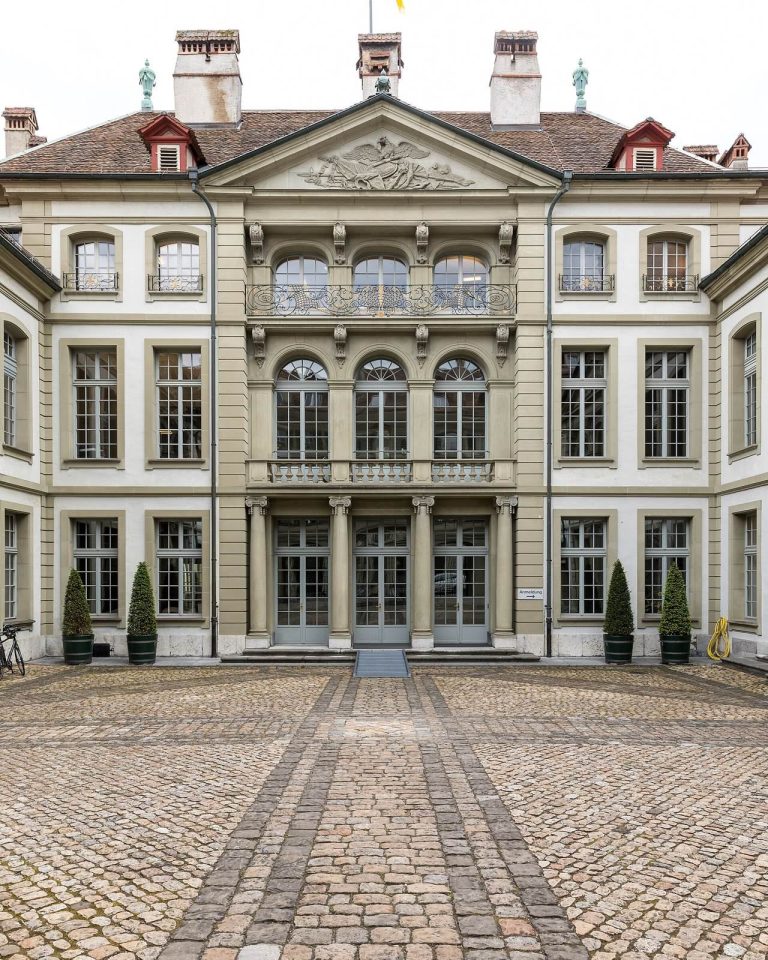
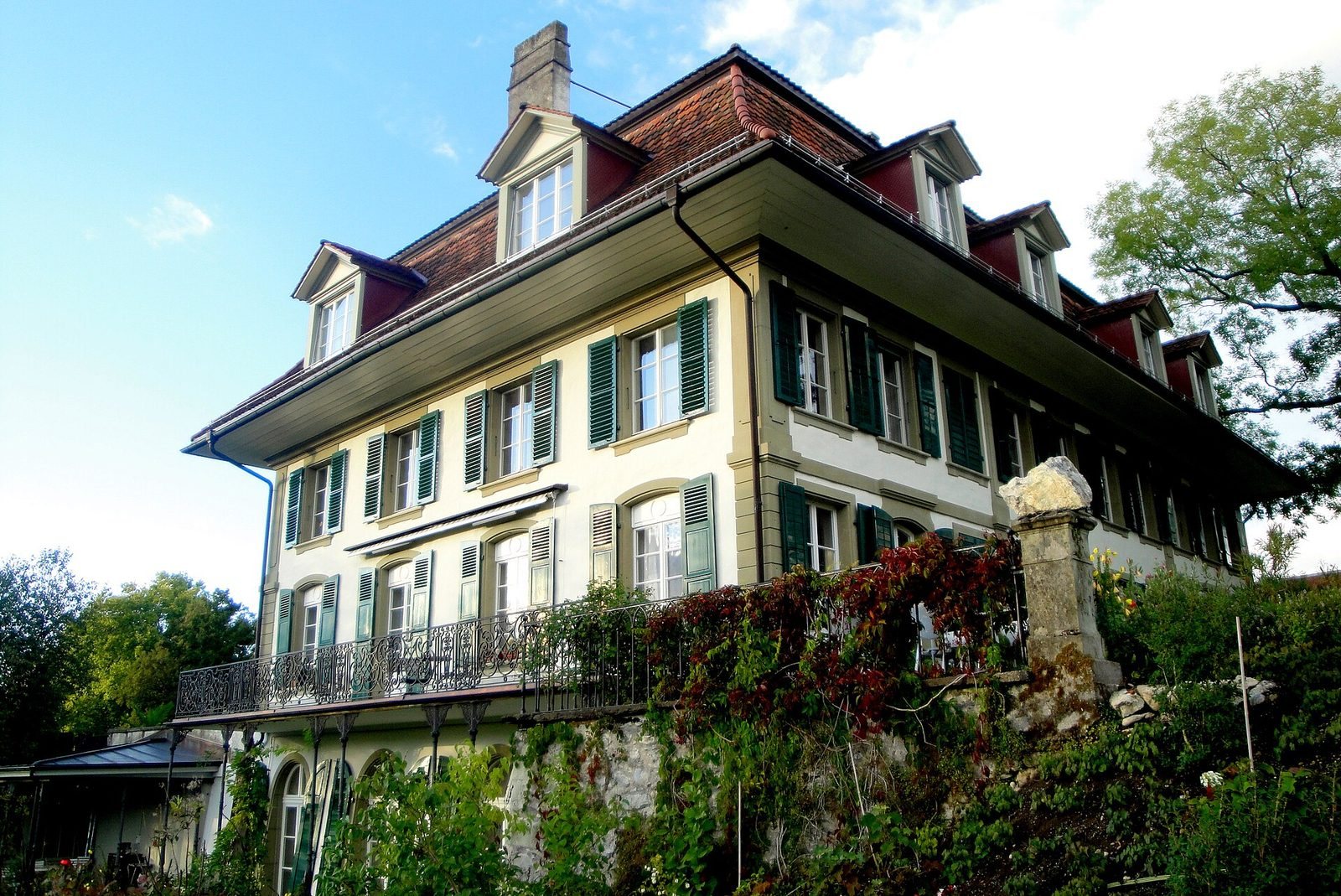
A country house built in 1735 forms part of the estate. Around 1780, a timber-framed house was demolished and replaced by a new building. The manor buildings were later remodeled in Empire style, a neoclassical architectural and decorative style associated with the Napoleonic era.
Barn and orangery buildings
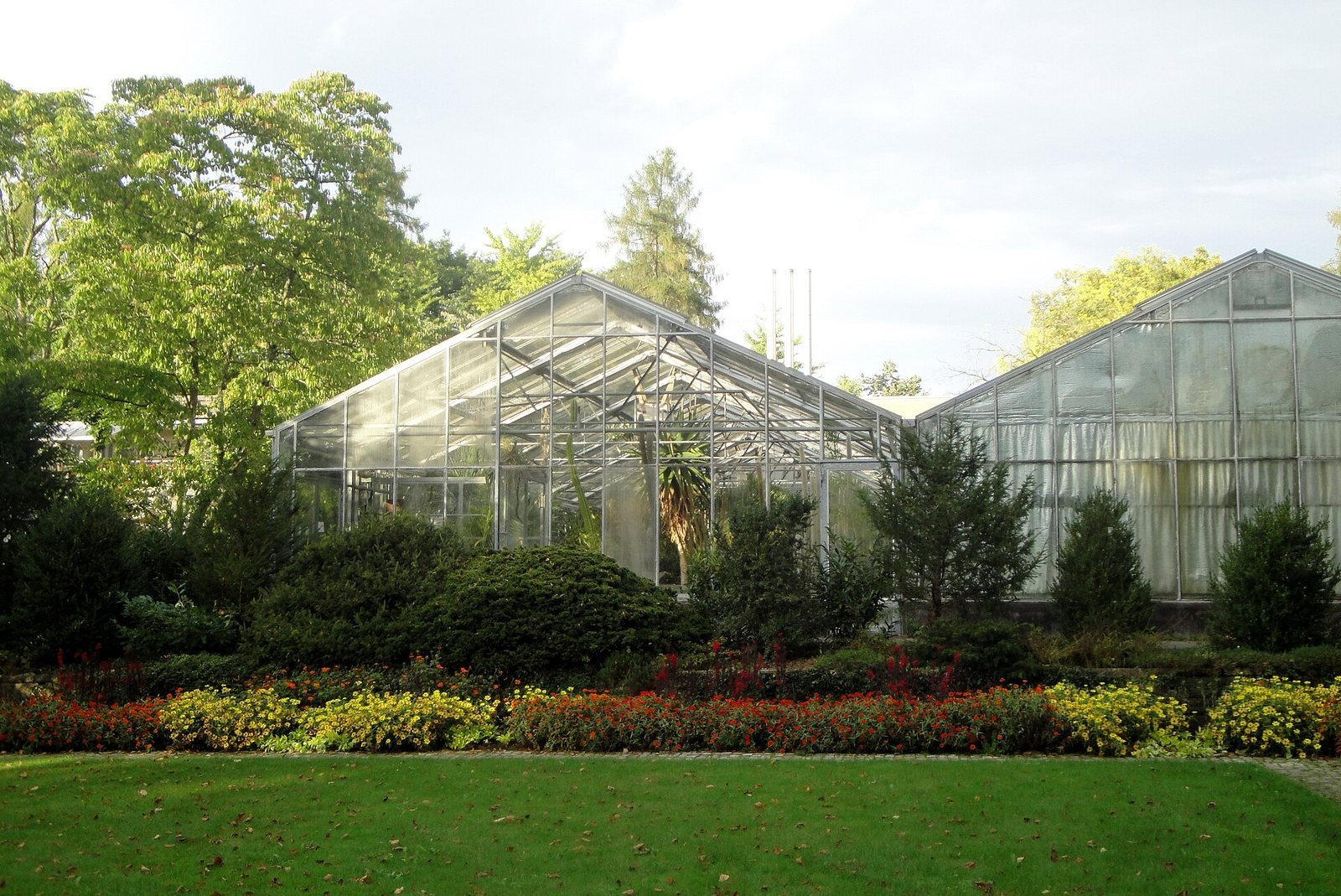
A barn, colloquially called the “large orangery,” is used for exhibitions and concerts. A carriage house later gained an orangery annex. Together, the buildings are colloquially known as the “small orangery,” and the complex is used in summer as a café and venue for artists’ exhibitions.
Park and riverside grounds
The park is an English landscape garden, a style that uses paths, plantings, and open ground to create a naturalistic composition. The grounds include a nature reserve along the Aare.