Mishkova niva: An Ancient Sanctuary and Necropolis in Bulgaria
Site at a Glance
- Popularity
- Medium
- Country
- Bulgaria
- Primary era
- Bronze Age
- Eras represented
- Bronze Age, Iron Age, Classical
- Civilizations
- Roman
- Site type
- Religious
- Remains
- Sanctuary
On this page11 sections
History
Mishkova niva is an ancient sanctuary and necropolis, or burial ground, in Bulgaria. Its use extended from the Bronze Age, a period marked by widespread use of bronze tools and objects, into Late Antiquity, the later phase of the ancient world, conventionally dated from the third through sixth centuries AD. The Great Mound at its center contains a dolmen, a prehistoric monument of large stones often associated with burial or commemoration, dating to the middle of the second millennium BC.
From dolmen to sanctuary
The dolmen may first have served as a place to honor a mythical ancestor. In a later phase, its remains and enclosure were treated as a heroon, a place honoring a hero or deified ancestor, and incorporated into a sacred precinct where Apollo was worshipped. This development probably coincided with increasing iron mining nearby. The sanctuary remained in use until the end of antiquity, around the fourth to sixth centuries AD.
Sanctuary and mining in Roman times
Inscriptions point to Zeus-Dionysus and Apollo, the latter known by a local epithet, as principal deities in the Malko Tarnovo area. A second-century AD dedication records that Straton, son of Straton and leader of the Greek workers in the iron mines, erected an altar to Apollo in the eighteenth year after Antoninus was proclaimed Augustus, an honorific title for a Roman emperor. Straton made the dedication for the safety and successful work of himself, his family, and the miners.
The wider archaeological complex included two domed tombs, a fortress, a fortified Roman villa, or rural estate, and ancient mines.
Research, access, and conservation
Karel Shkorpil published the first scholarly account of the sanctuary in 1926. In 1981, an expedition led by Krastyo Mutafchiev excavated an unidentified feature in the saddle between the Goliamo and Malko Gradishte peaks. Modern legends identified it as the tomb of Bastet, an Egyptian goddess, but that identification remains unconfirmed.
Before 1989, strict security controls near the Turkish border limited access. Visitors needed permission, only local residents could work on excavations, and the archaeological team and excavation areas were guarded. Turkish border guards watched the work. After the border barrier fell, the complex became difficult to guard. Mishkova niva’s sanctuary was included in Europa Nostra’s Seven Most Endangered programme in 2014.
Remains
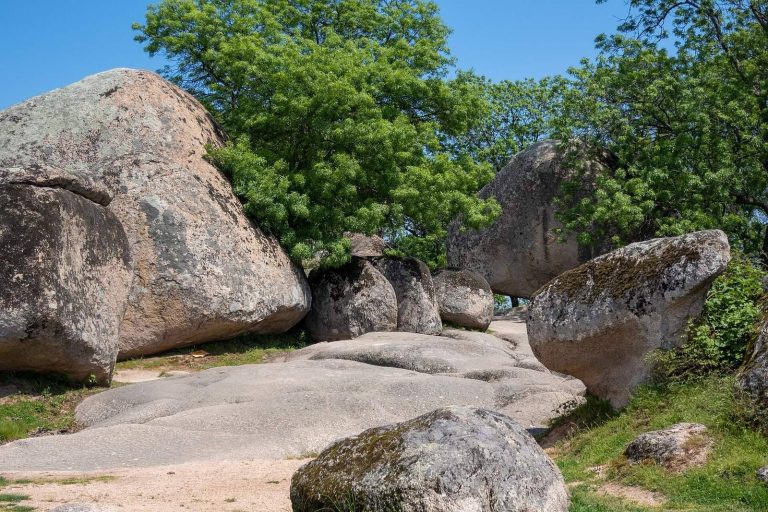
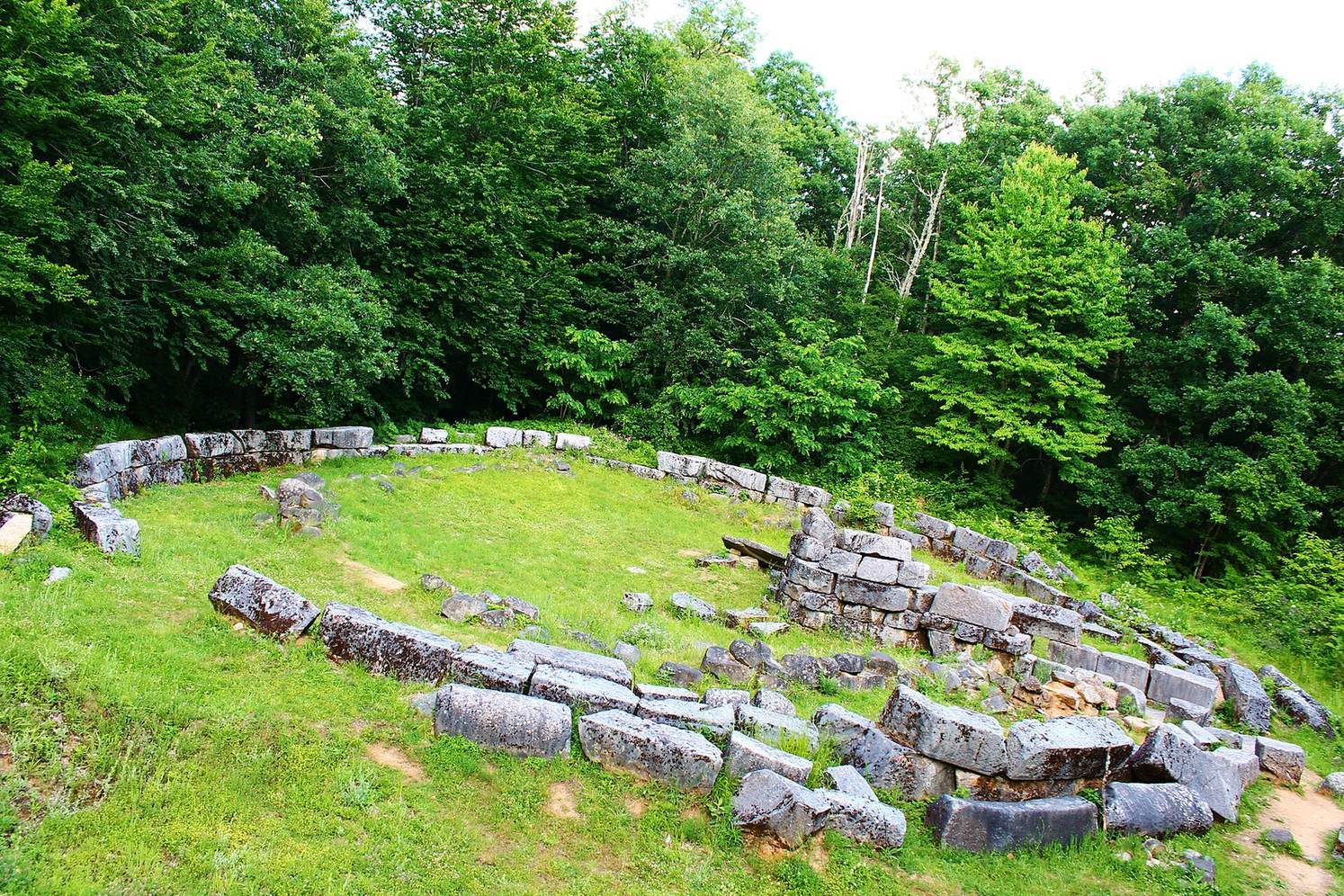
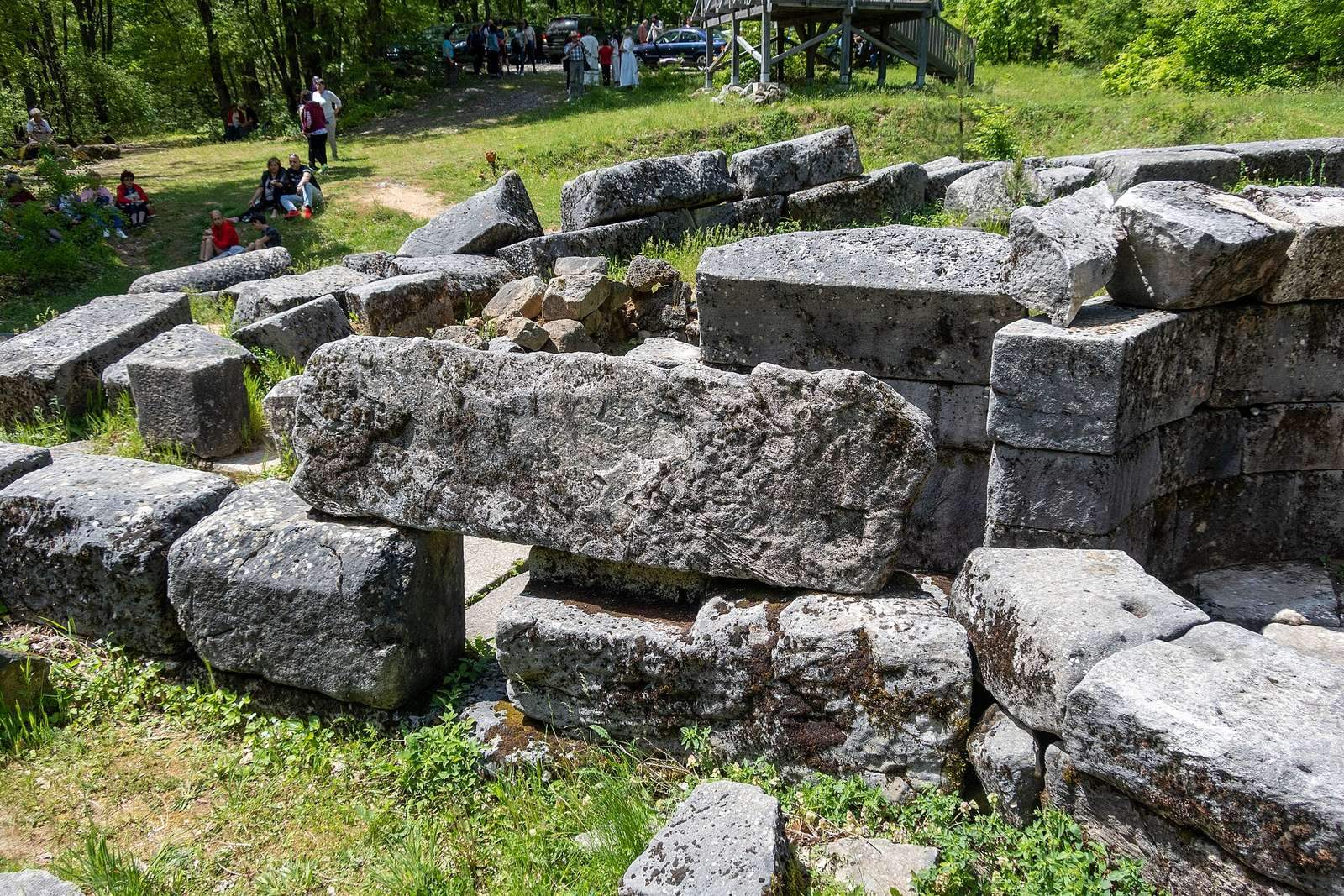
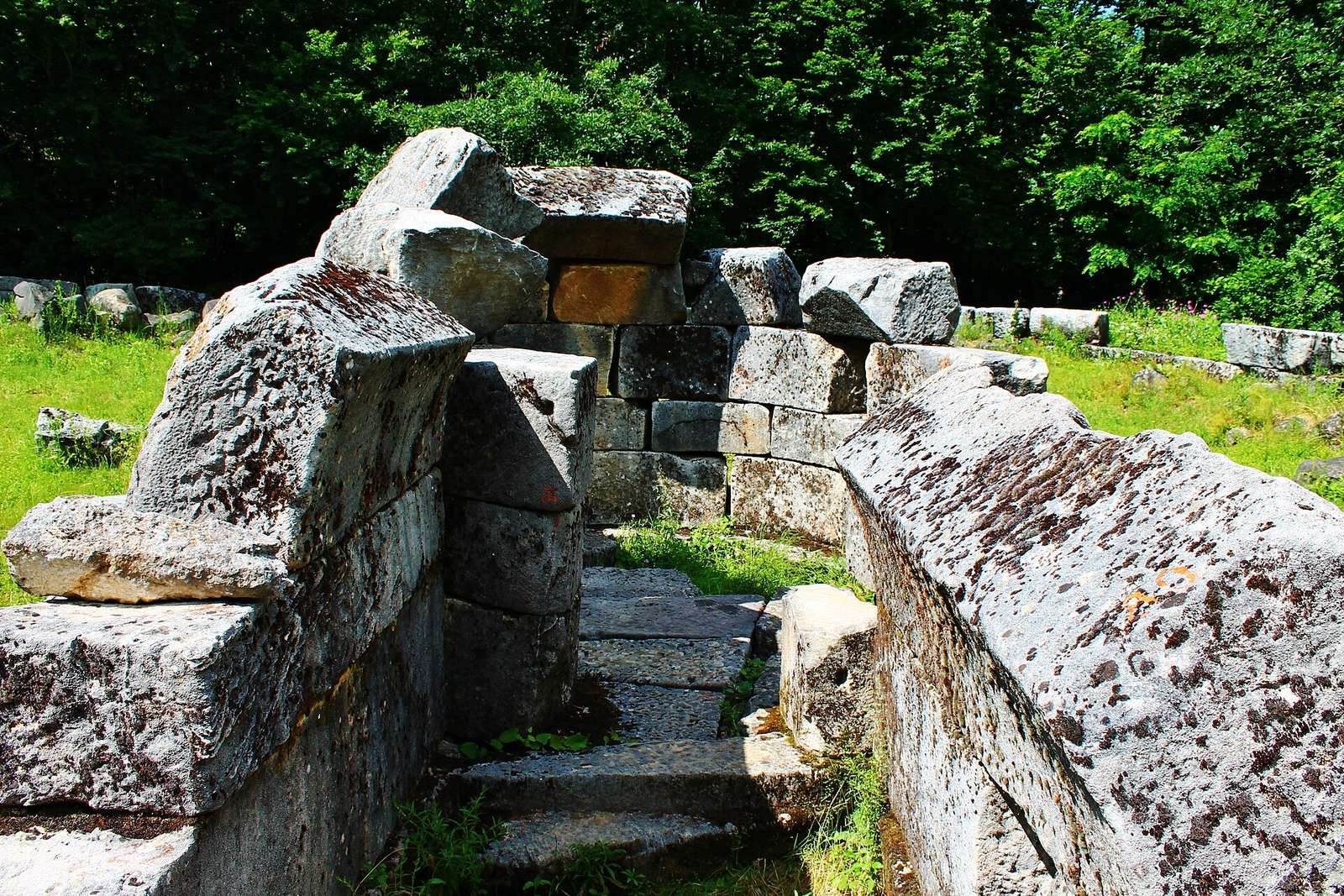
The necropolis is centered on the Great Mound. Its southern part contains a circular marble monument and a domed tomb, while an inner ring of rough granite encloses the large stones associated with the dolmen.
The Great Mound
Circular monument and tomb
The circular structure measures about 25 to 26 metres across and stands 1.8 metres high. Three courses of blocks made from local white marble form its outer structure. An entrance on the southern side leads through a covered passage into a round chamber beneath a dome. A triangular panel above the entrance bears a shield, a spear, and two open hands. Beside the passage’s western wall is a rectangular room made of rough granite, using materials and construction methods different from those of the tomb. The marble circle may have served both as a mausoleum and as a place of worship.
Dolmen enclosure and finds
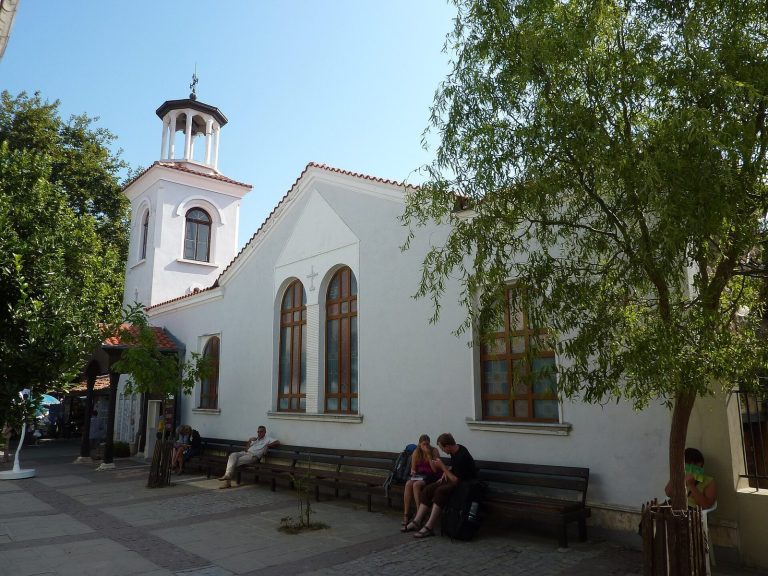
A smaller circle of rough granite encloses large granite slabs identified as the remains of a destroyed dolmen. More than 70 marble stones from the sanctuary’s temple were taken to Malko Tarnovo and reused in buildings, including a church and other public structures. Some bear inscriptions in ancient Greek. Karel Shkorpil noted two slabs carved with the Thracian Horseman, a recurring mounted hero or deity in Thracian religious imagery. The entrance’s triangular panel is now kept in the courtyard of the historical museum in Malko Tarnovo. Other finds held in the town’s museum include marble altars dedicated to Apollo, an inscription dedicated to Heracles, a Greek hero worshipped as a god, and votive plaques depicting the Thracian Horseman. The sanctuary and domed tombs are exceptionally well preserved.
Fortress and summit features
Fortress
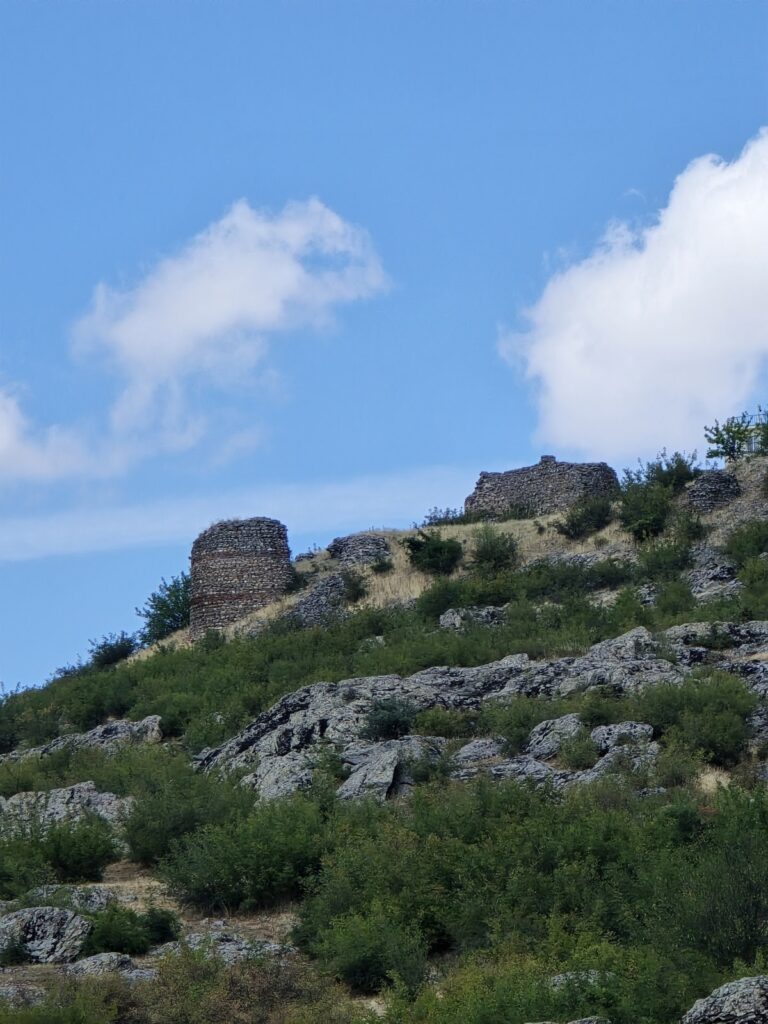
The fortress occupies the summit of Goliamoto Gradishte, 710 metres above sea level, the highest peak in Bulgarian Strandzha. Its dry-stone wall, built from closely fitted stones of varied sizes and shapes, is about 1.2 to 1.3 metres thick. The enclosed area is approximately 100 metres in diameter. Remains of rooms, brick fragments, and metallurgical slag are visible within the walls. Treasure hunters damaged or disturbed the fortress in the final quarter of the twentieth century.
Rock-cut pits
About 30 metres southwest of the summit, pits cut into the bedrock have been interpreted as evidence of a rock sanctuary, probably active in the second or early first millennium BC. The location is thought to have begun serving as a fortress in a later period.