Gülabi Ahmed Paşa Mosque: An Ottoman Place of Worship in Kırklareli, Turkey
Site at a Glance
- Popularity
- Very Low
- Country
- Turkey
- Primary era
- Early Modern
- Eras represented
- Early Modern
- Civilizations
- Ottoman
- Site type
- Religious
- Remains
- Mosque
On this page8 sections
History
Ottoman patronage and rebuilding
Gülabi Ahmed Paşa Mosque in central Kırklareli, Turkey, was commissioned in the sixteenth century by Bayezid II, an Ottoman sultan. The mosque is affiliated with Sunni Islam, one of the major branches of Islam.
After the building suffered extensive damage, it was either thoroughly repaired by Külâbî Ahmet Paşa, the minister responsible for mining affairs, or rebuilt in 1593–94 by Beylerbeyi Gülabi Ahmet Paşa, a senior provincial governor. The date 1593–94 may instead refer to the death of an Ahmet Paşa buried in the mosque cemetery, rather than to a rebuilding.
The surrounding neighborhood was formerly called Sultan Beyazıt, after Bayezid II, the mosque’s first patron.
War damage and renovation
The minaret was destroyed during the Balkan Wars and rebuilt in 1958. In 2008, the General Directorate of Foundations carried out renovation work at the mosque.
Remains
Main building
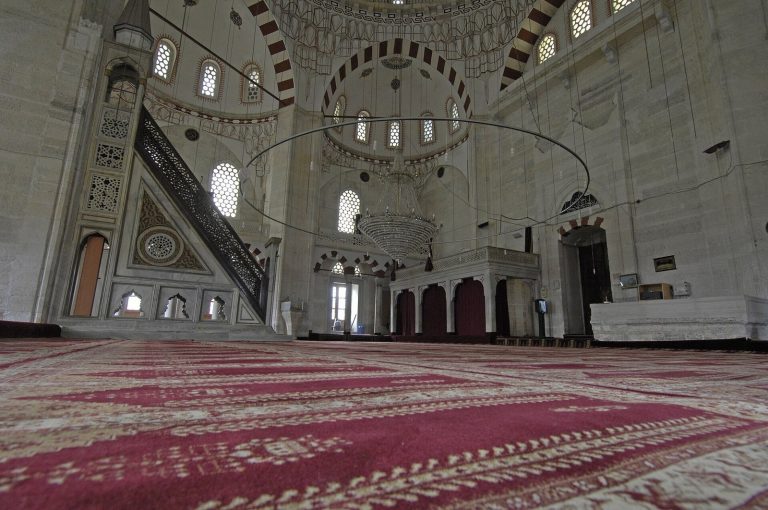
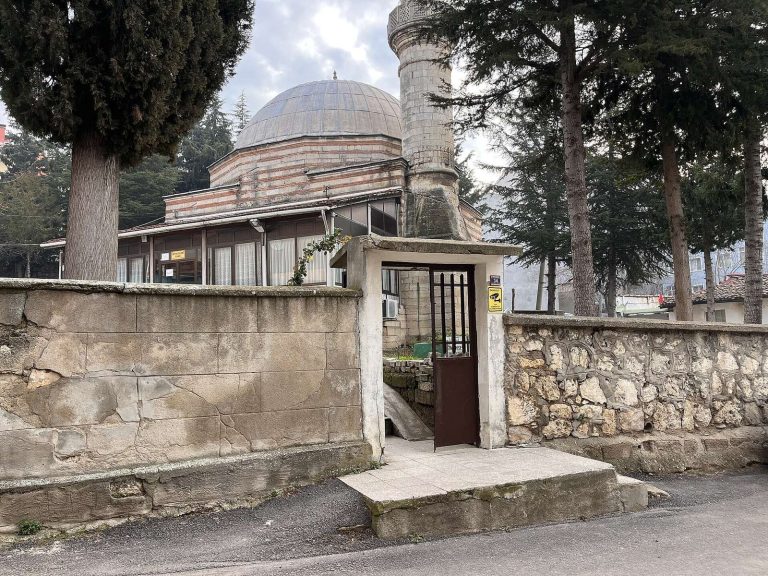
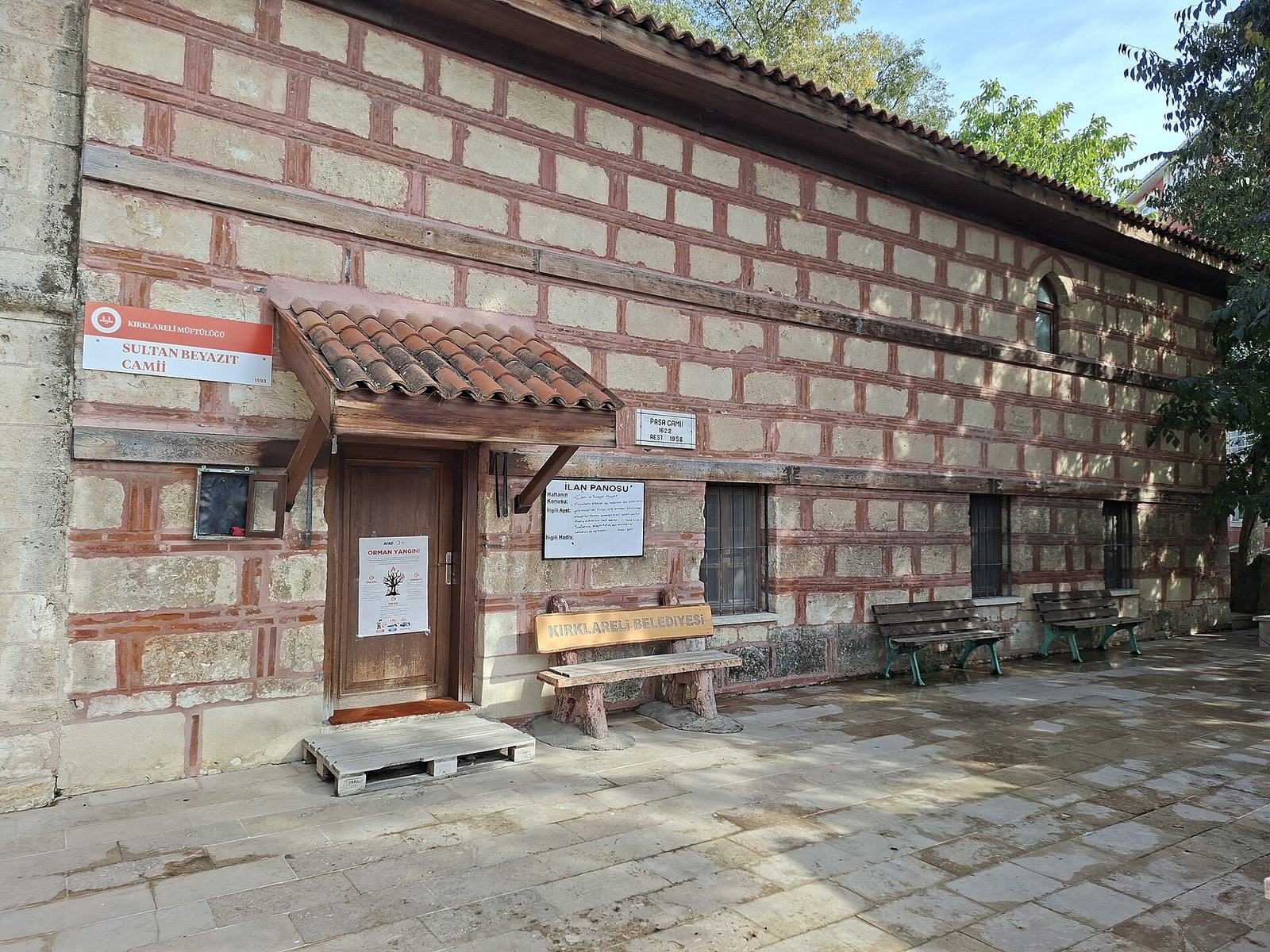
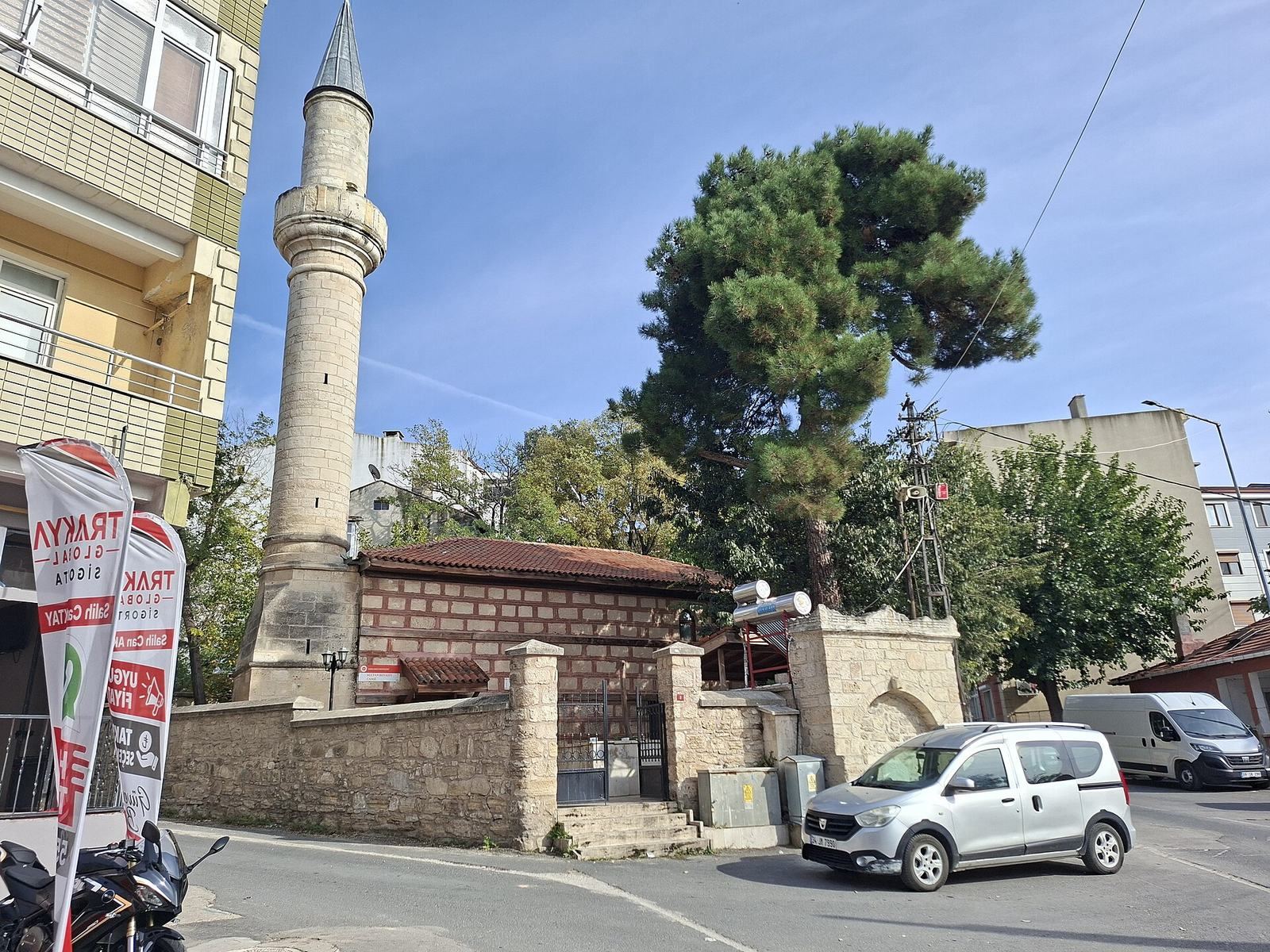
The mosque has a rectangular plan and a hipped roof, which slopes down on all sides, covered with traditional Turkish tiles. Its walls are built in repeating courses of one row of dressed stone followed by two rows of brick. The rectangular windows have wooden frames, with two rows on the facade containing the mihrab, a niche that indicates the direction of prayer. The entrance is on the northwest side. A single minaret of küfeki, a type of limestone used for building, is attached to the northeast side and has one balcony. Inside, the wooden gallery for women and the minbar, a pulpit used for preaching, are later additions rather than original features.
Features beside the mosque
Pasha Fountain
The Pasha Fountain adjoins the mosque’s garden wall. Gülabi Ahmet Paşa had it built in 1622.
Mosque cemetery
The cemetery contains Ottoman-period gravestones with inscriptions and uninscribed upright-stone grave markers.