Mihata Kofun Cluster: A Group of Kofun-Period Burial Mounds in Japan
Site at a Glance
- Popularity
- Medium
- Country
- Japan
- Primary era
- Classical
- Eras represented
- Classical, Medieval
- Civilizations
- Unclassified
- Site type
- Burial
- Remains
- Necropolis
On this page10 sections
History
The Mihata Kofun Cluster is a group of burial mounds in Nabari, Mie, Japan, built by influential local leaders between the fourth and sixth centuries during the Kofun period, an early era of Japanese history named for its monumental tombs. It is the largest group of kofun in the Iga region and is regarded as an especially important example from the area.
The mounds may be the graves of Iga chieftains from before the Yamato conquest. Yamato was an early Japanese polity that became a dominant political power across the archipelago. Tonozuka is considered the cluster’s oldest mound, though its construction date is uncertain.
The burial ground once extended beyond its seven principal mounds. Other circular and square mounds were lost as urban development expanded. In 1978, the cluster was designated a National Historic Site of Japan. The designation covers five keyhole-shaped mounds and the circular Akaizuka.
Remains
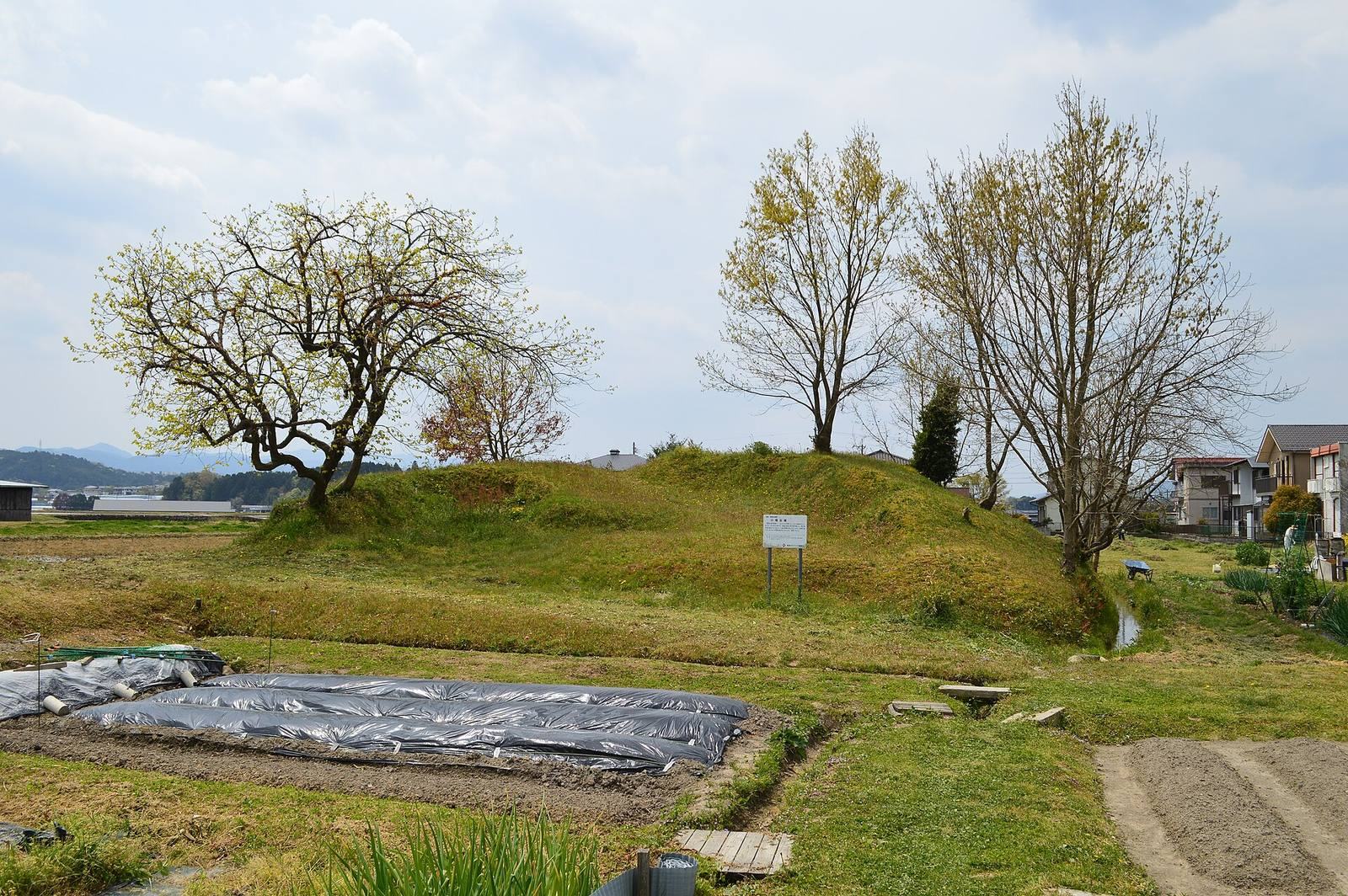
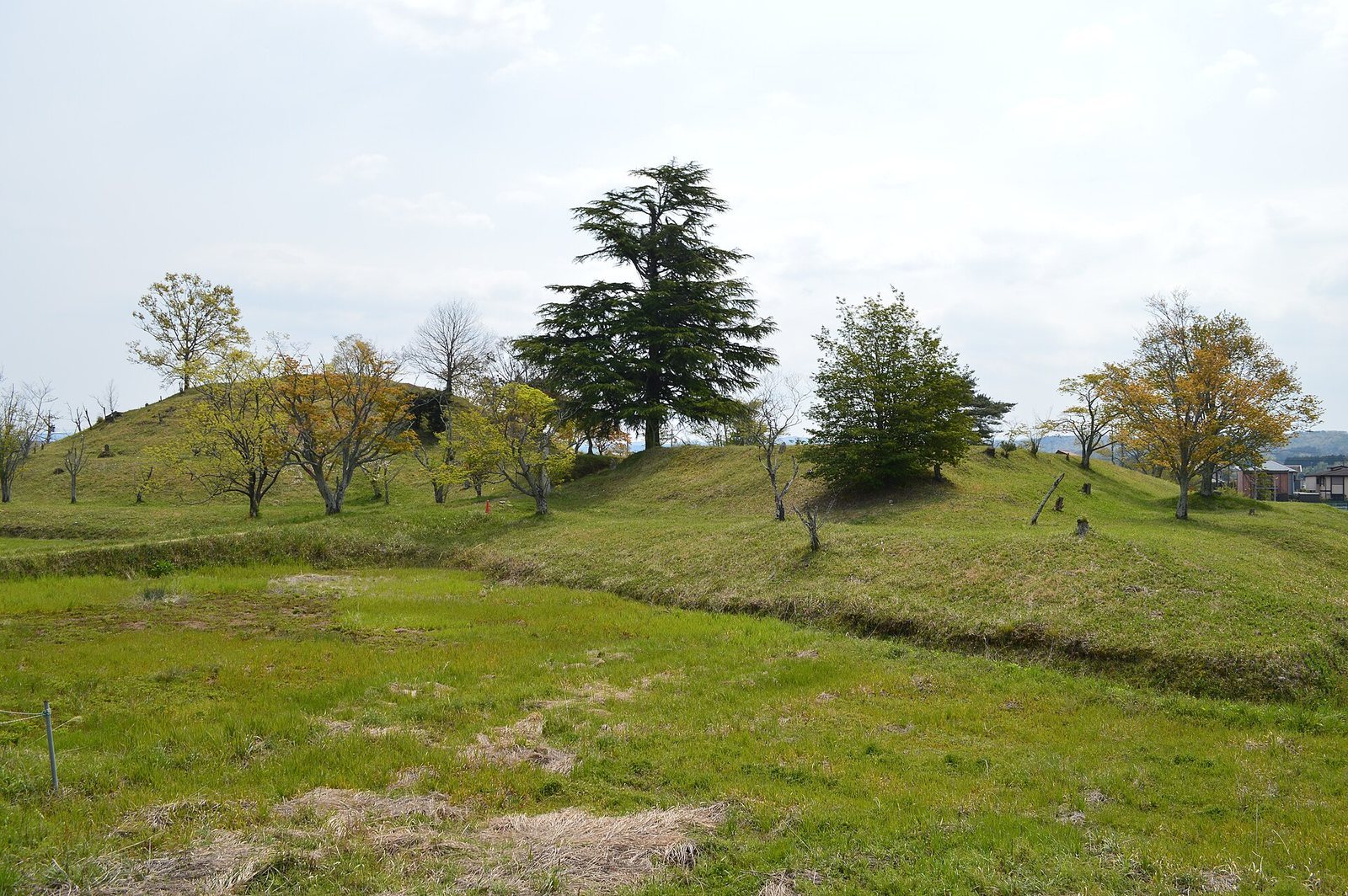
The seven principal mounds lie in the Nabari Basin in eastern Nabari. They comprise five keyhole-shaped mounds, one circular mound, and one square mound. Several of the keyhole mounds have moats. Kozuka, the square mound, is a short distance east of Umazuka.
Keyhole-shaped mounds
Tonozuka
At the northeastern edge of a plateau, Tonozuka is about 90 metres long. Fragments of horse fittings were excavated from the mound.
Jōrōzuka
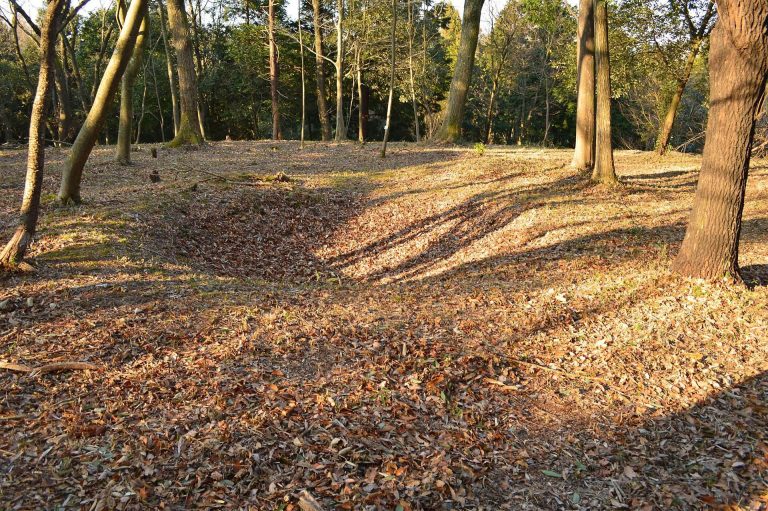
About 300 metres southwest of Tonozuka, Jōrōzuka is approximately 100 metres long and has a moat. It is scallop-shell-shaped, a type of keyhole mound with a reduced front projection. Its circular rear section is about 73 metres across and 9 metres high. The front section measures about 40 metres wide, 30 metres long, and 3 metres high.
Bishamonzuka
Bishamonzuka also lies about 300 metres southwest of Tonozuka and is surrounded by a moat. This scallop-shell-shaped mound is about 65 metres long. Its rear circular section measures around 44 metres in diameter and 7 metres high, while the front section is 20 metres wide and 3 metres high.
Umazuka
About 800 metres south of Bishamonzuka, Umazuka is the largest mound in the group, at 142 metres long. Its rear circular section is 98 metres in diameter and 14 metres high; the front section is 100 metres wide and 6 metres high. A moat between 7 and 25 metres wide surrounds it.
Kijinzuka
Kijinzuka is thought to date to the beginning of the sixth century. It is about 55 metres long, with a rear circular section 35 metres across and 4.5 metres high, and a front section 35 metres wide and 4 metres high. A shallow moat, about 6 metres wide, borders the mound. It lies approximately 600 metres southeast of Kozuka.
Circular mound
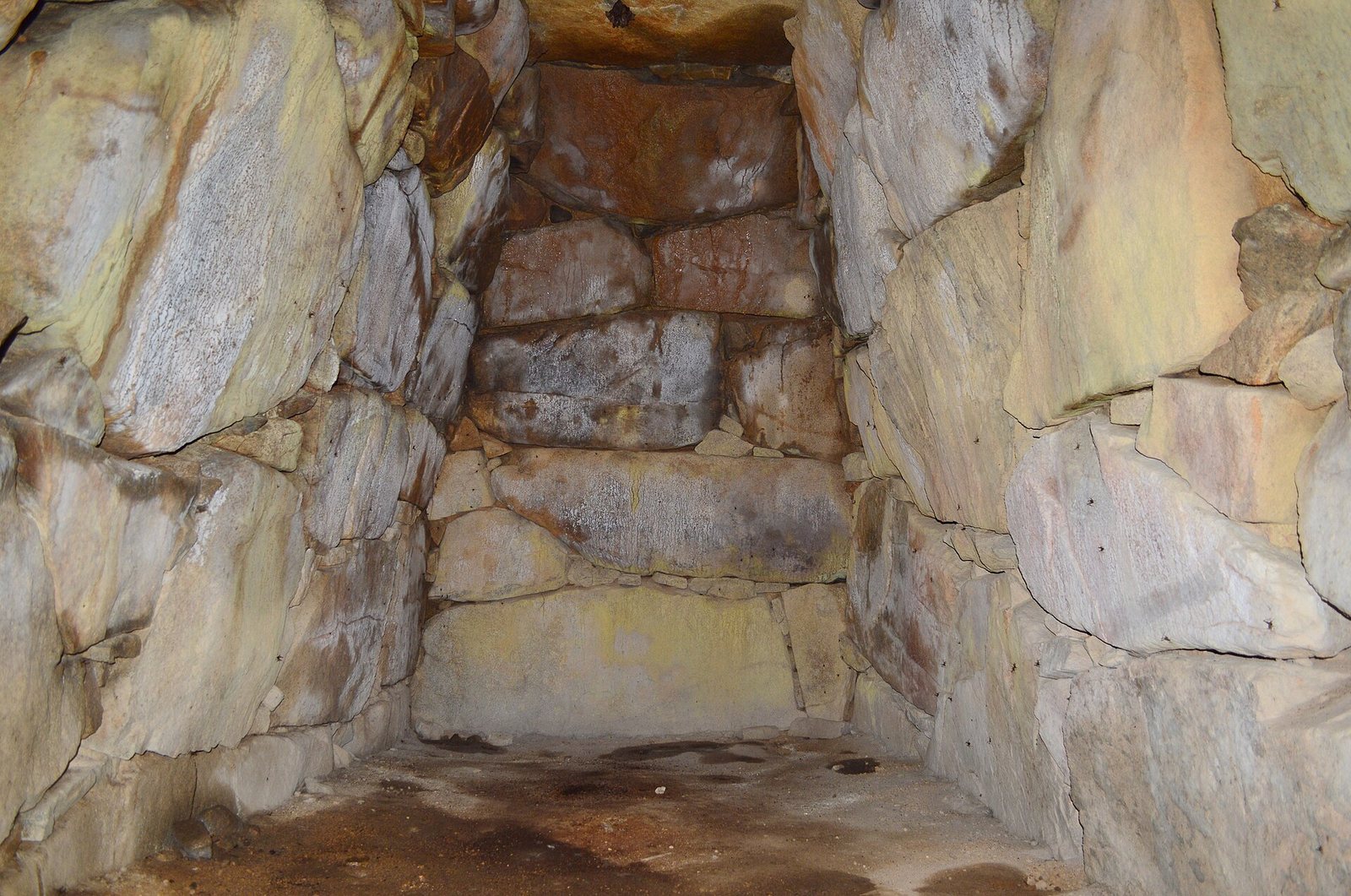
Akaizuka stands on the right bank of the Obata River, about 1.5 kilometres south of Kijinzuka. Dating to the latter half of the sixth century, it survives to a diameter of about 22 metres and a height of 8.5 metres; its original diameter is estimated at around 30 metres. Its south-facing entrance opens into a stone burial chamber entered horizontally through a passage. The chamber extends to both sides of the entrance.
Square mound
Kozuka is the cluster’s square mound. It lies a short distance east of Umazuka and about 600 metres northwest of Kijinzuka.