Badajoz Mosque-Cathedral: A Former Palace Mosque and Christian Church
Site at a Glance
- Popularity
- Medium
- Country
- Spain
- Primary era
- Medieval
- Eras represented
- Medieval, Modern
- Civilizations
- Crown of Castile, Spanish, Umayyad
- Site type
- Religious
- Remains
- Cathedral
On this page13 sections
History
The Badajoz Mosque-Cathedral is a former palace mosque and Christian church in Badajoz, Spain, built and altered in phases from the ninth century through the fifteenth century and later. Under Muslim rule, it served as a palace mosque. The site later became the city’s first cathedral after the Christian conquest of Badajoz in 1230.
Muslim rule and the first cathedral
Ibn Marwan, a ninth-century Muslim leader in the Iberian Peninsula, established several mosques in Badajoz. The Great Mosque was the most important. His palace occupied the site until Alfonso IX of León conquered the city in 1230. Afterward, Bishop Fray Pedro Pérez was appointed, and the former mosque became Badajoz’s first cathedral, dedicated to Saint Mary of the Castle.
The new cathedral and the former mosque
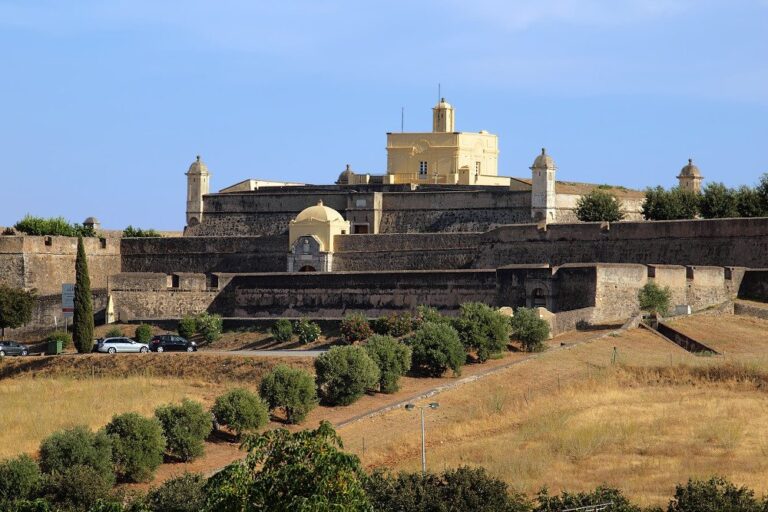
A new cathedral, dedicated to Saint John the Baptist, was planned at Campo de San Juan, beyond the Alcazaba, the city’s fortified citadel. Construction began there in the mid-thirteenth century, on the site of an earlier church of either Visigothic origin or the Mozarabic tradition, associated with Christians living under Muslim rule. The cathedral’s clergy body later moved to the new building, while the former mosque continued in use as a church.
Later use and rehabilitation
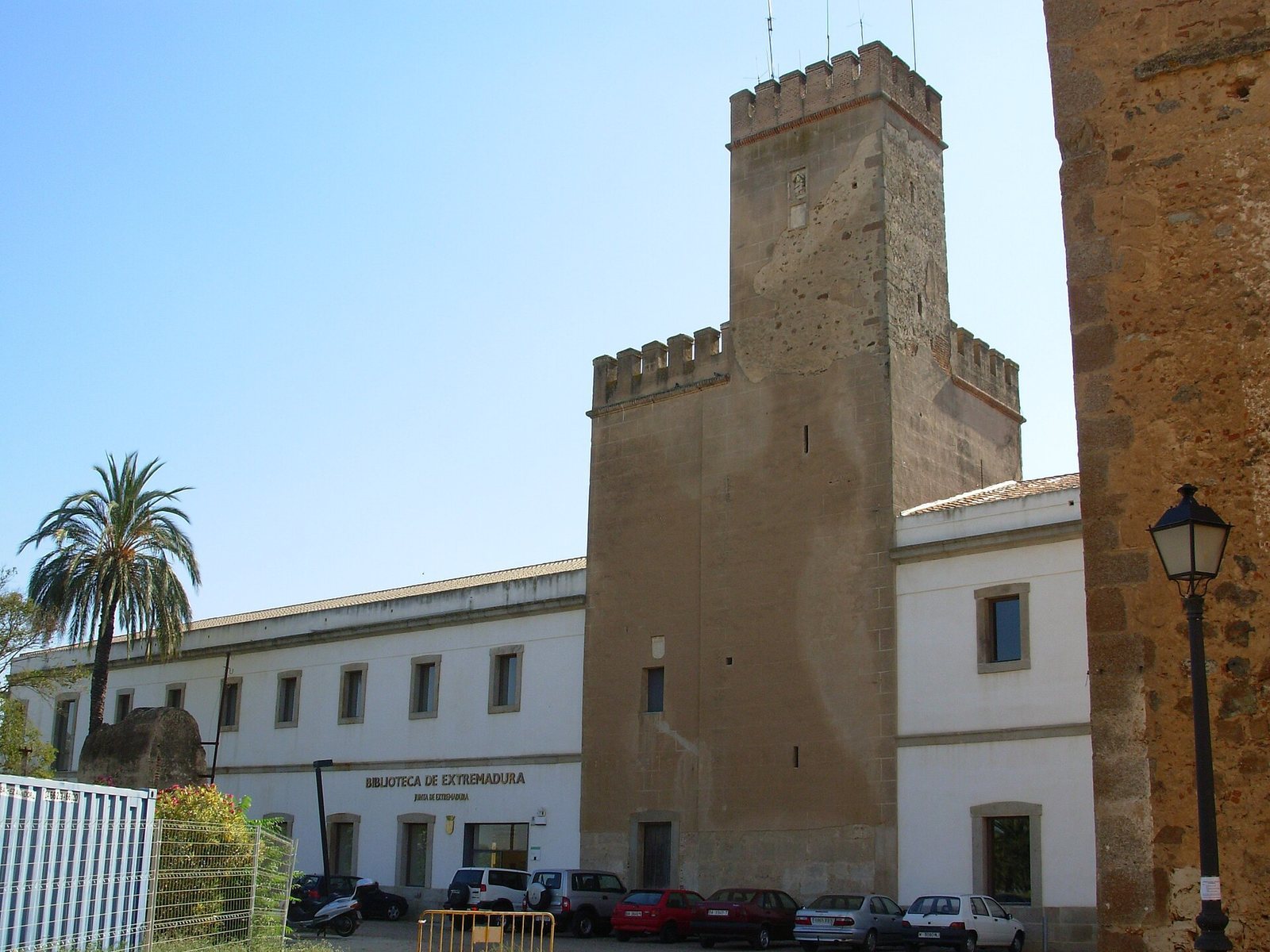
In the mid-nineteenth century, the military converted the building into a hospital. It later fell out of use and became incorporated into the area beside the Library of Extremadura and the Faculty of Documentation. Restoration and rehabilitation followed. The complex forms part of Badajoz’s Alcazaba monument group and is designated an Asset of Cultural Interest.
Remains
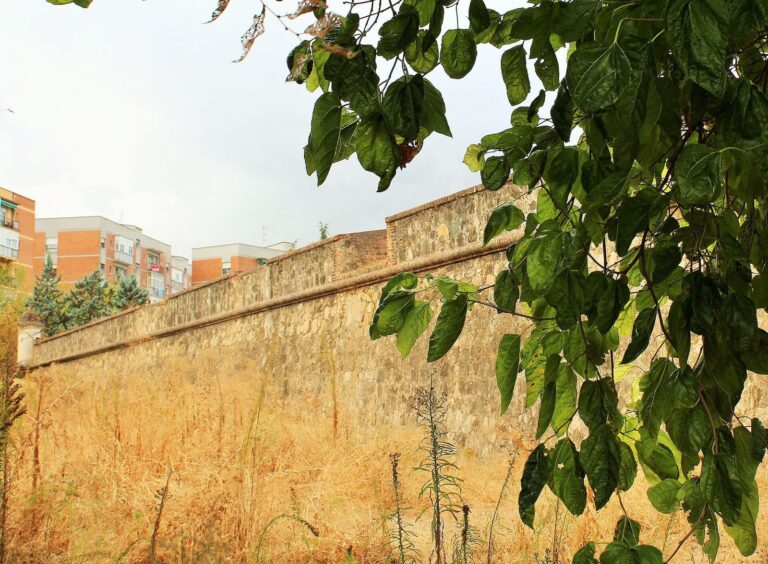
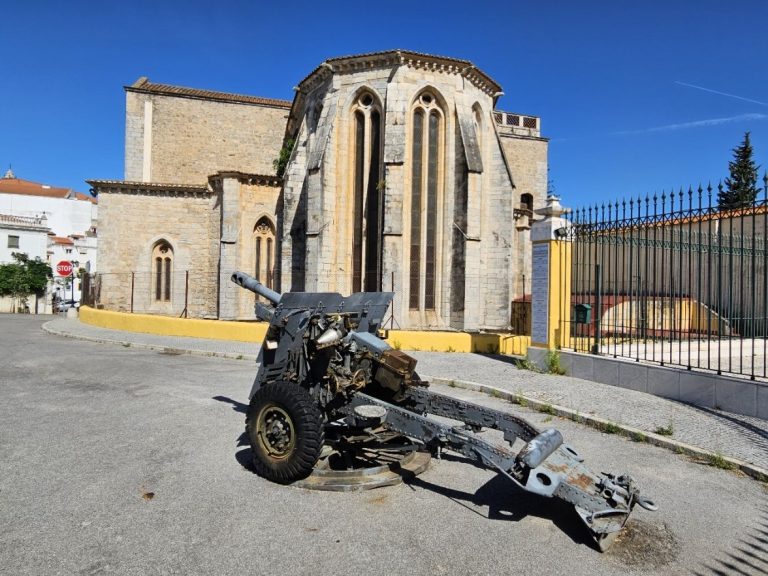
The complex occupies the highest point of the city and brings together remains of the mosque, palace, and former cathedral. The mosque had five naves, divided by arches resting on columns, with buttresses along its exterior. Its construction reused Roman and Visigothic materials, including columns and capitals.
The palace and mosque
Palace remains
Remains of Ibn Marwan’s palace lie within the General Library of Extremadura. The palace and mosque occupied the same site during the period of Muslim rule.
Mosque structures
The mosque’s minaret, a tower associated with a mosque, survives as a structural remnant, as do parts of its mihrab, the niche that indicates the direction of prayer. Column bases are preserved within the Faculty of Documentation.
Other archaeological features
Several Visigothic columns, associated with a medieval church, form part of the complex’s remains. Arab baths have also been found there.
The former cathedral
Towers
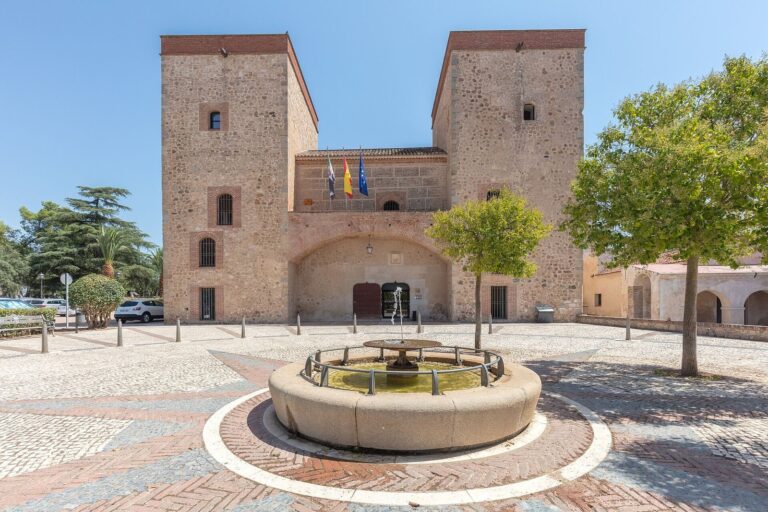
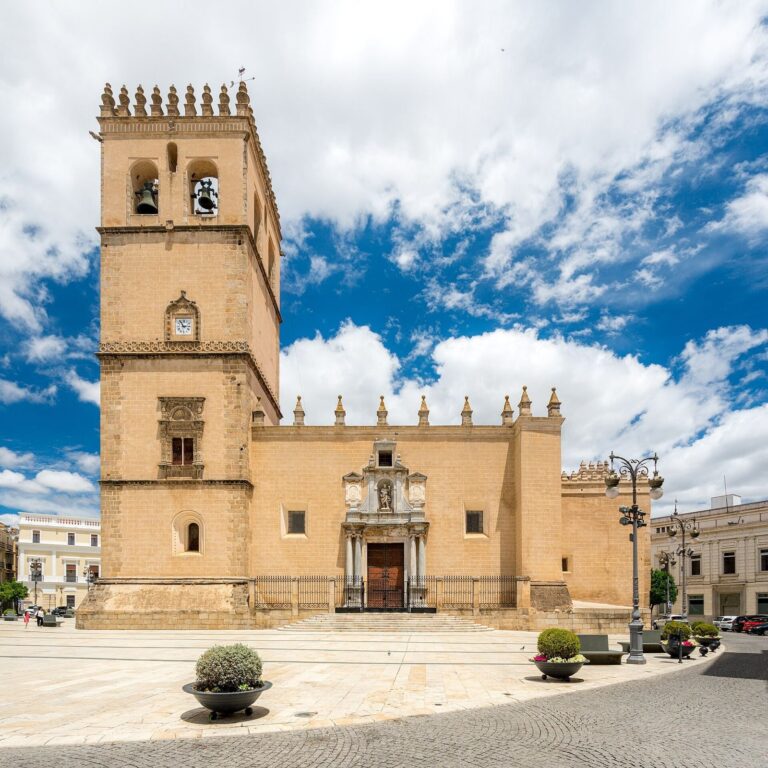
Two towers attached to the former cathedral are built of rough stone masonry. Bishop Juan de Morales, who held office in Badajoz from 1418 to 1443, commissioned the shorter tower. The taller tower served as a bell tower and once had a hipped roof and a bell gable, a wall with openings for bells. Its present crown of battlements dates to its alteration for a fortified appearance during the mid-nineteenth-century hospital conversion. The south face of a tower bears the arms of the Catholic Monarchs, Isabella I of Castile and Ferdinand II of Aragon.
Chapels and decoration
Of the three rounded chapels, only the chapel on the Gospel-reading side survives; it is thought to have been dedicated to the Holy Spirit. Traces remain of the main chapel’s curved end and that of the chapel on the Epistle-reading side. The hospital conversion destroyed two chapels. Mudejar decoration, Christian-period work incorporating Islamic forms or techniques, survives in the main chapel and on the former cathedral’s façade.
Sculpture, paintings, and inscriptions
A marble relief of the Virgin Mary with the infant Jesus appears on one tower above the coat of arms of Gómez Suárez de Figueroa, a Castilian nobleman who paid for the relief and was buried in the church. Religious wall paintings have been recovered, chiefly in the surviving chapel. The remains also include a fourteenth-century funerary inscription and other Visigothic elements.