Meols Hall: A Historic Manor House in Churchtown

Site at a Glance
- Popularity
- Medium
- Country
- United Kingdom
- Primary era
- Early Modern
- Eras represented
- Early Modern, Modern
- Civilizations
- British, English
- Site type
- Domestic
- Remains
- Manor House
On this page6 sections
History
Manorial inheritance
Meols Hall is a manor house in Churchtown, Merseyside, England, whose manorial history dates to the late 12th century. The manor was granted to Robert de Coudray of Penwortham and passed through marriage and inheritance over later generations.
In the 16th century, Alice Kitchin inherited the manor and married Hugh, an illegitimate son of the Hesketh family of Rufford. Later generations took the Hesketh name or styled themselves as Hesketh.
From farmhouse to reconstructed hall
Much of the old house was demolished in the mid-18th century, after which the hall was used as a farmhouse. Charles Hesketh, born Bibby, and his family took up residence in 1919. Modest additions followed in 1938, then Roger Fleetwood Hesketh led a major reconstruction from 1960 to 1964, working to his own design.
Meols Hall was listed at Grade II* in 1972, a category for particularly important listed buildings considered to be of more than special interest.
Remains
The surviving complex comprises the multi-phase manor house and an associated 16th-century tithe barn. The house combines older sections with a later reconstruction.
The manor house
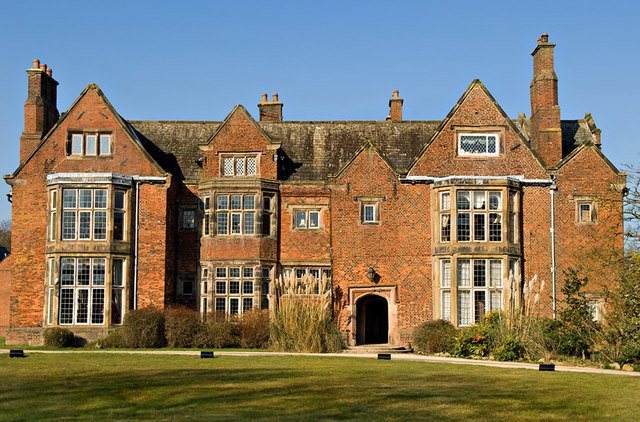
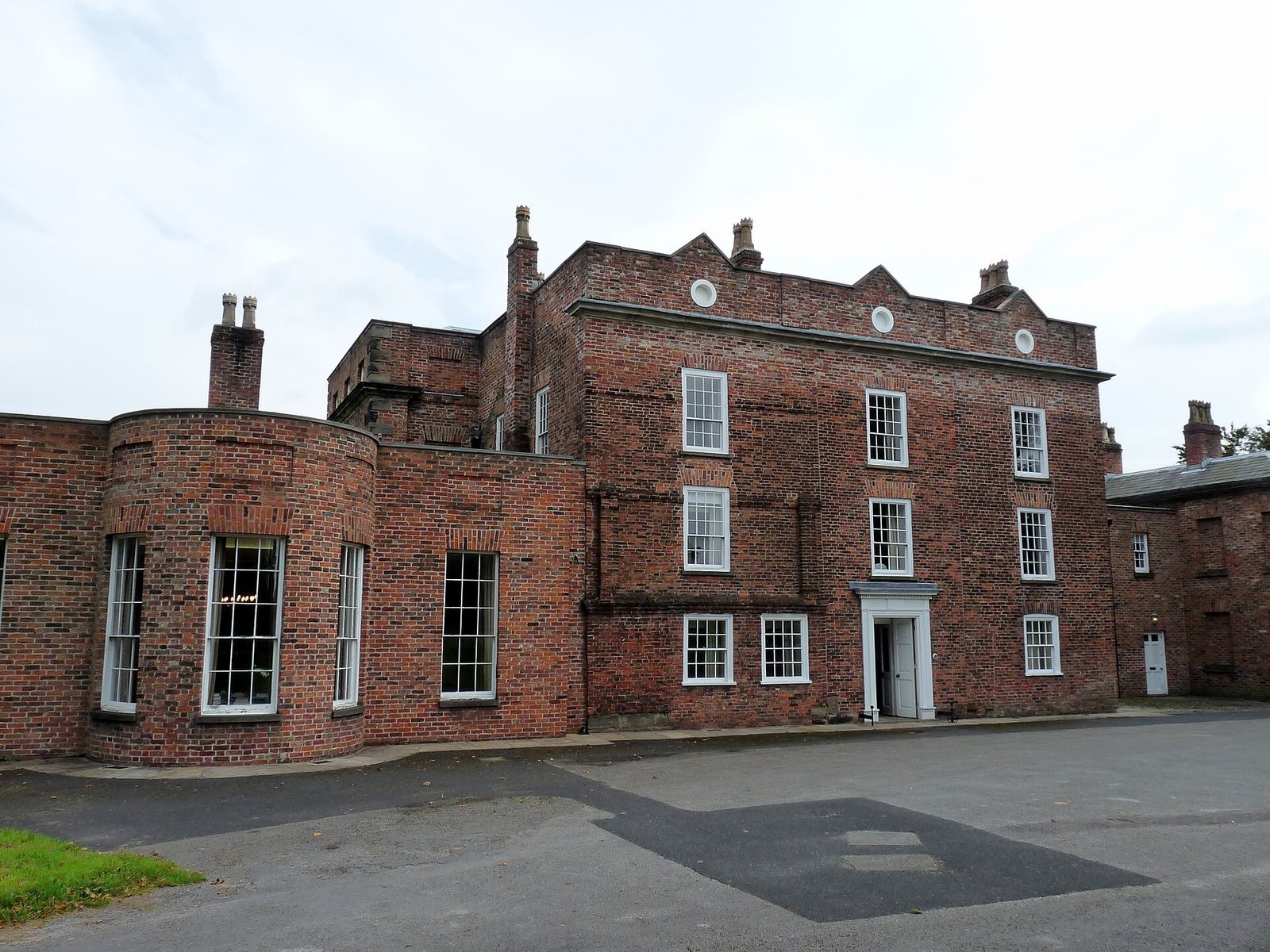
The house retains a mid-17th-century core and a wing dating to about 1695. Its three-storey east front is made of red brick and follows the style of Francis Smith of Warwick, an English architect and builder associated with early-18th-century country houses. Stonework from Lathom House, a historic manor in Lancashire, was incorporated into the reconstruction after being salvaged shortly before it was due to be dumped in a disused Liverpool dock.
The tithe barn
The associated barn dates to the 16th century and has been restored for wedding receptions and ceremonies. A tithe barn traditionally stored tithes, agricultural produce owed to the church as a form of payment.