Medieval Canal in Frombork: A 14th-Century Water-Supply Canal
Site at a Glance
- Popularity
- Low
- Country
- Poland
- Primary era
- Medieval
- Eras represented
- Medieval
- Civilizations
- Crusader, Teutonic Order
- Site type
- Infrastructure
- Remains
- Canal
On this page8 sections
History
Construction and the town’s water needs
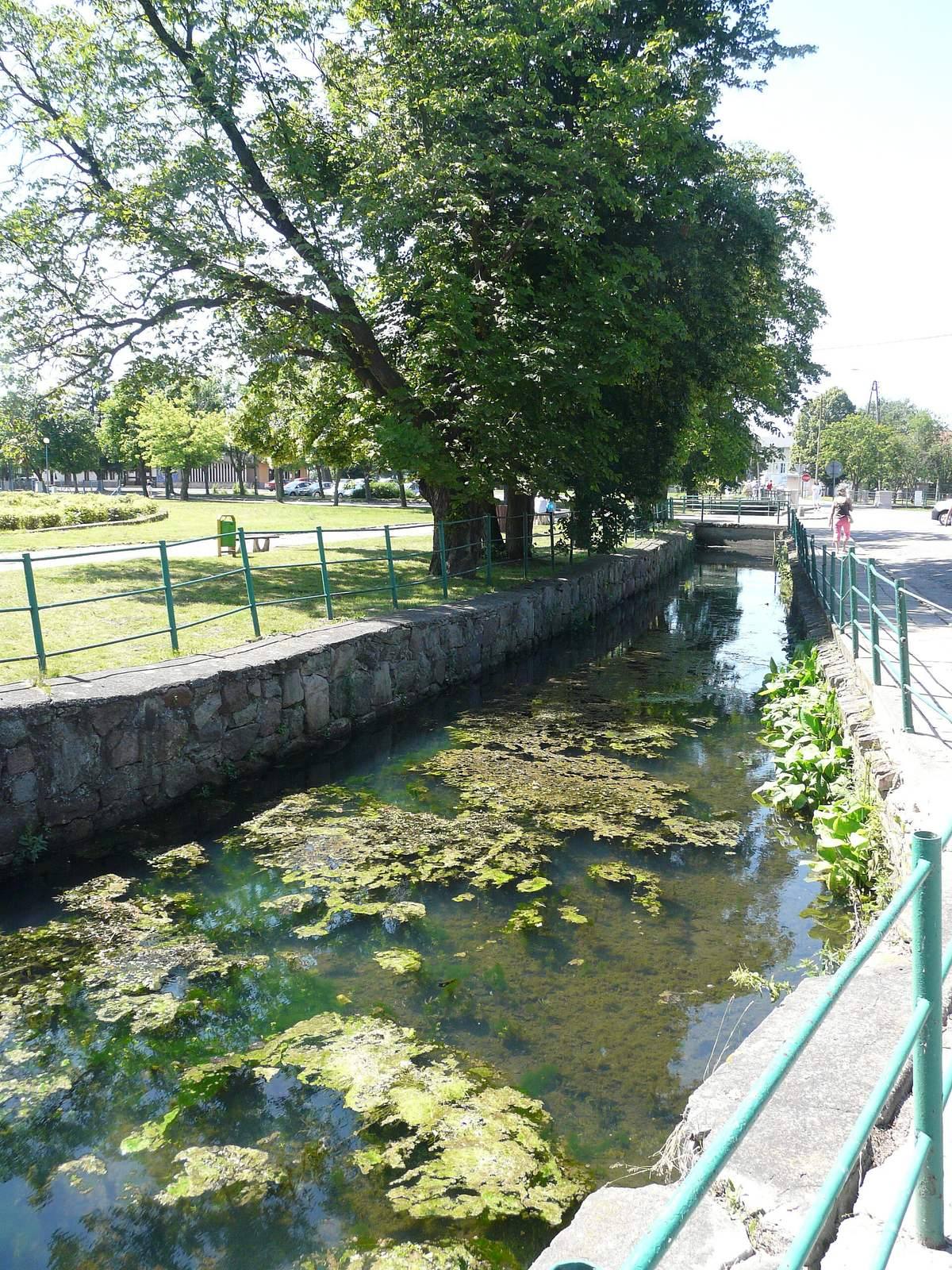
The Medieval Canal in Frombork is an artificial waterway built in the second half of the 14th century in northern Poland. It was in place before 1427 and was designed to power a mill and supply drinking water to the town. Frombork had become the seat of the Warmian cathedral chapter, a body of canons with religious and administrative duties, after the cathedral at Braniewo burned in 1275.
The canal also helped with sanitation, flood control, fire protection, and groundwater regulation. Its water system helped make Frombork, for a time, a leading European center of water-supply engineering. The canal is also known as the Copernicus Canal or Bauda Canal. Its German name was Kleine Baude, while Strużyna became its Polish name after the Second World War.
Waterworks and later use
Walenty Hendell, a waterworks master from Wrocław who specialized in conveying and distributing water, devised the water-lifting machine associated with the canal and its tower. Frombork’s pressurized water system was built in 1571, after Augsburg’s system of 1548 and before London’s of 1582.
Wartime damage and modern changes
The canal remained in use until 1944. Warfare in February and March 1945 put it out of operation and left it devastated. In the 1970s, preparations for celebrations honoring Nicolaus Copernicus, the Renaissance astronomer and mathematician, led to the filling of the section that ran through the town, despite protests from local supporters of Frombork. The canal underwent partial revitalization in 2015.
Regarded as the oldest water-engineering structure in northern Poland, the canal entered the register of historic monuments on 27 June 1968. Its associated road and railway bridges are also listed, while the water tower has a separate listing.
Remains
Canal course and water-control structures
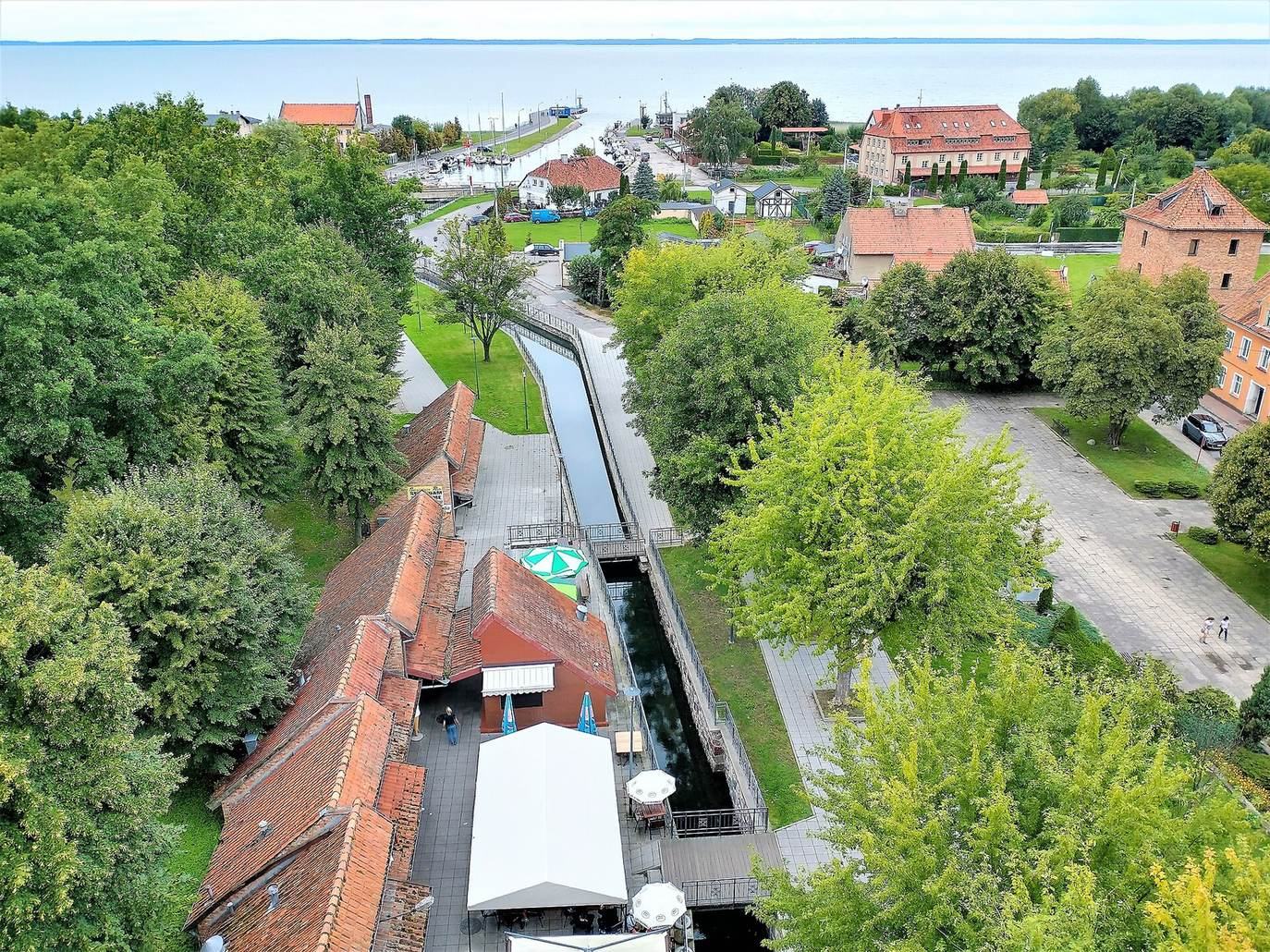
The artificial canal is about 4,976 m long and averages 5 m in width. It links the Bauda River with Frombork and the Vistula Lagoon. Starting at a water-control barrier on the Bauda, its course follows the slope of a natural upland and uses the land’s fall from the Elbląg Upland toward the lagoon. The water tower in Frombork is now identified as the canal’s starting point. The town section was filled in during the 1970s. The canal’s barrier, locks (chambers that regulate water levels), and flow-control gates were destroyed in the 1950s and 1960s.
Water tower and lifting system
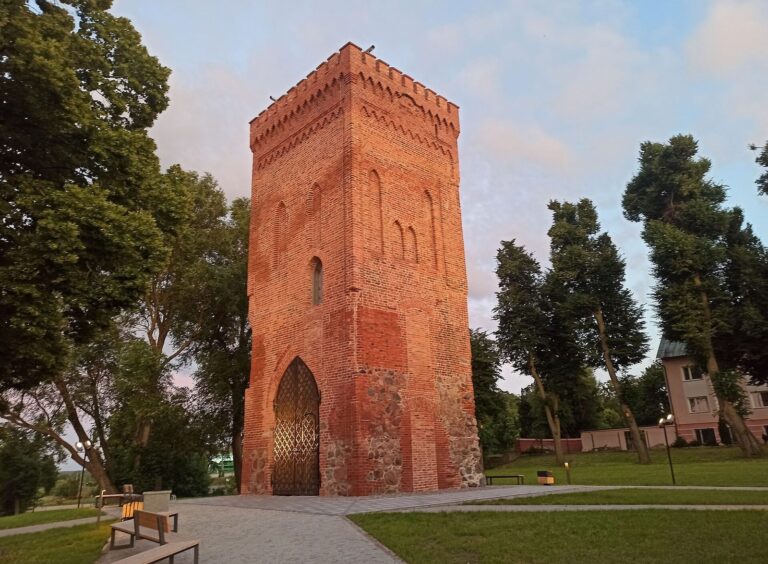
The water tower still stands. It was built hastily and poorly over an existing structure, probably an earlier mill. Inside, a waterwheel powered a chain carrying buckets, which lifted water more than 20 m to a pipe at the tower’s top. The water then flowed to a reservoir on the town hill for distribution and to supply a well within the walls of Cathedral Hill.
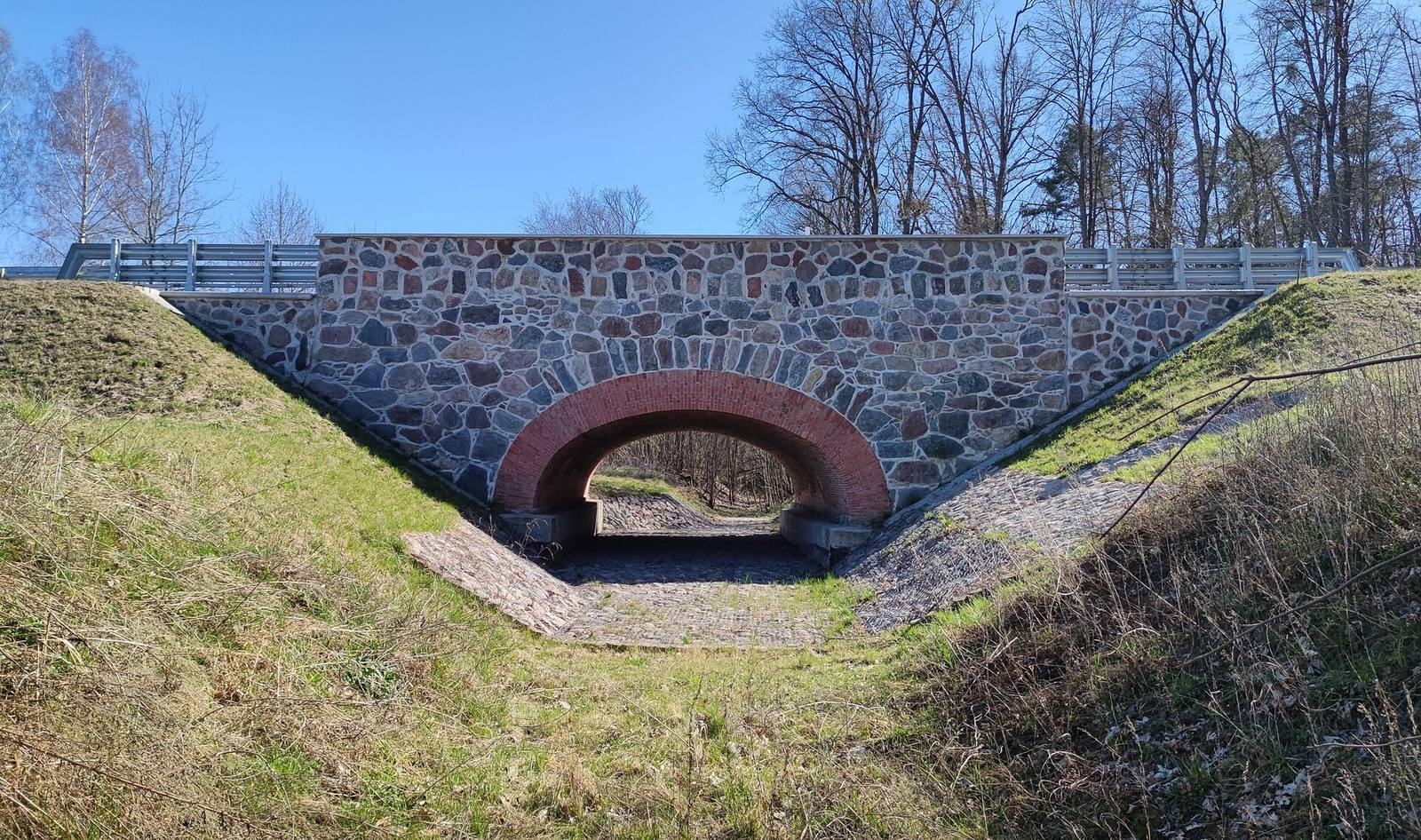
Bridges
A railway bridge and a road bridge are associated with the canal.