Masuyama Kofun: A Kofun-Period Burial Mound in Kashihara
Site at a Glance
- Rating
- 3.6
- Popularity
- Low
- Country
- Japan
- Primary era
- Classical
- Eras represented
- Classical, Medieval
- Civilizations
- Yamato
- Site type
- Burial
- Remains
- Burial Mound
On this page5 sections
History
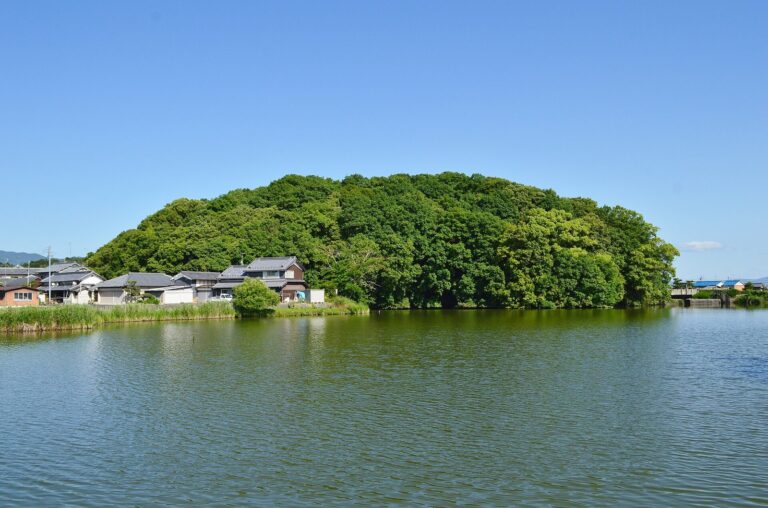
Masuyama Kofun is a Japanese burial mound, or kofun, in Kashihara City, Nara Prefecture, Japan. It is generally dated to the Kofun period, named for the widespread construction of such mounds, but its construction date is uncertain. Some estimates place it in the first half of the fifth century; others date it to the late fifth or early sixth century. The person buried there is unknown, and its identification as Prince Yamato-hiko’s tomb has been strongly questioned.
The Yamato-hiko tradition
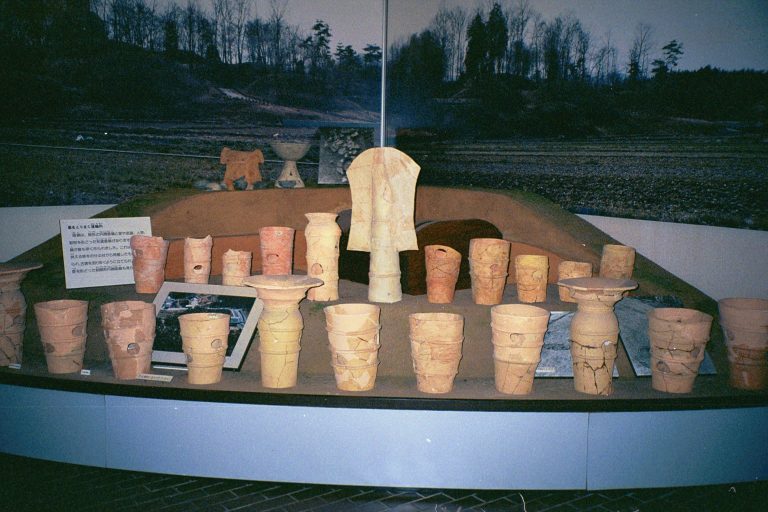
The Chronicles of Japan, an early Japanese historical chronicle, says Yamato-hiko, a son of Emperor Sujin (traditionally numbered as Japan’s tenth emperor), died in the 28th year of Emperor Suinin (traditionally numbered as the eleventh) and was buried at Musa no Tsukisaka. In the account, human sacrifices at the burial led to a ban on the practice. The story also offers a traditional explanation for the origin of haniwa, clay objects associated with kofun burials.
Changing identifications
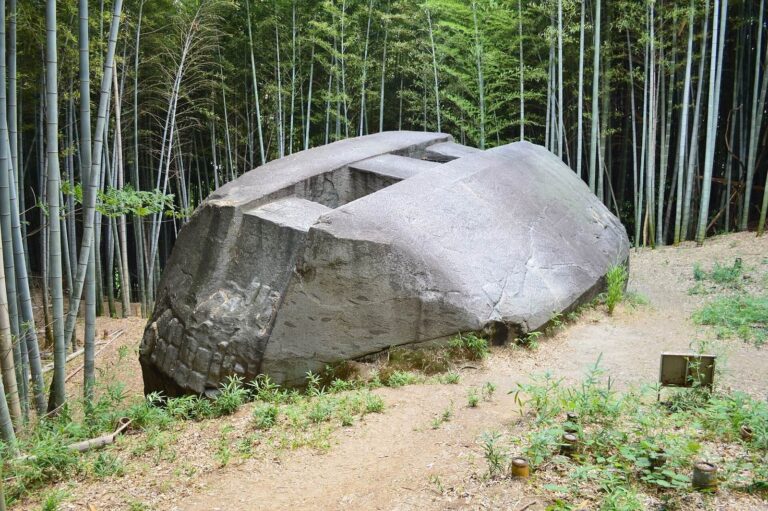
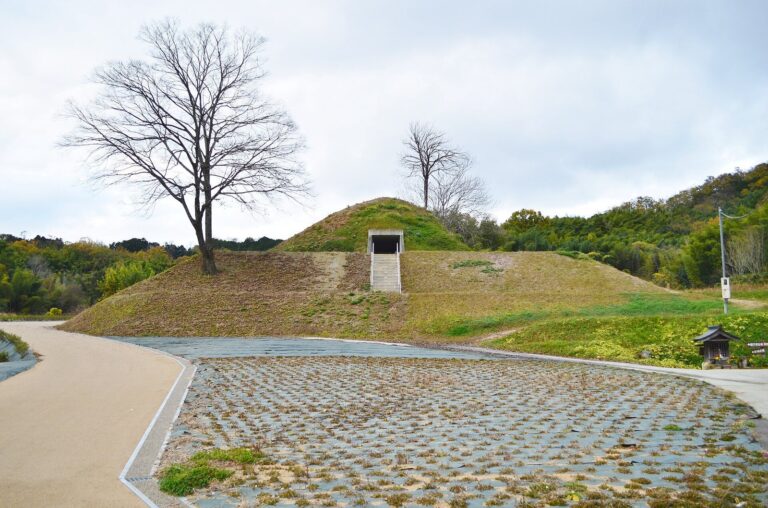
The tenth-century Engishiki, a compilation of court procedures and regulations, does not list Yamato-hiko’s tomb under the Office of Imperial Mausolea, the court office responsible for imperial tombs. By the Edo period, traditions about the tomb’s location had faded. Writings from that era proposed that a stone chamber east of features called the Demon’s Cutting Board and the Demon’s Privy was the prince’s tomb.
Imperial designation and management
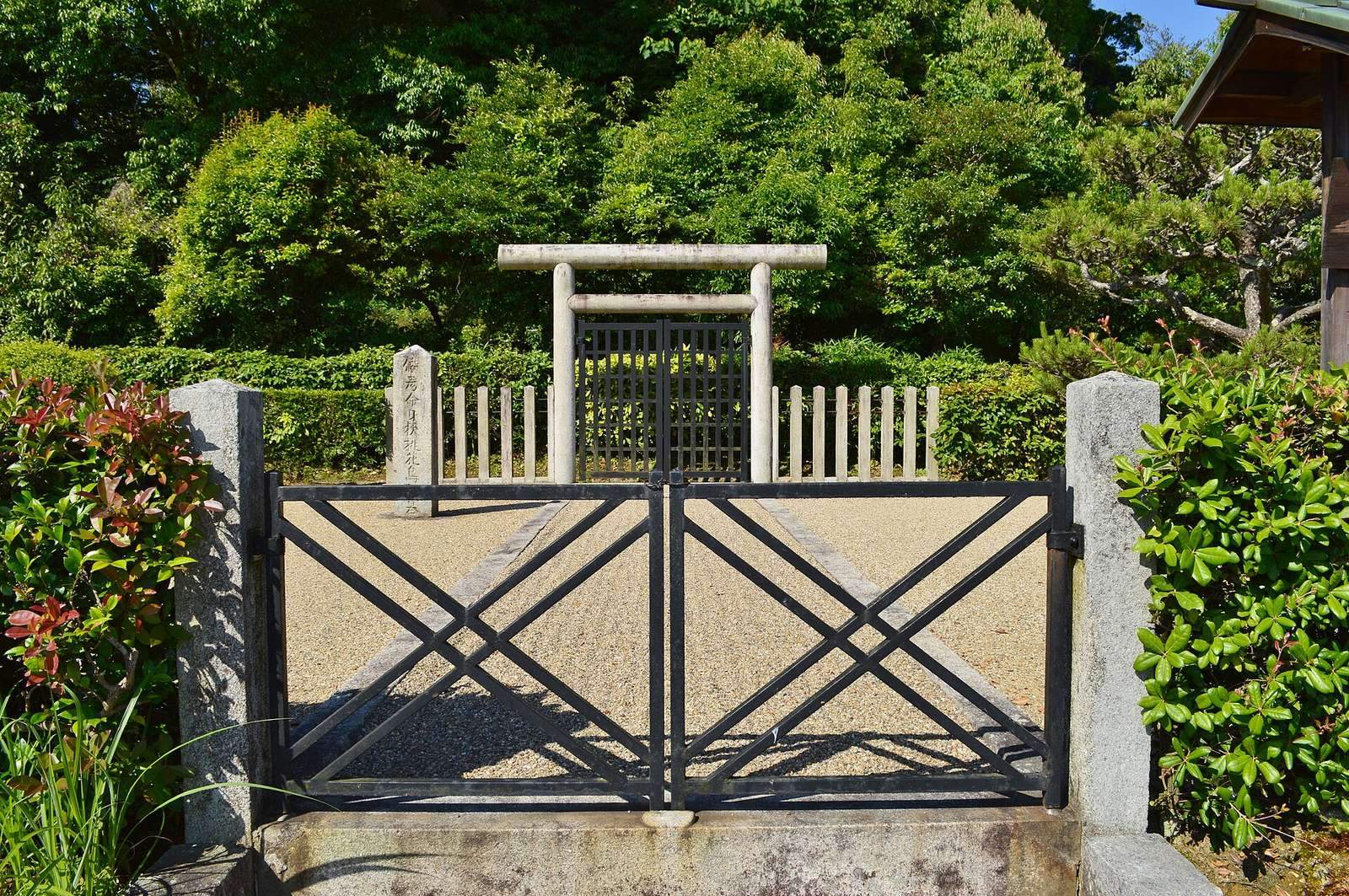
In April 1877, the Ministry of the Interior designated the present mound as Yamato-hiko’s tomb. The Ministry of the Imperial Household acquired the land in 1886 and moved a shrine from the site. Maintenance and restoration work began in 1890. The Imperial Household Agency, the Japanese government body responsible for the imperial household and its tombs, now manages Masuyama as an imperial tomb.
Possible connections have also been suggested between Masuyama, a kofun to its north identified as the mausoleum of Emperor Senka (traditionally numbered as Japan’s twenty-eighth emperor), and a group of burial mounds to the west.
Remains
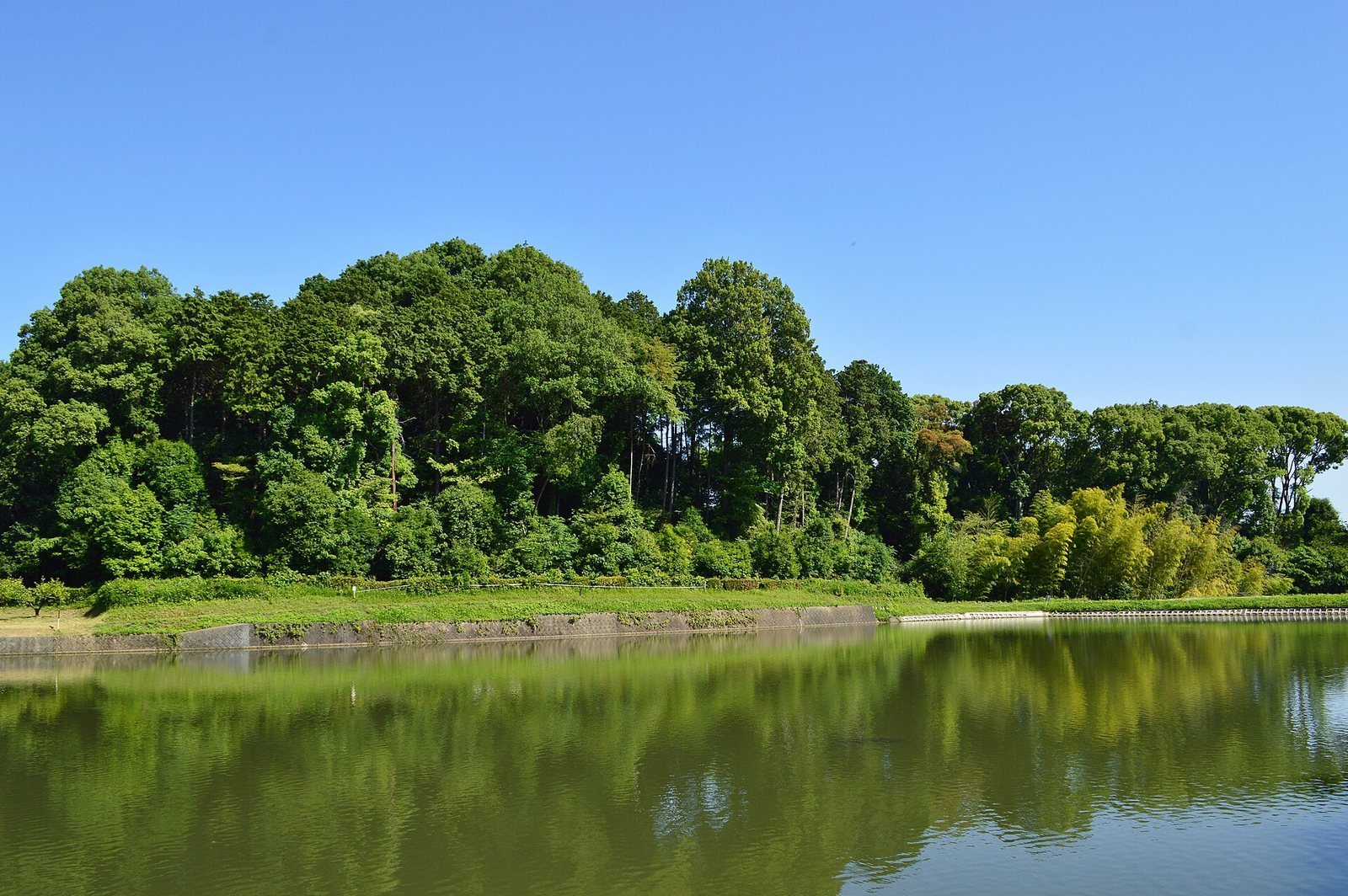
The mound stands on the southern edge of the Nara Basin, at the end of a ridge near the northern foot of a mountain. Originally square, it has three tiers and measures about 85 metres on each side, though another estimate gives about 90 metres; it rises roughly 15 metres. It is described as the largest square kofun in Japan. A front-projecting section was added on the northeast side in a later period, changing the outline to a keyhole shape that hedges now mark. Fragments of haniwa have been found on the mound’s exterior. The name Masuyama refers to its square form.