Martinic Palace: A Renaissance Palace in Prague
Site at a Glance
- Popularity
- Medium
- Country
- Czechia
- Primary era
- Early Modern
- Eras represented
- Early Modern
- Civilizations
- Habsburg, Habsburg Austria, Holy Roman Empire, Kingdom of Bohemia
- Site type
- Domestic
- Remains
- Elite Residence
On this page7 sections
History
Renaissance foundation and Martinic ownership
Martinic Palace is a Renaissance palace in Prague, Czechia, associated with the city’s architecture of the second half of the sixteenth century. The Renaissance was a European cultural and artistic movement that renewed interest in classical antiquity. The palace’s foundation is dated to 1541, following a fire in the Hradčany and Malá Strana districts.
In 1583, the palace was sold to Jiří Martinic of Smečno, a member of the Martinic noble family, who began rebuilding it. The family retained ownership until 1788, when its line ended.
Twentieth-century changes
Extensive reconstruction took place during the twentieth century. From 1974, the palace housed Prague’s chief architect, whose duties included planning and related work. It remained in use for this purpose until 1994, when it was returned to state ownership.
Remains
Palace layout and decoration
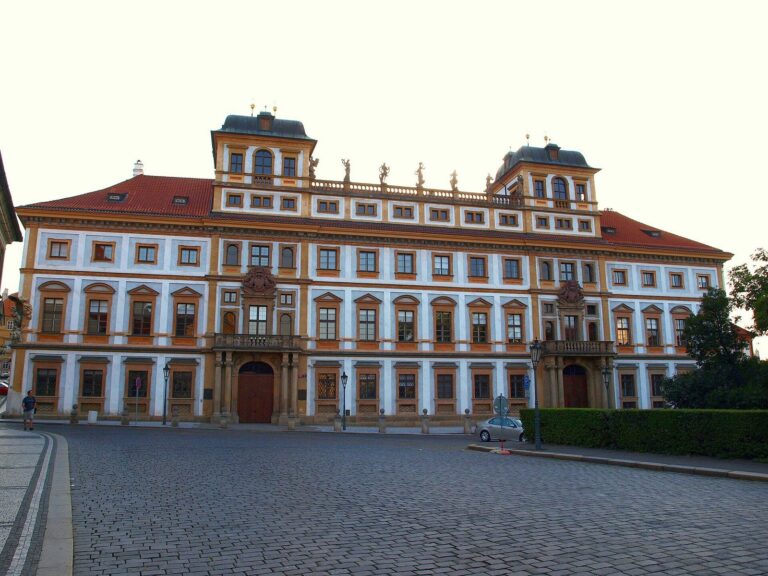
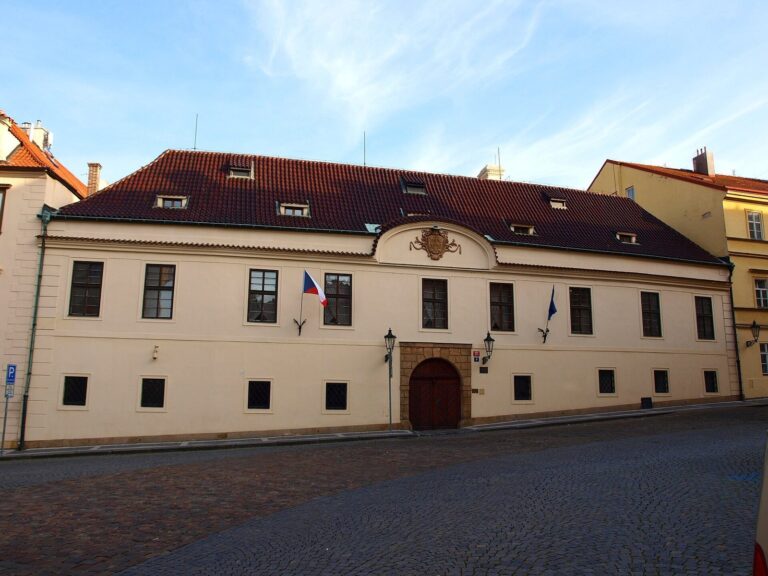
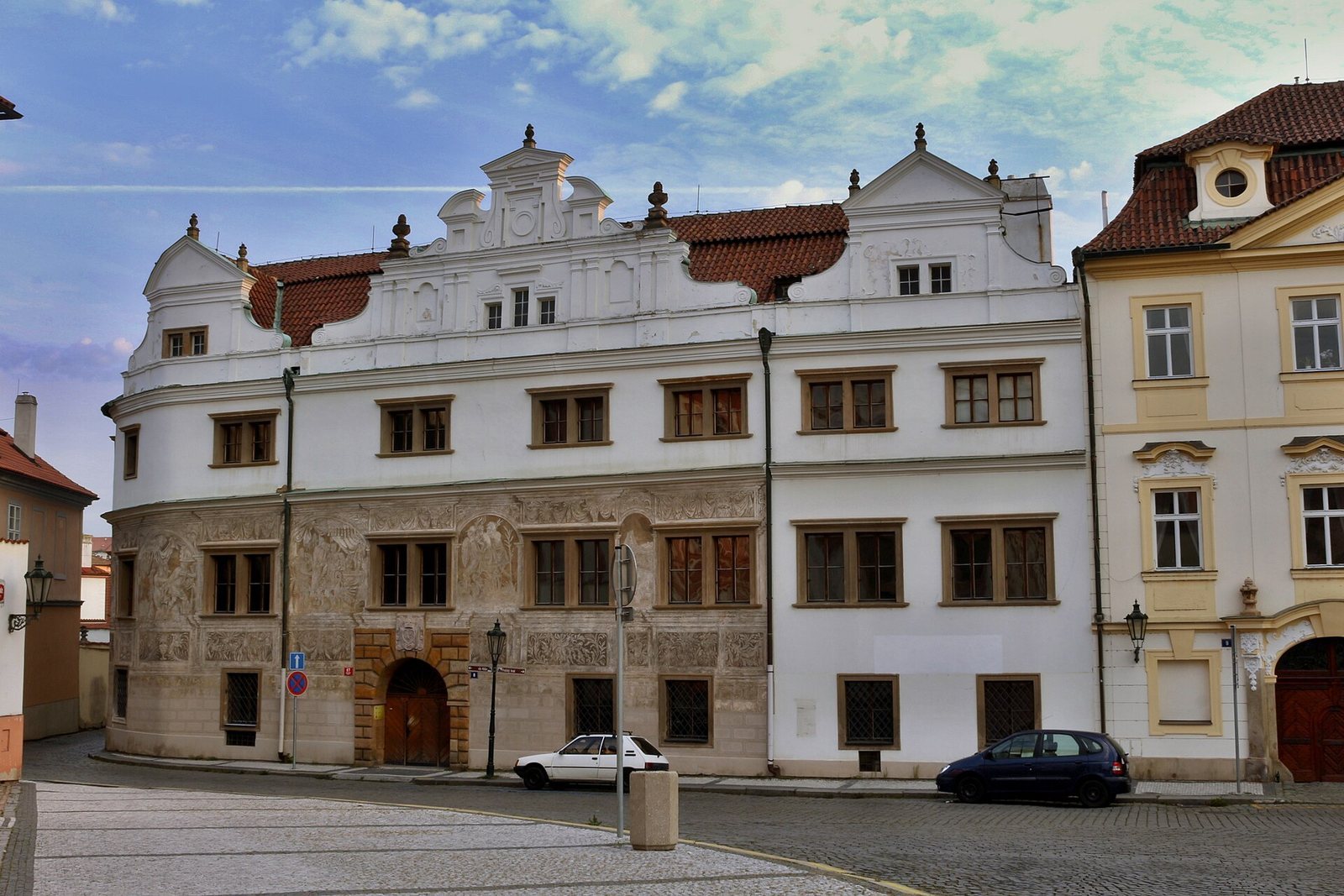
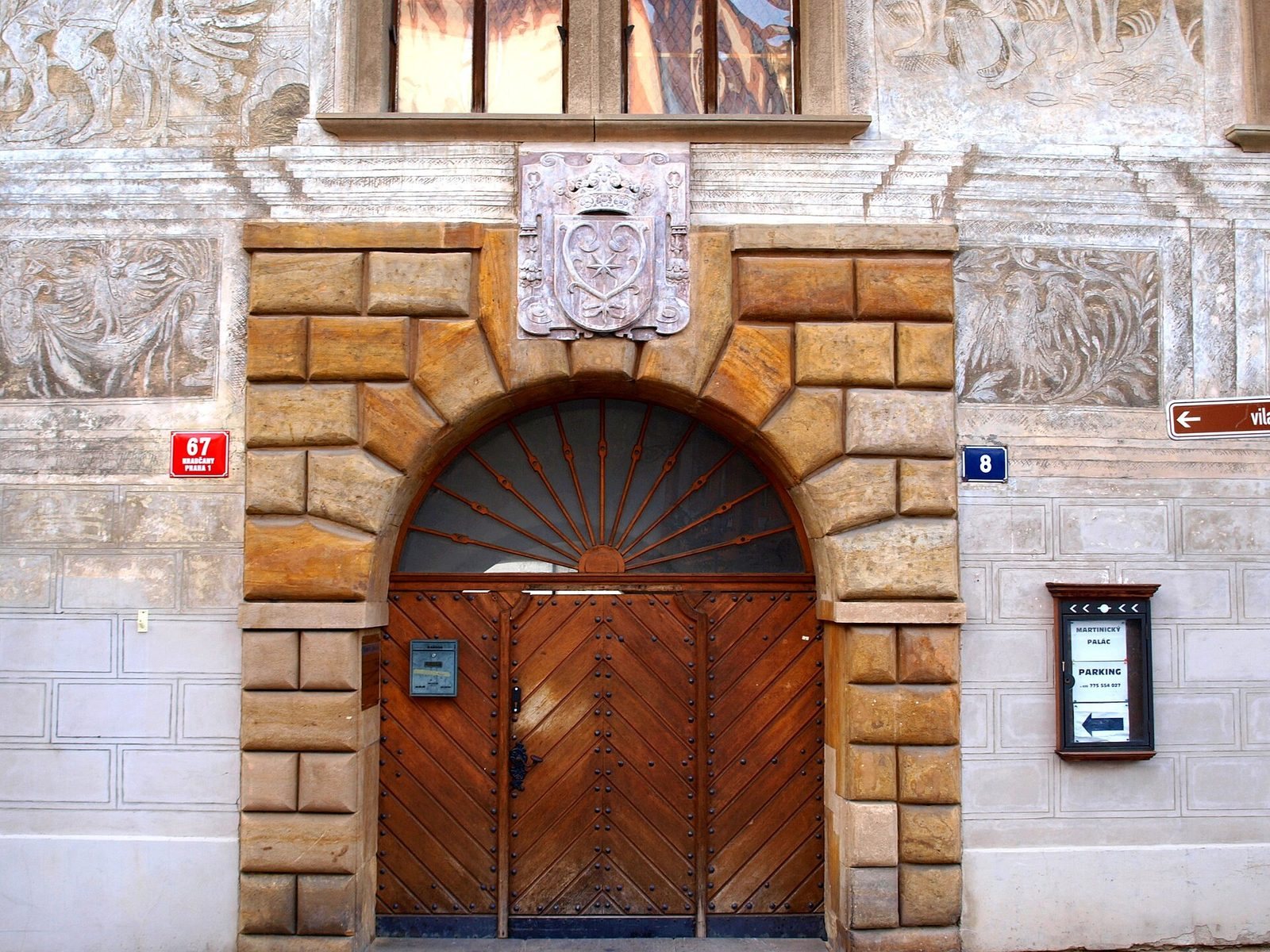
The palace stands on Kanovnická Street near Prague Castle, with its main façade facing Hradčany Square. Its Renaissance exterior and interiors are richly decorated.
Main façade
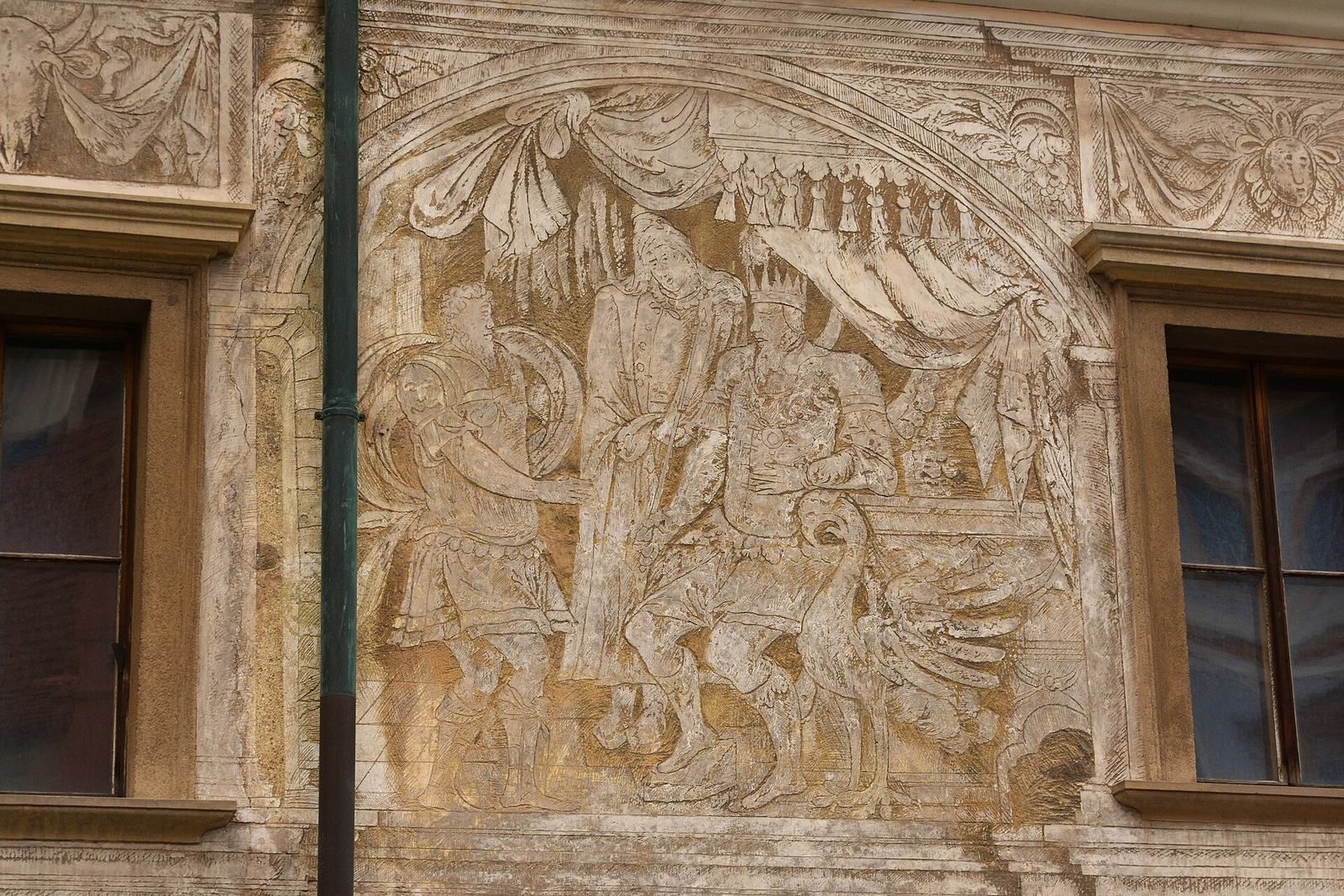
The façade features sgraffito, decoration made by scratching plaster to reveal a contrasting layer. Its scenes include episodes from the biblical story of Joseph in Egypt and the Greek myth of Hercules, among other subjects.
Painted interiors
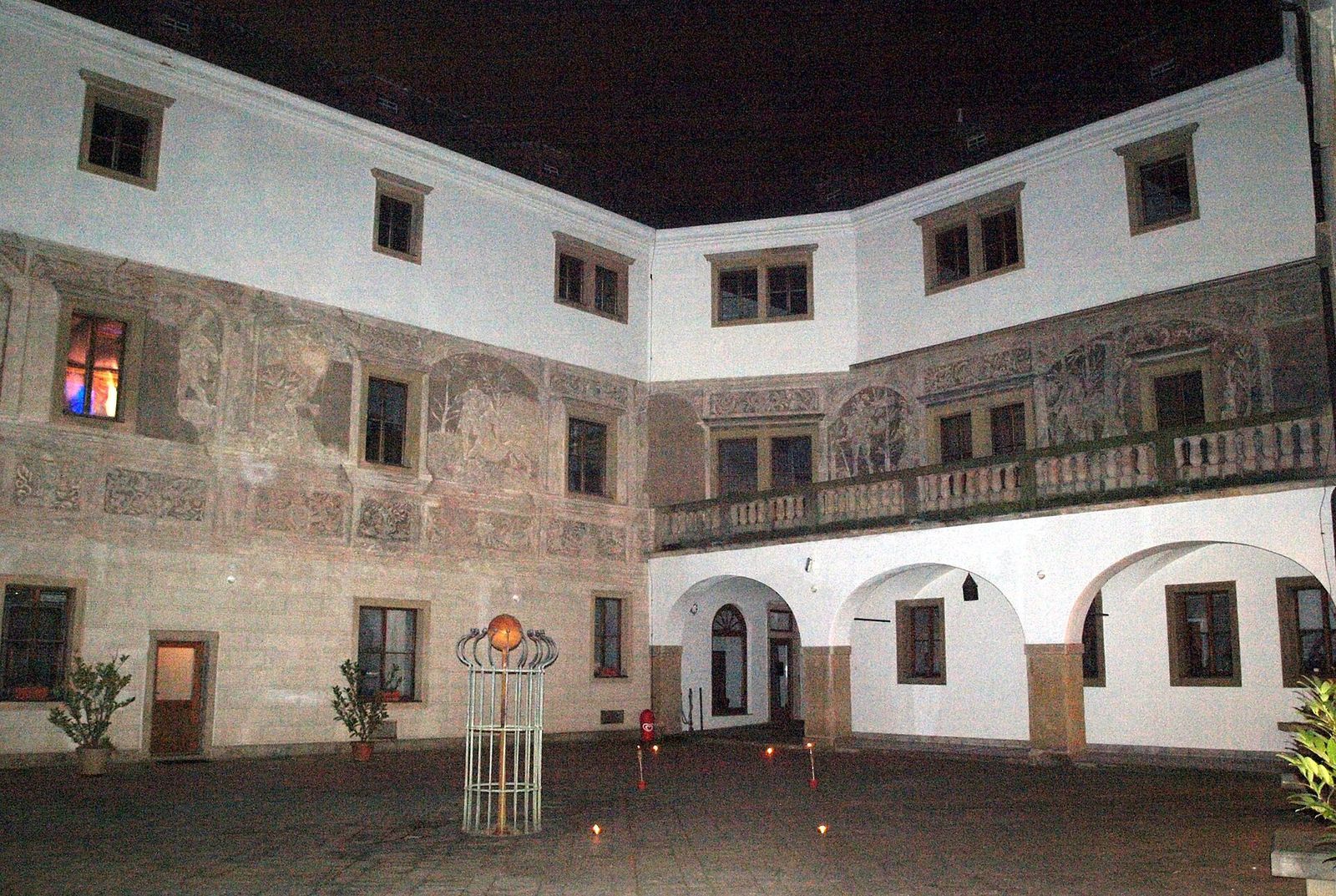
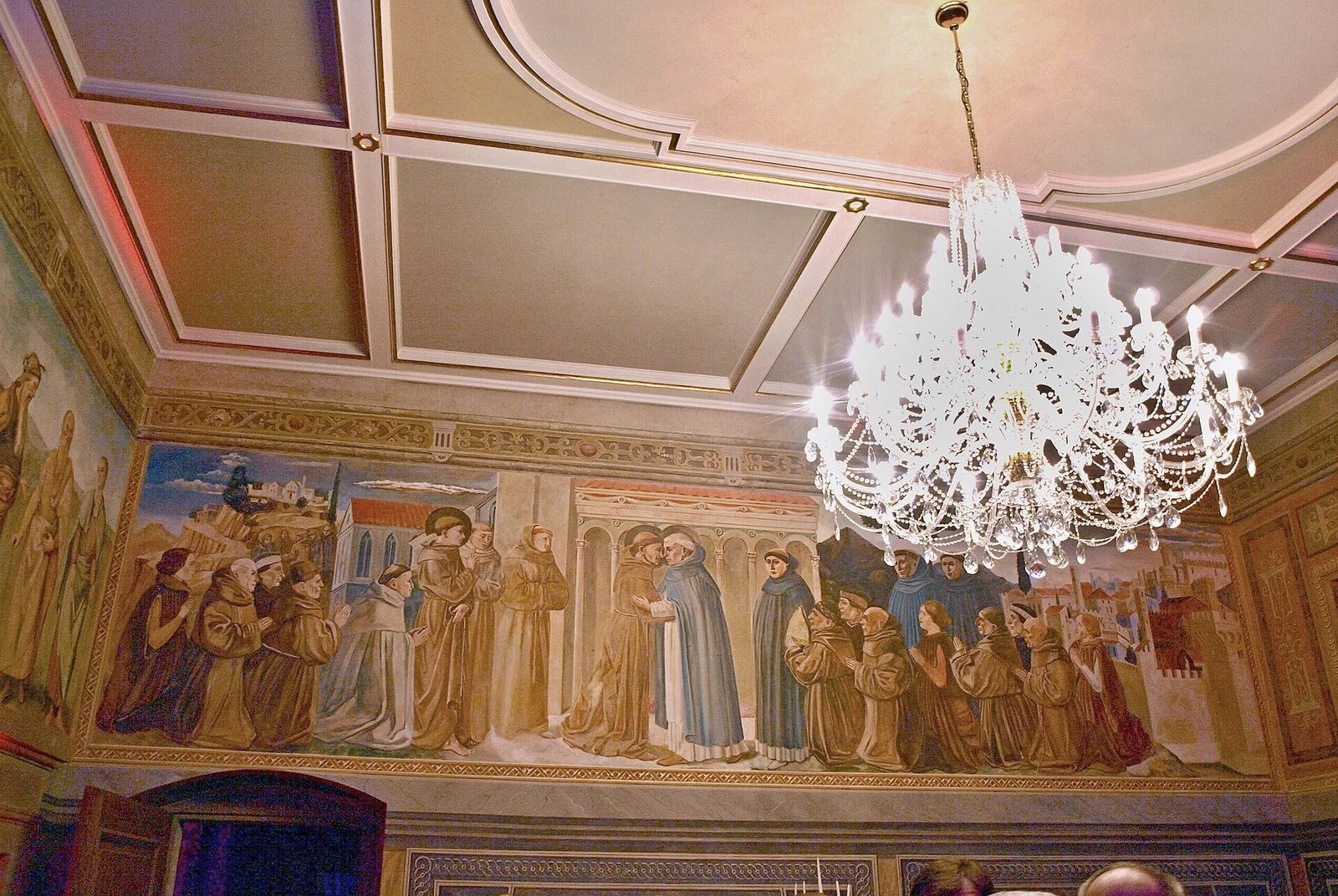
Painted decoration extends across the interior. Some rooms were restored or reconstructed to their Renaissance appearance, guided by detailed surviving drawings.