Tas-Silġ: A Multi-Period Sanctuary and Settlement in Malta
Site at a Glance
- Popularity
- Medium
- Country
- Malta
- Primary era
- Classical
- Eras represented
- Stone Age, Iron Age, Classical, Medieval, Modern
- Civilizations
- British, Byzantine, Carthaginian, Maltese Temple Culture, Phoenician, Roman
- Site type
- Religious
- Remains
- Sanctuary
On this page18 sections
History
Tas-Silġ is a multi-period sanctuary and settlement on a hill in southeastern Malta. Its archaeological record extends roughly four millennia, from the Neolithic to the ninth century CE. A large-stone temple built around 3000–2500 BCE belongs to Malta’s Tarxien phase, and the prehistoric sanctuary is included in the group known as the Megalithic Temples of Malta.
Prehistoric sanctuary
The Tarxien phase was a period of Maltese prehistory associated with the island’s megalithic temples. During the Bronze Age, the earlier temple was probably adapted for settlement, adding a residential phase to the site’s long religious history.
Phoenician and Punic sanctuary
After Phoenicians took control of Malta around 700 BCE, they established a sanctuary to Astarte, using parts of the prehistoric temple. The Phoenicians were an eastern Mediterranean seafaring people; their western Mediterranean culture is commonly called Punic. The sanctuary was enlarged over time, and by about 300 BCE it had gained a roofed colonnade. A tower and perhaps other parts of the complex may have served defensive purposes. Deposits of objects associated with ritual offerings accumulated at the site.
Roman religious centre
Under Roman rule, the sanctuary became a centre dedicated to Juno, whom the Romans identified with Astarte. Its position on major maritime routes helped give it a broad reputation. In 70 BCE, the Roman statesman Cicero referred to the temple in In Verrem, describing its veneration by visitors that included pirates and princes of Numidia, an ancient North African kingdom. He also accused the Roman governor of Sicily of taking some of its treasures. The geographer Claudius Ptolemy later included the temple’s coordinates in his Geography.
Byzantine church and fortified settlement
During the Byzantine period, the eastern continuation of the Roman Empire centred on Constantinople, the sanctuary became a Christian church. The earlier temple was put to use for Christian baptism. The church was later enlarged and altered as the settlement developed into a fortified complex connected with the harbor below. Its use, or at least the continued use of its structure, lasted into the eighth or ninth century. Defensive walls were built around the church in the eighth century, possibly in response to the Arab threat.
Abandonment and rediscovery
The church was abandoned soon after the Arab occupation of Malta in 870 CE, and the Christian building was burned during the Arab period. The site was subsequently quarried, and farms were established there in medieval times. A mosque has been proposed for the site, but the archaeological evidence does not establish that interpretation.
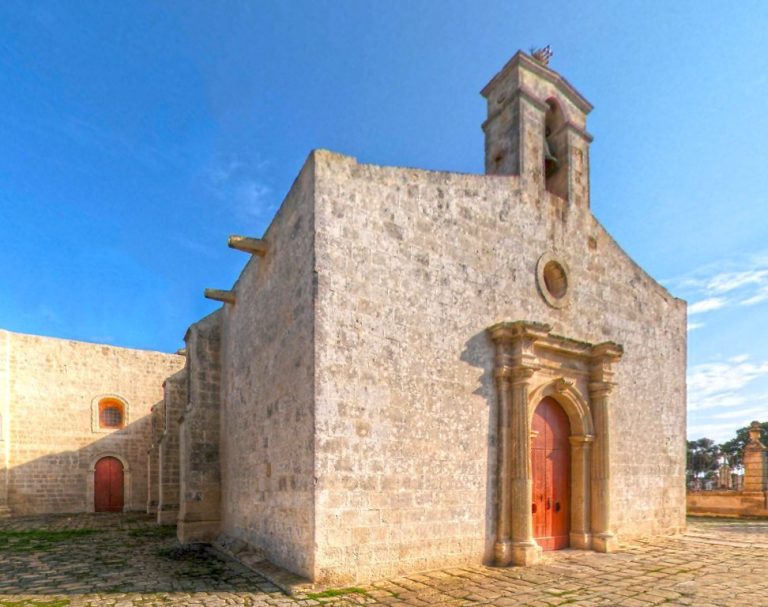
The remains were visible from classical times and attracted the attention of early modern travelers and antiquarians. From the seventeenth century, writers proposed that they belonged to the temple of Juno described in ancient texts. The nearby chapel of Our Lady of the Snows gave Tas-Silġ its present name; the hill was formerly called Ta’ Berikka. Donna Angelina rebuilt the chapel in 1832.
Italian archaeological work beginning in 1963 connected the remains with the ancient sanctuary. Excavators initially sought the Punic and later temples, but also uncovered prehistoric remains below them. The University of Malta and an Italian team returned in 1996 and continued investigations through 2005, examining deposits in the northern and southern areas. Work to restore and adapt a nineteenth-century farmhouse revealed further archaeological layers beneath its floors, as well as modern trenches dug to remove ancient building material. Heritage Malta manages continuing conservation at the site.
Remains
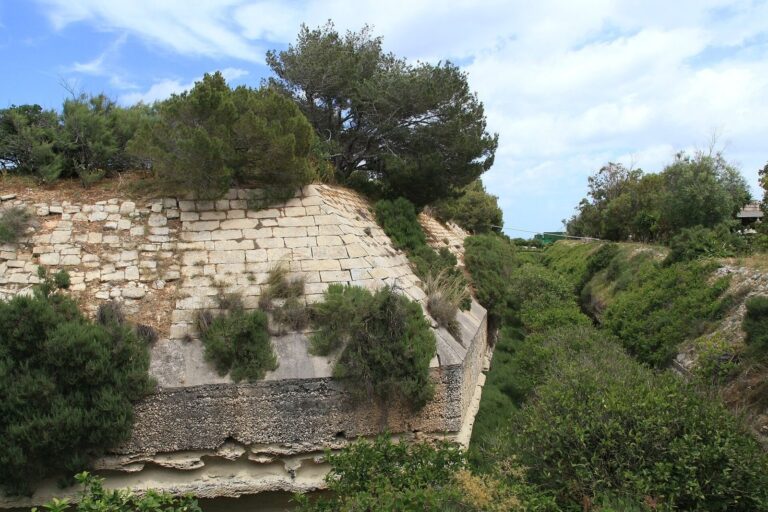
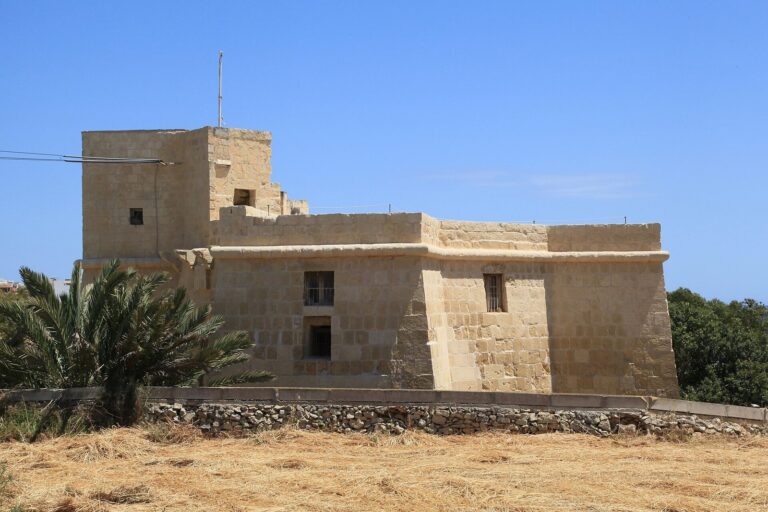
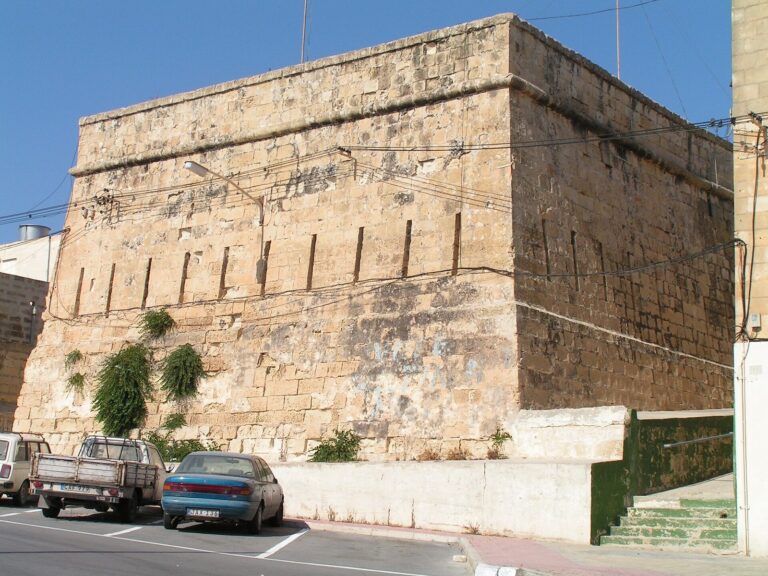
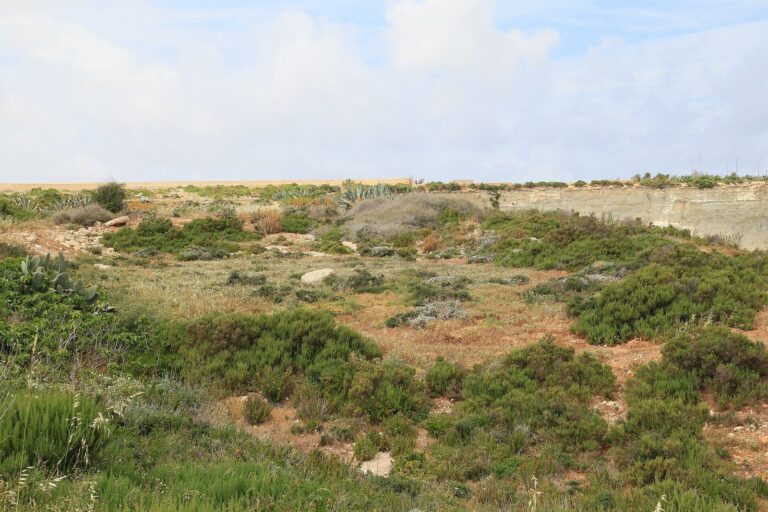
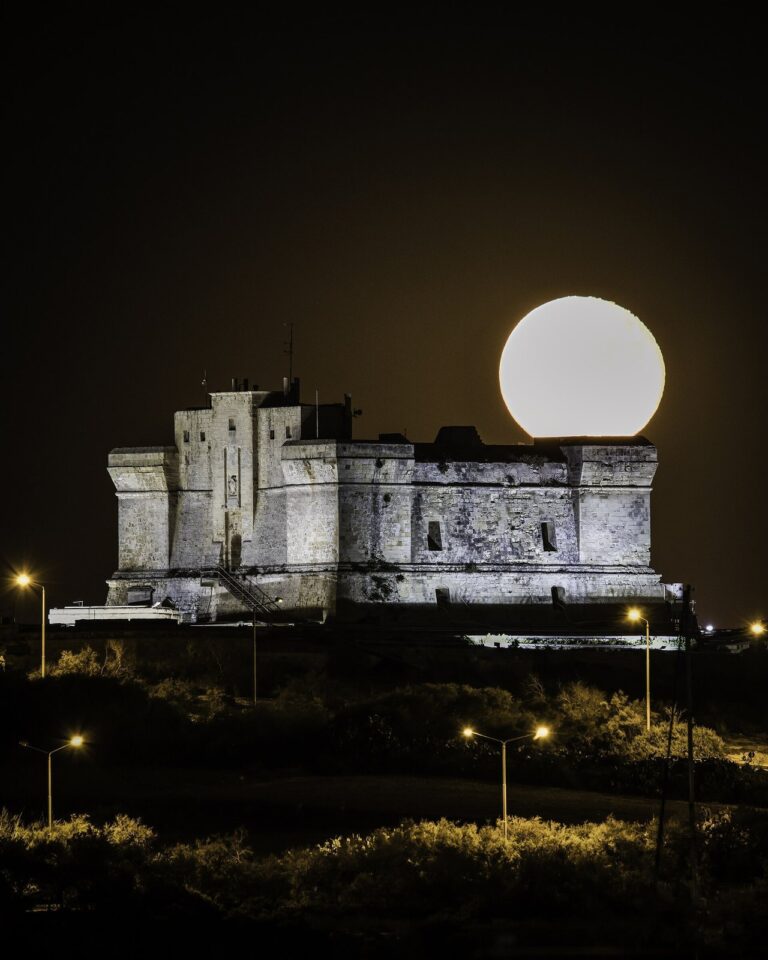
The excavated remains occupy two areas on the lower, rounded hill of Ta’ Berikka, about 45 metres above sea level, on either side of the road between Żejtun and Marsaxlokk. The hill overlooks Marsaxlokk Bay and St Thomas’ Bay, while Marsaskala Bay can also be seen from the area. Man-made terraced fields surround it. The nearby chapel of Our Lady of the Snows stands at a crossroads. A separate polygonal fort from the British period occupies a higher point farther south along the elongated hill.
Prehistoric remains
Temple and early finds
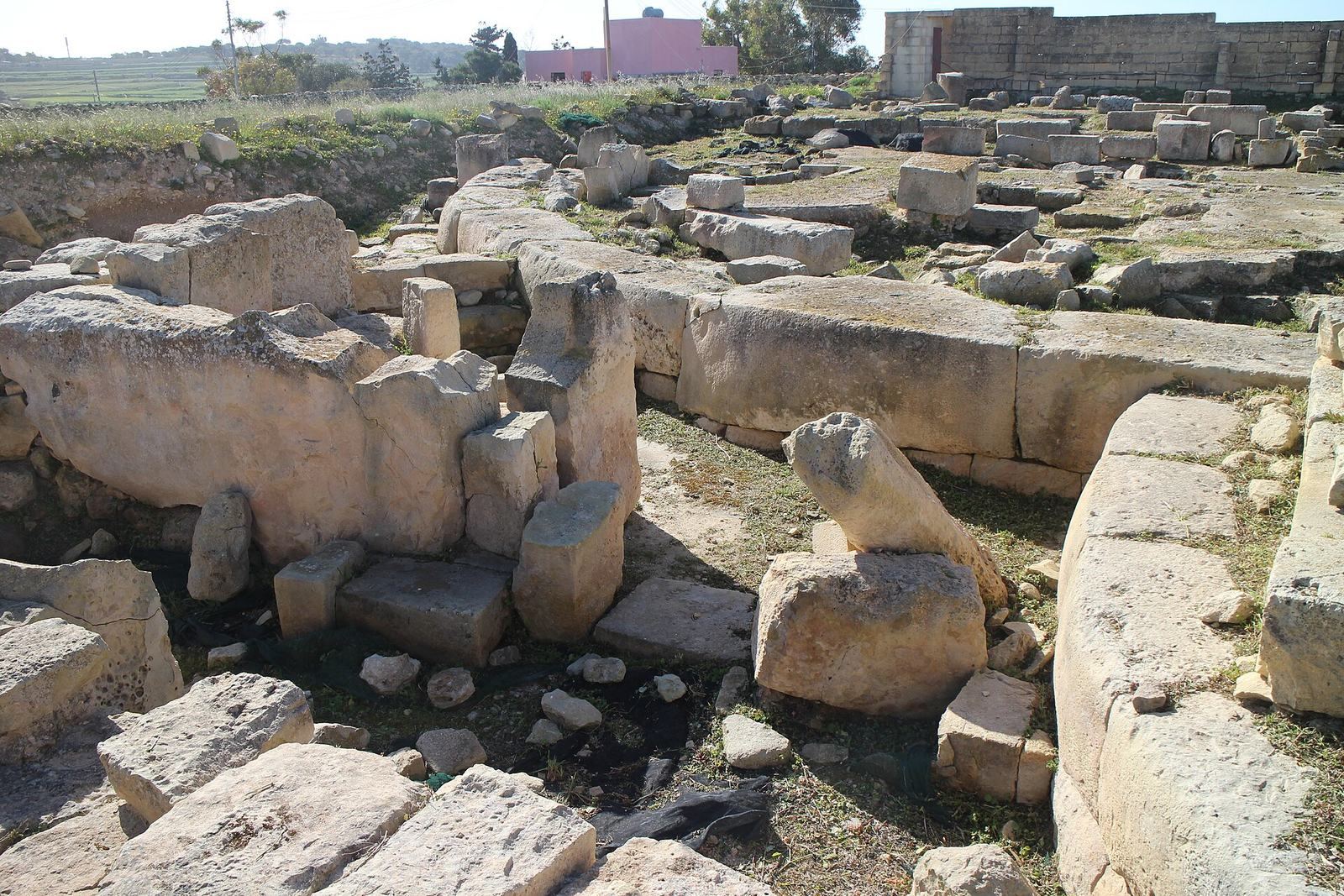
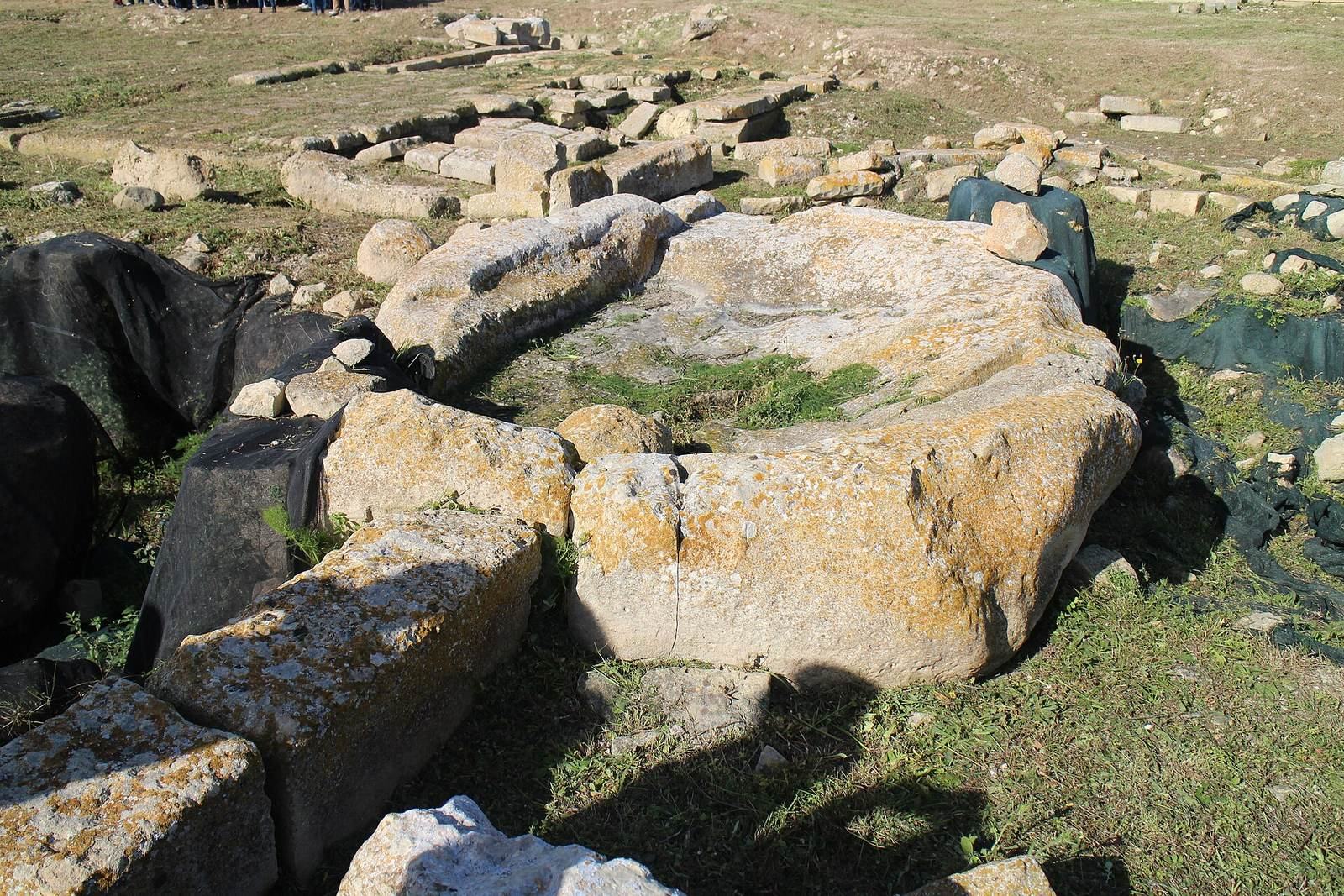
Scattered large stones point to a substantial prehistoric complex, perhaps including at least three temples and a surrounding village. A surviving D-shaped arrangement of blocks belonged to a temple with four rounded recesses, and was later incorporated into other buildings. Pottery, stone tools and a standing female figure came from the deepest deposits; Bronze Age layers also yielded pottery fragments and stone tools.
Punic sanctuary
Sanctuary structure
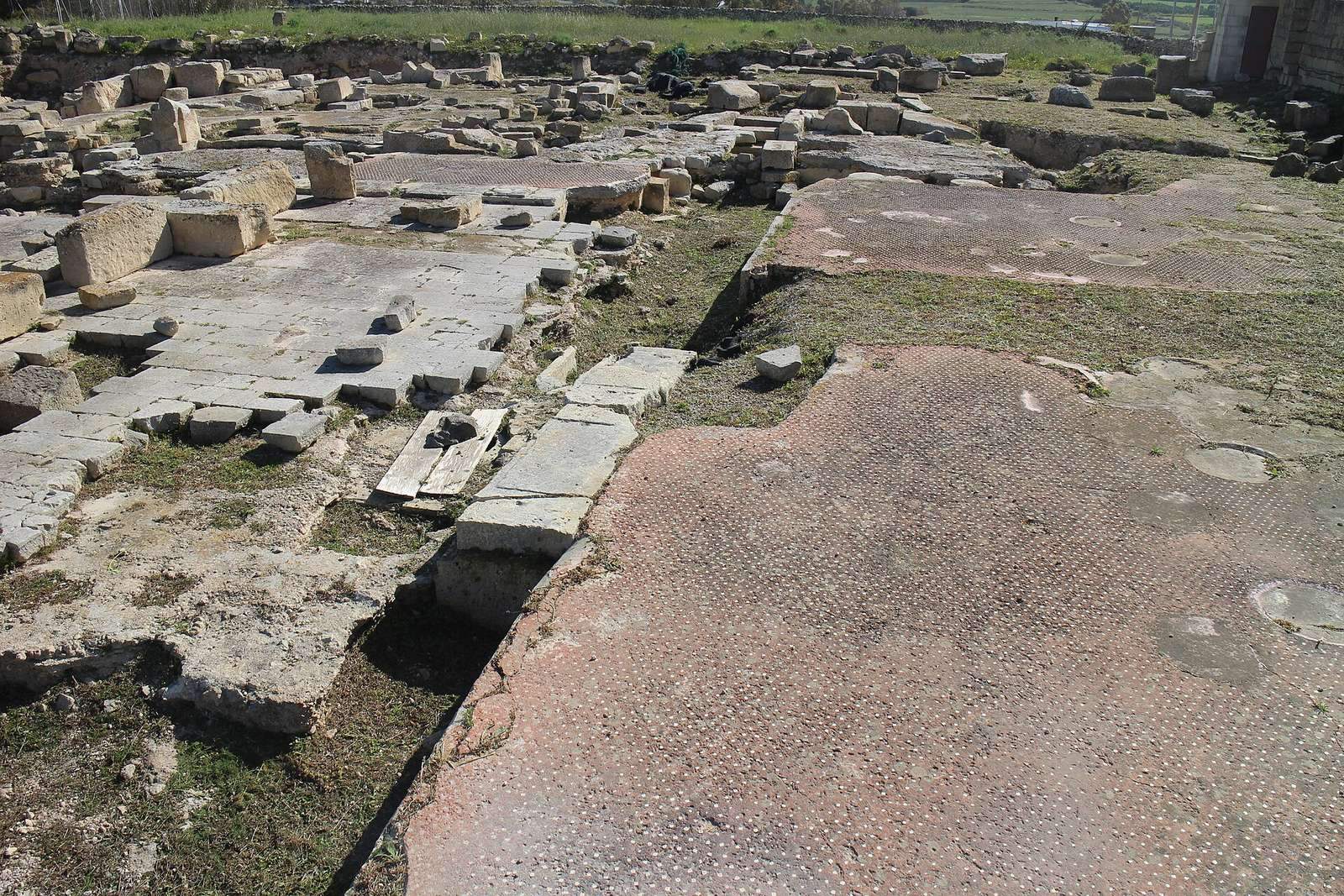
The Punic sanctuary incorporated parts of the earlier temple. Its curved front was extended, and a large entrance was framed by two projecting stone supports and a broad slab above them. A roofed colonnade was added around 300 BCE. A threshold slab pierced by three holes for pouring liquid offerings divided the eastern and western parts of the temple. To the south, carefully cut stone foundations supported a platform. A column from the Phoenician-period temple is now at Palazzo Marnisi, a seventeenth-century building in Marsaxlokk.
Ritual deposits and carved finds
Finds from around the sanctuary include pottery, ash, animal bones, coins and inscribed pottery fragments, along with numerous Punic bronze coins. The quantity of pottery suggests that nearby workshops made vessels for the sanctuary, while imported wares also occur. Objects excavated in 1969 include stone reliefs and lotus-flower sculptures representing Hathor, associated with motherhood and protection, and Ra, the Egyptian sun god. A palm-and-scroll ornament about 7.6 centimetres across dates to the seventh or sixth century BCE. Limestone fragments from the same area may have formed part of an architectural design; comparable pieces from a Roman house at Rabat have been interpreted as possible Egyptian-style funerary incense burners. The origin of the stone monuments called the Cippi of Melqart is disputed, so their connection with Tas-Silġ remains uncertain.
Roman remains
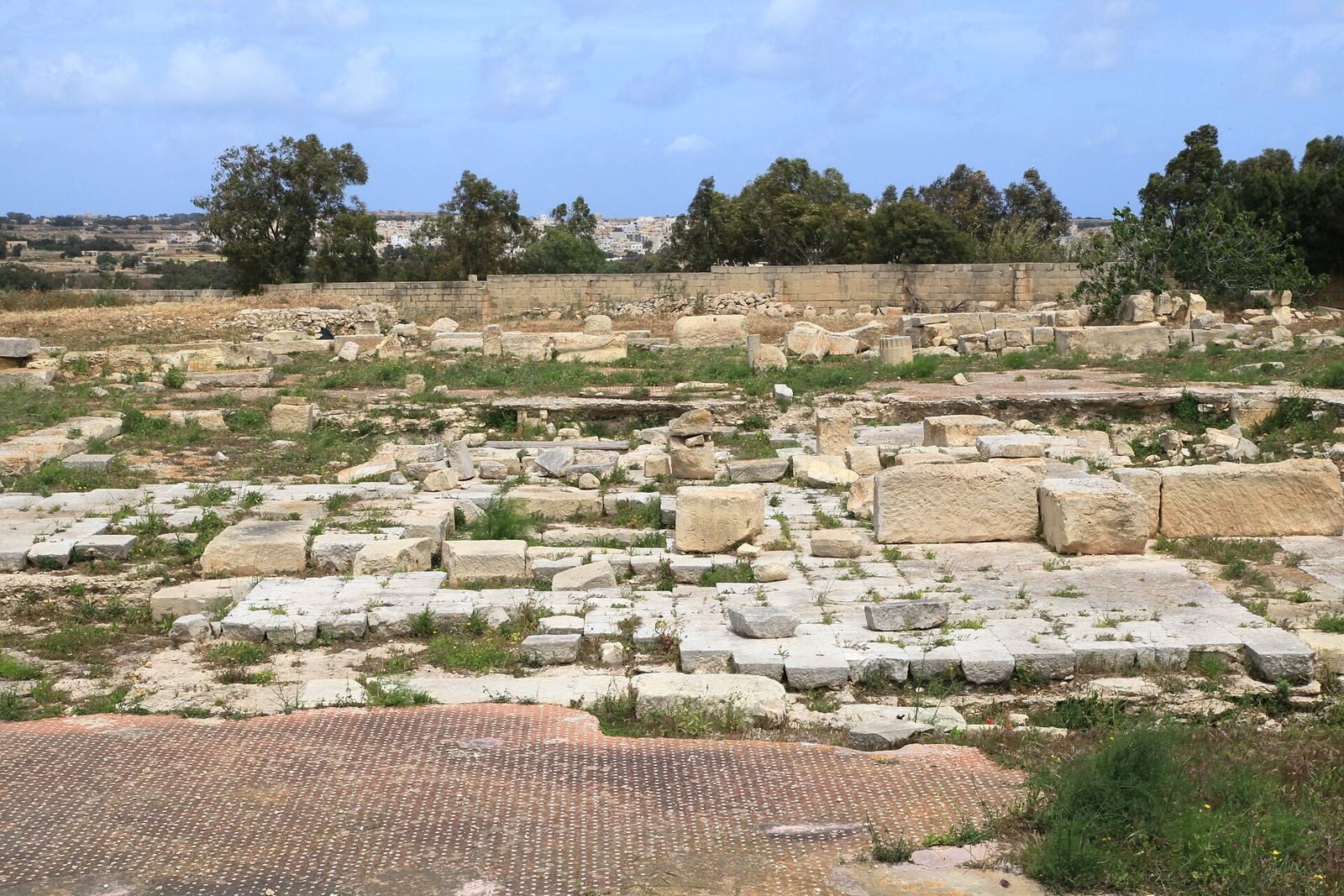
Roman-period material came from deposits around a well on the lower terrace. A surviving red floor was made from crushed pottery, lime and white marble tiles. Large underground water-storage areas have also been identified; they probably date to either the Punic or Roman period.
Byzantine church and settlement
Basilica and baptistery
The square church was a basilica, a large church type, with three long aisles and a rounded recess at its eastern end. It stood within the roofed courtyard of the temple’s colonnade. The earlier megalithic temple served as a baptistery, a place for Christian baptism, with the baptismal font placed inside it.
Fortifications
A defensive wall enclosed part of the settlement and included at least one tower. Walls around the church were hastily constructed in the eighth century. The fortified complex was linked to the harbor at Marsaxlokk below.
Coins and other finds
More than 200 Byzantine coins were found in the drain of the baptismal font. The group includes coins dating from the mid-fourth century through the monetary reforms of emperor Justinian in 538–539, as well as a gold coin issued under Constantine IV. Other finds include a worn marble female head, an ivory architectural ornament with a hanging palm-leaf design, amphorae and locally made plates. A female figure may have been deliberately damaged and placed in a hollow during this period.
Medieval and later remains
Medieval rubble walls survive at the site, which was buried beneath about a metre of soil before excavation. Removing the floors of the nineteenth-century farmhouse exposed a sequence of floors and walls, most associated with extensions built during the Roman Republic, the period before the Roman Empire. The work also revealed modern trenches cut to extract material from the ancient temple. A protective cover now shields the remains from further erosion.