Mansion of Zamfirache Ralli: A Former Boyar Residence in Moldova
Site at a Glance
- Popularity
- Medium
- Country
- Moldova
- Primary era
- Modern
- Eras represented
- Modern
- Civilizations
- Unclassified
- Site type
- Domestic
- Remains
- Elite Residence
On this page12 sections
History
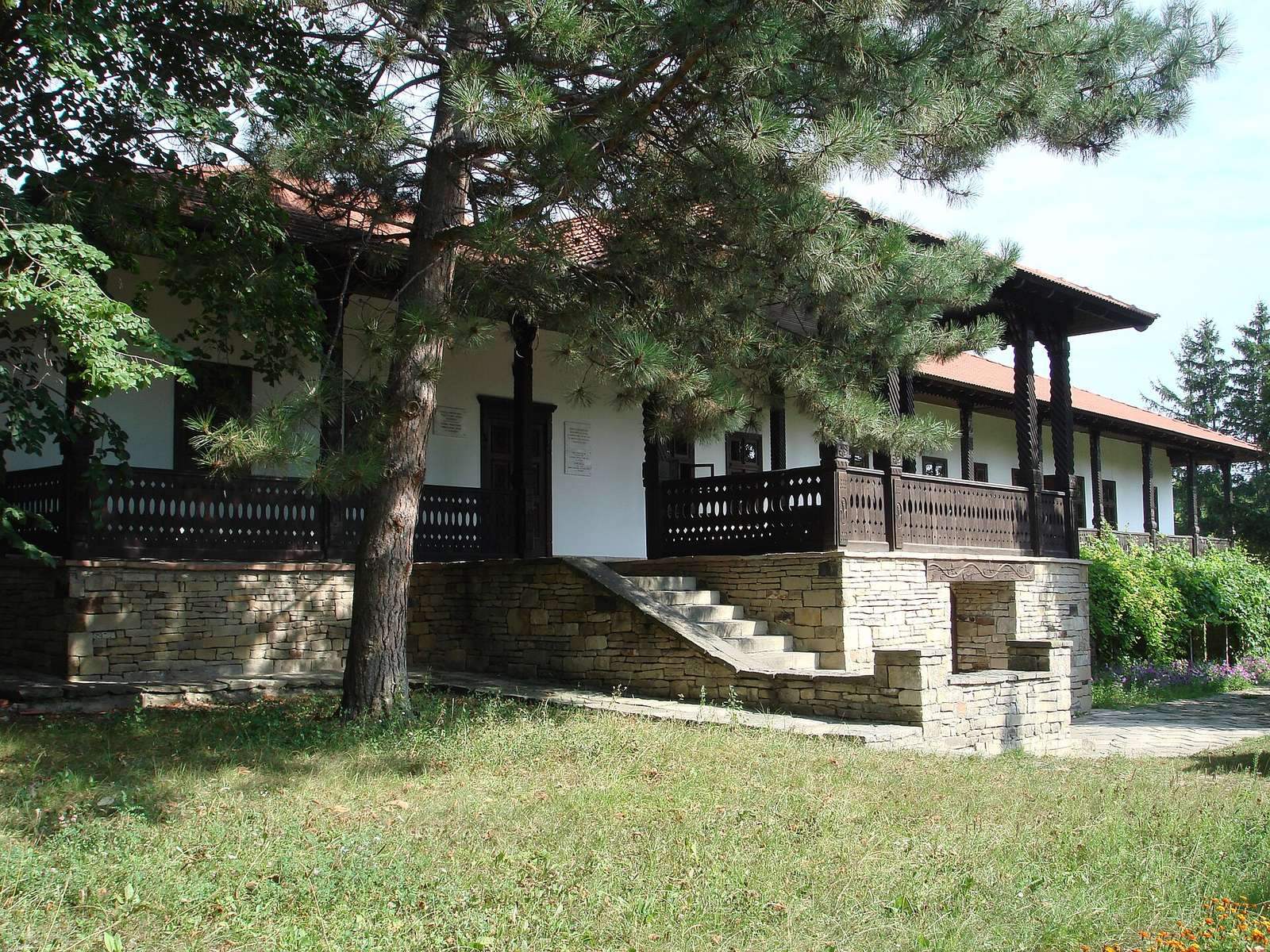
The Mansion of Zamfirache Ralli, a former boyar residence (home of a member of the landed nobility) in Dolna, Moldova, was built in the early nineteenth century by Zamfirache Ralli, a wealthy Greek merchant and landowner. He came from Wallachia, a historical principality in what is now Romania, and settled in the historical Principality of Moldavia, distinct from modern Moldova, in the late eighteenth century. He later became a subject of the Russian Empire and owned six villages by the beginning of the nineteenth century. His wife’s ancestry was traced to Stephen the Great, the fifteenth-century ruler of Moldavia, through her family’s connection to the Arbore, a Moldavian noble family.
The Ralli estate and Pushkin’s visit
Dolna was founded in the fifteenth century, and Ralli chose it for his residence. His family, which included five sons and three daughters, lived in Chișinău and spent holidays at the estate. Ralli also held receptions there that were regarded as among the finest in the area.
Alexander Pushkin, a Russian poet and writer, stayed at the estate from 28 July to 20 August 1821, during his exile in Bessarabia, a historical region in eastern Europe. He had been exiled for poetry advocating freedom. Ralli invited him, and Pushkin became friends with Ralli’s son Ion, whom he also visited in Chișinău.
A local tradition links Pushkin’s stay to Zemfira, the daughter of a Roma community leader, sometimes called a Roma baron. The title here refers to a community leader, not a hereditary European noble. Pushkin is said to have spent time with a nearby Roma camp and to have drawn inspiration from Zemfira for his 1824 poem The Gypsies and other works.
Ion Ralli and the church
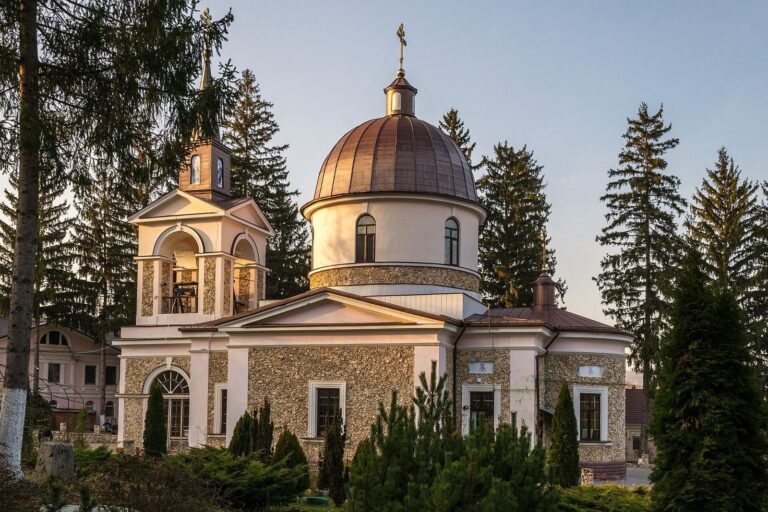
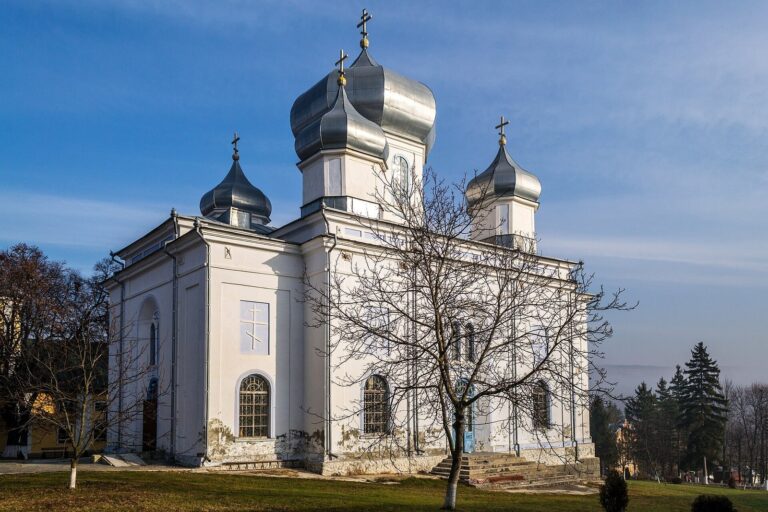
Ion Ralli undertook construction of the church associated with the estate, which was completed in 1849. In 1871, marking fifty years since Pushkin’s visit, Ion repaired the mansion after it had fallen into disrepair and also restored the church.
Soviet and post-Soviet history
After Soviet rule was established and the Moldavian Soviet Socialist Republic, a Soviet republic covering most of present-day Moldova, was formed, the estate was nationalized. The mansion became a Pushkin house-museum in 1946. It opened to the public on 6 June 1949, Pushkin’s birthday, and in 1964 became a branch of the Pushkin House-Museum in Chișinău.
Following the dissolution of the Soviet Union, the estate closed for reconstruction and was effectively abandoned. It was repaired and restored in 2002 at the initiative of Moldova’s president. The mansion is recognized in Moldova as both a historical monument and an architectural monument. Pushkin poetry celebrations have been held at the estate annually since 1980.
Remains
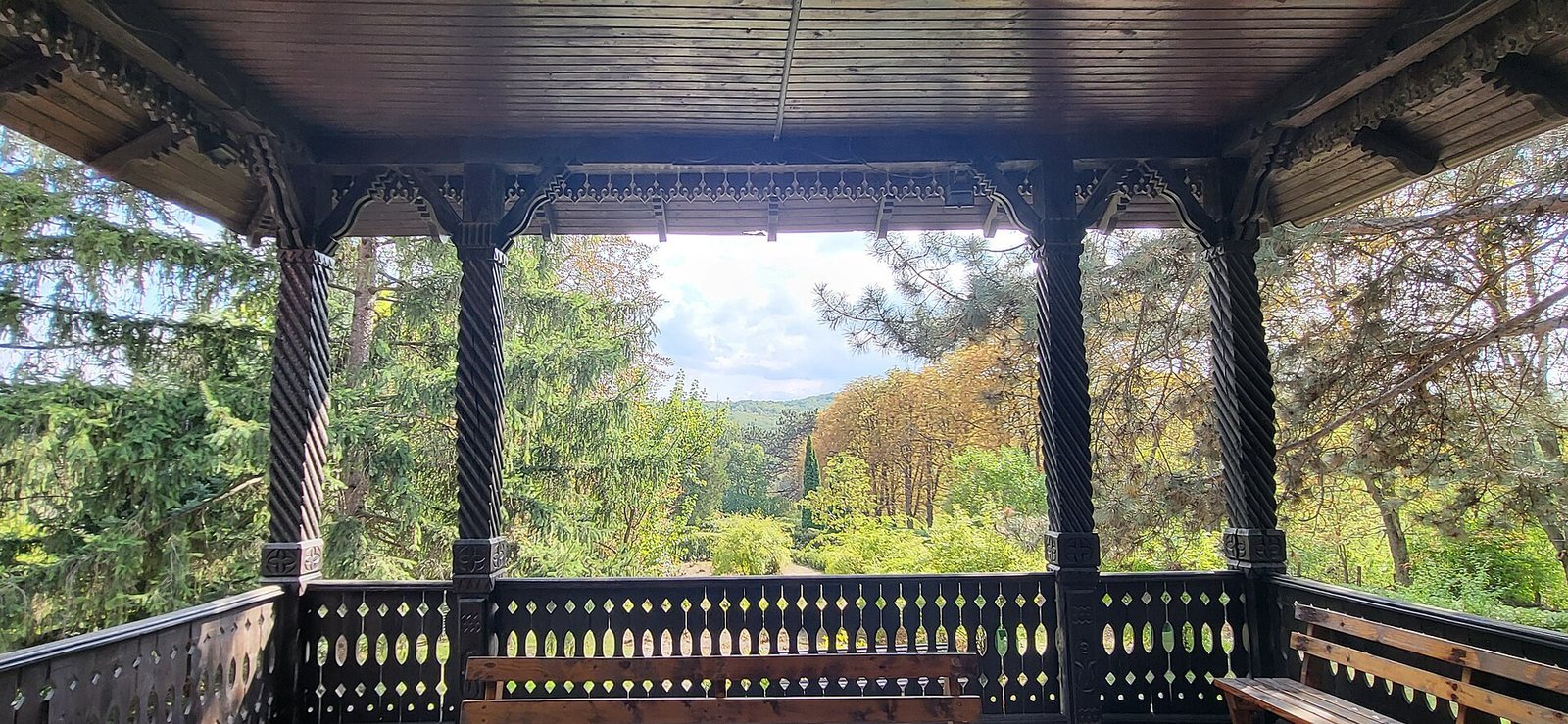
The estate centers on the mansion, with a park extending around it. Other associated features lie nearby, including a church dedicated to St Mary about fifteen minutes from the residence and natural features in the wooded Codri region near Dolna.
The mansion and museum
The mansion
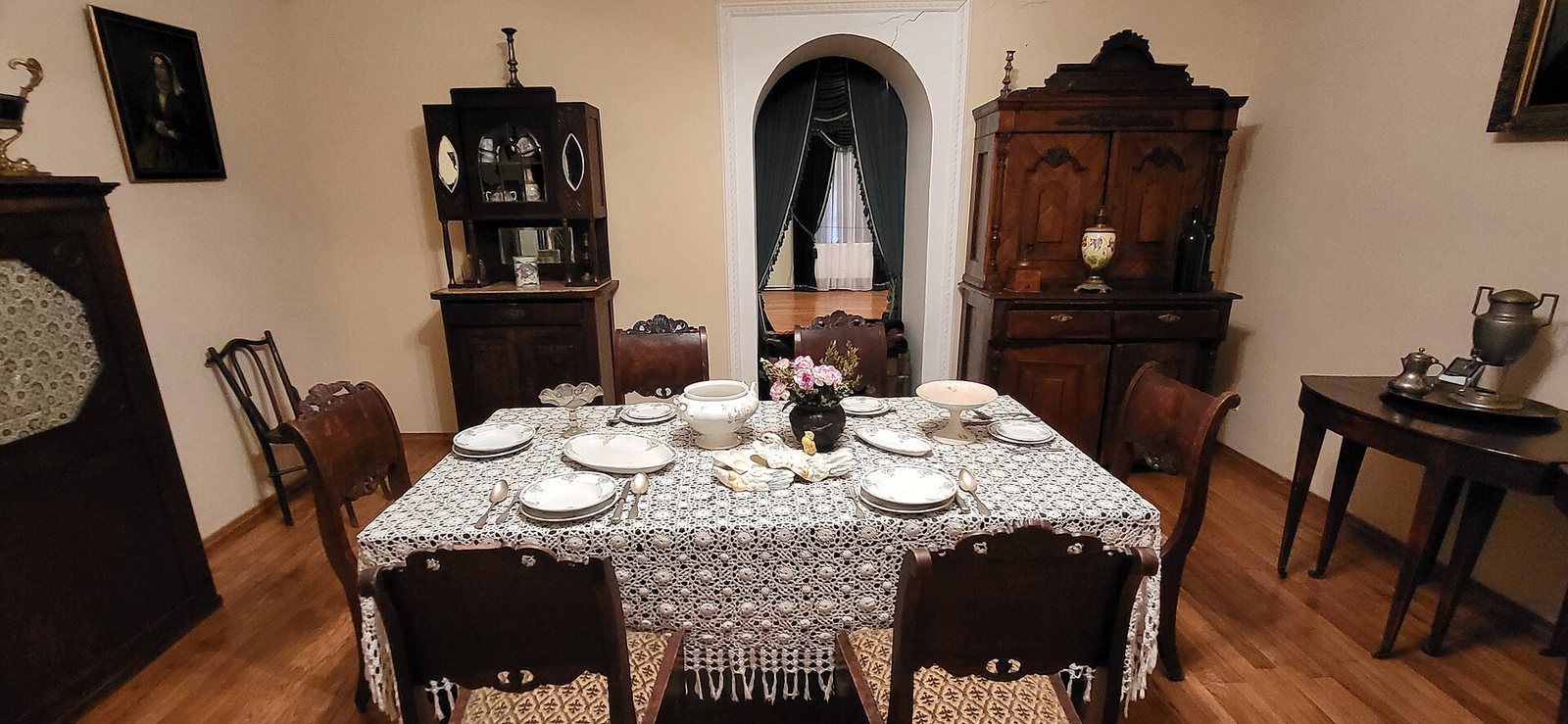
The mansion is the former boyar residence at the heart of the estate. Its present use as a museum connects the building with materials relating to the Ralli family and Alexander Pushkin.
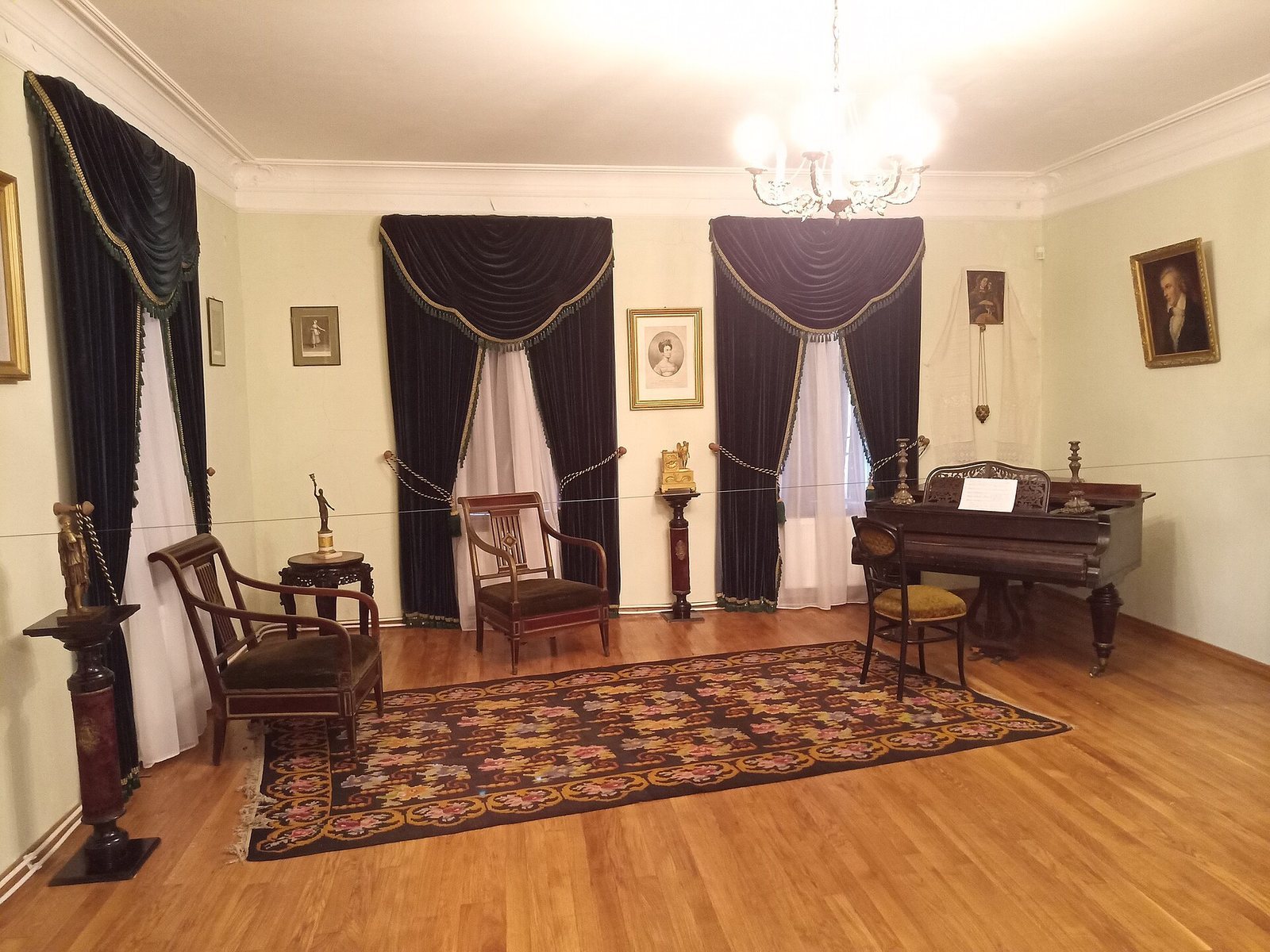
Museum displays
The museum exhibits authentic materials dating from the eighteenth through twentieth centuries, most drawn from collections in Saint Petersburg and Chișinău. The displays include letters written by Ralli’s children and Ralli’s will, which serve as reminders of the estate’s former owners.
Estate grounds and nearby features
Park
The park surrounding the mansion contains a monument to Pushkin made in 1972 by Russian sculptor Oleg Komov. A stream in the park is called Zemfira.
Codri
The wooded hills of the Codri near Dolna include a spring and a clearing associated with Zemfira.
Church of St Mary
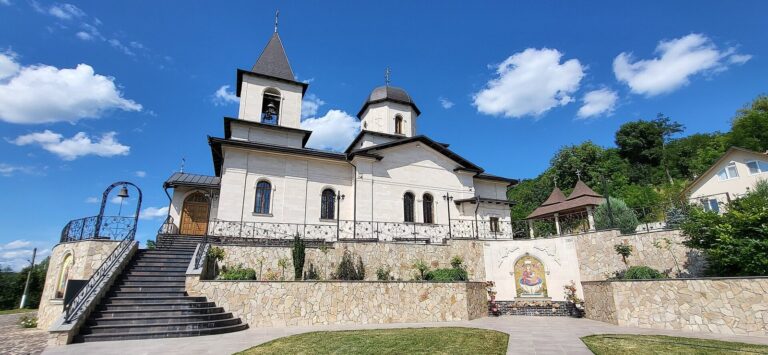
The church dedicated to St Mary stands about fifteen minutes from the mansion and remains in active use.