Mansion of the Balioz Family: A Nineteenth-Century Estate in Moldova
Site at a Glance
- Popularity
- Medium
- Country
- Moldova
- Primary era
- Modern
- Eras represented
- Modern
- Civilizations
- Russian
- Site type
- Domestic
- Remains
- Manor House
On this page7 sections
History
Construction and early ownership
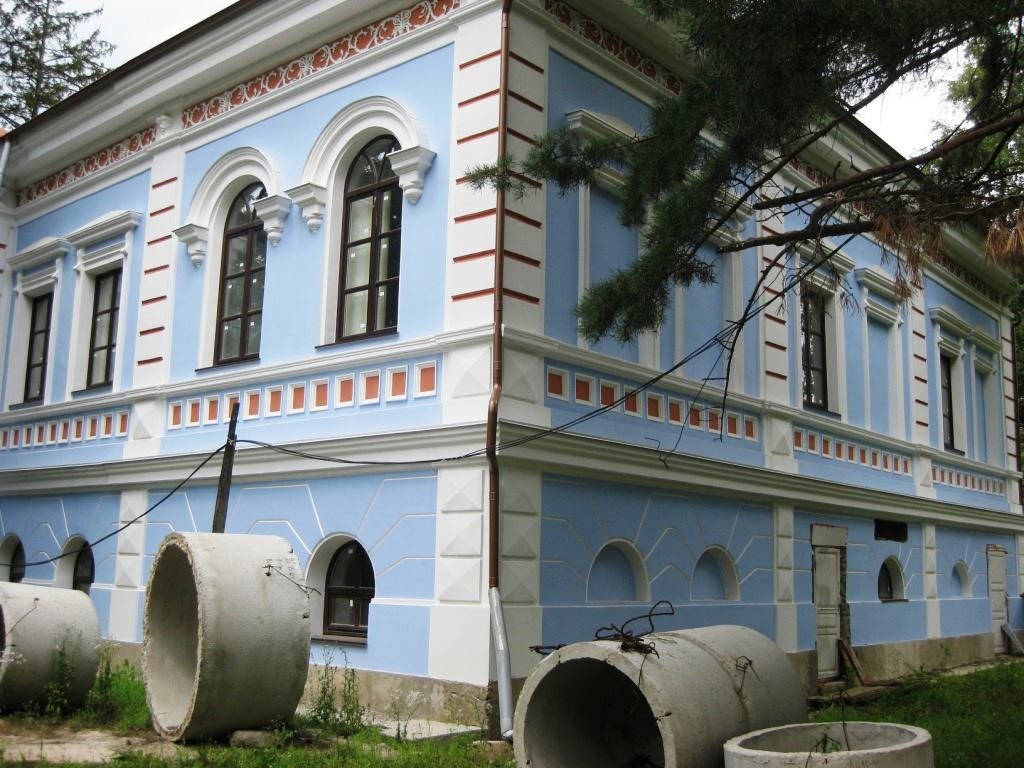
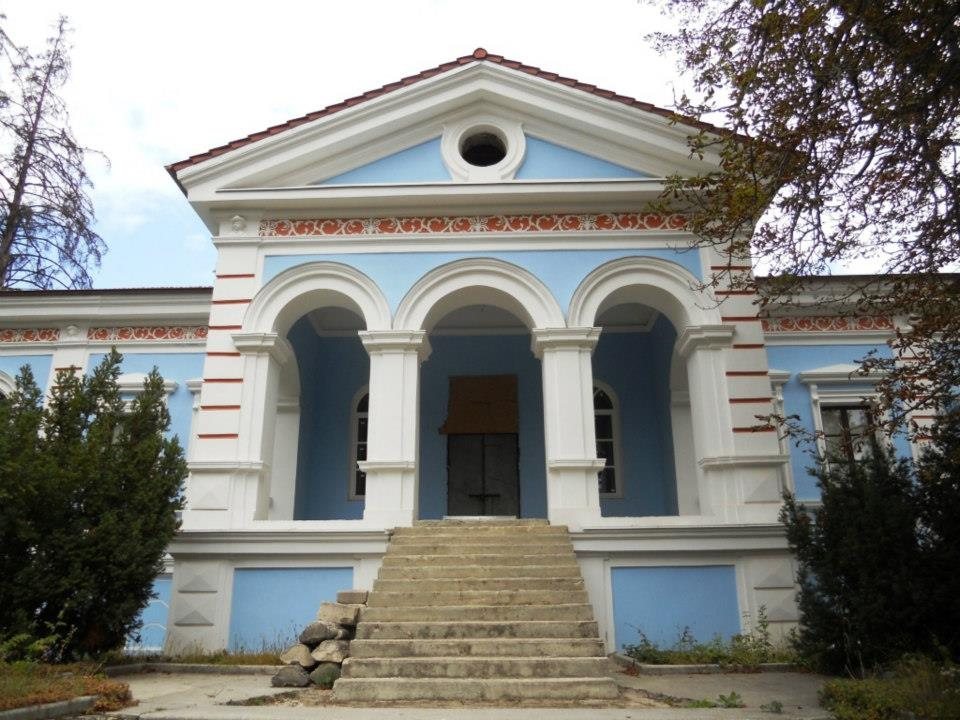
The Mansion of the Balioz family is a nineteenth-century estate in Ivancea, Orhei District, Moldova. Carabet Balioz, an Armenian boyar (a member of the landed aristocracy), commissioned the mansion, which was built between 1852 and 1873. Its Western European style incorporates Russian Classicist elements, classical forms adapted in Russia.
Balioz is believed to have been an administrator for Manuc Bei, an Armenian merchant and diplomatic intermediary active in Ottoman and Danubian affairs, as well as his son-in-law.
Changes in use after 1941
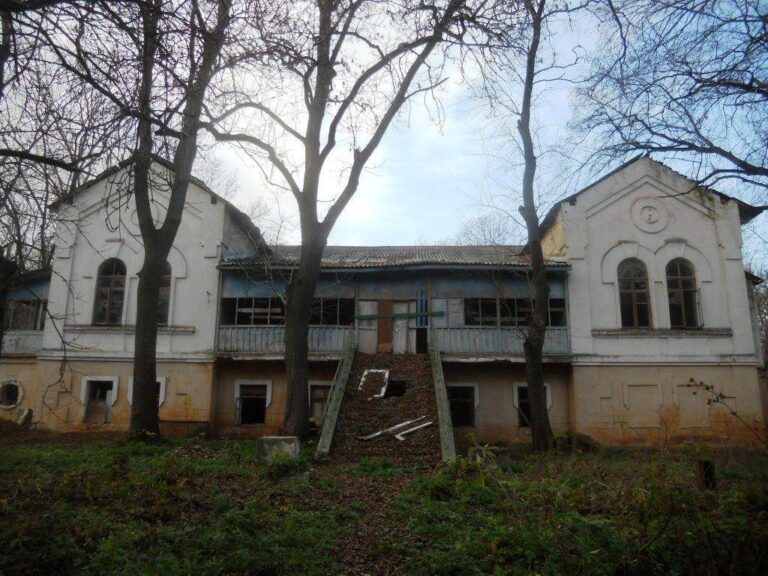
In 1941, Balioz’s descendants fled across the Prut River. The new administration put the mansion to several uses, including as a military hospital, bathhouse, and library. Local residents also took and dismantled some of the estate’s possessions.
State protection and later management
The mansion came under state protection in 1975 and is recognized as an architectural monument of national importance. In 1984, the complex became the Museum of Folk Crafts, a branch of Moldova’s National Museum of Ethnography and Natural History. Restoration work began that year but remained unfinished.
In 1996, the Ministries of Culture and Agriculture transferred the complex’s buildings from the management of the Ivancea agricultural enterprise to the national museum. The complex was leased to a company in 2006. The following year, Casa Vinului SRL, a limited-liability company, undertook to restore the mansion and park on the museum’s behalf. Work began before the restoration plans were complete, prompting a lawsuit and a halt to the work. The museum described the work as a serious breach of restoration principles for natural-heritage properties.
In 2010, the museum sought a court order to cancel its agreement with the company. By around 2014, the court had ruled in the museum’s favor. In 2020, the Minister of Education, Culture and Research announced that an assessment of the monument’s condition had begun.
Remains
The estate brings together the mansion, service and agricultural buildings, and a three-hectare park. The mansion’s Western European style incorporates Russian Classicist elements, based on classical forms adapted in Russia.
Estate buildings
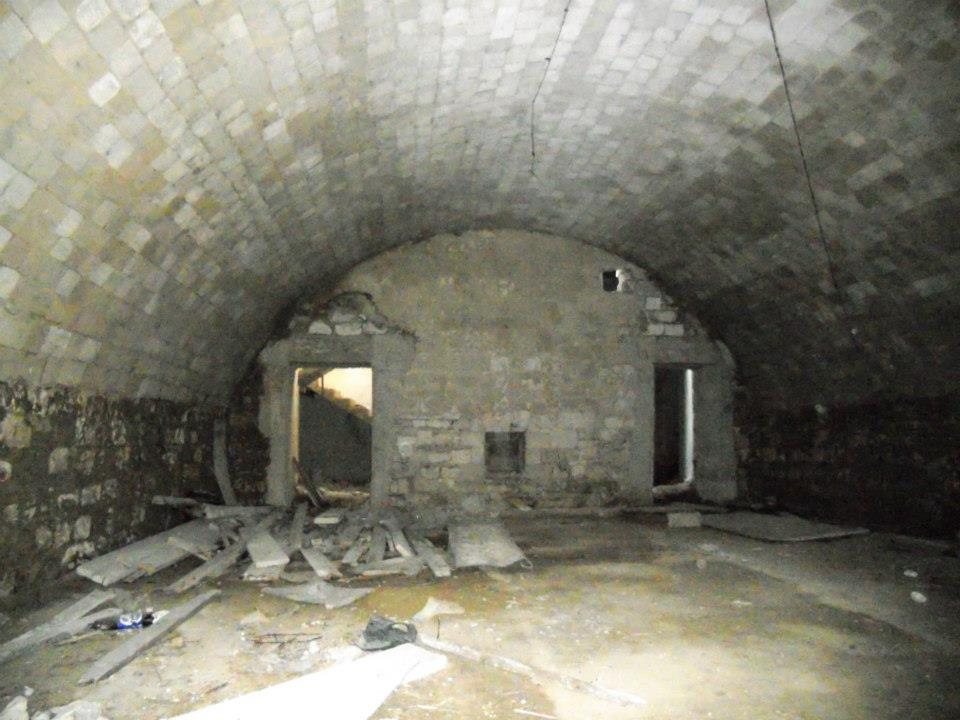
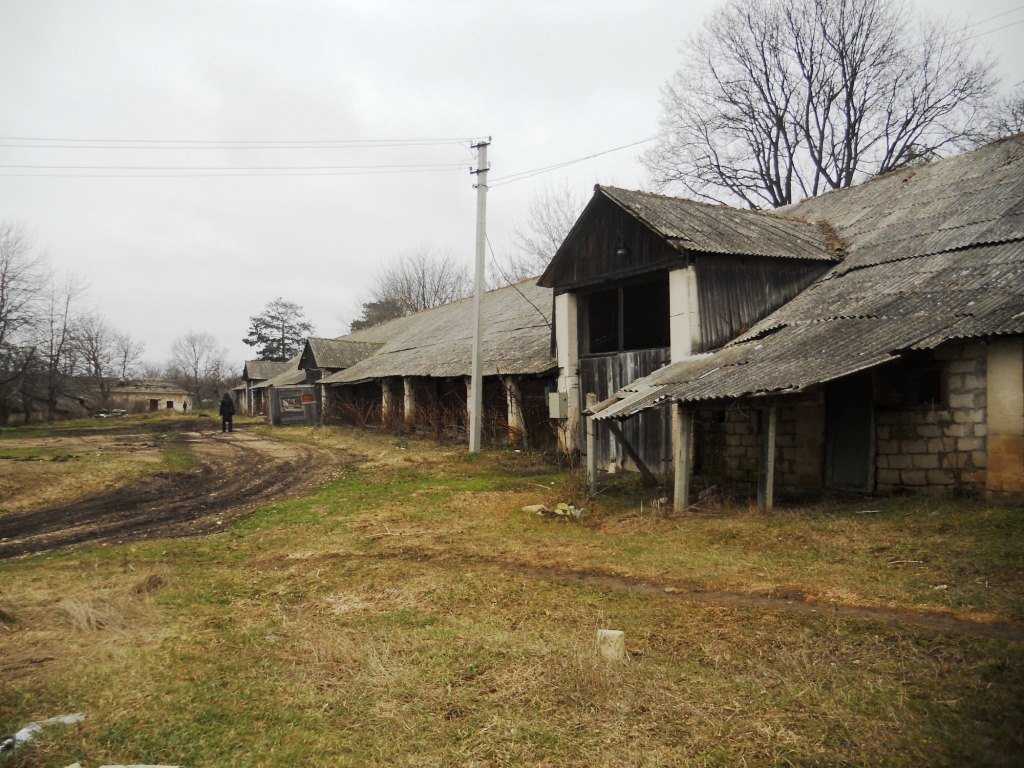
The complex includes a three-level water tower, barns, cellars, a mill, stables, a blacksmith’s shop, and other outbuildings. Its agricultural structures include a steam mill and oil press, a miller’s house, warehouses, stables, and other farm buildings. In 1996, the agricultural buildings were in deplorable condition.
Ivancea Park
The park covers three hectares and contains chestnut trees, firs, lindens, and plants considered exotic for Moldova.