Malá Skála Castle: A Bohemian Estate Residence and Administrative Center
Site at a Glance
- Popularity
- Medium
- Country
- Czechia
- Primary era
- Early Modern
- Eras represented
- Early Modern, Modern
- Civilizations
- Austria-Hungary, Austrian Empire, Habsburg, Habsburg Austria, Holy Roman Empire, Kingdom of Bohemia
- Site type
- Domestic
- Remains
- Castle
On this page8 sections
History
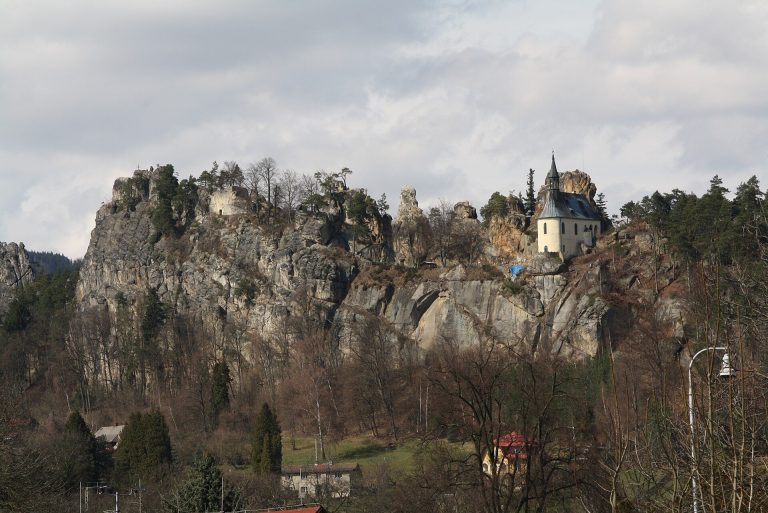
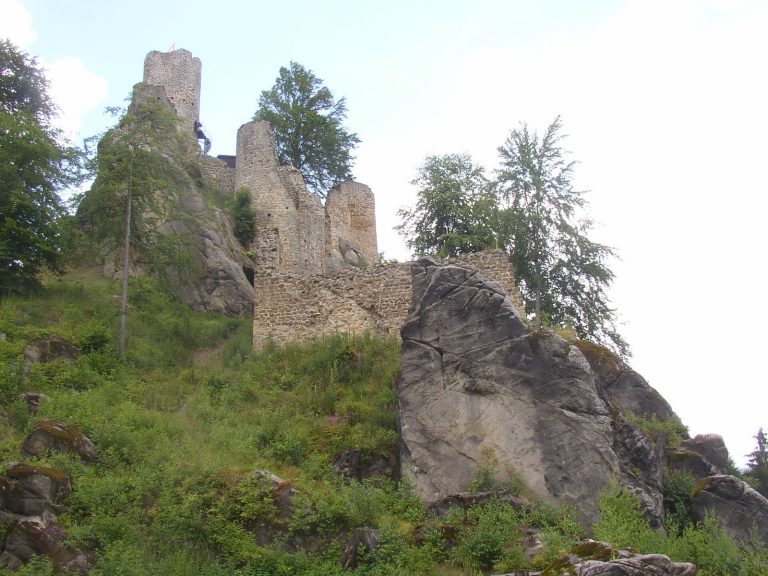
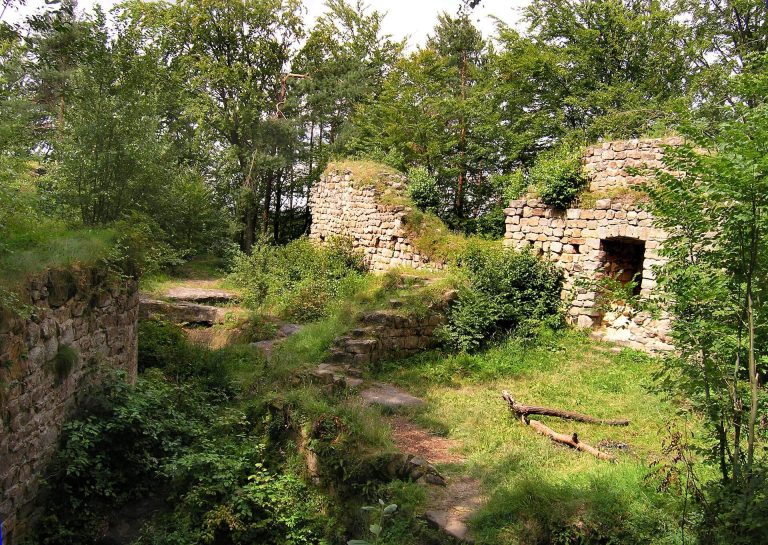
Malá Skála Castle is a historic residence above the right bank of the Jizera River in Czechia, at the northern edge of the Bohemian Paradise protected landscape area. The estate is first mentioned in 1422, when it belonged to the Štěpanice branch of the Valdštejn family; whether a fortified residence stood there at that time is uncertain. A stronghold appears to have been established in the valley near Vranov Castle around the turn of the fifteenth and sixteenth centuries, when Vranov no longer served adequately as a noble residence. The new seat became the center of the Skalsko estate, previously associated with Vranov. In 1538, Jan of Vartemberk, then High Burgrave, a senior royal official in Bohemia, bought the estate from Karel Felix of Valdštejn and joined it to Hrubý Rohozec. Its holdings included half of Turnov, Brodec (now Železný Brod), several village manor houses, eight villages from the Zbiroh estate, and about 50 villages between Železný Brod, Turnov, Jablonec nad Nisou, Rychnov u Jablonce nad Nisou, and Kokonín. After Jan died in 1543, his son Adam inherited the estate. In 1565 it passed to Jan’s grandson Karel, who had a Renaissance-style castle built on the fortified-residence site.
Division and Desfours ownership
In 1613, the estate was divided between Jan Jiří and Jindřich Ota of Vartemberk. Jindřich Ota received Malá Skála, the ruins of Vranov Castle, part of Turnov, and about 40 villages north of the Jizera River toward the Jablonec region. Albrecht Jan Smiřický of Smiřice bought the estate in 1615. After his death in 1618, his property was confiscated because of his participation in the Bohemian Revolt against Habsburg rule. Albrecht von Wallenstein received Malá Skála and granted it to Mikuláš Desfours as a fief, an estate held subject to obligations.
The Desfours family preferred Hrubý Rohozec and did not reside permanently at Malá Skála. The castle chiefly served as an administrative center and as a residence for the estate manager, although the family’s lords used it occasionally. Under Ferdinand Ignác Desfours, the interiors were renovated in the Baroque style in the early eighteenth century. The brewery cellars were built after 1731. In 1775, rebellious subjects plundered the castle. From that year, it was called Malá Skála to distinguish it from Hrubá Skála; before then, it was known as Skála.
Römisch and later owners
Count František Václav Desfours sold the estate in 1802 to Franz Zacharias Römisch, an industrialist who had made his fortune supplying the military and had been granted a baronial title. Around 1810, Römisch commissioned an Empire-style renovation and landscaped the park, incorporating the ruins of old Vranov Castle. In 1813, he established a nearby woodland cemetery, which included his tomb.
After Römisch died in 1832, his brother Karel inherited the estate. Karel’s heirs later sold it to Ludwig von Oppenheimer in Leipzig, and it subsequently passed to Wilhelm Medinger. In the early twentieth century, the castle was altered in the Art Nouveau style, known in Central Europe as Secession. The state took ownership in 1945, after which the Mototechna national enterprise of Mladá Boleslav used the building as a recreation facility. Mototechna was a Czechoslovak state enterprise involved in motor-vehicle sales and service. Following renovation, the castle serves as a training and recreation center.
Remains
Castle and grounds
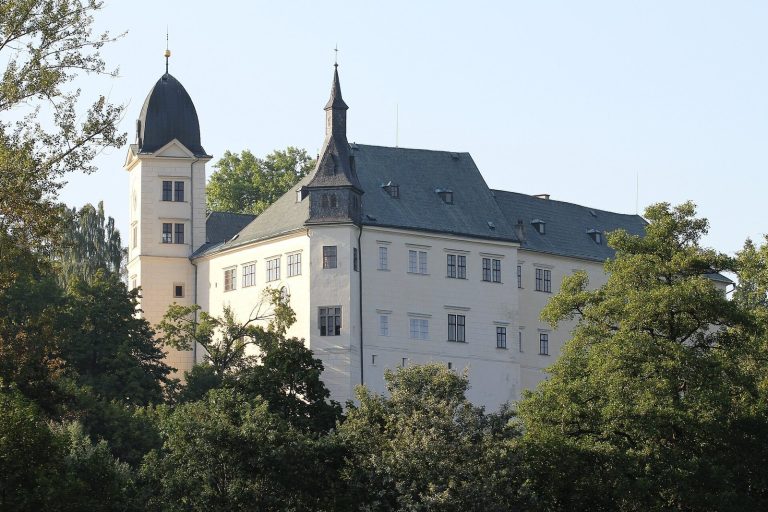
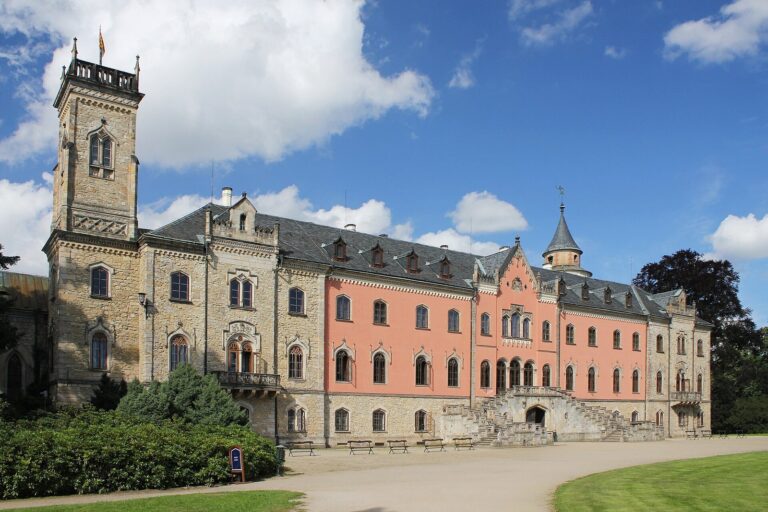
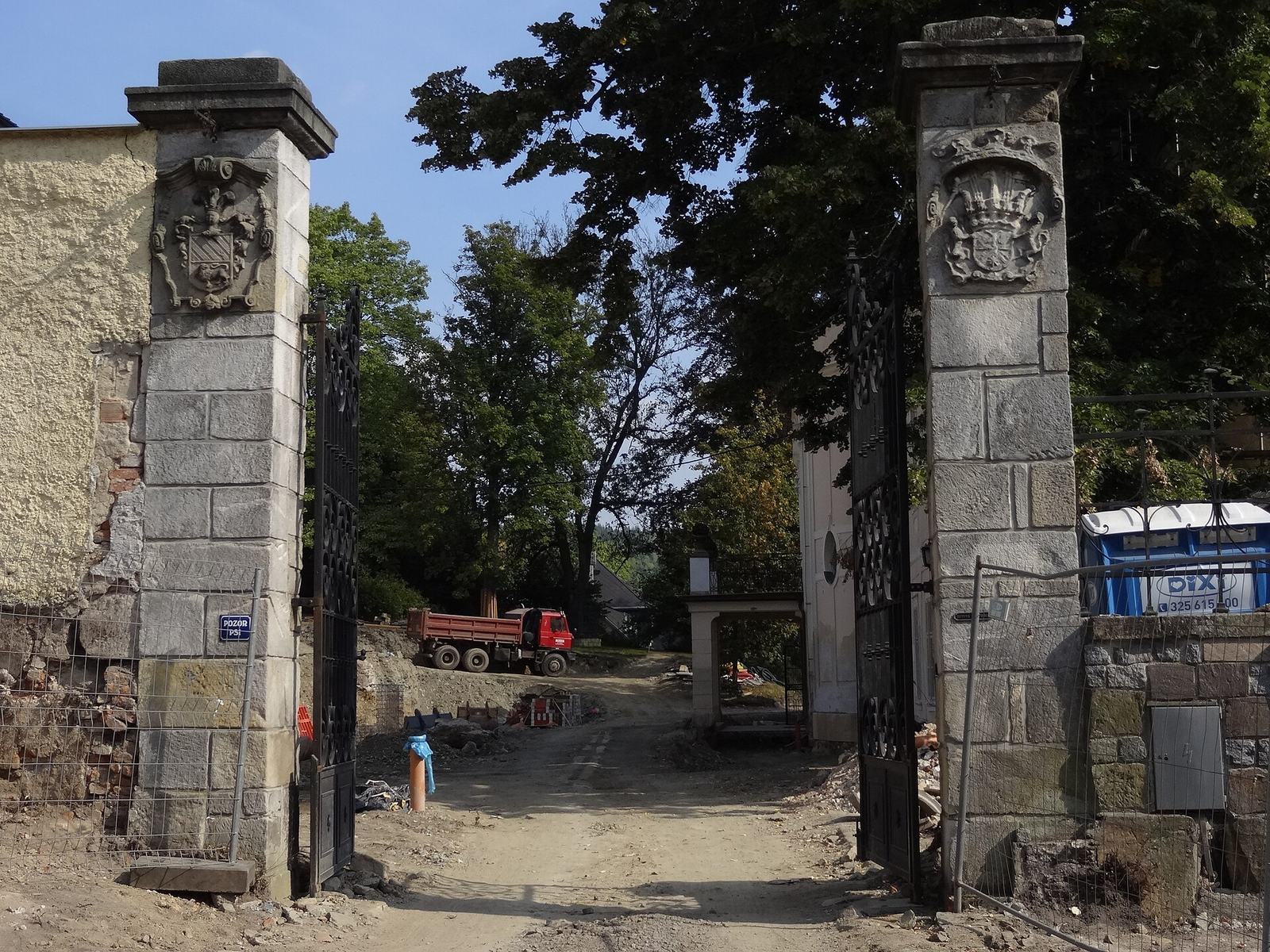
The estate complex brings together the castle, service buildings, gardens, and parkland. The residence’s architectural character reflects its Renaissance construction and later Baroque, Empire, and Art Nouveau alterations.
Castle
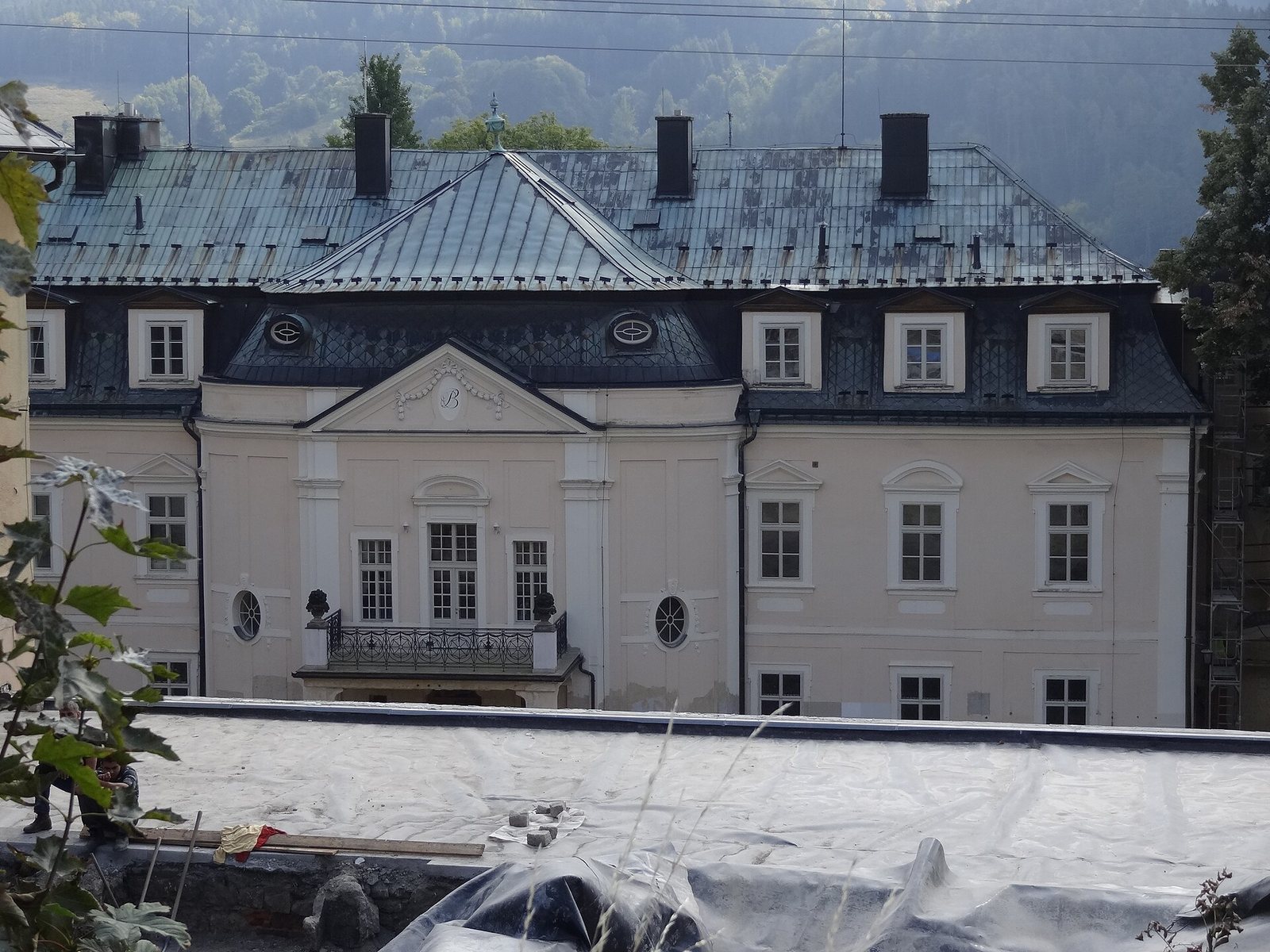
The castle has a rectangular plan and one upper storey. Its entrance front faces north and has a balcony. On the south side, facing the park, a triangular gable, the upper wall beneath a sloping roof, crowns the central section. A balcony at upper-storey level sits above an entrance and a short staircase divided into two flights.
Park and associated buildings
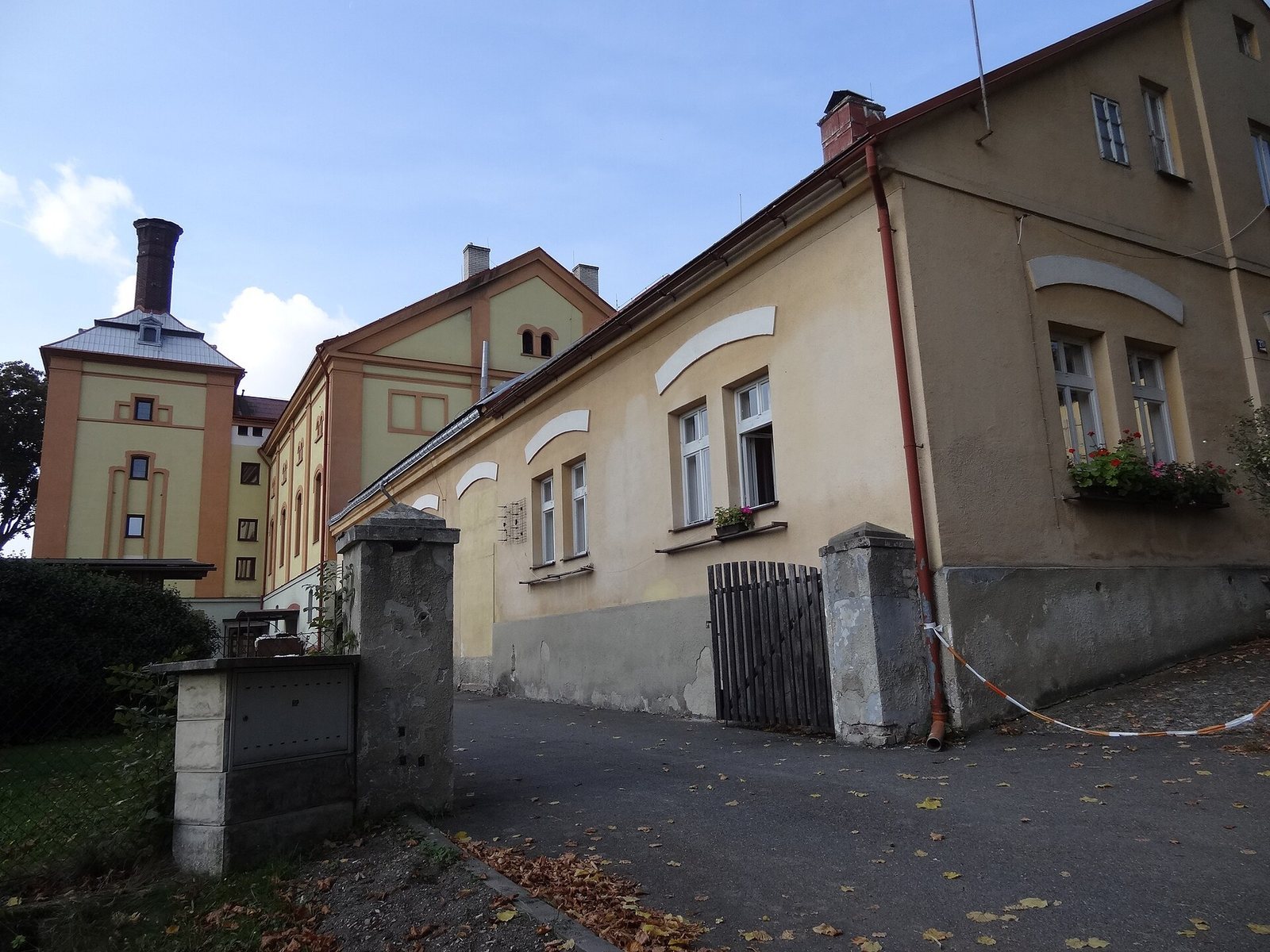
The park descends southward in terraces and contains notable trees. Former farm and administrative buildings stand north of the castle. The grounds also include a greenhouse and a garden with Rococo vases, in the ornate decorative style that developed in eighteenth-century Europe.
Woodland cemetery
The nearby woodland cemetery contains Römisch’s tomb.