Maefutago Kofun: A Keyhole-Shaped Burial Mound in Japan


Site at a Glance
- Rating
- 4.3
- Popularity
- Very Low
- Country
- Japan
- Primary era
- Medieval
- External website
- Open
- Eras represented
- Medieval
- Civilizations
- Yamato
- Site type
- Burial
- Remains
- Burial Mound
On this page9 sections
History
Maefutago Kofun is a Japanese Kofun-period burial mound in Maebashi, Gunma Prefecture, built around the beginning of the sixth century AD. It is one of at least six tombs in the Omuro Kofun Cluster, which also includes Nakafutago Kofun and Ushirofutago Kofun. Nakafutago lies immediately north of Maefutago. The tomb’s principal axis points toward the Umeki archaeological site, about 400 metres away, a settlement dating from the late fifth to early sixth century that has been interpreted as the remains of an elite residence possibly connected with the person buried at Maefutago.
The Meiji Investigation
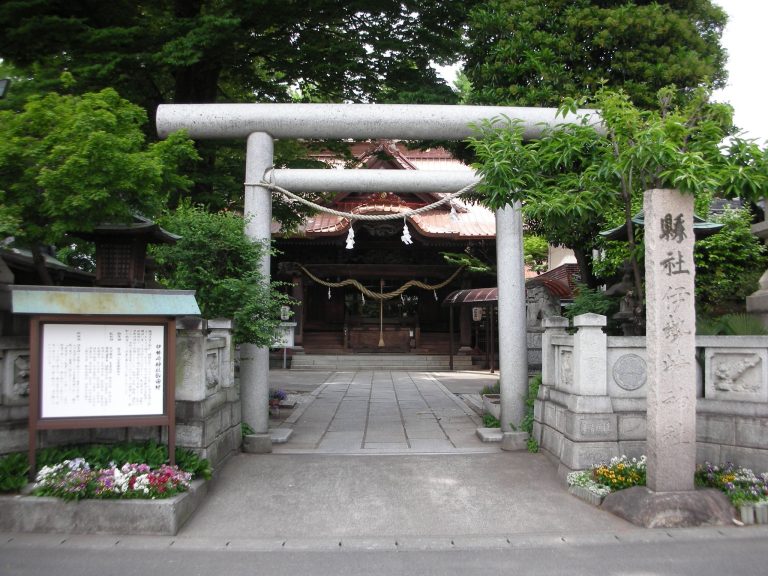
Maefutago was opened in March 1878 during a Meiji government search for the burial of Toyoki-irihiko no Mikoto, a legendary figure named in the eighth-century Nihon Shoki chronicle as an ancestor of the Kamitsukeno and Shimotsukeno ruling houses. Maefutago and Ushirofutago were examined during the same campaign. The discovery of the tomb’s stone-lined burial chamber, stone sarcophagus, and numerous grave goods led to a proposal that Maefutago was Toyoki-irihiko no Mikoto’s burial place.
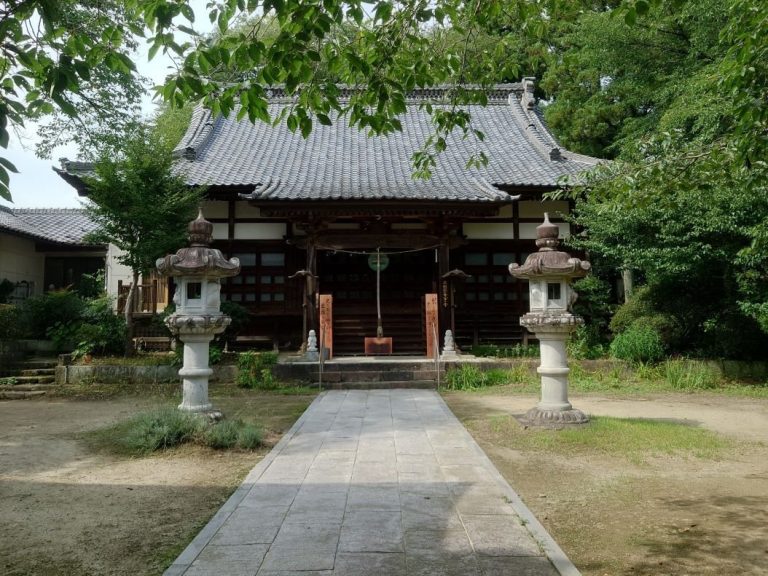
Gunma Prefecture petitioned the Minister of the Imperial Household to recognize the tomb, but the proposal failed in November 1878 because decisive evidence was lacking. An exhibition of objects from the burial attracted more than 5,000 visitors from across Japan during its first year. The finds were initially kept in the treasure hall of a nearby shrine and are now held by the Maebashi City Board of Education.
Early Scientific Analysis
Sir Ernest Mason Satow, a British diplomat interested in archaeology, visited the Omuro site in early March 1880. He sketched and measured objects from Maefutago and presented his research to the Asiatic Society of Japan on 13 April. The study was published in volume 8, number 3, of the Transactions of the Asiatic Society of Japan.
Satow also took samples of the red pigment inside the burial chamber and of the glass beads. Chemical analysis identified the pigment as iron oxide and the glass as potash glass. This investigation was an important early example of scientific analysis carried out in Japan.
Repair and Protection
A later investigation led to a major repair project after missing ceiling stones and severely leaning wall stones made the horizontal chamber dangerous to visit. The chamber was dismantled and reassembled, and the work clarified how it had been constructed. Maefutago Kofun became a National Historic Site of Japan in 1927. The surrounding area is maintained as Omuro Park, an archaeological park containing other kofun and reconstructed Kofun-period structures.
Remains
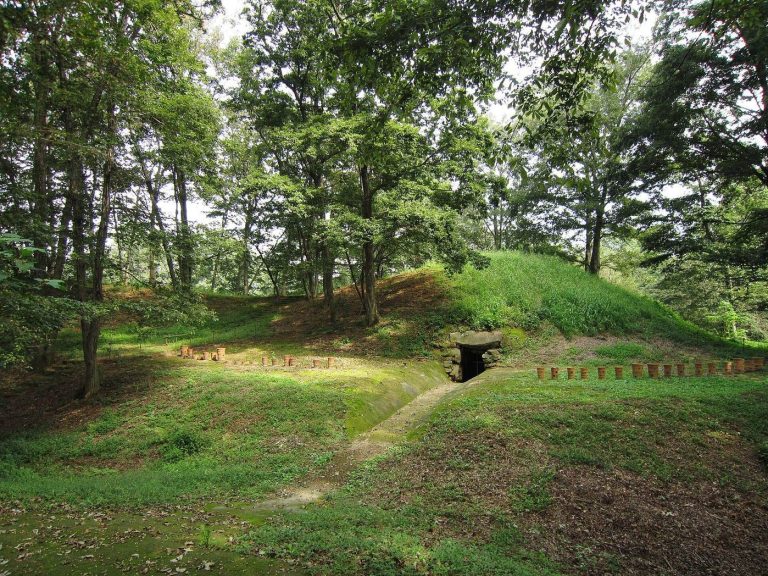
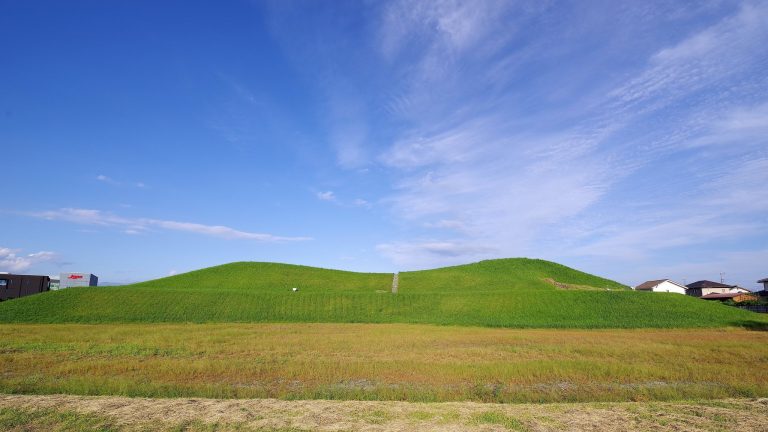
Maefutago Kofun is a keyhole-shaped mound, or zenpo-koen-fun, combining a square front section with a circular rear section. It is oriented approximately 70 degrees northeast and measures 94 metres in total length. The rear section is 68 metres in diameter, the mound reaches 14 metres in height, and the front section is 65 metres wide. Built in two tiers, the mound was partly formed by cutting into the natural ground. Stone coverings, known as fukiishi, were applied only to the upper tier. A shield-shaped double moat surrounds it, giving the entire monument an approximate length of 148 metres.
Burial Chamber
The burial facility is a double-sleeved horizontal stone chamber, meaning that it was entered from the side through a passage and had lateral extensions on both sides of the entrance. The structure consists of a burial chamber, a passage, a stone entrance, and an opening into the entrance. Its repair followed the loss of ceiling stones and the substantial tilting of the walls. The dismantling and reconstruction preserved the chamber while also revealing its construction method.
Burial Goods
The burial chamber yielded ornaments, weapons, horse equipment, agricultural implements, and pottery. Personal ornaments included two gold ear ornaments, 451 blue glass beads, 17 green glass beads, 28 yellow glass beads, 15 crystal beads, six jasper tubular beads, one talc tubular bead, and two talc disc beads. Three hollow silver balls were also recovered.
The weapons comprised a twisted-ring-pommel sword, two iron spear blades, two iron spear butt fittings, one straight sword, and 112 iron arrowheads. Horse equipment included four lozenge-shaped sword-leaf pendants, four double-leaf lozenge-shaped sword pendants, a complete bridle with an f-shaped cheek plate, junction fittings, fragments of saddle fittings, and ring stirrups.
Small farming tools, two axes, a knife, a spade, and 20 needles represented agricultural equipment. Twenty hook-shaped fittings may have attached a cloth canopy over the burial chamber or coffin. The pottery included Sue ware, a high-fired tradition made with techniques introduced from the Korean Peninsula, and Haji ware, a generally unglazed, lower-fired Japanese pottery. Sue ware consisted of a figure-decorated cylindrical vessel stand, two tall-stemmed vessel stands, two flask-shaped vessels, a straight-necked jar, and three tall-stemmed cups. Haji ware included a pedestal-mounted jar, four tall-stemmed cups, two cups, and one jar.
Haniwa and External Features
Cylindrical and figurative haniwa, the clay objects placed on or around burial mounds, stood on the summit. The figurative examples included house-shaped and sword-shaped forms, while approximately 1,340 cylindrical haniwa are estimated to have originally formed rows across the mound. Iwami-type haniwa and other figures came from the first-tier terrace, and further figure haniwa were recovered from the outer bank. The Iwami-type examples are interpreted as representations of ceremonial staffs or jeweled staffs.
Connections with the Korean Peninsula
Several objects connect Maefutago with artistic and technological traditions of the Korean Peninsula. Its hook-shaped fittings resemble examples from the tomb of King Muryeong of Baekje and from Songhak-dong Tomb 1 in South Gyeongsang. Baekje and Silla were Korean kingdoms that flourished during the period when the mound was built. The figure-decorated cylindrical vessel stand has few Japanese parallels but resembles objects found around Gyeongju, the capital of Silla. Iwami-type haniwa also resemble wooden objects from Wolgye-dong Tomb 1, placing Maefutago within a wider network of connections across the region.