Lucullus’ Villa in Naples: A Roman Coastal Estate
Site at a Glance
- Rating
- 4
- Popularity
- Low
- Country
- Italy
- Primary era
- Classical
- Eras represented
- Classical, Medieval
- Civilizations
- Norman, Roman
- Site type
- Domestic
- Remains
- Villa
On this page10 sections
History
Lucullus’ villa in Naples, Italy, was a Roman coastal estate built in the first century BC by the general and consul Lucius Licinius Lucullus. Greek colonists had inhabited the area several centuries before Lucullus acquired land there. The villa was one of several estates he owned.
Lucullus’s estate
Lucullus used the estate for otium, the Roman ideal of leisure devoted to private life and cultivated pursuits, and openly encouraged Greek cultural influences in Rome. Its banquets became renowned for abundance. The Italian adjective luculliano is used for an especially plentiful and delicious meal. Lucullus’s exceptionally rich library, described as the largest owned by a Roman, was in his palace in Naples rather than at his villa in Tusculum.
A tradition says that Lucullus had a mountain cut through to channel seawater to his fishponds, at a cost greater than that of the villa. The same tradition credits Pompey the Great, a leading Roman general and political figure, with calling Lucullus “Xerxes in a toga” over the undertaking.
Imperial and late antique phases
After Lucullus died around 57–56 BC, the estate passed to the Julio-Claudian dynasty, Rome’s first imperial ruling family. Members of the family stayed there when visiting Naples. In later years the estate declined in importance and was at times neglected, plundered, and partly damaged by earthquakes.
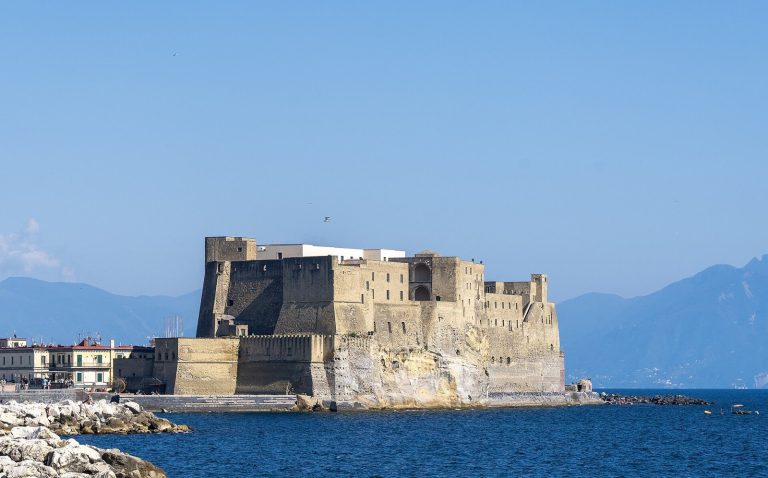
In the early fifth century, under Western Roman Emperor Valentinian III, the building on Megaride was converted into a fortress called the castellum Lucullanum, or Lucullan fortress. Later in that century, Odoacer, a Germanic military leader who ruled Italy, confined Romulus Augustulus there. Romulus is conventionally regarded as the last Western Roman emperor.
Monks of the Eastern Roman tradition later occupied the fortress and made it a monastery. Eugippius of Pannonia, a Christian monk and writer, is often identified as its founder. The monastery’s rooms served for communal meals, writing and copying books, and monks’ burials.
Medieval and early modern changes
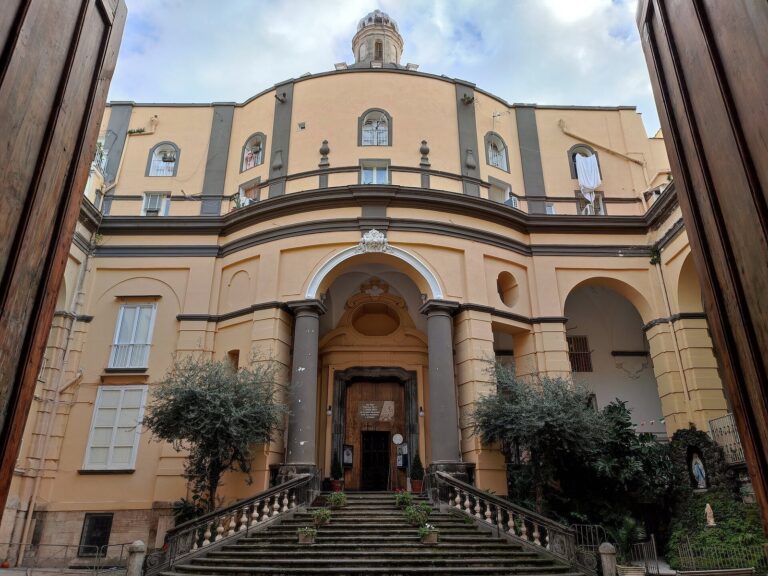
In the late tenth century, Neapolitans destroyed the monastery, fearing that Muslim forces might use it as a military outpost. The Normans, a medieval people who established rule in parts of southern Italy, later built a castle on the site. Medieval expansion in Naples obscured parts of the estate and made archaeological investigation difficult.
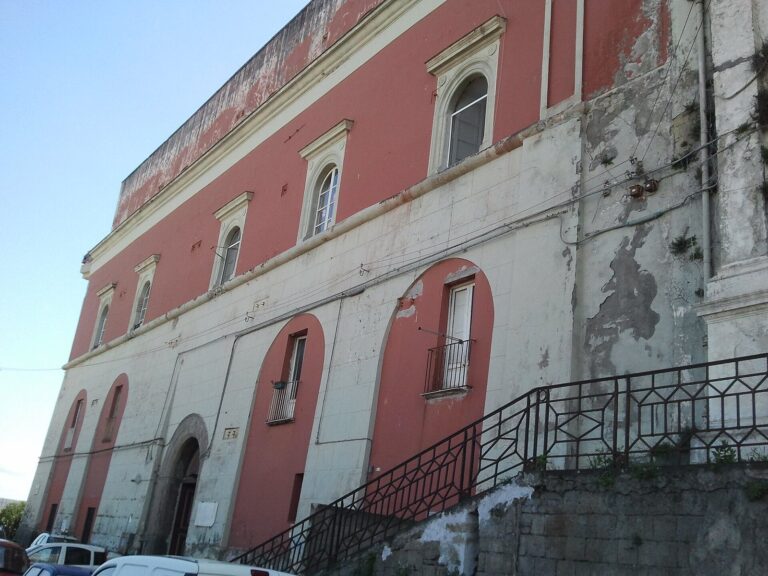
Buildings on Monte Echia survived beyond the Roman period. In the sixteenth century, Viceroy Andrea Carafa had them demolished to make way for a barracks. The site later passed into the hands of the Spanish infantry of the Kingdom of Naples.
Remains
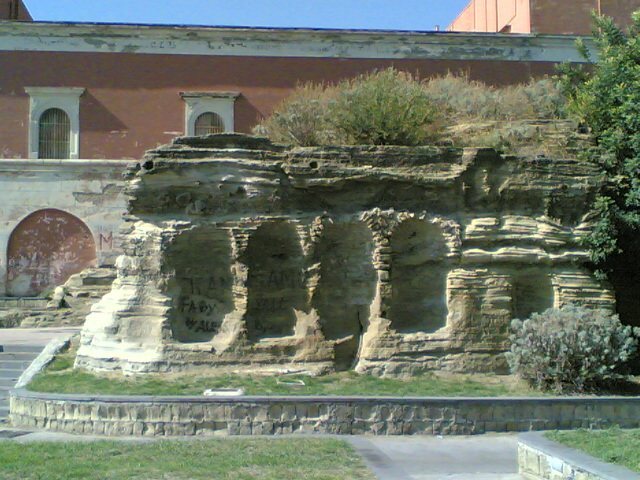
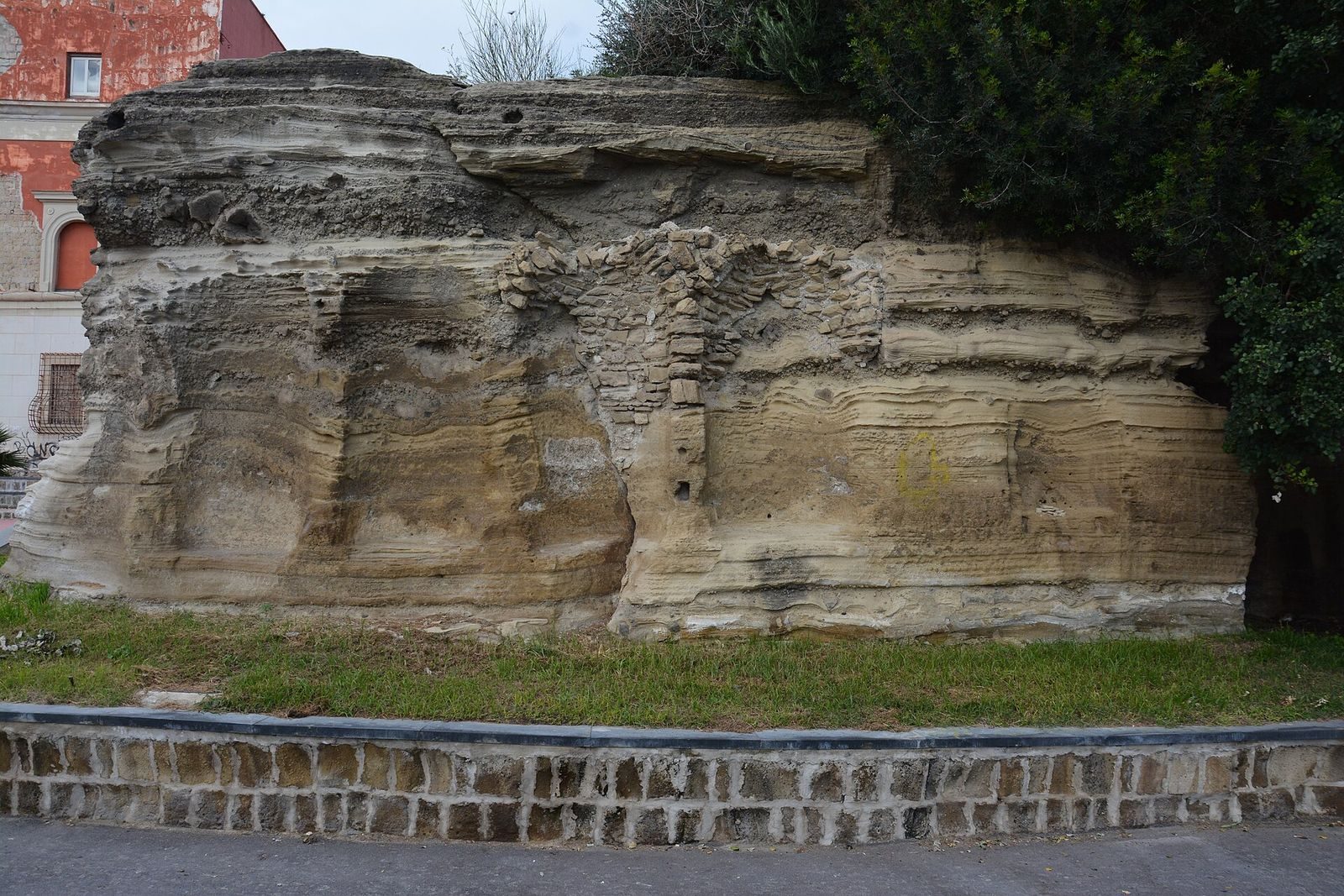
The villa was a multi-building coastal estate extending for several kilometres from the islet of Megaride to Mount Echia, and probably southeast toward the Maschio Angioino area near Piazza Municipio. Its exact length is unknown. Piers extended into the sea, while fishponds and ponds for raising moray eels of different colours formed part of the estate. The villa’s remains are associated with several parts of modern Naples.
Archaeological areas and features
Coastal features and gardens
The gardens contained statues, pools, lakes, flowers, and trees brought from different parts of the Roman world. Among the plantings were peach trees from Persia and cherry trees from Cerasus; both fruits were novelties to Romans at the time.
Megaride and the Hall of Columns
The largest and perhaps most important surviving group lies beneath Castel dell’Ovo on Megaride. In the underground Hall of Columns, Roman columns still stand within a space divided into four aisles, or lengthwise sections, and covered by raised arched vaults.
Pizzofalcone Hill
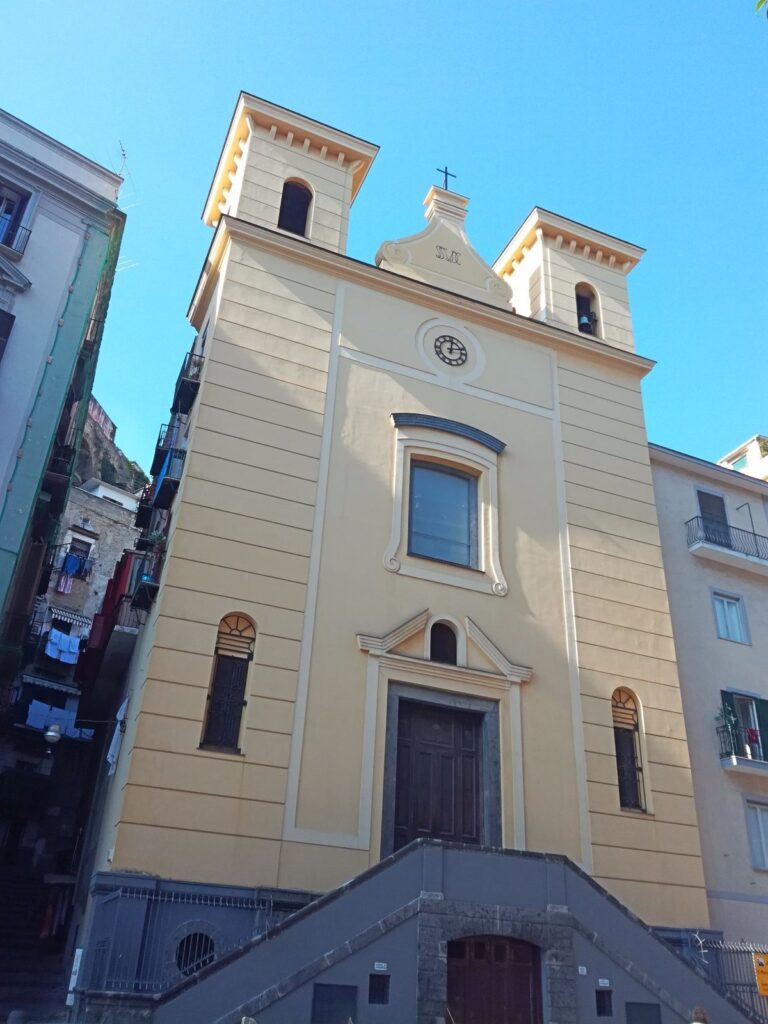
Traces of the villa are associated with Pizzofalcone Hill, where some ruins lie buried beneath later buildings.
Piazza Municipio
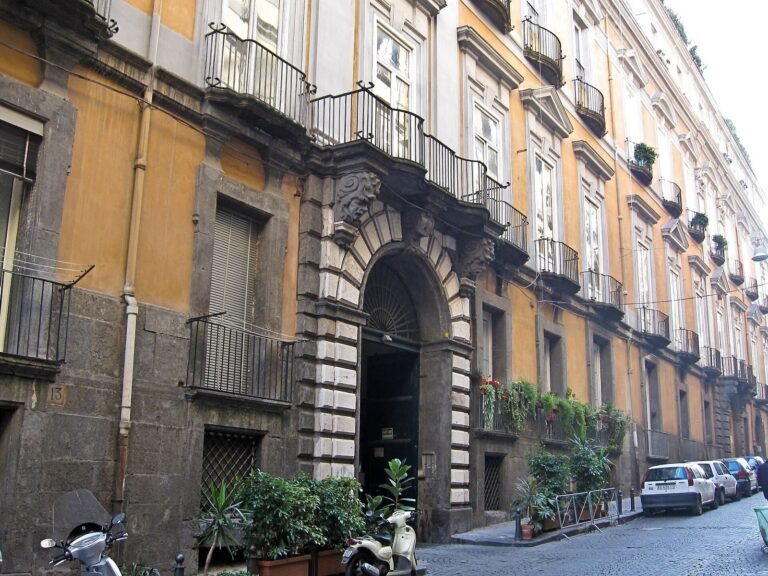
Excavations near Piazza Municipio uncovered a second-century bathhouse owned by Roman emperors. It is a separately identified find in the broader area of the villa, not a stated part of Lucullus’s estate.