Lubomia: An Early Medieval Slavic Stronghold in Poland
Site at a Glance
- Popularity
- Medium
- Country
- Poland
- Primary era
- Medieval
- Eras represented
- Medieval
- Civilizations
- Unclassified
- Site type
- Military
- Remains
- Fort
On this page10 sections
History
Lubomia is an early medieval Slavic stronghold between the villages of Lubomia and Syrynia in Poland’s Silesian Voivodeship. An unfortified settlement was established there in the seventh century, and the Golensizi tribe used the stronghold during the eighth and ninth centuries. Its fortifications began around the turn of the eighth and ninth centuries.
Settlement and tribal center
Traces of activity associated with the Przeworsk culture, an archaeological term for communities in Roman-period Central Europe, also occur at Lubomia and date to the late Roman period. The site later became associated with the Golensizi, the Slavic people who occupied this part of the region.
An anonymous ninth-century text, conventionally known as the Bavarian Geographer, described peoples and the strongholds they controlled. Written in 844 or 845 for Louis the German, ruler of East Francia, it counted the Golensizi among relatively weak peoples and attributed five stronghold centers to them. The tribe is associated with Lubomia’s inhabitants, although the text does not identify this stronghold by name.
Lubomia appears to have held a leading position among Golensizi strongholds and probably served as the tribe’s political center and the dominant center in the surrounding region. Its defenses may reflect this role and its position on a borderland between Upper Silesia and Great Moravia, a major early medieval Central European polity. Great Moravian and Vistulan princes competed for influence in the area, while the stronghold guarded a route through the Moravian Gate along the Oder valley.
Destruction and archaeological study
A fire destroyed the stronghold in the second half of the ninth century, and it was not rebuilt. Archaeologist Jerzy Szydłowski proposed that an armed attack by Svatopluk I, ruler of Great Moravia, caused the destruction. If so, the attack probably occurred between 874 and 885. The site subsequently lost its regional importance and declined.
Archaeologist Roman Jakimowicz investigated Lubomia between 1933 and 1938. Further work took place in 1966–1968 and was associated with Jerzy Szydłowski, followed by a survey that did not involve excavation in 2015. The stronghold has been legally protected since its entry in the monument register on 5 November 1965.
Remains
Layout and defenses
Main fortified area
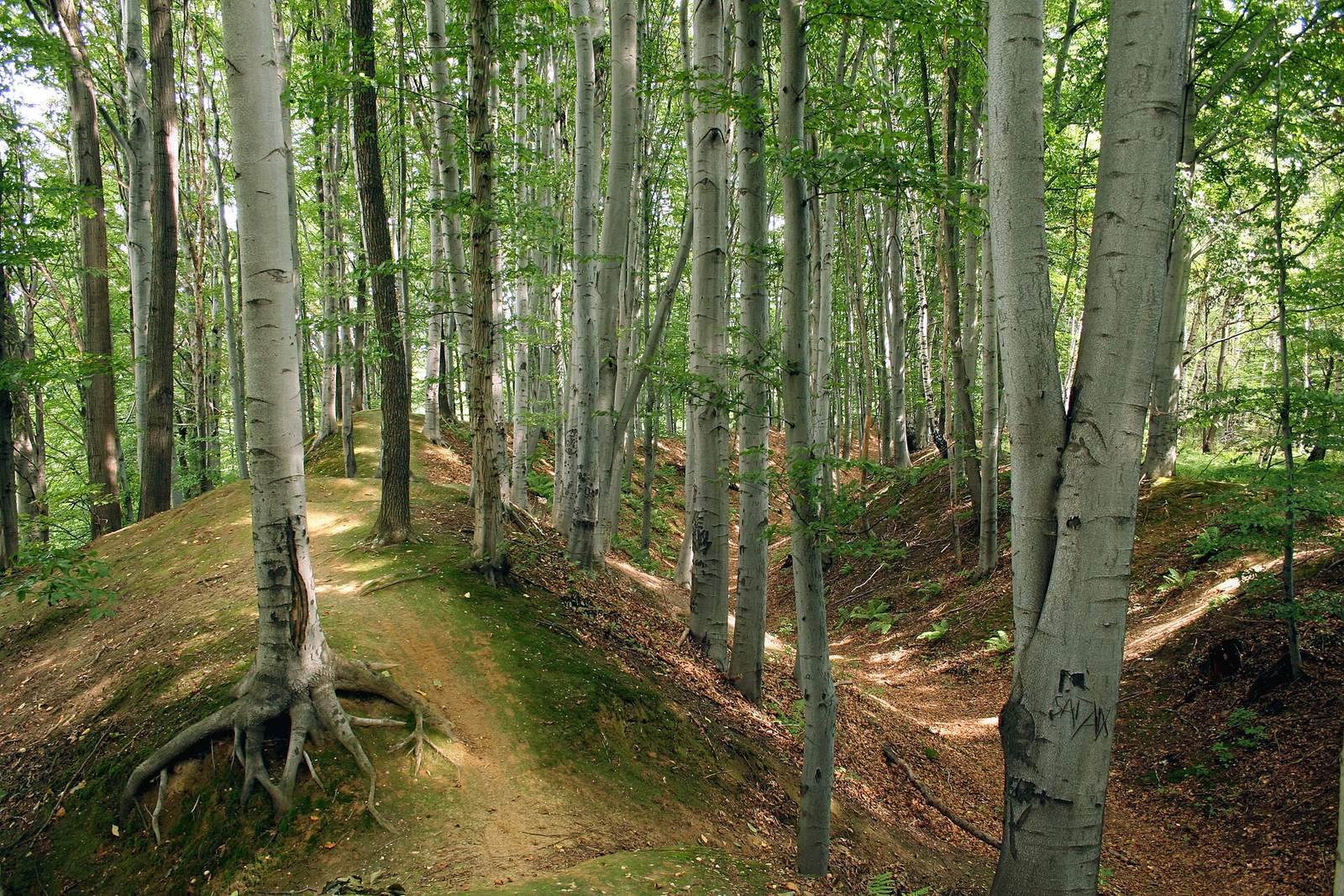
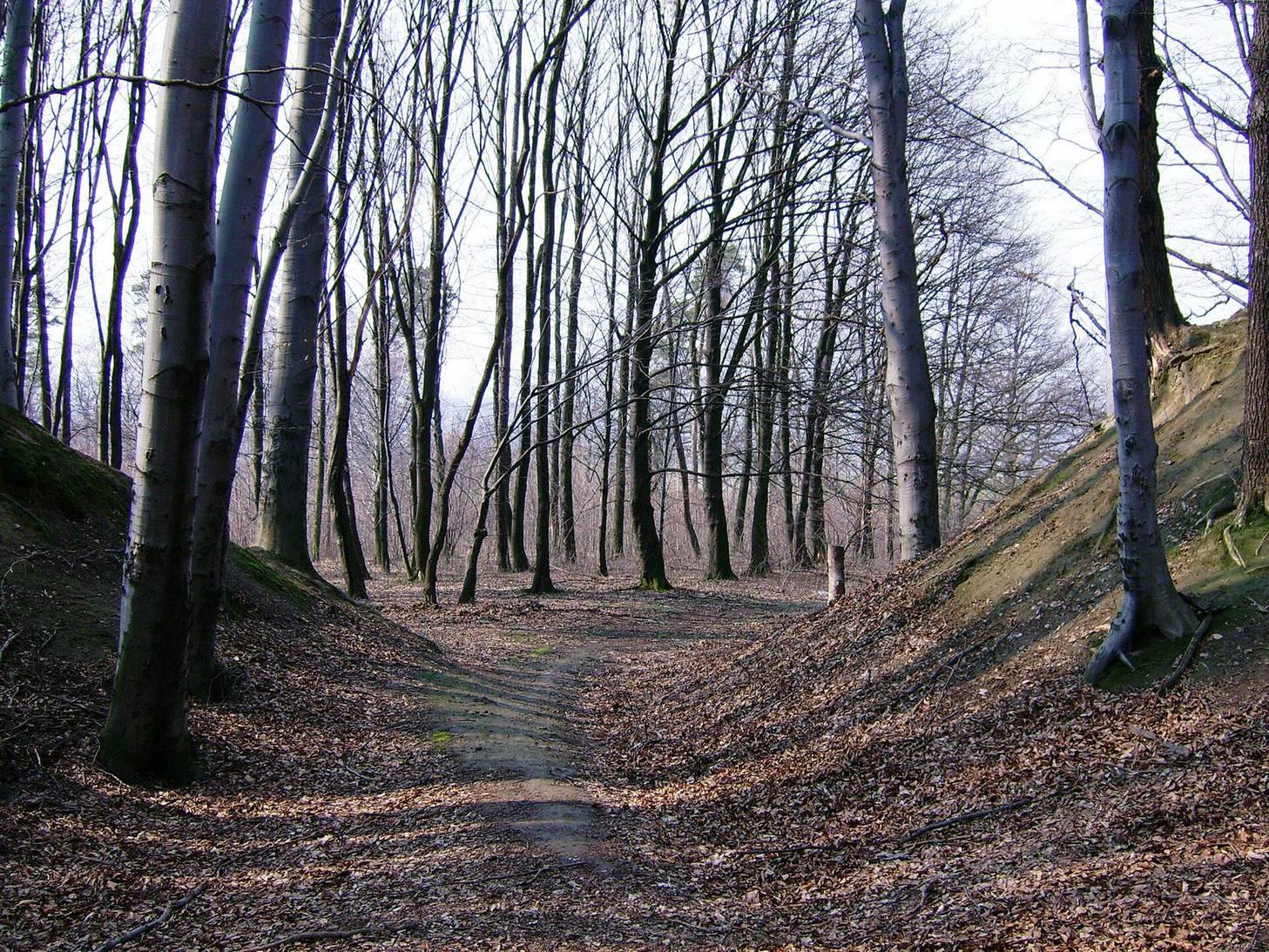
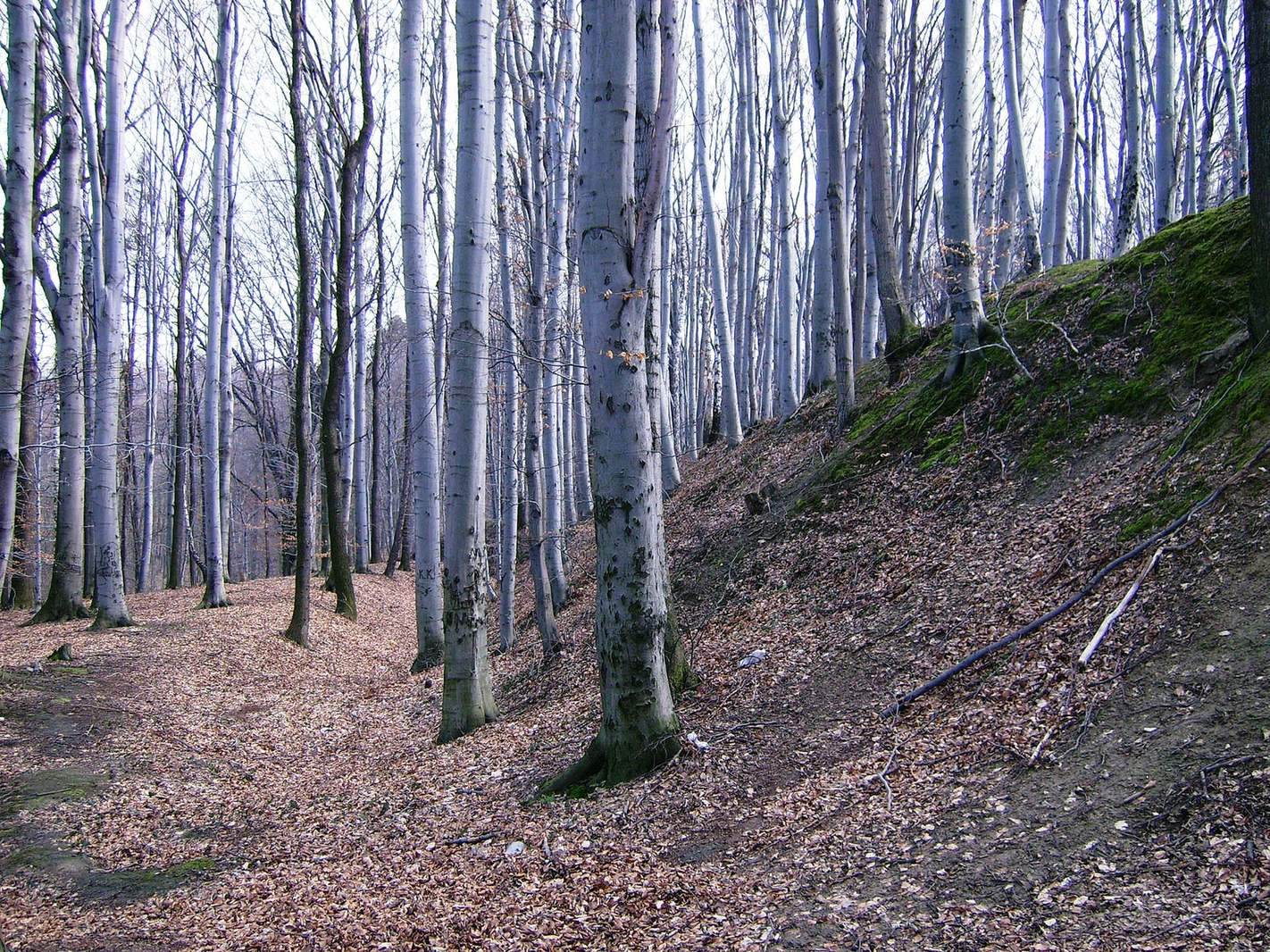
The wooded site covers about 5.3 hectares at the edge of Grabówka forest. Its layout comprised three parts, including a principal fortified area enclosed by two rings of earth ramparts reinforced with timber. The enclosed area reached about 150 metres in maximum diameter. Traces of gates on its eastern and western sides have been identified, with additional ramparts strengthening the approaches. A ditch between the rampart rings reaches up to six metres deep in places; a shallower ditch followed the outside of the outer ring. The earthworks remain clearly visible, and archaeological deposits are well preserved.
Eastern outer settlement
East of the principal enclosure, an outer settlement was bounded by an earth rampart and a single ditch. It was probably left unbuilt and used as a place of refuge. Timber structures crowned the substantial ramparts. Construction on the inner rampart was more elaborate than on the outer one, and woven brushwood strengthened some sections against erosion.
Buildings and finds
Dwellings and large timber buildings
Excavated evidence from the main area suggests a fairly regular arrangement, with wooden houses in a row beside the inner rampart and a large open space at the center. Above-ground buildings used interlocking horizontal timbers or upright supporting posts. Residents also used pit houses and partly sunken dwellings, probably for economic activities. Three substantial wooden buildings dating to the seventh and eighth centuries have been interpreted in different ways, as meeting halls, pagan temples, or a castle complex.
Excavated features and objects
Excavations have revealed dwellings, hearths, settlement pits, and a furnace, along with pottery fragments, tools, ornaments, weapons, and weapon fittings. Finds include fragments of chain mail and objects of Avar and Great Moravian types, indicating contact with southern neighbors. The chain-mail fragments attest to the use of this armor in Poland during the tribal period, when communities in the region were organized in tribal polities. Finds from the stronghold are held at the Museum in Wodzisław Śląski.