Little Castle: A Historic Country Estate in Zimmerwald, Switzerland
Site at a Glance
- Popularity
- Very Low
- Country
- Switzerland
- Primary era
- Early Modern
- Eras represented
- Early Modern
- Civilizations
- Holy Roman Empire, Swiss
- Site type
- Domestic
- Remains
- Manor House
On this page5 sections
History
Landholdings and religious orders
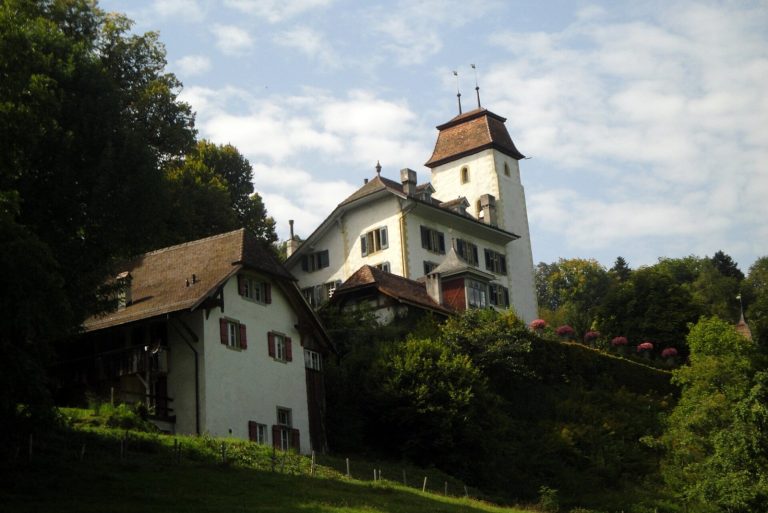
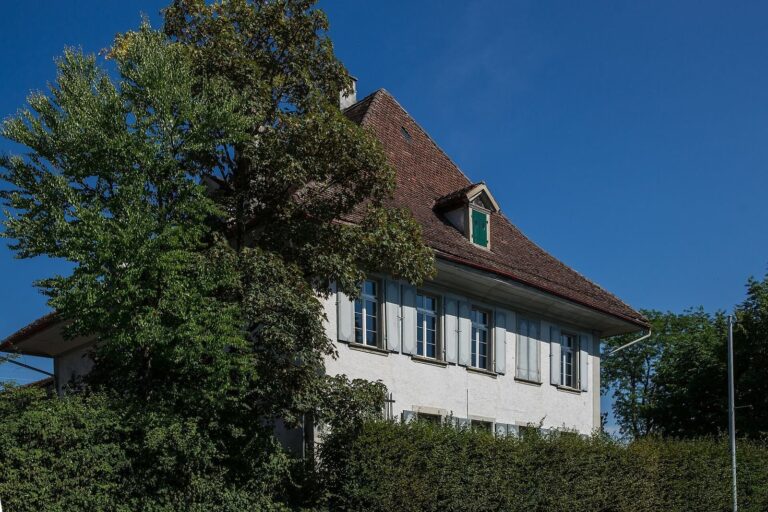
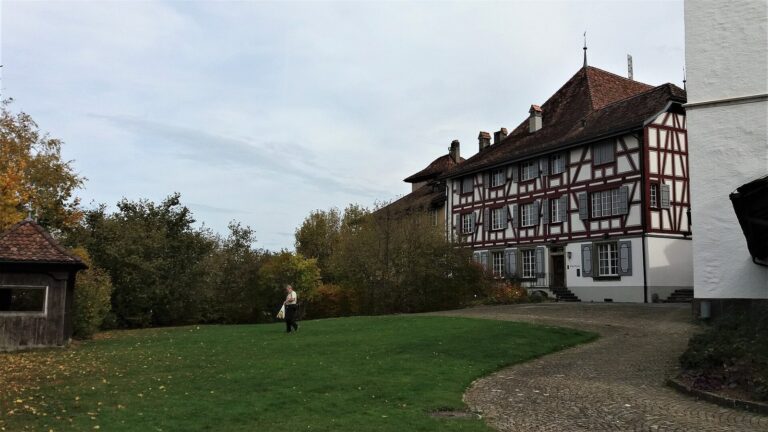
The Little Castle is a historic country estate in Zimmerwald, in the canton of Bern, Switzerland. Its present house probably took shape in the second half of the sixteenth century. The estate’s earlier history is linked to land transfers and religious institutions. In 1296, Gertrud von Egerdon, née von Bubenberg, sold part of her Zimmerwald holdings to the Bernese citizen Ruf Isenhut. In 1323, Isenhut left all his property to the Hospitaller commandery at Münchenbuchsee, a local establishment of the Hospitallers, also known as the Order of St John. In 1333, Niklaus von Lindenach sold half of the Zimmerwald tithe, a levy on specified produce or income, to the Teutonic Order’s house at Köniz.
In 1529, the city of Bern took control of the Münchenbuchsee commandery and its property. Zimmerwald and Obermuhlern may subsequently have come under Bern’s city court.
The manor house and its owners
In 1583, Ulrich Glanzmann owned a Zimmerwald farmstead with a tithe, including a meadow with a solidly built house. The property passed in 1599 to Peter Tribolet, lord of La Lance and castellan of Wimmis, a local official. After Tribolet died in 1622, Bern took possession of the manor house and sold it in 1639 to Abraham von Werdt, a tanner and lord of Toffen. Von Werdt enlarged the house.
Von Werdt’s daughter, Elisabeth Jenner, inherited the Zimmerwald estate in 1671 and added fields and rights to it. After her death, it passed to her son-in-law, Johann Friedrich Steck, who administered the Frienisberg district as bailiff. In 1717 it went to Steck’s namesake son, then in 1726 to Abraham Steck, a building-office clerk. Abraham left it to his grandson Daniel Wyttenbach.
Changes in ownership
In 1861, Wyttenbach’s widow transferred the estate to her second husband, Friedrich Bernhard Indermühle. He built the Beau Séjour villa and guesthouse beside the Little Castle, but mortgaged the castle in 1864. Friedrich Berger bought the estate in 1895 to separate the castle from its agricultural operation. The property later changed hands repeatedly, in several cases after bankruptcies. Innkeepers Robert Streit and Rudolf Guggisberg became its sole owners in 1917. Guggisberg’s daughter received the entire property in 1951/57 and left it to her children.
Remains
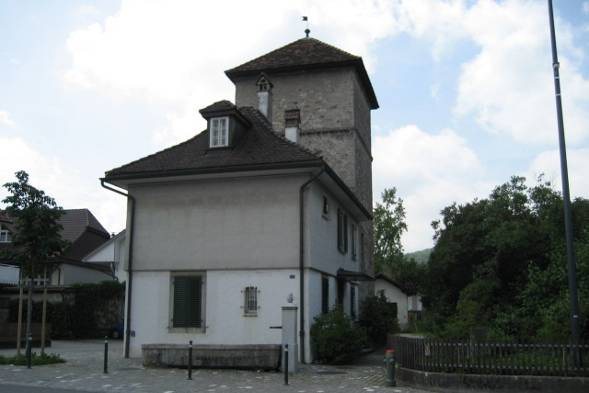
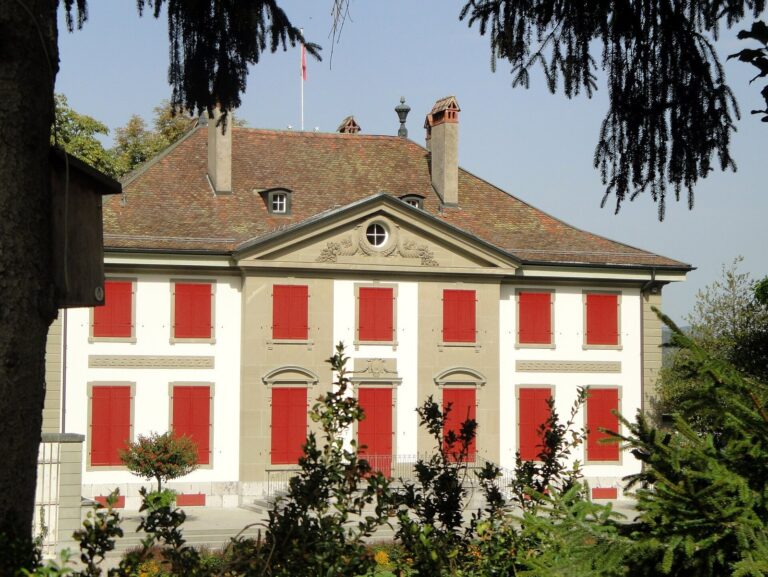
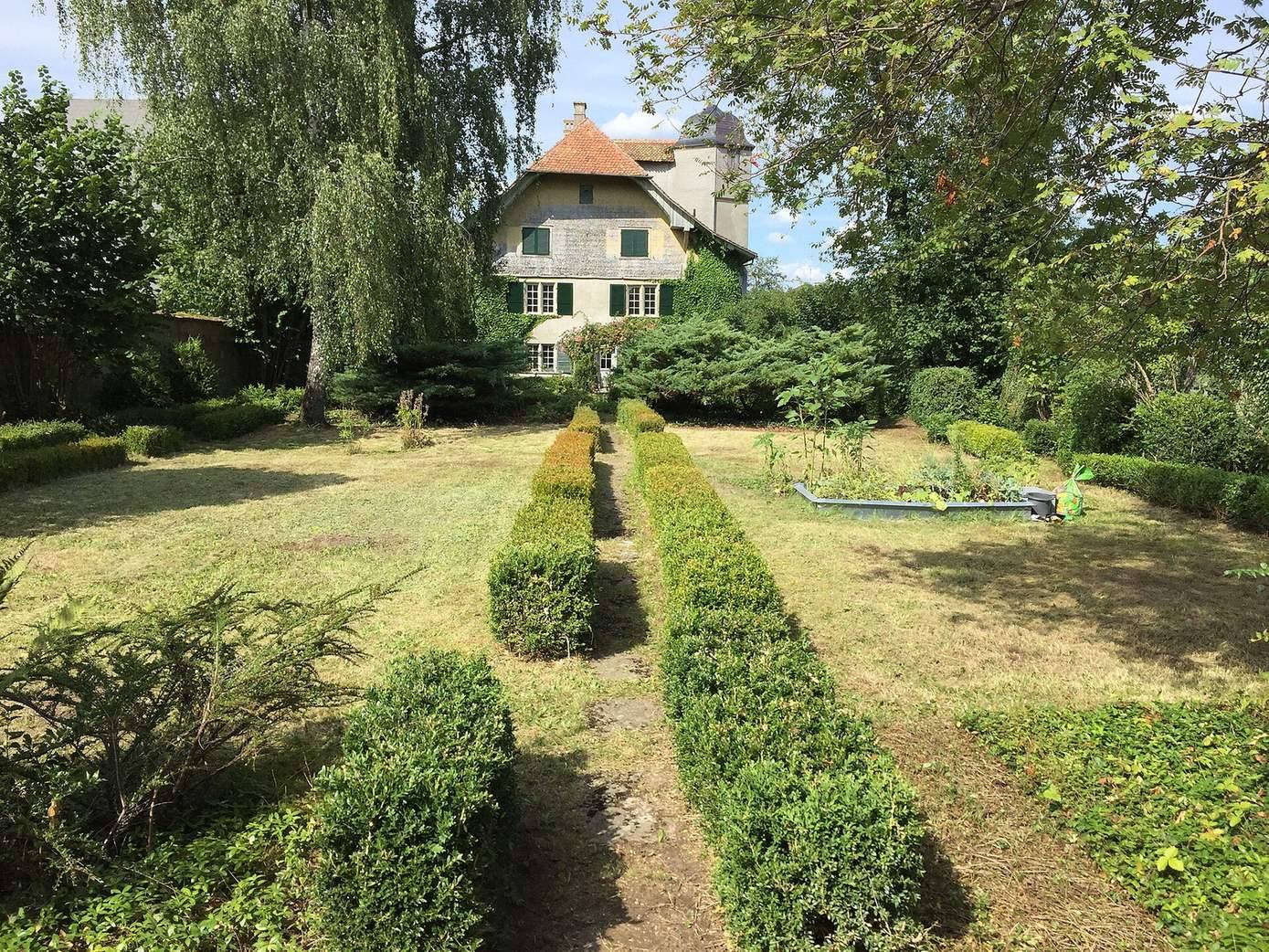
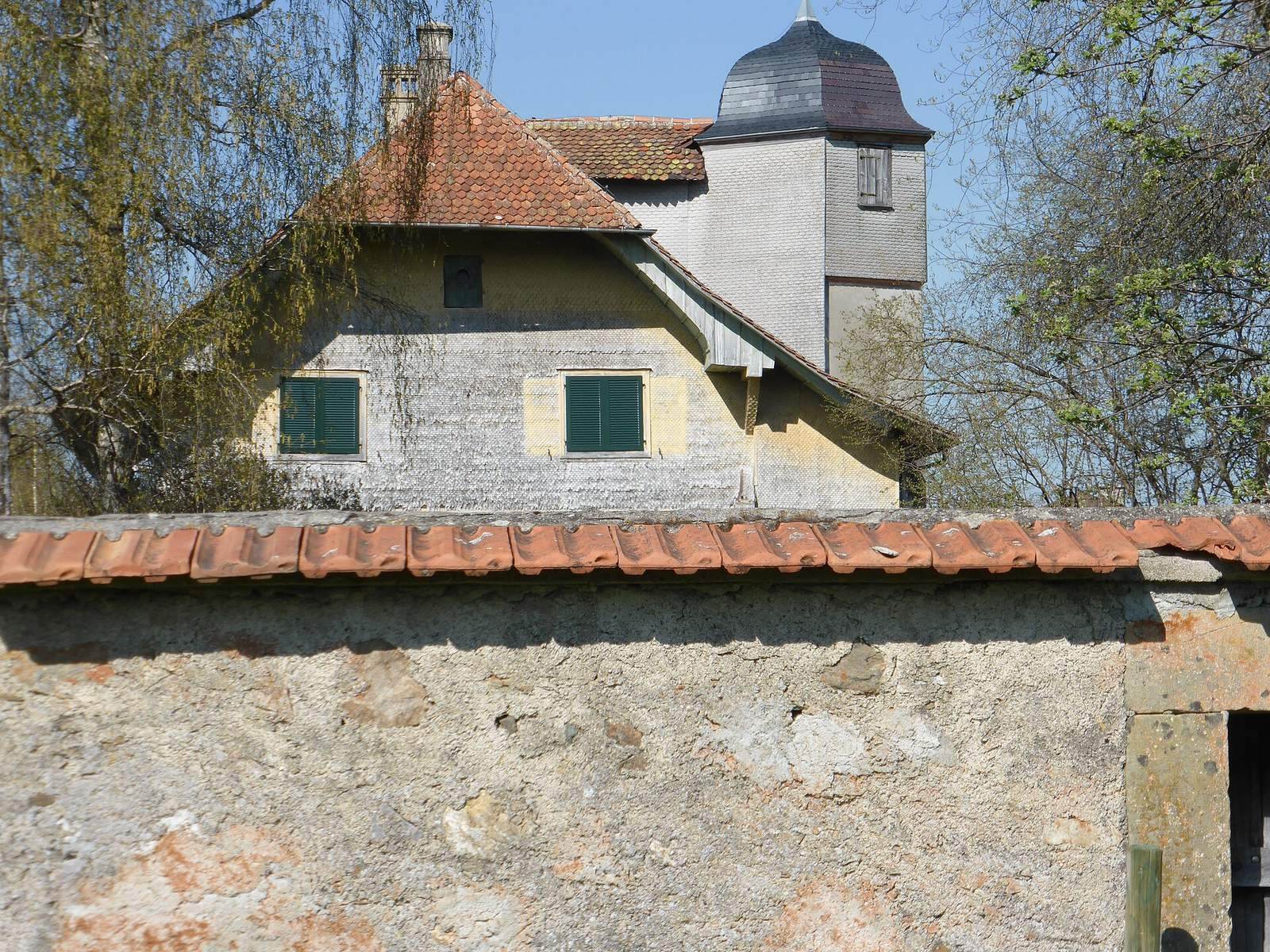
The Little Castle is a house with an enclosing wall to its south. The house’s present form probably dates to the second half of the sixteenth century, a date supported by its door surrounds and surviving bands of projecting carved bosses on the first floor. A hexagonal stair tower was added in 1641; the southern wall may have been built at the same time.
Alterations during the eighteenth and nineteenth centuries chiefly affected the interior. A first-floor room retains board panelling with pilaster details, flat projections resembling columns, dating to around 1730. The east façade incorporates an eighteenth-century dovecote.