Linköping Castle: Medieval Episcopal Estate and Royal Residence
Site at a Glance
- Rating
- 4.2
- Popularity
- Low
- Country
- Sweden
- Primary era
- Medieval
- External website
- Open
- Eras represented
- Medieval, Early Modern
- Civilizations
- Swedish
- Site type
- Military
- Remains
- Castle
On this page11 sections
History
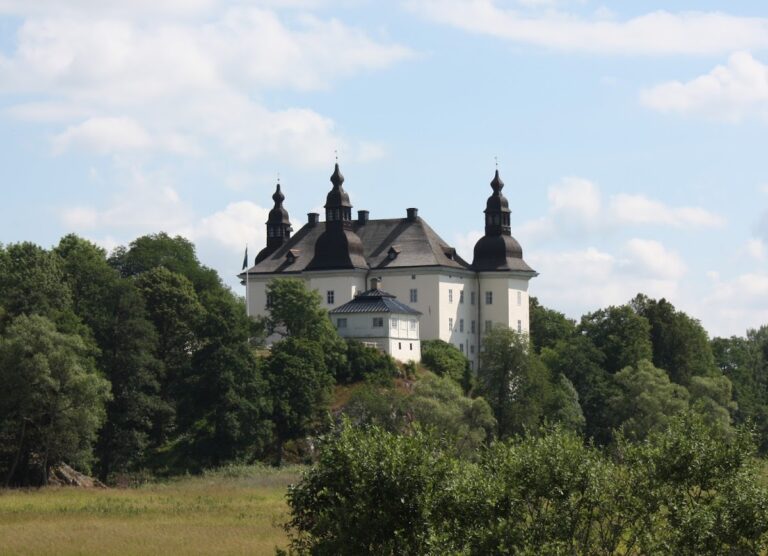
Linköping Castle is a medieval episcopal estate and royal residence in Linköping, Sweden, whose oldest surviving fabric dates from the first half of the twelfth century. It stands opposite Linköping Cathedral and is regarded as Sweden’s oldest preserved secular building. The estate was established for Bishop Gisle in 1149, probably alongside the cathedral’s earliest construction.
The episcopal estate
Linköping became a diocese in the late eleventh or early twelfth century. The cathedral’s earliest building work began around 1120 and was completed around 1160, while the bishop’s estate developed nearby as the administrative and residential centre of the diocese. A protection letter issued by Pope Alexander III in 1178 called the estate a mansio, a substantial and prestigious residence by medieval standards.
During the early Middle Ages, the Linköping region was associated with the Sverker dynasty, a medieval Swedish royal family linked to Östergötland. The area also became an important centre for church and monastery construction. In the thirteenth century, Bishop Bengt Birgersson, who was the son of Birger Jarl and Duke of Finland, expanded the estate into a fortified episcopal residence. A crenellated tower was added in the northeast, and brick was introduced at the site during this phase.
Medieval fortification and county administration
In the fifteenth century, part of the earlier fortification was demolished and replaced by the western range. The estate was enclosed by a ring wall, a defensive wall around the compound, and the new western range had a stepped gable. Linköping County was formed in the 1470s, with the castle serving as its centre. Late in the century, Master Adam van Düren, who also built the choir of Linköping Cathedral, decorated the western facade.
From episcopal residence to royal castle
Hans Brask, Linköping’s last Roman Catholic bishop, held the see from 1513 to 1527. The Reformation, a sixteenth-century religious and political transformation that transferred church property to the Swedish Crown, followed Gustav Vasa’s victory over Christian II. When ecclesiastical estates were confiscated, Brask fled to Danzig in 1527, and the episcopal residence became a royal castle.
Gustav Vasa visited Linköping and the county repeatedly, using the castle as his residence during those journeys. In the 1570s, King Johan III commissioned the Dutch architect Arendt de Roy to enlarge the complex. Johan III’s reign brought a major building phase, while the late sixteenth-century remodelling under Duke Charles, later King Charles IX, gave the castle a Renaissance character based on classical forms and elaborate ornament.
The Stångebro conflict and the Linköping Bloodbath
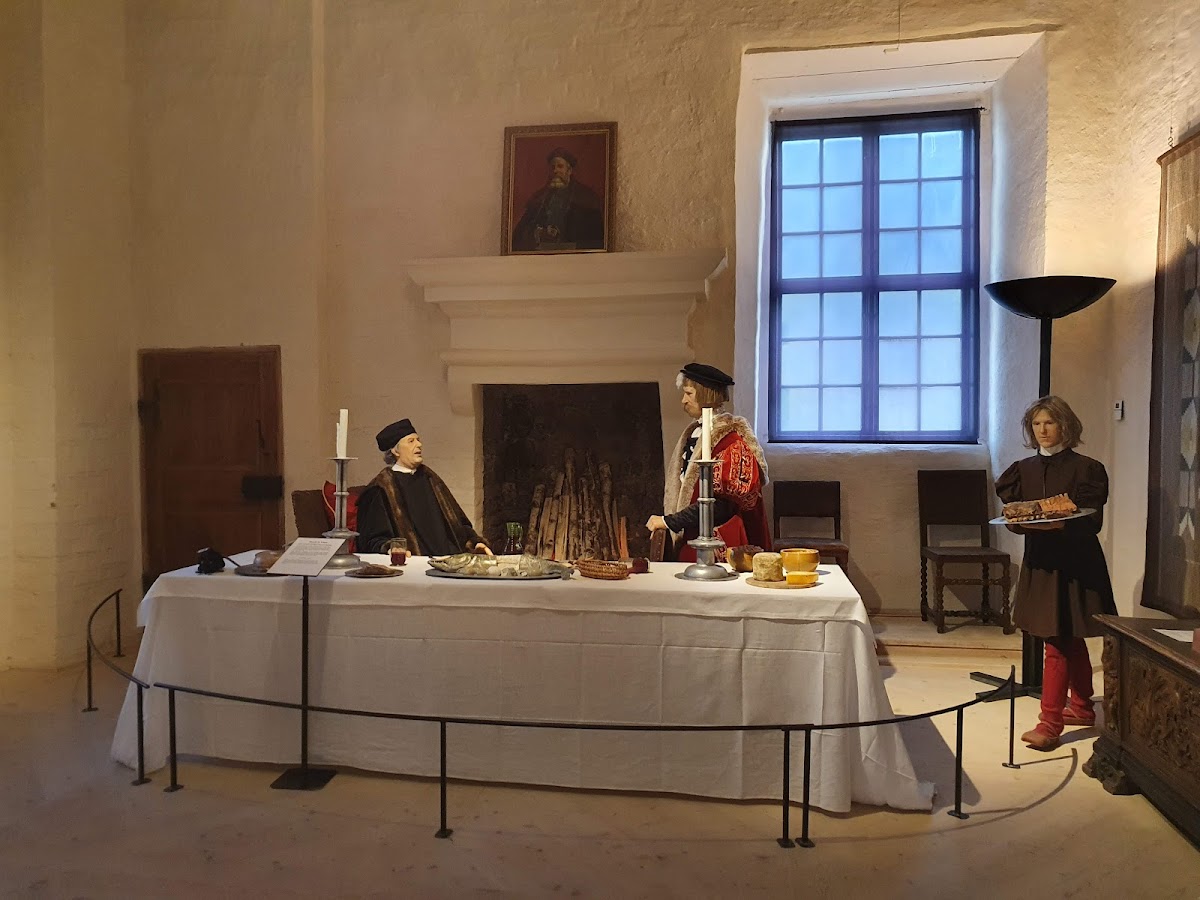
The Battle of Stångebro in 1598 was the conflict in which Duke Charles defeated King Sigismund in the struggle for the Swedish crown. Afterward, Charles imprisoned councillors who had supported the defeated king at Linköping Castle. Their treason trial took place in the castle’s great hall in 1600. Because Charles was also a party to the case and acted as prosecutor, the proceedings have been described as Sweden’s greatest judicial scandal. Erik Sparre, Gustav Banér, Sten Banér, and Ture Bielke were among those accused.
The executions associated with the Linköping Bloodbath took place on 20 March 1600. They have traditionally been placed on the town’s Great Square or Iron Square, although several historians argue that the executions occurred in the castle courtyard. Five people were executed.
Prison, government residence, and restoration
Much of Linköping burned in 1700, including the town hall, but the castle and cathedral survived. By that time, the castle had been abandoned and had fallen into disrepair. It was then used as a town prison, with the eastern sections of its wings adapted for incarceration.
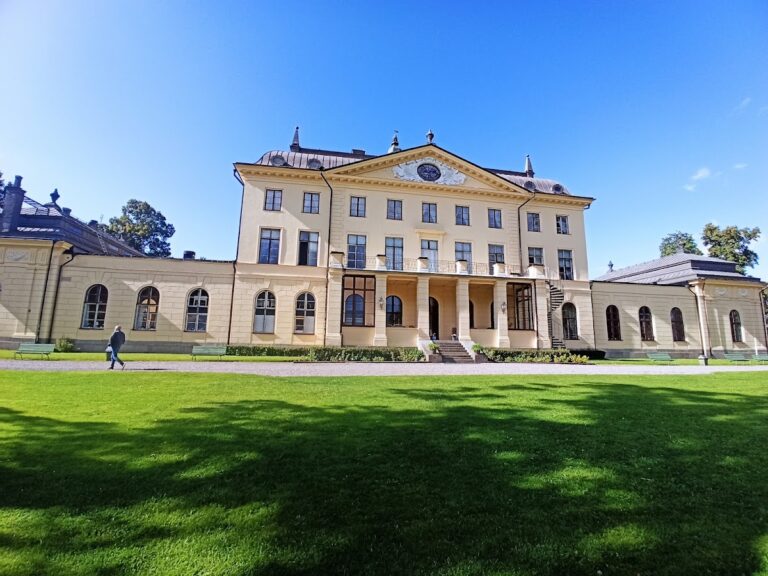
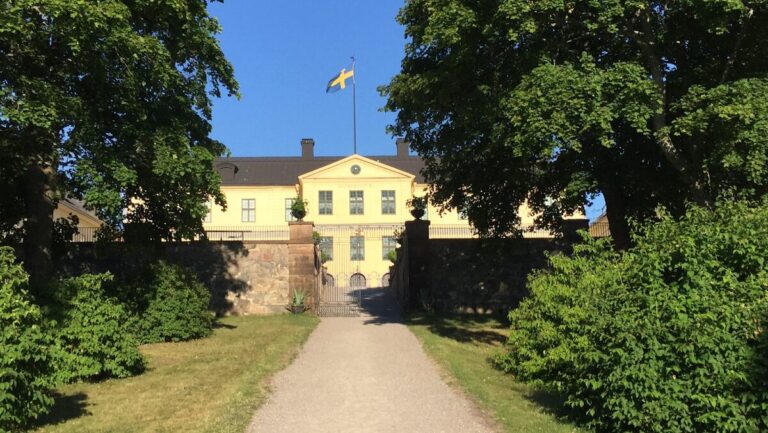
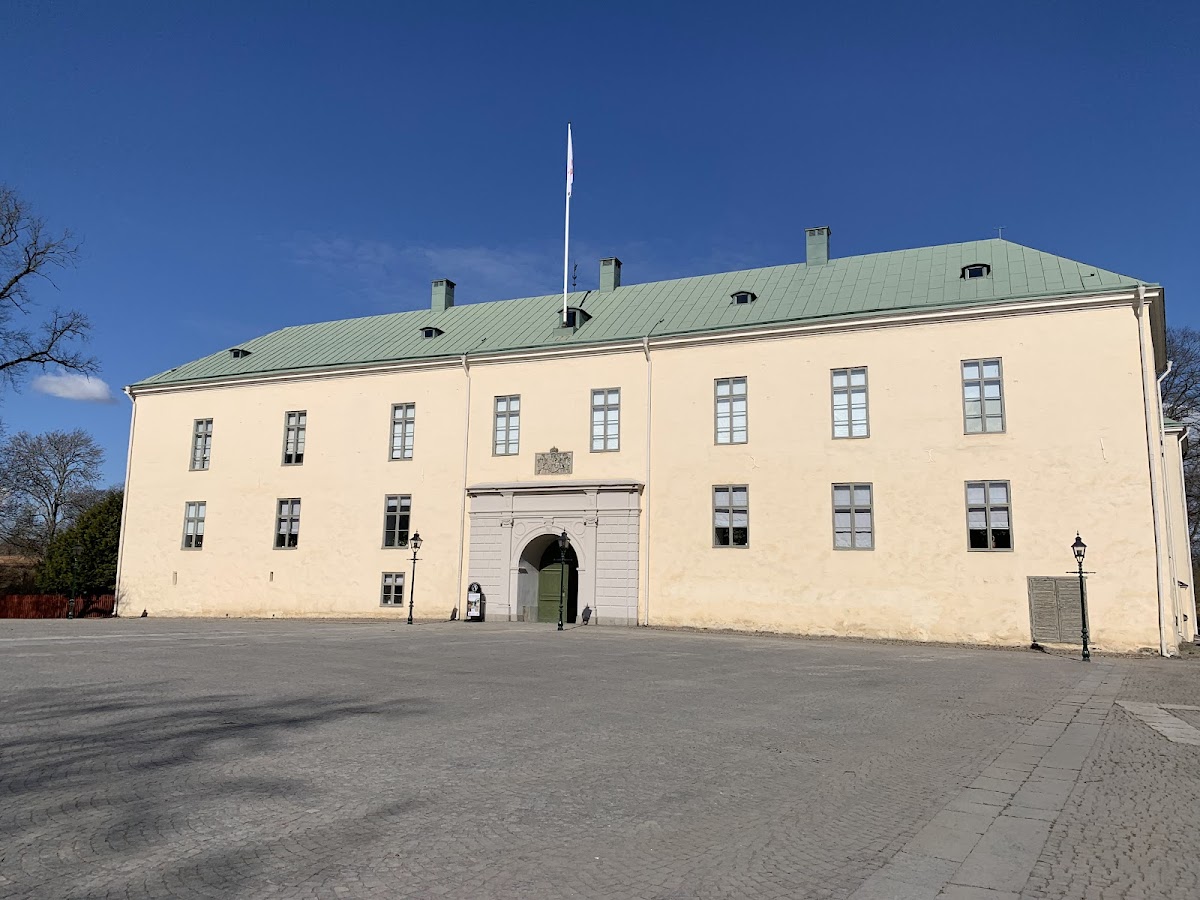
By the late eighteenth century, the castle had become the residence of the governor of Östergötland County. Beginning in 1796, it was remodelled as a restrained Classicist government residence and has continued in that role. Historicist restoration in the 1880s attempted to recreate its Renaissance appearance, but the Renaissance additions were removed during work in the 1930s, restoring the simplified Neoclassical character associated with the remodelling around 1800.
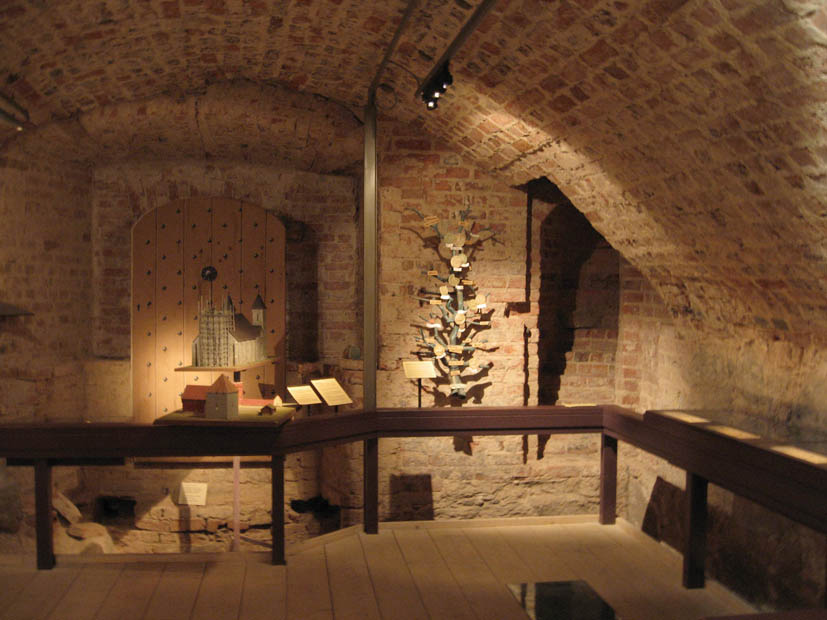
Facade restoration begun by the National Property Board of Sweden in 1995 showed that the oldest parts belonged to Bishop Gisle’s twelfth-century estate rather than to the thirteenth century. Linköping Castle has been a state architectural monument, a legally protected Swedish heritage property, since 25 January 1935. The Linköping Castle and Cathedral Museum opened in the north wing in 2000. The complex is now shared by the museum, the county governor’s residence, private accommodation, and offices.
Remains
Linköping Castle occupies elevated ground opposite Linköping Cathedral. Stone and brick form its principal materials, while the surviving ranges and walls preserve evidence of repeated medieval, Renaissance, Classicist, and Neoclassical rebuilding. The western facade is especially valuable for reading this sequence, since traces of earlier buildings, windows, and recesses remain visible across its surface.
Early and medieval fabric
The oldest surviving fabric is incorporated into the western range. It includes a small limestone cellar and a two-storey limestone representative building from the first half of the twelfth century. The early episcopal estate has been described as resembling the seventeenth-century bishop’s residence in Trondheim. The thirteenth-century expansion added a northeastern tower with a crenellated parapet, while the fifteenth-century rebuilding replaced part of that earlier structure with the western range and enclosed the compound with a ring wall.
Renaissance and Classicist alterations
Gustav Vasa’s alterations joined the western range and inserted large Renaissance windows into its upper floor. The enlargement commissioned by Johan III added a three-storey southern wing along the ring wall and raised the western range by one storey. The castle was painted white, with red borders around the doors and some windows. Under Duke Charles, elaborate gables, a stair tower, and trumpet galleries along the eastern wall added further Renaissance features.
The 1796 Classicist remodelling removed the elaborate gables, introduced a new portal, and covered the facade with yellow render. Renaissance interiors nevertheless survive, including a fireplace in the great hall and several decorated ceilings. The western facade retains marked traces of earlier building phases, making the wall itself a visible record of the castle’s successive transformations.
Interior rooms and present arrangement
The governor’s ceremonial residence includes the Estelle Salon, whose walls are hand-painted, as well as the governor’s private residence. The north wing houses the Linköping Castle and Cathedral Museum, while the south wing contains offices. These uses occupy a complex whose surviving medieval fabric remains integrated with later residential and administrative interiors.
Garden
The castle garden was laid out by Rudolf Abelin in 1905 and 1906. It was formerly used as a commercial market garden and is separated from the castle park by a sparse picket fence. Linköping Castle is owned and administered as state property by the Swedish National Property Board.