Ledberg Stone: An 11th-Century Viking Age Runestone
Site at a Glance
- Popularity
- Medium
- Country
- Sweden
- Primary era
- Medieval
- Eras represented
- Medieval
- Civilizations
- Swedish
- Site type
- Civic
- Remains
- Monument
On this page7 sections
History
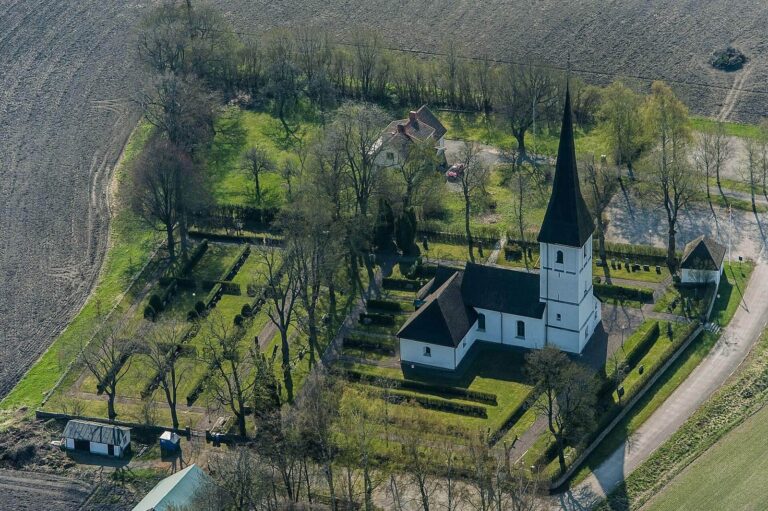
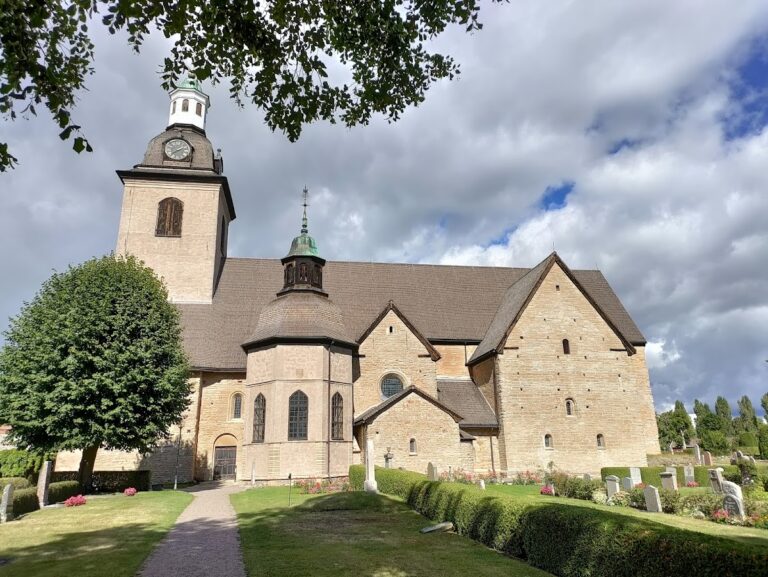
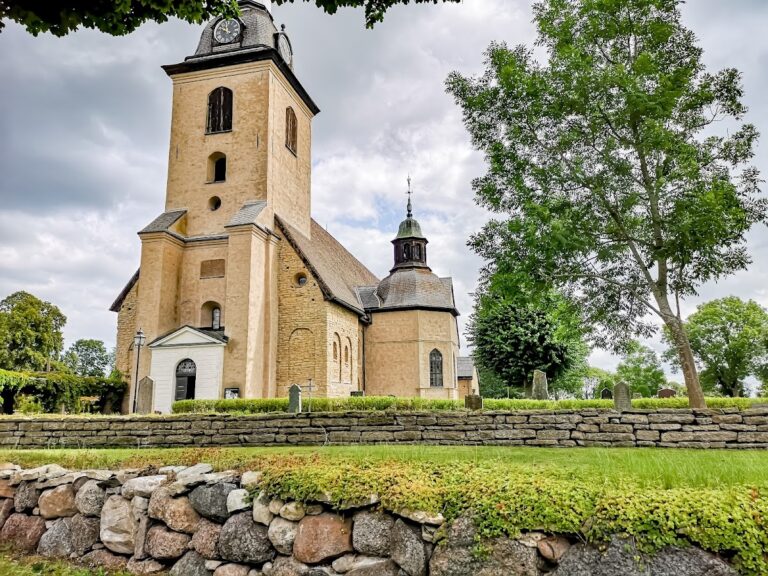
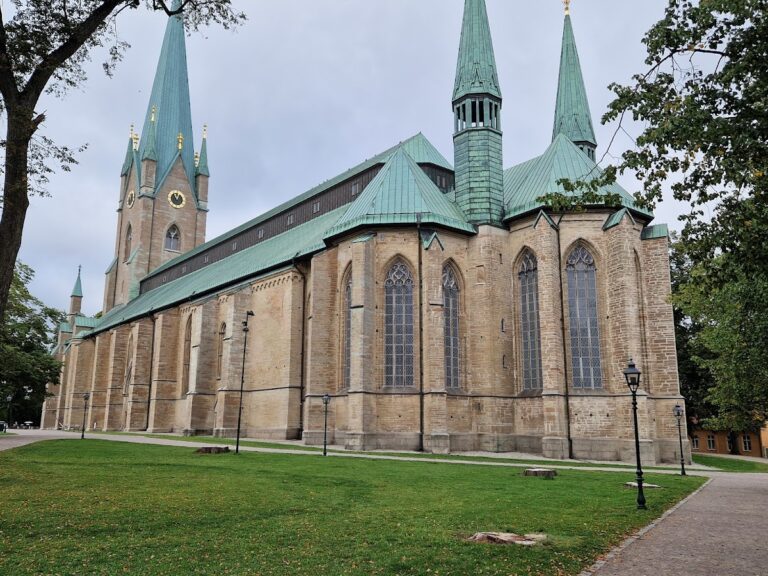
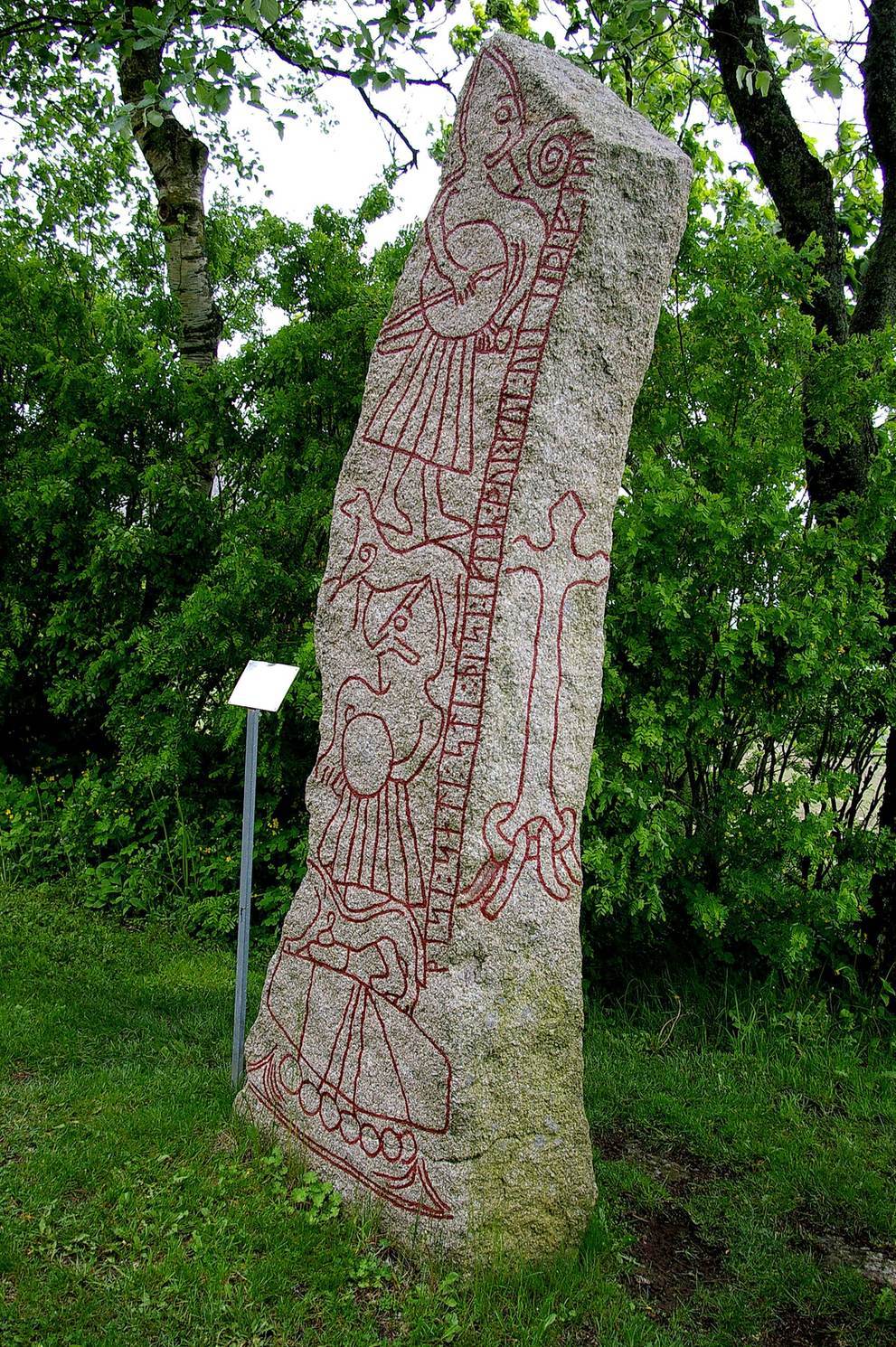
The Ledberg stone is an 11th-century Viking Age runestone in the churchyard north of Ledberg Church in Sweden. Bisse, Torgöt’s son, and Gunna raised it in Torgöt’s memory. Gunna may have been Torgöt’s wife, Bisse’s wife, or Torgöt’s daughter. The stone’s original location is unknown.
The inscription and its charm
Erik Brate interpreted the inscription’s coded ending as saying that Torgöt fell among the Trønders of Norway. He connected the phrase to Torgöt’s supposed death at the Battle of Stiklestad in 1030, a battle fought in Norway, and read the carved figures as a scene from the battlefield.
In 1921, a 100–200-year-older runestone bearing the same charm was found at Gørlev church. This showed that the coded passage was a charm, not a record of Torgöt’s death. Its sequence is understood to refer to thistle, mistletoe, and a casket, though the meaning of “casket” and the charm’s purpose remain uncertain. In Viking Age folk belief, thistle and mistletoe were thought to have supernatural properties.
Readings of the carvings
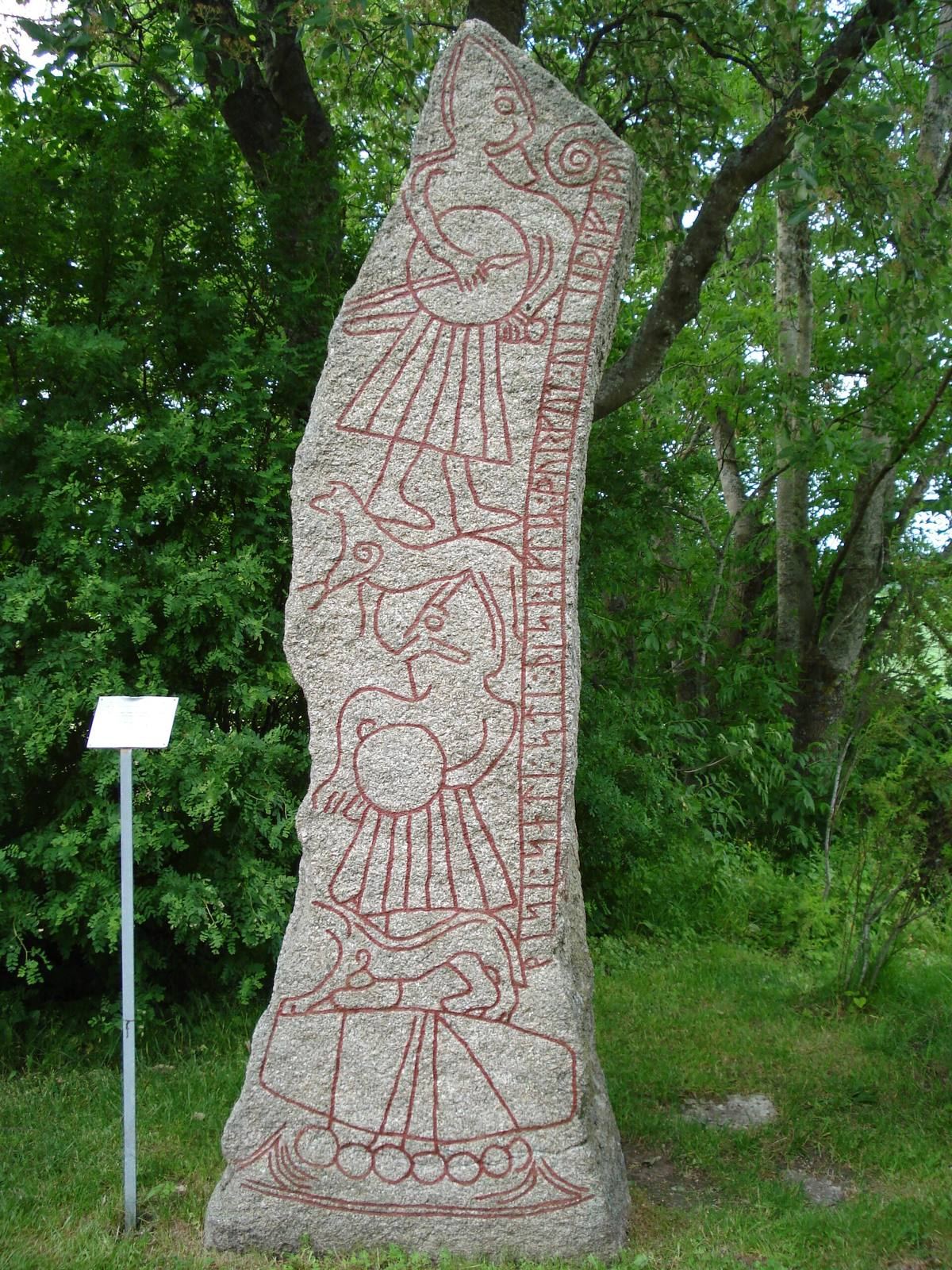
One interpretation identifies a scene from Ragnarök, the Norse myth of the world’s prophesied destruction and renewal. It may show the ship Nagelfar and the wolf Fenrir devouring Odin, a principal Norse god who is killed by Fenrir in the myth. Another interpretation reads the figures as a story about Torgöt or Gunna, progressing from a voyage and departure to armed travel and a fallen person. Neither reading is certain.
Relocation
By the 17th century, the stone had been built into a wall of the old church, with its north face outward. After the church was demolished in 1847, the stone was placed in the churchyard wall. In 1852 it was moved to its present position. Sweden’s national antiquarian Bror Emil Hildebrand proposed this location, while priest and diocesan librarian Levin Christian Wiede favored placing it atop the nearby burial mound Ledbergs kulle.
Remains
Stone and inscription
The granite stone is 287 cm high, 55–95 cm wide, and 40 cm thick. Its two broad faces carry runes and images, and a narrow face bears an ornamented cross. The inscription uses the Younger Futhark, the runic alphabet used in Viking Age Scandinavia. It begins on the south face, side A, which faces the church, and continues on the north face, side B. Parts of the text are damaged, and the wording immediately after Torgöt’s name is unclear.
Figures and motifs
The carvings include people, four-legged animals, and a ship. On side A, one figure has a foot in a beast’s mouth. Beneath it, a helmeted figure without legs stretches both arms outward. The armed figures carry shields, and one carries a spear; most have moustaches and beards. Their conical helmets have been compared in shape with those shown in the Bayeux Tapestry, an embroidered account of the Norman conquest of England. The angular ship and wolf motifs have also been compared with those on the Tullstorp stone.