Levín Castle: A Presumed Gothic Castle Site in Czechia


Site at a Glance
- Rating
- 4.5
- Popularity
- Low
- Country
- Czechia
- Primary era
- Medieval
- Eras represented
- Medieval, Early Modern
- Civilizations
- Habsburg, Holy Roman Empire, Kingdom of Bohemia
- Site type
- Military
- Remains
- Castle
On this page10 sections
History
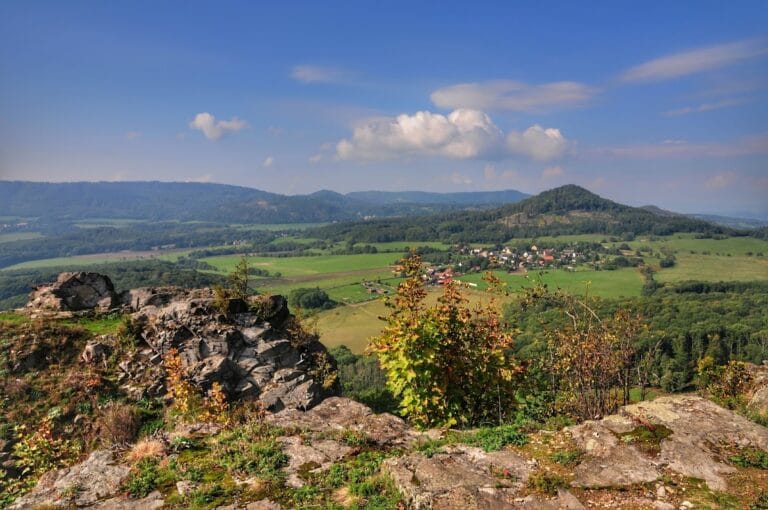
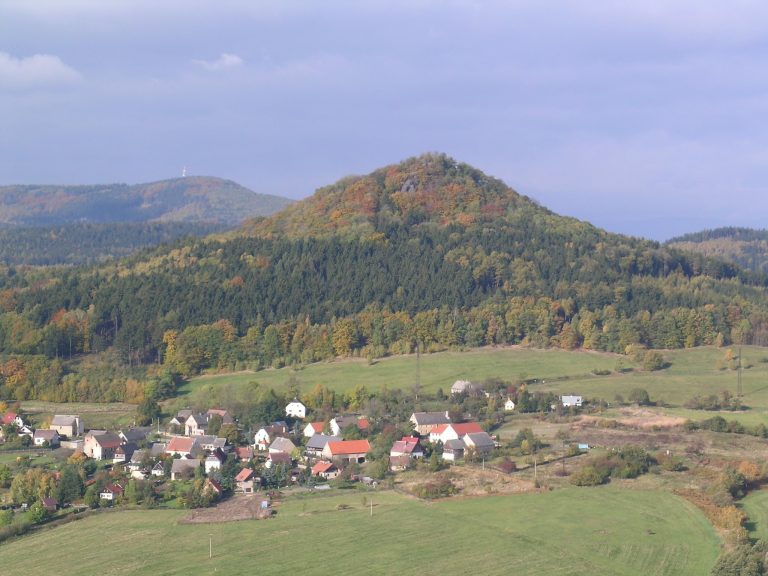
Levín Castle is the presumed remains of a Gothic hilltop stronghold in Czechia, above the market town of Levín. It was established during the second half of the thirteenth century, although its identification as a castle remains uncertain. The site occupies the summit of a hill about 100 metres southwest of the church, at an elevation of approximately 455 metres.
Medieval foundation and end of the site
No written record survives from the period when the presumed castle existed. The first written mention of Levín dates to 1352, by which time the castle may already have disappeared. Archaeological finds place its foundation in the second half of the thirteenth century and indicate that it ceased to exist during the fourteenth century.
The hilltop does not match the usual spur locations chosen for noble castles of the period, and the structure traditionally identified as a chapel does not clearly possess the character of a castle chapel. These features have led to alternative interpretations of the site.
Alternative interpretations
One possibility is that the remains belonged to a religious complex. The supposed chapel may have been a church enclosed by a cemetery wall, perhaps with a parish house and a later bell tower. This interpretation could also relate to a document from 1538, which mentions woodland used for digging a vineyard in the hillfort below Levín. An earlier cemetery would probably have been mentioned as a landmark, so the cemetery may have been established after that date.
Another interpretation places a noble residence on the hill, possibly a manor or a small motte-type castle. A motte-type castle was a modest medieval fortified residence built around a raised earthen mound, sometimes with an enclosed defensive area. Under this interpretation, the residence disappeared around the transition between the thirteenth and fourteenth centuries. Levín’s potters then used the hill to deposit defective or broken pottery, while ceramic production may later have moved into the village. The mound may subsequently have served as a cemetery.
Later religious use and archaeological investigation
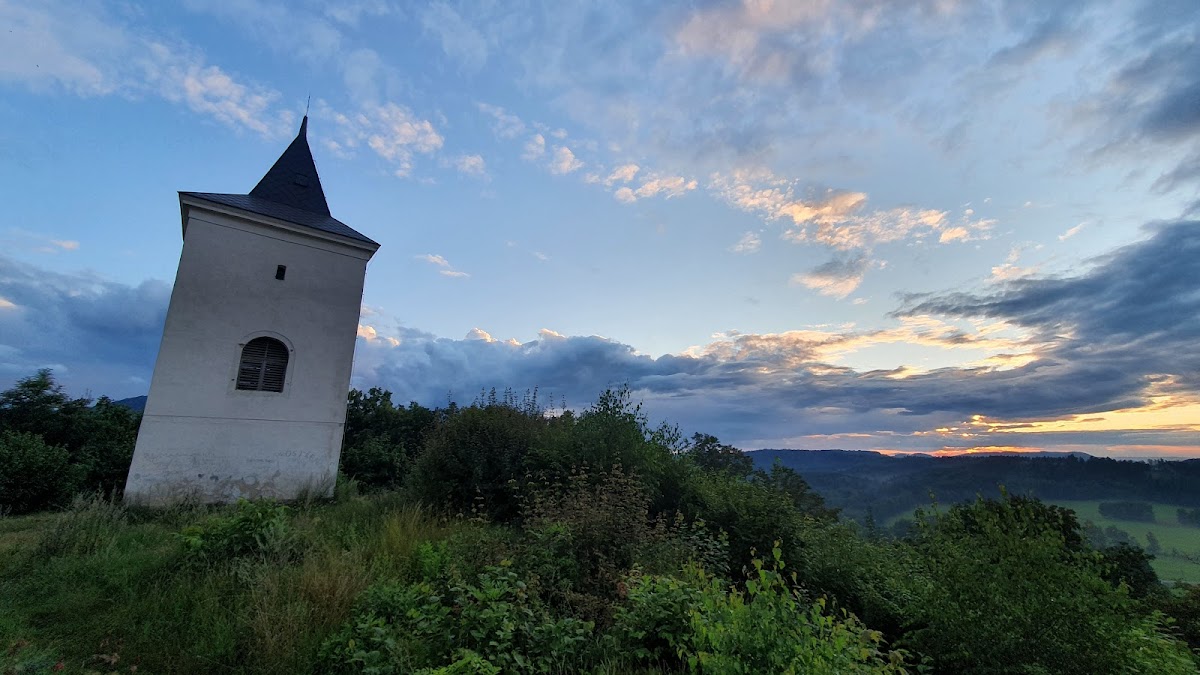
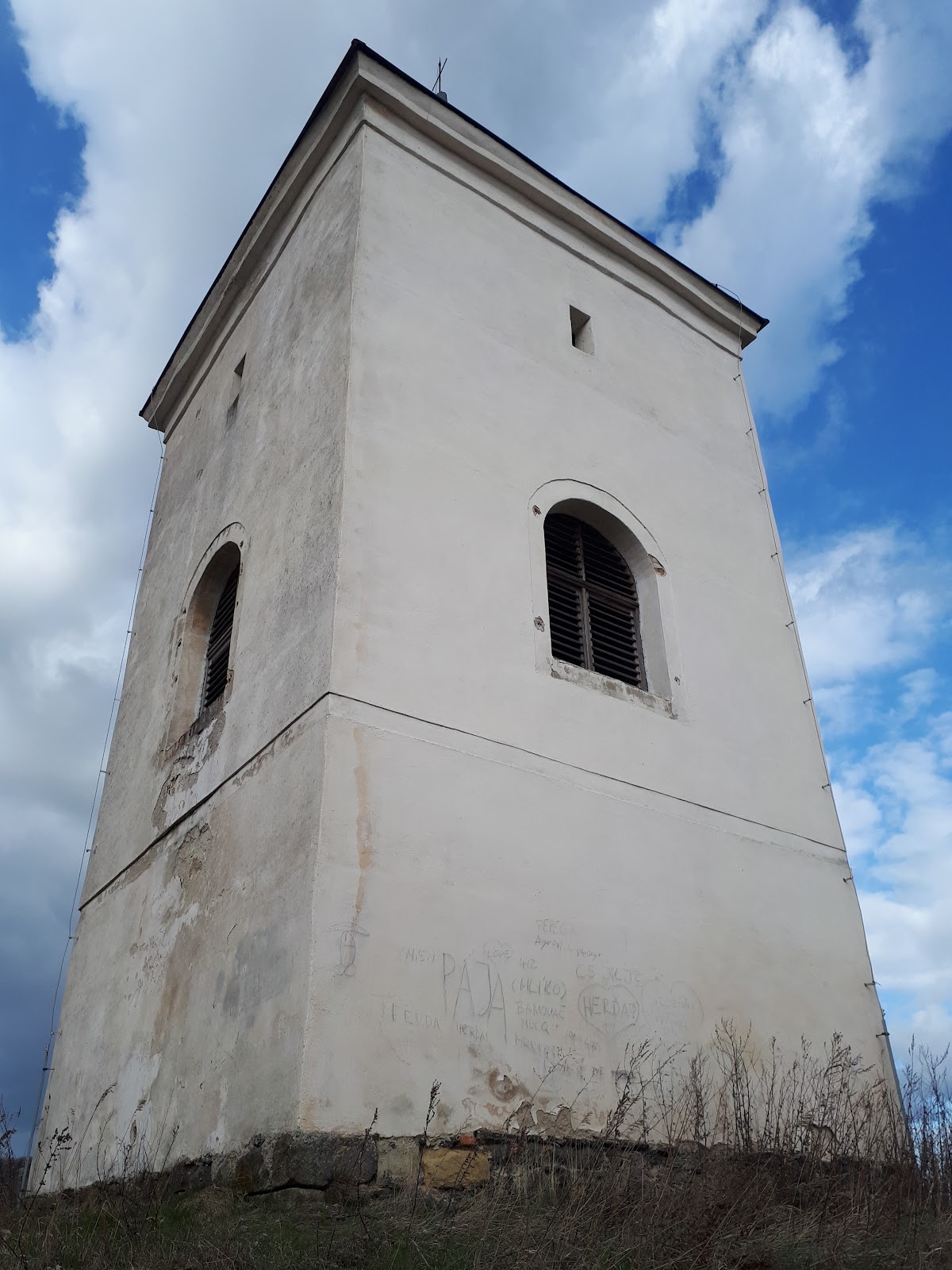
A chapel or church of unknown dedication was built in the cemetery around the transition from the Renaissance to the Baroque period. The bell tower on the hilltop belongs to a later phase than the presumed castle and was constructed after the castle had disappeared.
Damage to the castle grounds in 2005 led to a rescue archaeological investigation. The work traced the castle wall, identified two gates, and established the course of an access route approaching from the northeast. It also recovered numerous architectural fragments dating from the end of the fourteenth century. Levín has been protected as a cultural monument of the Czech Republic since 1964.
Remains
Hilltop layout and defensive features
The presumed castle occupied the summit of the hill in an oval ground plan. Its surviving remains extend from the summit onto the slopes, where fragments of a castle wall survive on the southern side. The documented circulation system included an approach from the northeast, leading toward two gates within the defensive layout. Numerous architectural elements recovered during the investigation date from the end of the fourteenth century and help define the later material history of the site.
Structures within the former castle area
Possible chapel
On the northeastern part of the hill are the remains of the ground floor of a structure that may have been a chapel. Its function is unresolved. It has been interpreted both as a possible castle chapel and as a church associated with a cemetery, but its surviving form does not clearly establish either identification.
Bell tower and later church remains
The hilltop bell tower stands within the former castle area but belongs to a later phase, after the presumed castle had ceased to exist. The site also contains remains associated with a chapel or church of unknown dedication built around the transition from the Renaissance to the Baroque period.
Evidence of ceramic production
Broken and defective pottery represents a later use of the hill. Levín’s potters deposited these ceramic products after the presumed noble residence had disappeared, providing physical evidence of activity that followed the medieval phase of the site.